
Collecting as an Alternative Asset
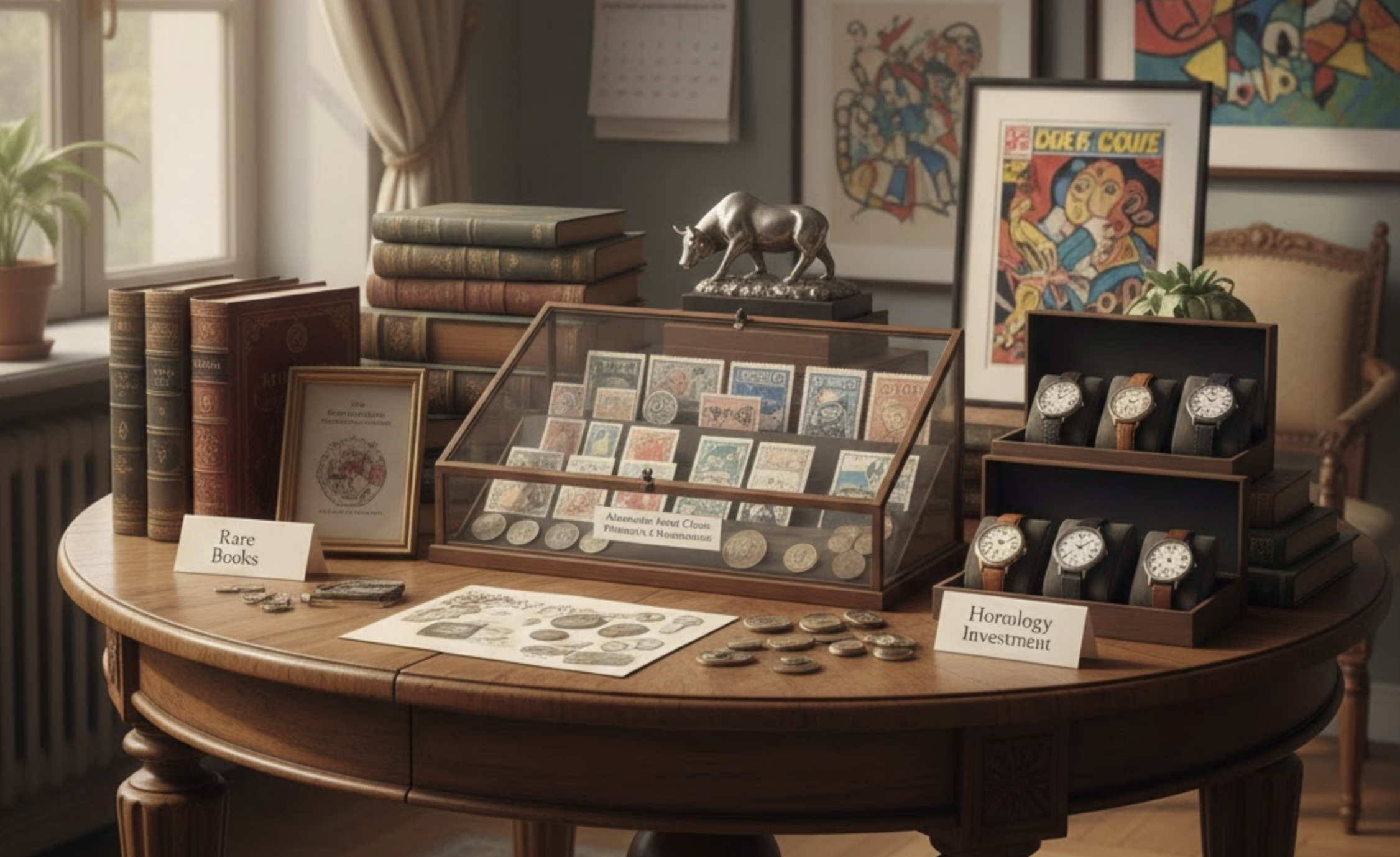
In the world of finance, not all investments are limited to traditional instruments like stocks, bonds, or real estate. There is a vast category of so-called alternative assets, which includes collectibles. These are tangible assets whose value can significantly increase over time due to their rarity, historical significance, or cultural value.
February 1, 2026
Edited by Administrator 2/1/2026
Alternative Assets: Beyond Stocks and Bonds
| Term | Description |
| Alternative asset | An investment asset that does not fall into traditional categories (stocks, bonds). |
| Diversification | The distribution of investments among various assets to reduce risks. |
| Liquidity | The ability of an asset to be quickly sold at a price close to the market price. |
| Provenance | The history of ownership of a work of art or collectible, confirming its authenticity. |
In the world of finance, not all investments are limited to traditional instruments like stocks, bonds, or real estate. There is a vast category of so-called alternative assets, which includes collectibles. These are tangible assets whose value can significantly increase over time due to their rarity, historical significance, or cultural value.
Investing in collectibles is a way to diversify your portfolio, that is, to distribute risks among different types of assets. Unlike securities, the value of antiques or rare coins is less dependent on daily fluctuations in the stock market, which makes them an attractive defensive asset.
For a better understanding of the basic concepts, let's consider the key terms that an investor encounters in this area.
Understanding these fundamentals helps to take a more informed approach to building a portfolio that includes collectibles.
Advantages of Investing in Collectibles
Including collectibles in an investment portfolio opens up a number of unique advantages. One of the main ones is potentially high returns, which can significantly exceed the profit from traditional assets, especially in the long run.
Another important advantage is the low correlation with the stock market. In times of economic instability, when stocks fall in price, the value of rare items may, on the contrary, increase, as investors look for a 'safe haven' for their capital. Thus, collecting serves as a good tool for hedging risks.
Do not forget about the emotional component. These are the so-called 'passion investments', which bring not only financial benefits, but also the pleasure of owning unique things. The key advantages of such investments can be reduced to the following list:
- Potential for high returns in the long term.
- Protection of capital from inflation and economic crises.
- Low dependence on fluctuations in traditional financial markets.
- Aesthetic and emotional satisfaction from owning an asset.
- The ability to turn a hobby into a source of income.
Key Risks and Ways to Minimize Them
| Risk | Minimization Strategy |
| Low liquidity | Planning investments for a long term (5-10 years or more). |
| Fakes and fraud | Involving independent experts to assess authenticity, checking provenance. |
| High additional costs | Budgeting in advance for the costs of insurance, storage and care. |
| Market volatility | Diversification within the portfolio of collectibles itself (e.g. coins and paintings). |
| Physical damage | Ensuring proper storage conditions (temperature, humidity) and obtaining insurance. |
Despite all the advantages, investing in collectibles involves significant risks that must be considered. The main difficulty is low liquidity. Unlike stocks, it is almost impossible to sell a rare stamp or painting in one day at market price. Finding a buyer can take months or even years.
Another serious threat is counterfeiting. The antiques market is flooded with fakes, and without in-depth expertise, you can easily lose all your invested funds. You should also consider the additional costs of storing, insuring and restoring items, which can 'eat up' part of the profit over time.
To manage these risks, there are proven methods. They can be represented in the form of a table, where each risk corresponds to its own minimization strategy.
A conscious approach to risk assessment and management is the key to successful investment in this area.
What to Collect for Investing Money: Popular Categories
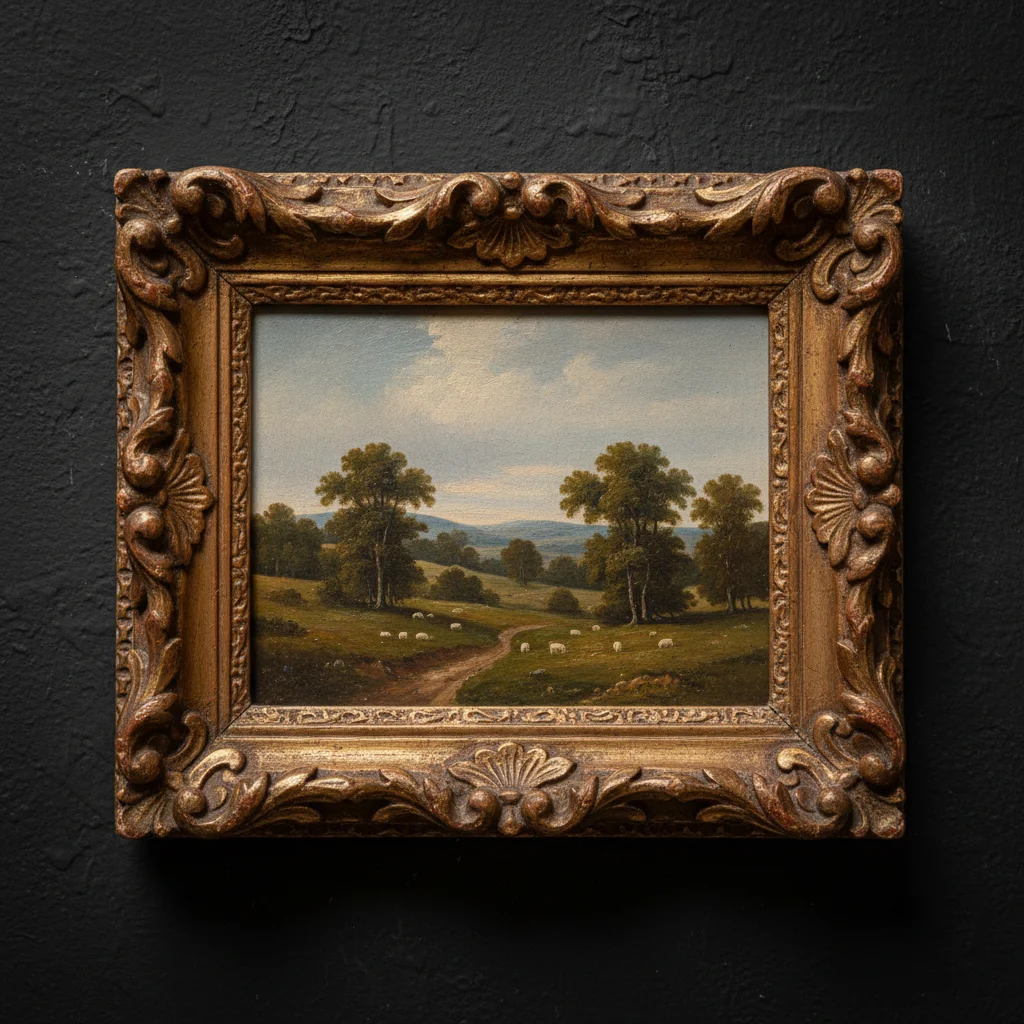
The world of collecting is vast, and the choice of direction for investment depends on personal interests, knowledge and budget. There are several classic categories that have proven their investment attractiveness for decades.
Each of these areas has its own specifics, entry threshold and growth potential. For example, numismatics and philately are accessible even with a small starting capital, while investments in Old Master paintings require serious investments and in-depth expertise.
The most popular and time-tested categories for investment collecting include:
- Numismatics (rare coins and banknotes)
- Philately (postage stamps)
- Art (painting, sculpture, graphics)
- Antiques (furniture, porcelain, silver)
- Rare books and manuscripts
- Vintage watches and jewelry
- Classic cars
- Collectible wines and whiskeys
When choosing a niche, it is important to focus not only on current trends, but also on your own interest. Deep immersion in the topic is the key to finding undervalued assets and making the right investment decisions.
Strategies for the Beginning Investor-Collector
For those who are just beginning their journey into the world of investment collecting, it is important to act consistently and deliberately. Chaotic purchases without a clear strategy most often lead to financial losses. Success largely depends on proper preparation and adherence to proven rules.
The first step is always education. Before investing money, you need to spend time studying the chosen niche: read books, visit museums, auctions and communicate with experienced collectors. Understanding the market will help distinguish a valuable item from an ordinary one.
To structure your actions, a novice investor is recommended to adhere to the following step-by-step strategy:
- Choose your niche. Focus on one narrow topic that you are genuinely interested in. This will allow you to study the subject in more depth and become an expert in it.
- Study the market. Analyze prices at auctions, follow transactions, study catalogs. Understand what forms the value of an item: rarity, condition, provenance.
- Start small. You should not immediately invest large sums. Start with small purchases to gain experience and test your knowledge in practice.
- Buy the best you can afford. In collecting, quality is always more important than quantity. It is better to have one excellent specimen than ten mediocre ones.
- Confirm authenticity. Never rely only on the seller's words. Every significant purchase should be accompanied by an independent expertise or certificate of authenticity.
Comments (0)
No comments yet. Be the first to share your thoughts!