
The History of Meissen: How a King's Obsession and an Alchemist in Prison Gave Europe Porcelain
In the heart of Dresden, in a historic palace that once belonged to the favorite of the Elector of Saxony, Augustus the Strong, the story of European porcelain begins. It was this monarch who financed the research that led to its discovery in Europe.
January 31, 2026
The Porcelain Obsession of Augustus the Strong
In the heart of Dresden, in a historic palace that once belonged to the favorite of the Elector of Saxony, Augustus the Strong, the story of European porcelain begins. It was this monarch who financed the research that led to its discovery in Europe.
Hundreds of years earlier, porcelain had been invented in China, and Europeans were literally obsessed with it. The leading European nations desperately tried to unravel the secret of its production, but to no avail. Ultimately, the secret was discovered in the small village of Meissen, near Dresden.
The Royal Palace in Dresden: A City Reborn from the Ashes
The favorite's palace, now a hotel, is connected by a special passageway to the main royal palace. This allowed the monarch to visit his beloved discreetly. Today, the inner courtyard of the royal palace is covered by an impressive modern glass dome.
Amazingly, almost the entire city of Dresden, including this palace, was completely destroyed by carpet bombing during World War II. The city literally rose from the ashes like a phoenix, and today its restored architecture is breathtaking, a triumph of the human spirit.
Passion for 'White Gold' and the 'Bleeding Bowl of Saxony'
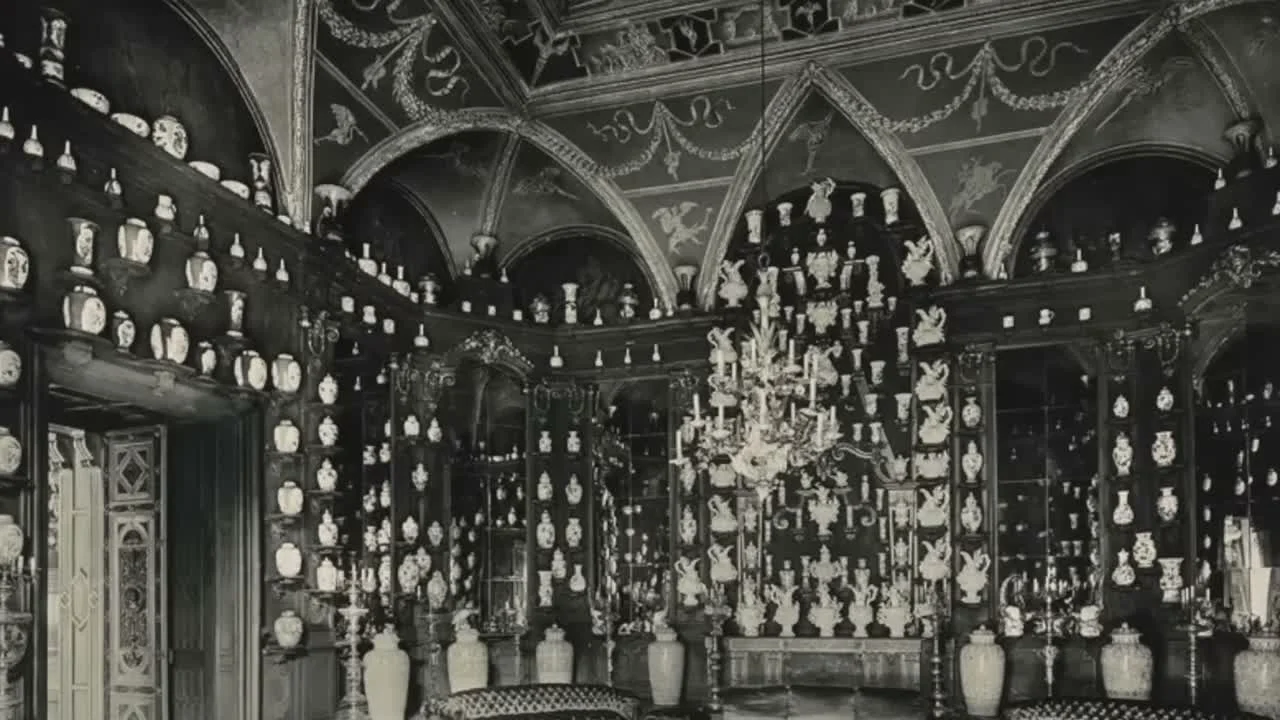
Augustus the Strong was a passionate collector and had a special 'porcelain cabinet' in his palace. His obsession was so great that in the first year of his reign alone, he spent the equivalent of a modern million euros on purchasing porcelain from the East.
In total, his collection numbered over 25,000 pieces of Chinese and Japanese porcelain. The enormous spending on 'white gold,' as porcelain was then called, drained the treasury. Augustus's chief minister even called the East the 'bleeding bowl of Saxony,' as money flowed there like a river. This created an urgent need to establish their own production.
The Golden Tea Service by Dinglinger
| Element | Material | Significance |
| Base | Gold, precious stones | Display of wealth and status |
| Cups | Gold, covered with enamel | Imitation of more valuable porcelain |
| Decor | Figurines, ornaments | Reflection of luxury and Baroque fashion |
One of the collection's treasures is an early tea service created by the court jeweler named Dinglinger. This service reflects the fashion of the time for exotic drinks: tea, coffee, and chocolate, which were just beginning to be imported from around the world.
The service demonstrates how valuable these drinks and porcelain itself were considered. It was so expensive that Dinglinger resorted to a trick: he made the cups from pure gold but coated them with enamel to make them look like porcelain. This highlights that porcelain was valued even more highly than gold at the time.
The Alchemist's Secret: From Gold to Porcelain
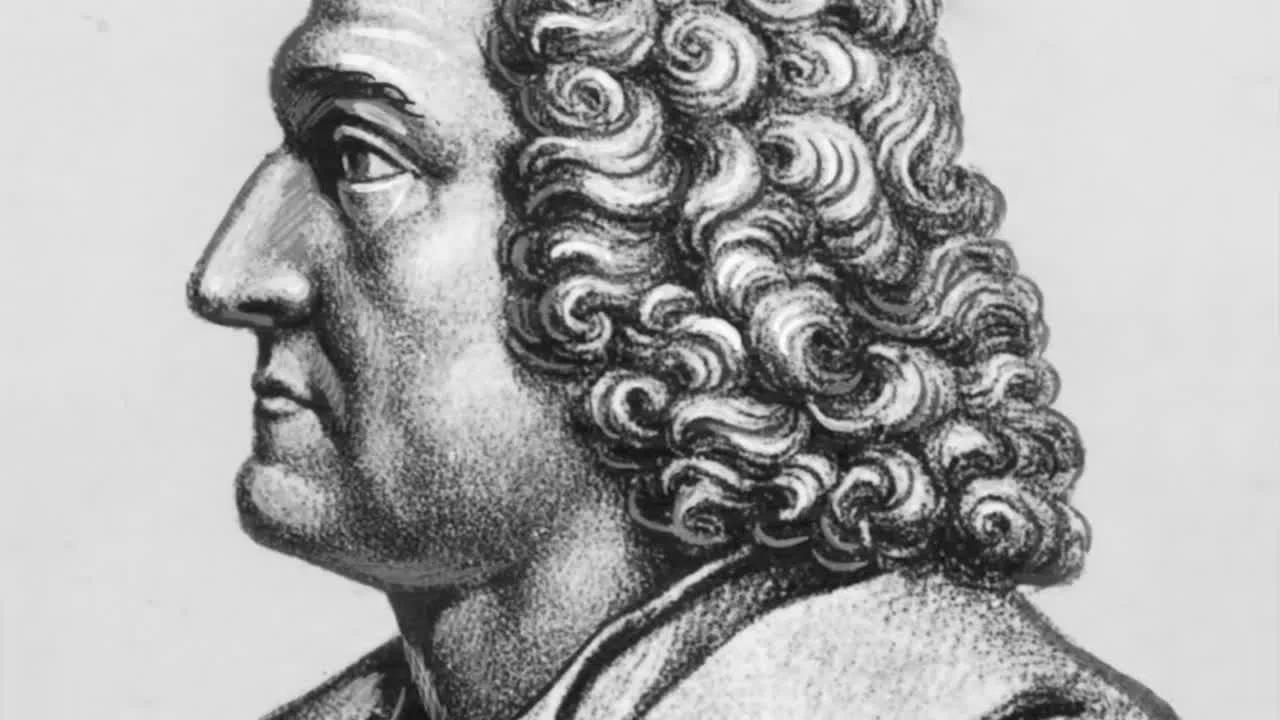
The story of European porcelain is inextricably linked to the young chemist Johann Friedrich Böttger. He was both a genius and an adventurer, claiming he could turn base metals into gold. In an era of constant wars, monarchs were desperate for money, which made alchemists highly sought after.
Rumors of Böttger reached Augustus the Strong, who immediately imprisoned him in a castle in Meissen with one demand: to create gold. After failing, Böttger was on the brink of death. However, one of the ministers suggested that the king redirect the alchemist's talents towards unraveling the secret of porcelain. Augustus, who adored porcelain, agreed.
The Birth of Meissen Porcelain
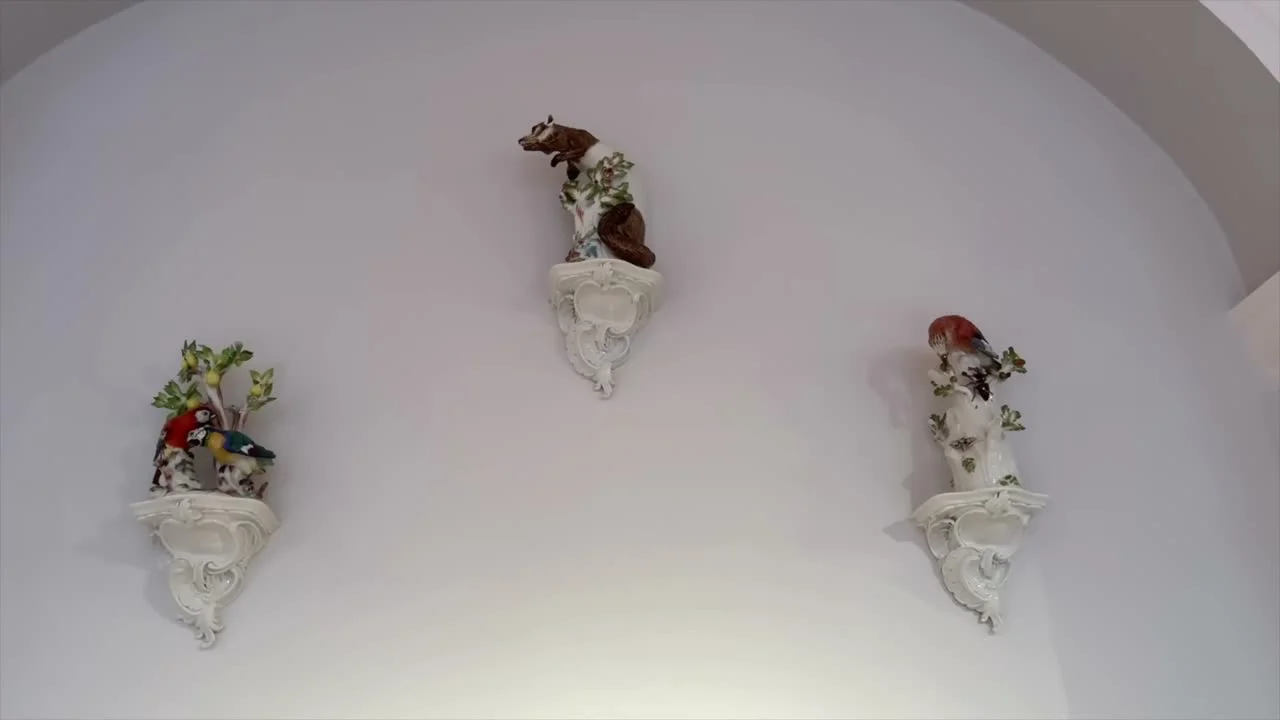
Under the threat of death, Böttger dedicated himself completely to the new task. Eventually, he made a breakthrough, finding the correct proportions of the key ingredients. Thus, European porcelain was born.
- Kaolin (white clay)
- Feldspar
- Quartz
This new material was a true marvel. Unlike silver cups that burned the hands, porcelain was an excellent insulator. It was strong, beautiful, and the colors on it did not fade over time. Böttger himself, however, was annoyed, writing on his laboratory door: 'God, the Creator, has turned a gold-maker into a potter.' But the irony was that porcelain at that time could be worth more than gold.
Famous Meissen Patterns
The first product of the Meissen manufactory, founded after Böttger's discovery, was a red stoneware. It was not a great commercial success at the Easter fair, and it took the factory about 10 years to become profitable. Today, an original teapot of that red stoneware can be worth up to £100,000.
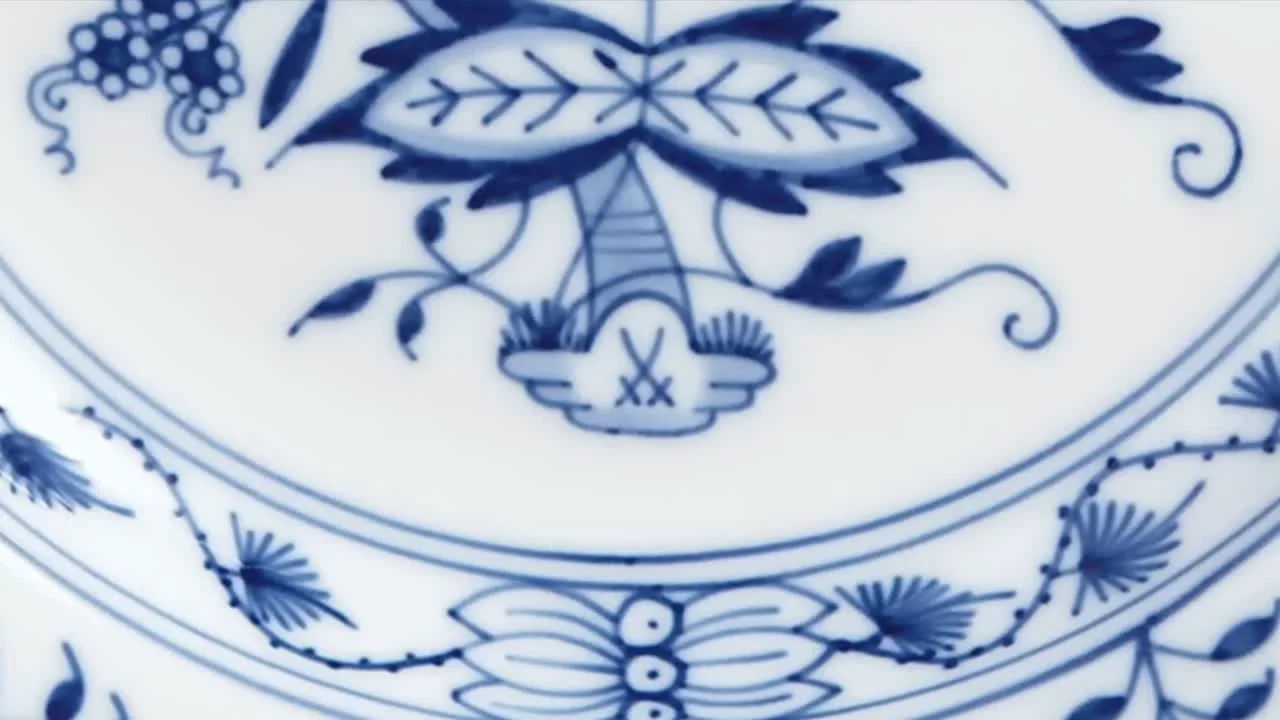
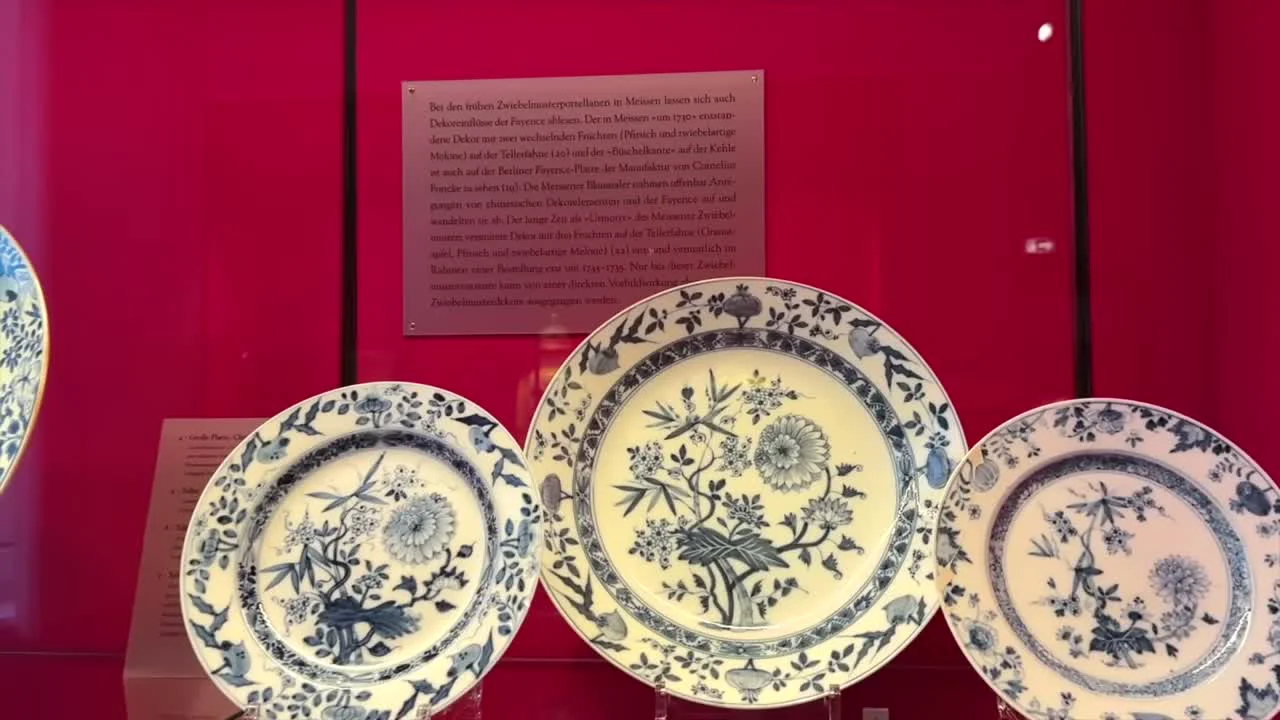
Soon, white porcelain was also perfected. One of the most recognizable designs became the 'Onion Pattern.' This name is the result of a European misunderstanding: the original Chinese pattern depicted pomegranates and peaches, but Europeans mistook them for onions. The name stuck, and the pattern became iconic.
The Art of Meissen: A Legacy of Craftsmanship
There is no assembly-line production at the Meissen factory. Each piece is created by hand from start to finish. The process is divided among different artisans: some sculpt the parts, others assemble them, and still others do the painting.
Painting is a separate art, involving underglaze and overglaze techniques. The skill of the artisans is astonishing. For example, creating a single hydrangea-shaped vase requires manually sculpting and attaching over 5,000 individual petals. This commitment to manual labor is what makes Meissen pieces so unique and valuable.

The Swan Service: A Masterpiece of Porcelain Art
One of the most famous Meissen services is the 'Swan Service.' It was made for one of the manufactory's directors who, taking advantage of his position in the 18th century, was able to order an entire dinner service for free.
- Relief images of swans swimming on water.
- Figurines of herons and fish.
- Elements in the shape of seashells.
Today, this service is produced entirely in white and remains one of the manufactory's most impressive creations, where every detail tells a story of life by the lake.
Singerie and Figurines: An Allegory of Human Frailties
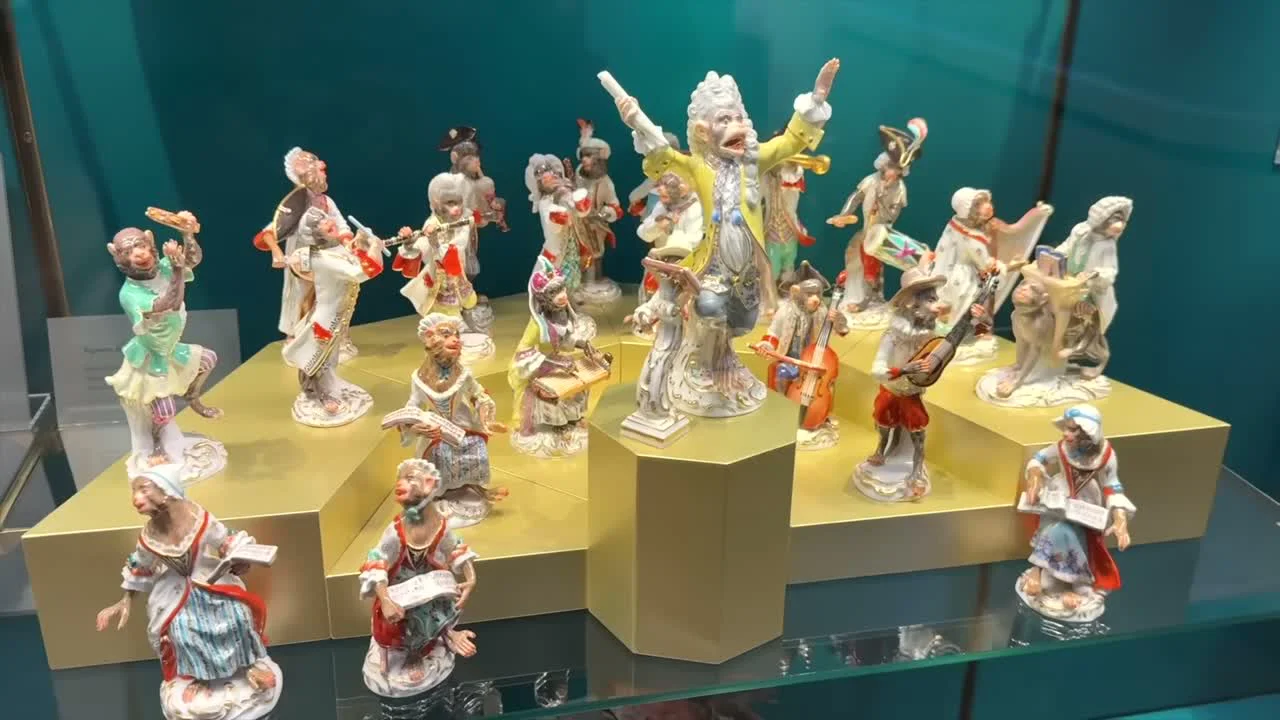
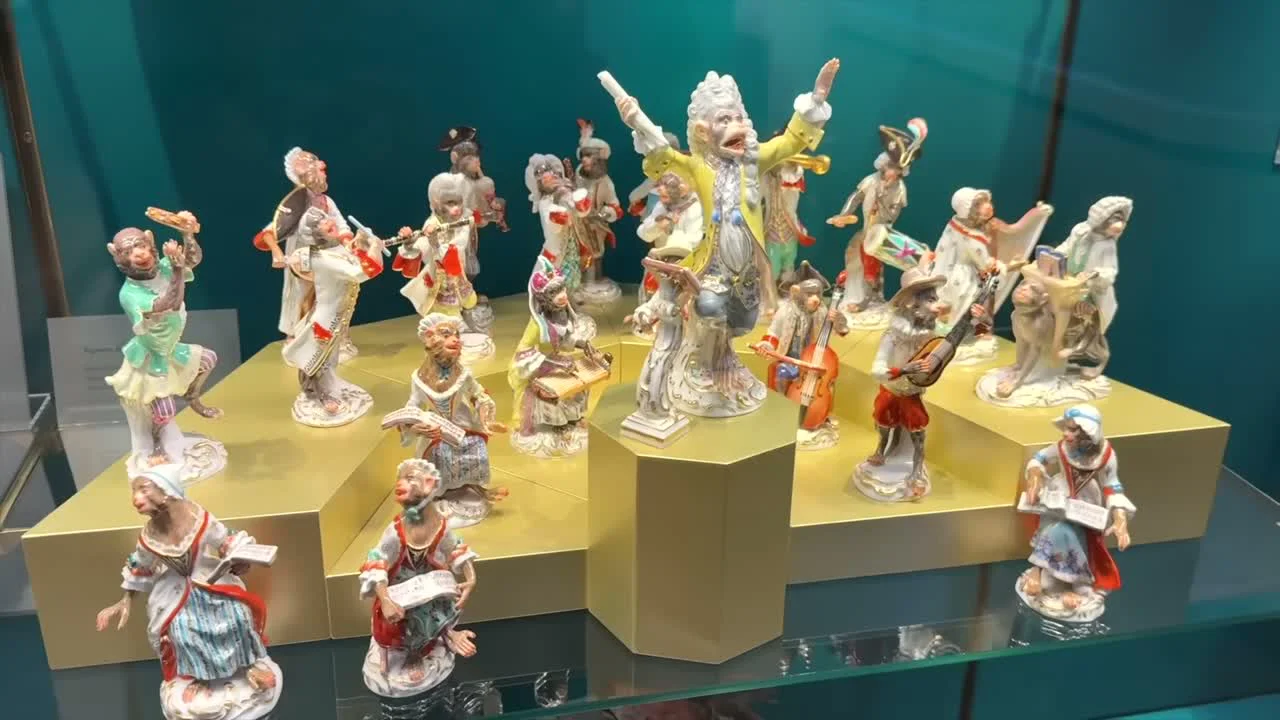
In the 18th century, the decorative style 'singerie' (from the French 'singe' for monkey) was popular, depicting monkeys in human clothing and situations. The Meissen manufactory became famous for its series of 'Monkey Orchestra' figurines.
These statuettes were not just amusing trinkets. They carried a satirical meaning, mocking 'human folly' and animal instincts. It was believed that within every person lay a hidden animal nature that sometimes takes over. These figurines served as a reminder to behave rationally or, conversely, not to take oneself too seriously.
Taschenbergpalais: From Royal Residence to Luxury Hotel
The Taschenbergpalais, where this story began, was built for the beloved favorite of Augustus the Strong. They were together for 11 years and had three children. However, when the king grew tired of her and took a new mistress, her fate turned tragic.
She tried to flee to Berlin with a contract in which the king had promised to marry her, but she was caught. She spent the rest of her life—50 years—imprisoned in a grim tower 15 km from Dresden.
Today, the palace is a hotel where one can live in truly royal luxury without fearing such a sad fate. Its famous Royal Suite consists of two parts—the 'king's' and the 'queen's'—each with its unique design, kitchen, and even a sauna.

Comments (0)
No comments yet. Be the first to share your thoughts!