
The Underbelly of the Antique Market: Why Pawnshops Pay So Little and How They Make Money?
PART 1. Why do pawnshops offer 10-20% of the real value of an item?
February 1, 2026
Edited by Administrator 2/1/2026
Indeed, when a person sees that a silver cigarette case, the "Troika", which they handed over for 7,000 rubles is displayed in a storefront for 35,000 rubles, they feel deceived. However, a detailed study of the economics of this business reveals that a high margin is not a whim, but the only survival model for offline stores in modern realities.
In this article, we will reveal the cards and calculate what the debit and credit of an ordinary St. Petersburg pawnshop actually consists of.
Expenses: What Does an Antiquarian Pay For?
The owner of the point does not put the entire difference between purchase and sale in his pocket. The lion's share of the profit is "eaten up" by fixed costs.
1. Golden Rent
Location is everything. The pawnshop should be located in a high-traffic area, near the metro or in the historical center. Such premises are expensive. A store that has been in the same place for years (like, for example, the legendary "Numismatics" on Vosstaniya in St. Petersburg) becomes a city landmark, but pays a high rent for this status.
Fact: In pre-COVID times, large networks opened micro-branches near metro stations to intercept traffic. The crisis of recent years has made this strategy unprofitable. Most points that do not own premises have closed.
2. Capital Freeze
Antiques are illiquid goods. A purchased vase can stand in a window for a year, two, or five years. All this time, the owner's money is "frozen" in a product that does not generate income, but requires security and accounting.
3. Lack of Staff
In order to reduce labor costs, most antique dealers today do not hire salespeople, but stand behind the counter themselves. This turns the business into self-employment without days off.
The Problem of "Brings": Where Did the Masterpieces Disappear To?
The profit of the pawnshop directly depends on what people bring in from the street. And here the situation has changed dramatically over the past 30 years.
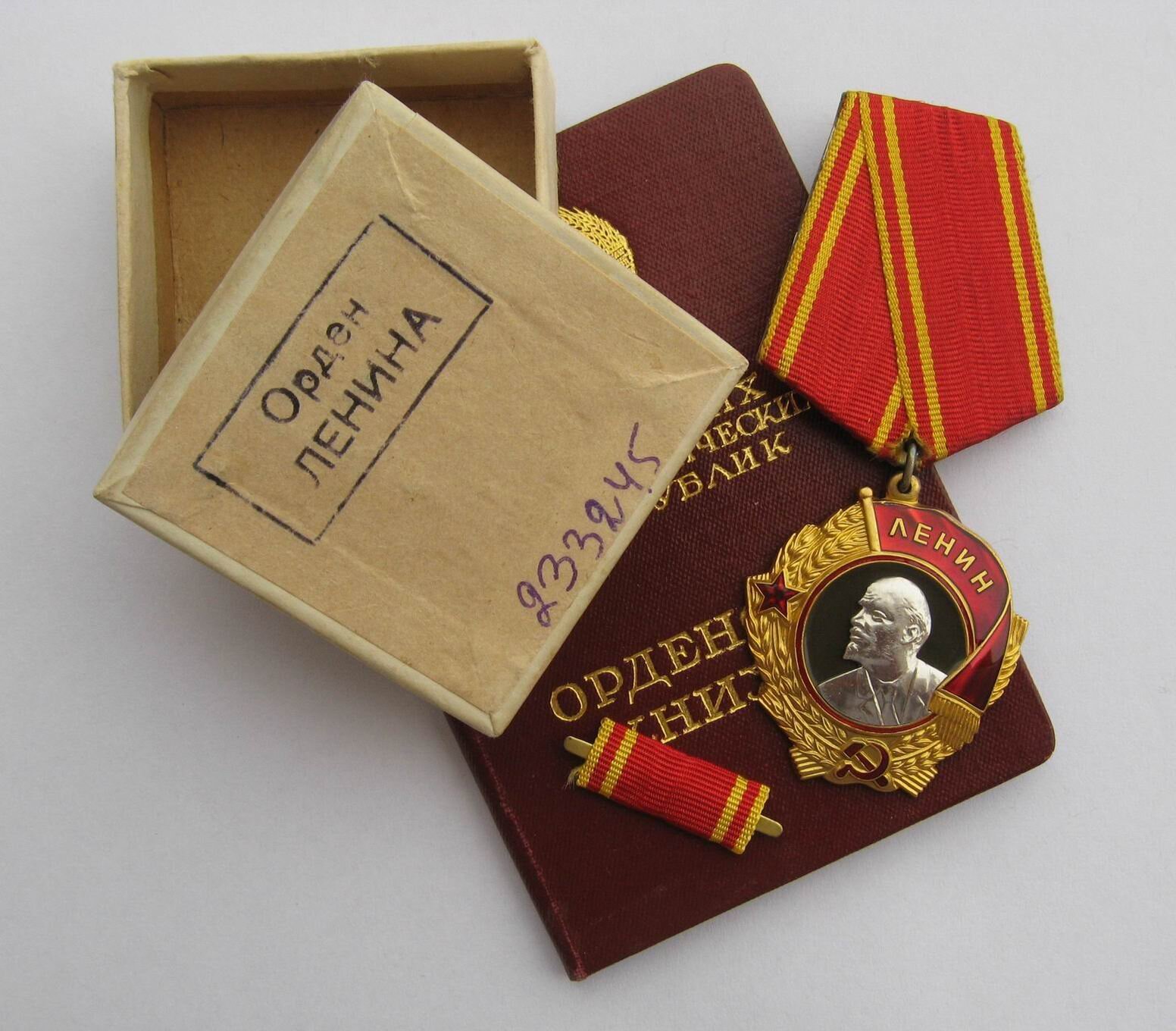
In the "dashing 90s," there were legends (based on real facts) about how buckets of platinum bas-reliefs of Lenin, roughly broken out of surrendered Orders, stood in the Sennoy market. People massively brought awards and silver just to buy food.
Today, the flow of unique things has dried up.
- What they bring now: 90% of "brings" are Soviet consumer goods, late porcelain, mass badges and outdated household items.
- Commercial interest: The market has no interest in such things. They have been hanging on online platforms for years and do not sell even for 100 rubles. It is simply unprofitable for the pawnshop to buy them even for 10% of the cost - they will become a dead weight.
Sales Channels: How an Antique Dealer Turns Goods into Money
If the pawnshop is still lucky enough to buy a worthwhile item, then the sales process follows. There are four ways:
- Offline sale: To a random passerby or tourist (rarely and for a long time).
- Own channels: A call to a familiar collector of a narrow topic ("Ivan Ivanovich, they brought a rare medal on your topic").
- Online platforms: Meshok, Avito, Bidburg.
- Auction houses: Surrender of an item for auction. We wrote in detail about why selling through an auction is more profitable than direct sales in this article.
Moral Side: Who is Deceiving Whom?
Pawnshop clients are most often people who received things by chance (inheritance, finding during repairs). In the era of the Internet, anyone can find out the approximate cost of an item in 5 minutes, but many do not want to spend time studying valuation guides.
The pawnshop offers a service: "Money here and now." The antique dealer takes on the risks:
- Risk of buying a fake.
- Risk that the item is stolen.
- Risk that the item will never sell.
For removing these risks from the seller, the pawnshop takes its commission of 50–70% of the market price. This is a tough but fair price for urgency and liquidity.
Conclusion
Today, antique stores "on the ground" evoke more sympathy than anger. With a minimal flow of quality material, they operate on the verge of profitability, preserving the very atmosphere of old St. Petersburg, where you can leaf through an album with coins and talk about history.
However, if you want not just to quickly hand over an item, but to assemble your own collection or invest profitably, the "going to pawnshops" strategy still works if you know the secrets.
Comments (0)
No comments yet. Be the first to share your thoughts!