
Inheritance from the Mezzanine: How to Profitably Sell Antiques and Avoid Being Deceived
A deceased relative's collection, a 'treasure' found under the wallpaper during renovations, items left behind by previous tenants in a communal apartment – this is a common situation in St. Petersburg and other historical cities. Truly rare items end up in the hands of people who are far from the world of art.
As a rule, the new owners do not plan to become collectors. Their goal is clear: to profitably sell the find in order to solve a housing problem or pay off loans. And it is at this stage that you are faced with the main danger — the risk of giving away a rarity for 5–10% of its real value.
In this article, we will analyze the main mistakes of beginners and create an algorithm for safe selling.
Mistake #1. The Pawnshop — A Graveyard of History
The first thought of a person who finds old silver or an icon is to go to the nearest pawnshop. Why this is bad: Pawnshops do not specialize in antiques. For them, a Fabergé silver cigarette case and an ordinary spoon are simply scrap metal.
- Result: You will get the price per gram of metal, losing up to 90% of the item's artistic value. An appraiser who does not understand the subject simply will not see the master's mark or the rarity of the execution.
Mistake #2. Buying and "Antique Shops"
The second popular option. There is slightly more chance here, but the specifics of the business are such: the purchase makes money on quick resale.
- Reality: You will be offered 10–20% of the market value. This is especially true for mass-produced items (Soviet porcelain, commemorative rubles).
- Nuance: If the receiver immediately offers you, at first glance, "big money" - do not rush to rejoice. Most likely, you have a unique item in your hands that is worth 10 times more.
Advice: If you still decide to sell the item to a buyer - bargain! Don't hesitate to name your price. And never sell an item at the first point. Go around at least 3–4 places.
Mistake #3. Collector's Clubs and "Flea Markets"
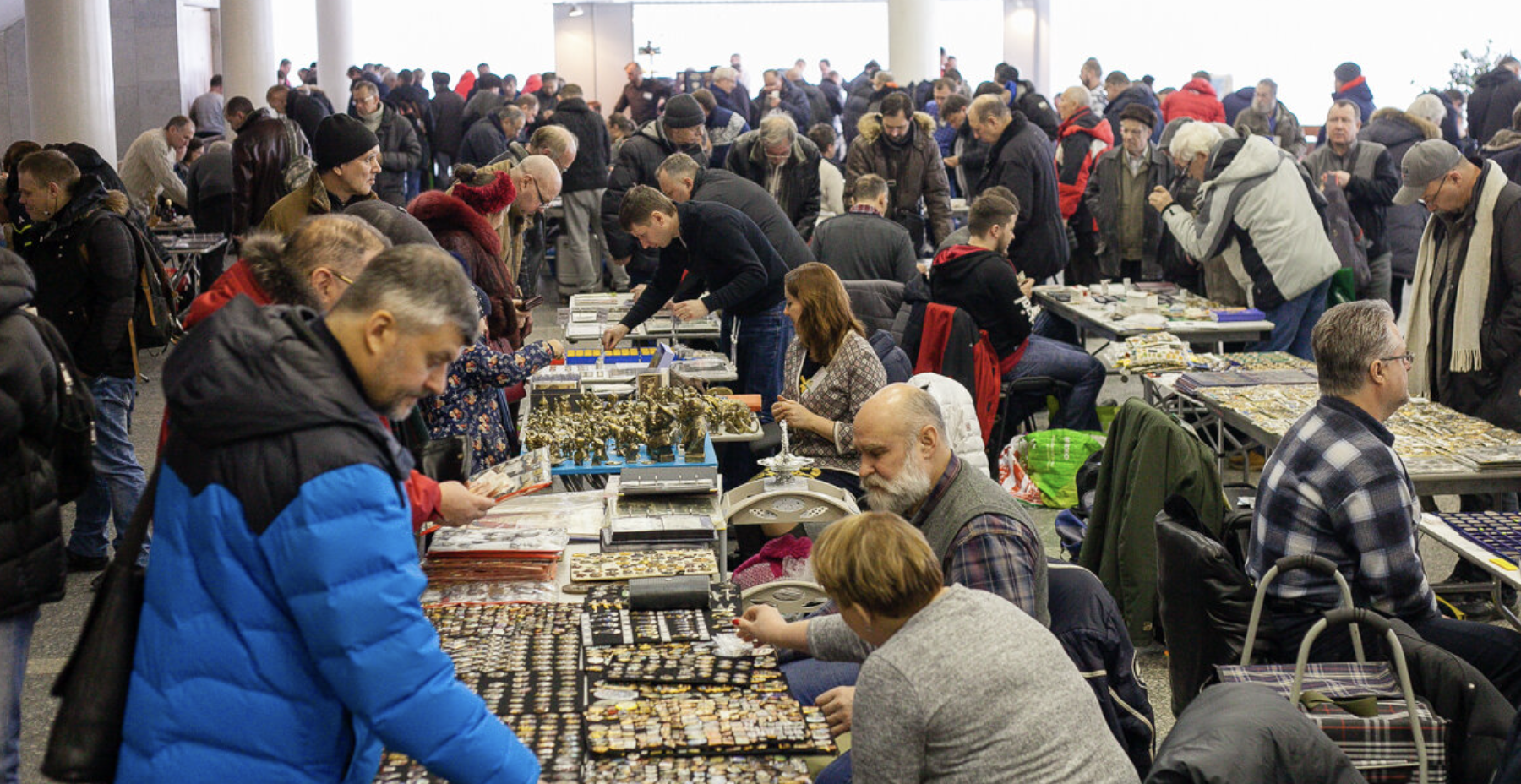
This is an option for the brave. Real fans of their craft gather in clubs, but a newcomer is detected there instantly.
A real case from practice:
At one of the collectors' meetings, an heir sold an album with lottery tickets from the early USSR. Local dealers took it "wholesale" for an amount that was less than the cost of one rare ticket from this collection. Later, this collection was sold at a professional auction for hundreds of times more.
Important: It makes sense to sell inexpensive, mass-produced items in clubs. If you have a rarity, there is a high risk of running into a collective conspiracy of resellers.
Avito and Classifieds
It would seem to be the easiest way. But professional collectors rarely look for serious items on Avito due to the huge number of fakes and scammers.
- If you put a unique item up for cheap, it will be instantly bought by a reseller (see the point about purchases).
- If you put it up for expensive (at market price) - without a seller's reputation, they will simply be afraid to buy it from you.
The only right way: Auction
The sixth and, unfortunately, often ignored option for beginners is a specialized auction. Many are afraid of the word "auction", imagining complex procedures and commissions.
Yes, the auction site charges a commission (usually 15–20%). But simple arithmetic proves the benefit of this method.
Example from 10 years of practice:
- You bring an item to the purchase. You are given 20,000 rubles "here and now."
- You put the item up for auction starting at 50,000 rubles.
- Thanks to the competition of collectors, the price accelerates to 100,000 rubles.
- We subtract the commission (let's say 20%): 100,000 - 20,000 = 80,000 rubles.
Result: You receive 4 times more in your hands than in the purchase, even taking into account the commission.
There are cases when real battles unfold for unremarkable items at auctions, and the price soars to inexplicable heights. Such a scenario is impossible in a buyout — the price is fixed by the opinion of one person.
Algorithm of actions: What to do if you found a "treasure"?
If an unfamiliar antique item falls into your hands, do not rush to look for a buyer. Follow this plan:
Step 1. Preliminary reconnaissance (Attribution)
Try to understand what exactly you have in your hands. Use image search, specialized forums, or modern online catalogs with AI search (such as [Название вашего сайта]).
- Task: Find similar passages at auctions. If a similar item was sold, look at the final price.
Step 2. Condition assessment (Grading)
This is critical for numismatics and bonistics.
- A Nicholas II ruble in "from the wallet" (F/VF) condition can cost 2,000 rubles.
- The same ruble in mint luster (UNC) can go for 35,000 rubles. Don't try to clean coins or restore items yourself — you can kill their value!
Step 3. Filtering "Wants"
If there are ten similar figurines on Avito for 50,000 rubles - this does not mean that they are worth that much. This means that no one buys them for that price. Focus only on the archive of completed trades (real sales).
Step 4. Choosing a place of sale
- Scenario A: Mass item. (Ordinary Soviet coins, simple dishes, postcards). An auction may not be profitable due to commission and logistics. Solution: Take it to a collectors' club or put it up on a bulletin board.
- Scenario B: Investment coins (Gold/Silver). The main value is the weight of the metal. Solution: Compare the price of metal on the exchange with the purchase offer. Sometimes it is more profitable to sell directly than to pay an auction commission.
- Scenario C: Unique item or collection. (Rare banknotes, awards, high-quality painting, a complete album of coins). Solution: Ignore resellers. We only go to a specialized auction or put the lot up on a trusted online platform.
Conclusion
Audience and targeted traffic in the 21st century are expensive. Auctions and large online platforms accumulate thousands of serious collectors who are willing to pay the market price. Don't let random passers-by deceive you — entrust the sale to a professional system.
Comments (0)
No comments yet. Be the first to share your thoughts!