
Russian Porcelain: Factories, Marks, and Prices
The history of Russian porcelain began in the mid-18th century when scientist Dmitry Vinogradov discovered the secret to producing 'white gold.' In 1744, by decree of Empress Elizabeth Petrovna, the Porcelain Manufactory was founded in St. Petersburg, which would later become the famous Imperial Porcelain Factory (IPF).
January 30, 2026
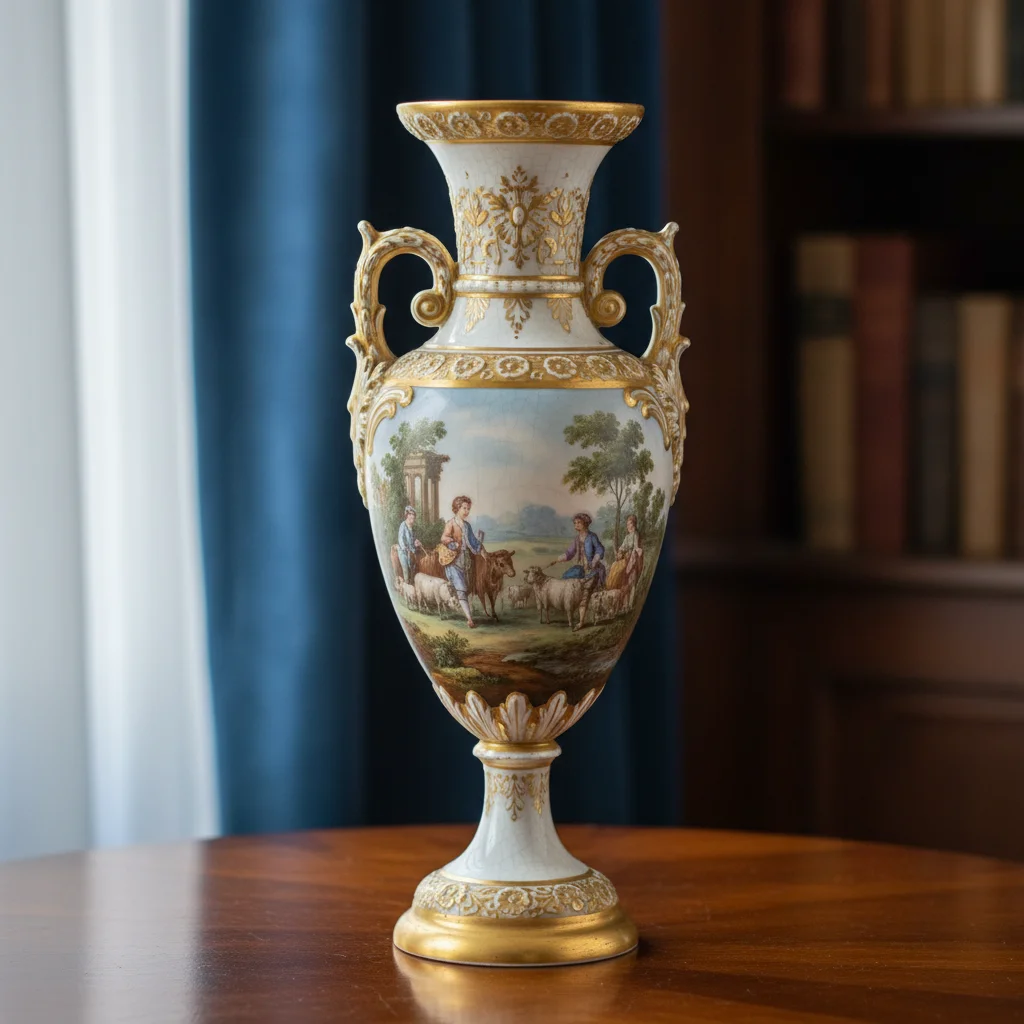
The Birth of Russian Porcelain: From Imperial Commissions to the Present Day
The history of Russian porcelain began in the mid-18th century when scientist Dmitry Vinogradov discovered the secret to producing 'white gold.' In 1744, by decree of Empress Elizabeth Petrovna, the Porcelain Manufactory was founded in St. Petersburg, which would later become the famous Imperial Porcelain Factory (IPF).
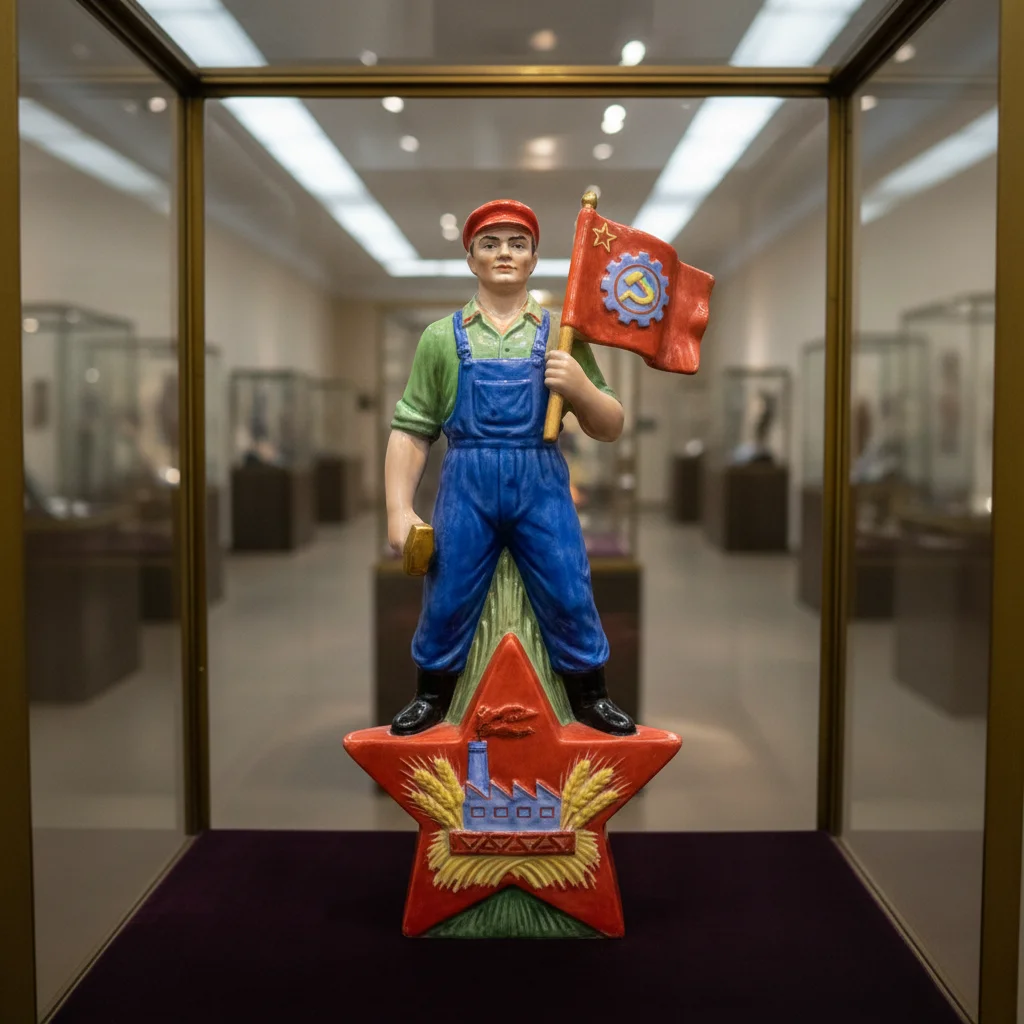
The peak of production occurred during the era of Catherine the Great, when luxurious dinner services were created for the imperial court, astounding in their magnificence and quality. After the revolution, the factories were nationalized, and porcelain became a tool of propaganda. This is how the famous agitprop porcelain with Soviet symbols and slogans emerged.
Today, the traditions of Russian porcelain continue to thrive. Leading factories are reviving ancient techniques and creating new collections, ensuring that interest in collecting Russian porcelain remains strong both in Russia and abroad.
Leading Porcelain Factories of Russia
| Factory | Year Founded | Key Features |
| Imperial Porcelain Factory (LFZ) | 1744 | Bone china, the famous 'cobalt net' pattern, highest quality, state dinner services. |
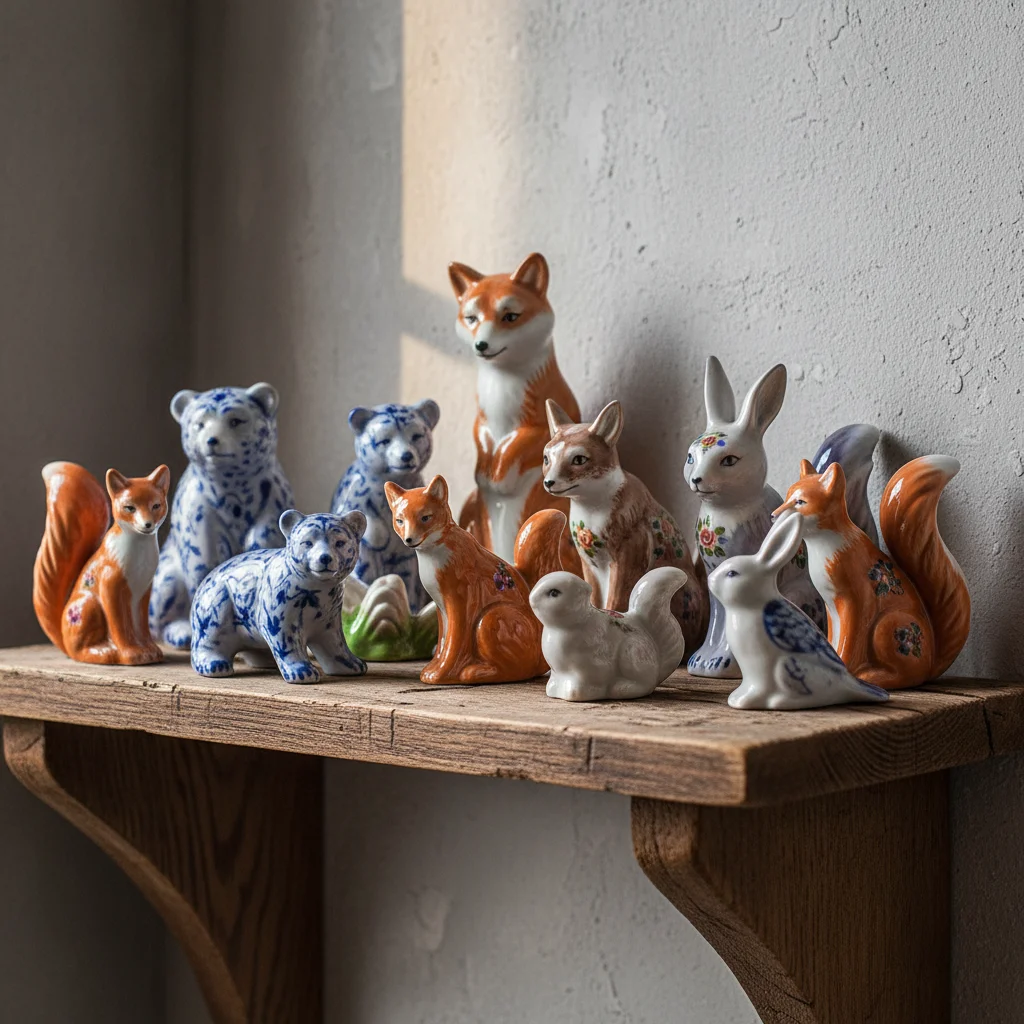
| Verbilki Porcelain (formerly Gardner Factory) | 1766 | The first private factory in Russia. Classic forms, animalistic sculptures, high-quality painting. |
| Dulevo Porcelain Factory | 1832 | Bright, distinctive painting, the so-called 'agashkas.' Mass production, accessible to the general population. |
| Gzhel Porcelain Factory | 1818 | Famous blue underglaze painting on a white background. Traditional floral and narrative motifs. |
The legacy of Russian porcelain was created by the work of masters at numerous factories, but a few of them became true legends whose products are valued by collectors worldwide. Each factory has its own unique style and history, reflected in its products.
Key manufacturers have left an indelible mark on the history of decorative and applied arts. Their products are recognizable and are a source of pride in many collections.
Knowing the specifics of each factory is the first step toward learning to understand Russian porcelain and distinguish between the products of different manufactories.
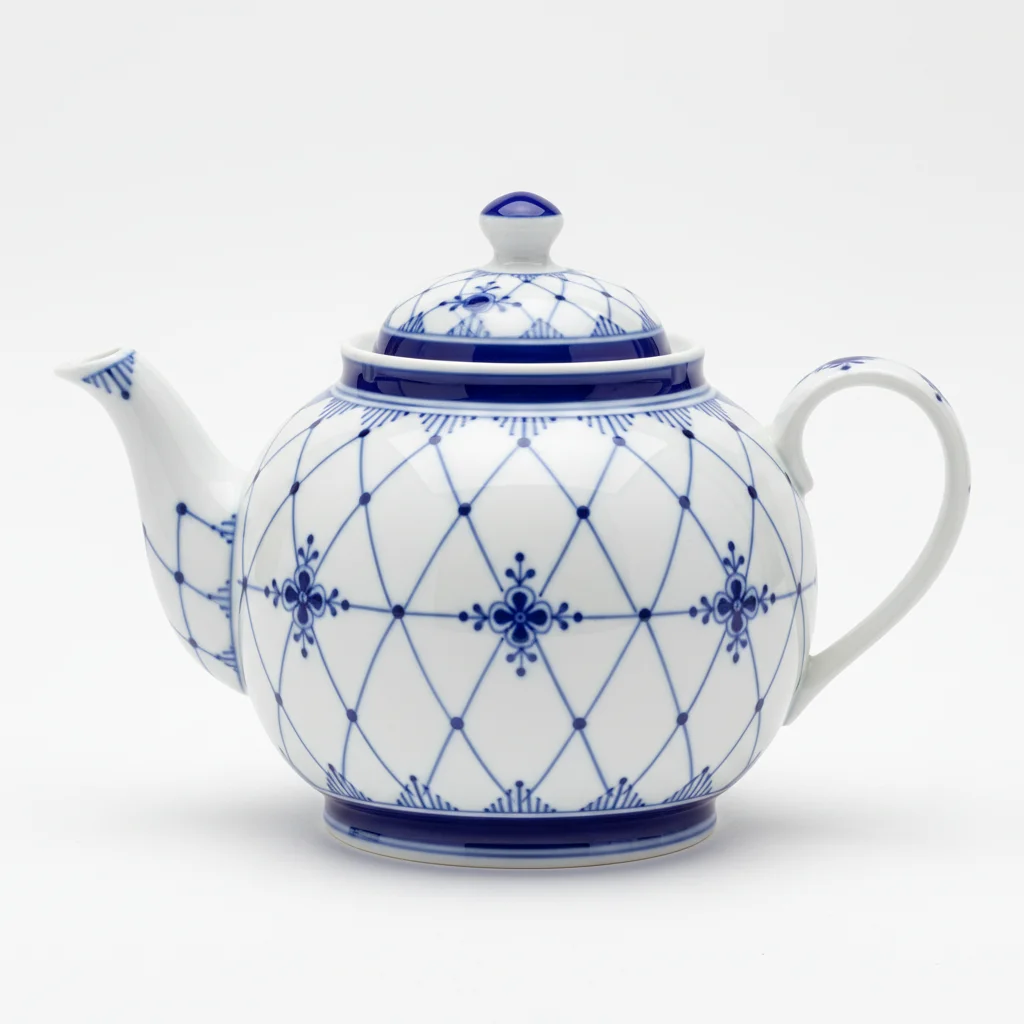
Marks and Markings: The Key to Identification
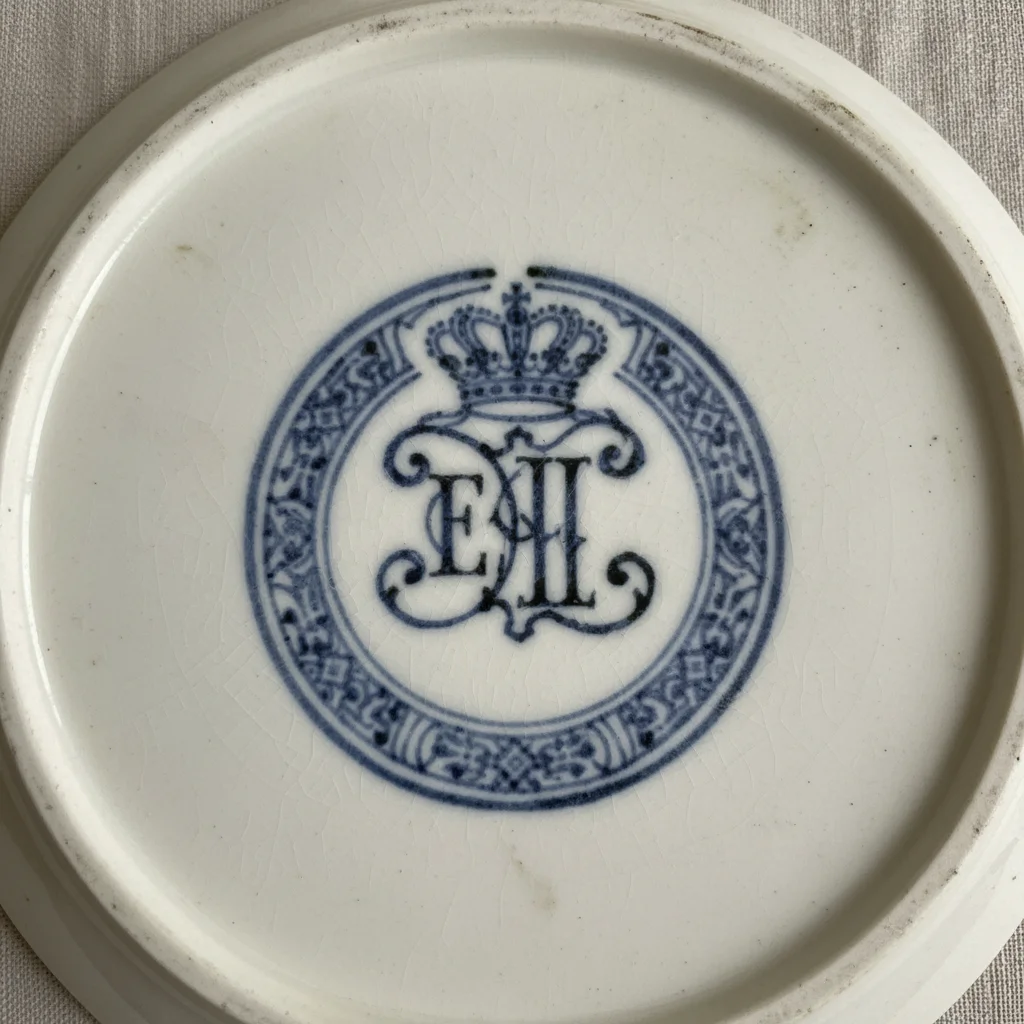
The mark on the bottom of a porcelain piece is its passport. It can tell you about the manufacturer, the time of creation, and even the quality of the item. The ability to read these marks is one of the most important skills for any collector.
Marks changed over time, reflecting the change of eras and factory owners. For example, the marks of the Imperial Factory in different periods included the monograms of reigning monarchs (Elizabeth, Catherine II, Paul I, etc.), then in the Soviet era, the hammer and sickle appeared, and later — the abbreviation LFZ.
- Red color — highest grade.
- Blue color — 1st grade.
- Green color — 2nd grade.
- Brown or black — 3rd grade.
Before buying, always carefully examine the mark. A blurry, smudged, or non-cataloged mark may indicate a fake or a lower-quality item.
Valuation: What Determines the Price of Porcelain
The value of antique porcelain can range from a few hundred rubles to tens of thousands of dollars. Pricing depends on many factors, and understanding them will help you adequately assess an item and avoid overpaying.
Experienced collectors and dealers always analyze the aggregate of an item's characteristics when appraising it. It is important to remember that the price of USSR and imperial period porcelain is formed differently, but the key principles remain similar.
- Manufacturer and period. Items from the pre-revolutionary Imperial Porcelain Factory, as well as early agitprop porcelain, are particularly highly valued.
- Rarity and edition size. Unique artist works, limited edition series, or items issued for commemorative dates are always more expensive than mass-produced products.
- Condition. Perfect condition without chips, cracks, worn gilding, and especially without restoration, guarantees a high price.
- Artistic value. The complexity and quality of the painting, the name of the artist or sculptor can increase the value of an item many times over.
- Provenance. The history of ownership of the item, its connection to a famous person or collection, also increases its value.
Advice for the Beginner Collector
Collecting porcelain is a fascinating hobby that can also become a profitable investment. However, to avoid disappointment and mistakes, a beginner collector should follow a few simple rules.
A systematic approach and continuous self-education will help you build an interesting and valuable collection that will bring you joy for years to come. Do not rush into purchases and always carefully check each item.
- Decide on a theme. Don't try to collect everything. Choose one direction: the products of a specific factory, a certain period (e.g., the 1920s-30s), or a theme (animal figures, fairy tale characters, sports).
- Study the subject matter. Read books, catalogs of marks, visit museums and antique fairs. The more you know, the harder it is to be deceived.
- Pay attention to the condition. It is better to buy one item in perfect condition than several with defects. Chips and cracks can reduce the value of an item by 50-90%.
- Buy from reputable sellers. Go to trusted antique shops or auctions with a good reputation. Be careful when buying from online flea markets.
- Don't be afraid to ask. Consult with more experienced collectors or expert appraisers if you have doubts about the authenticity or value of an item.
Comments (0)
No comments yet. Be the first to share your thoughts!
Related Lots
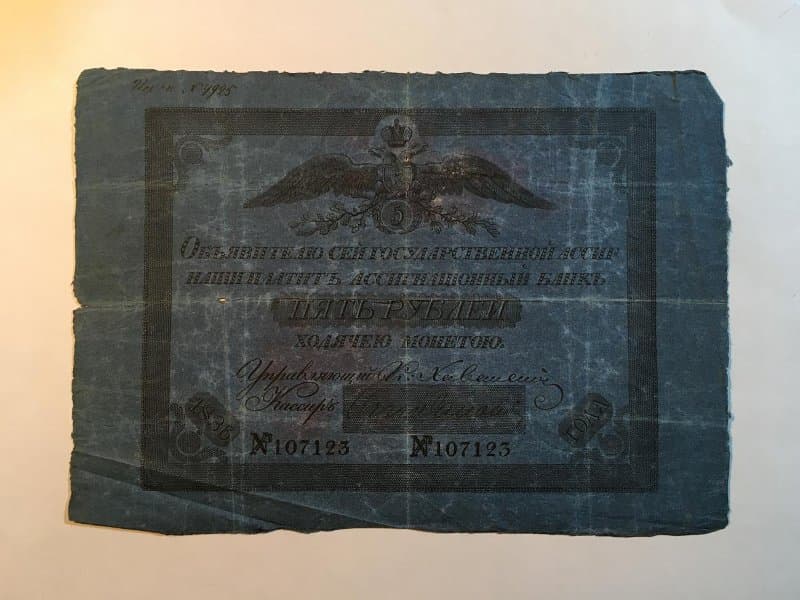
Государственная ассигнация 5 руб. (цвет синий).
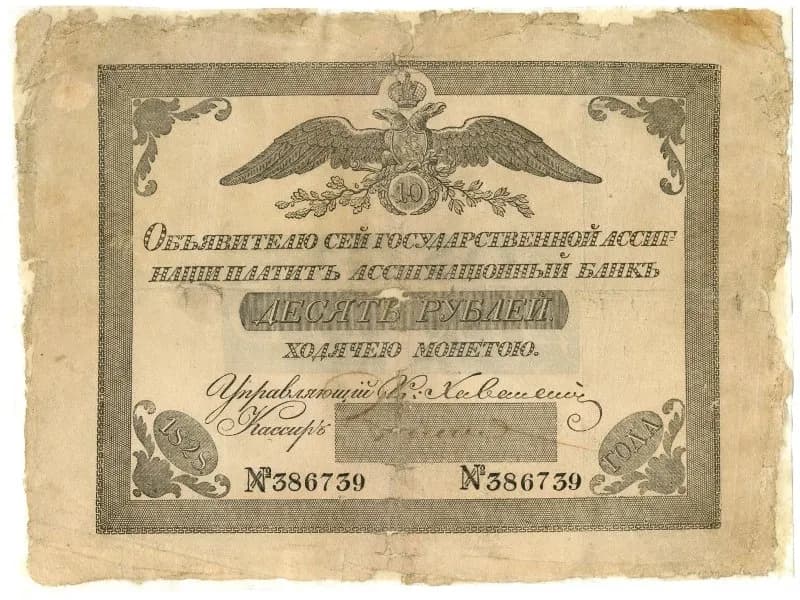
Ассигнация. Николай I (1825-1855). 10 рублей.
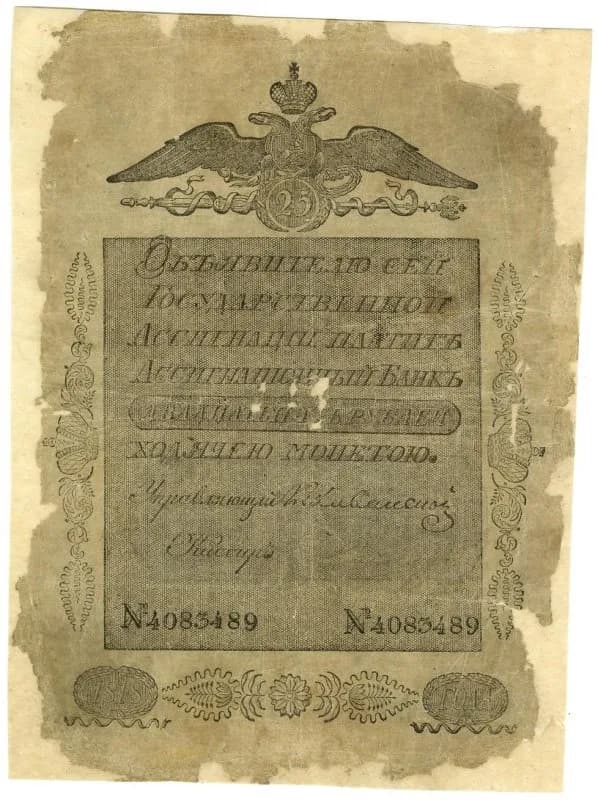
Ассигнация. Александр I (1801-1825). 25 рублей.
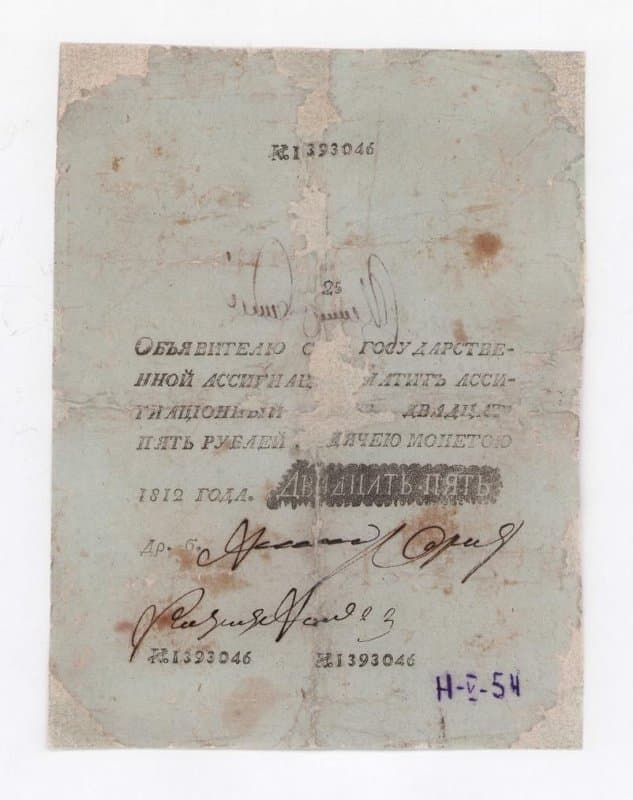
Российская Империя Ассигнация 25 рублей, 1812 (Период 1786-1819)
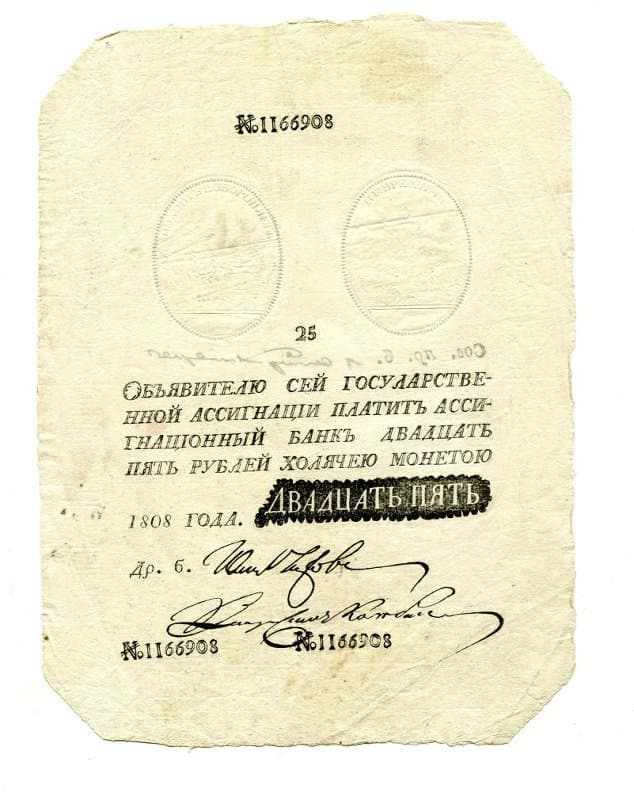
Российская Империя Ассигнация 25 рублей, 1808 (Период 1786-1819)
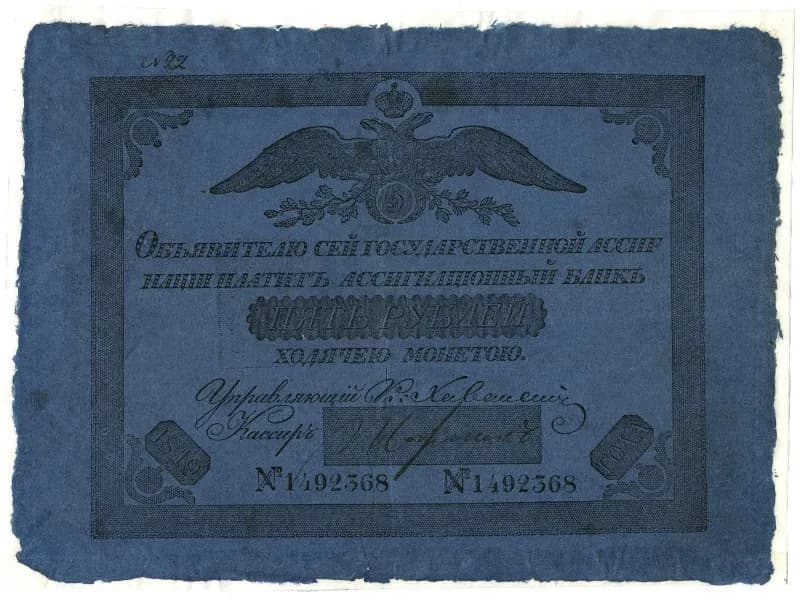
Ассигнация. Александр I (1801-1825). 5 рублей.
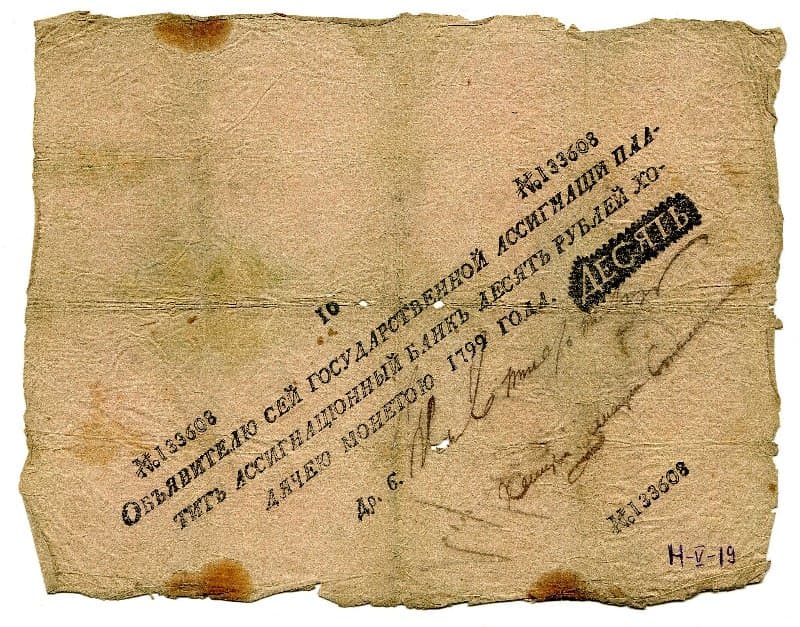
Российская Империя Ассигнация 10 рублей, 1799 (Период 1786-1819)
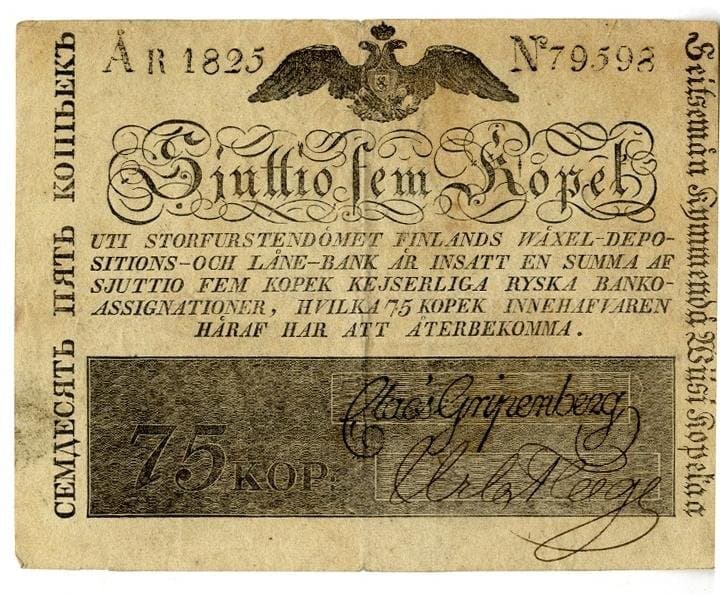
Российская Империя Ассигнация 75 копеек, 1825 (Выпуск для Великого Княжества Финляндского)
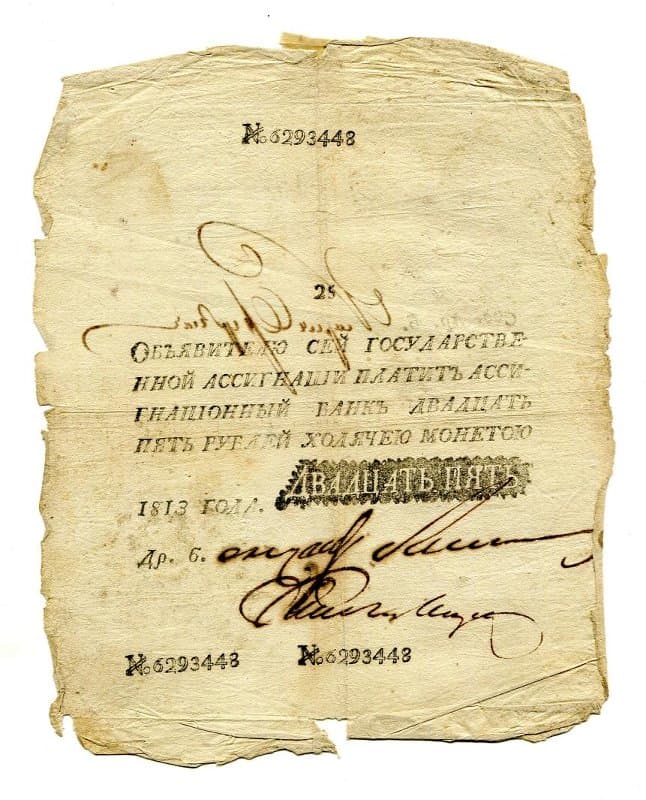
Российская Империя Ассигнация 25 рублей, 1813 (Период 1786-1819)
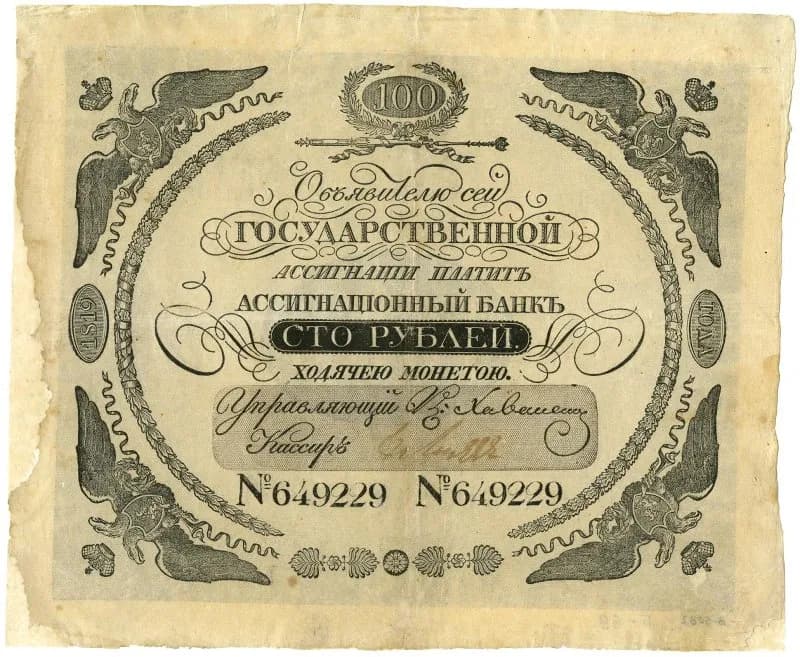
Ассигнация. Александр I (1801-1825). 100 рублей.
Similar Articles
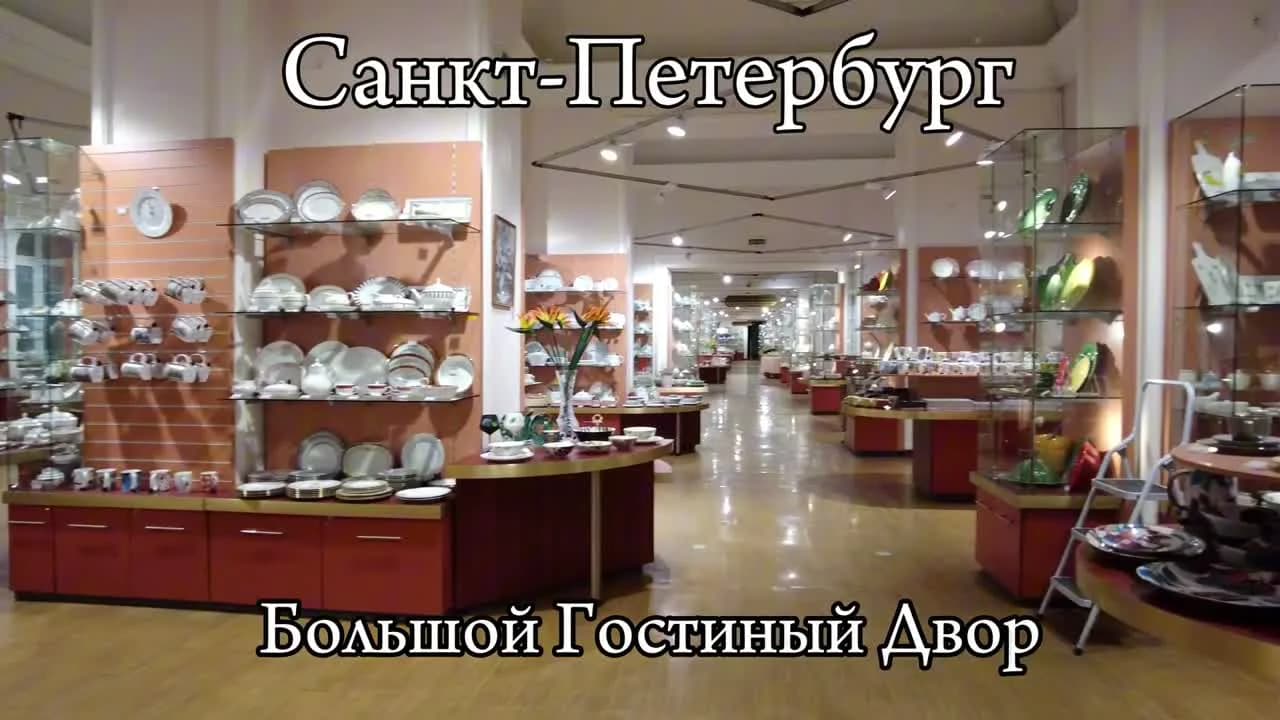
Imperial Porcelain Factory Assortment: A Review of the St. Petersburg Store
Alexander Volkov
Russian Coins of the 19th and Early 20th Centuries: What's in Demand
Alexander Volkov
Rare Coins of the Russian Empire: An Overview by Period
Alexander Volkov
Coins and Banknotes of the Russian Civil War: A Collectible Niche
Alexander Volkov
The Gangut Ruble: The Last Commemorative Coin of the Russian Empire
Alexander Volkov