
Rare Coins of the Russian Empire: An Overview by Period
The reign of Peter I was marked by a radical monetary reform that laid the foundations of the Russian Empire's monetary system for two centuries to come. It was during this period that the decimal system was introduced, and the first copper kopeks, silver rubles, and European-style gold chervonets appeared. These innovations completely transformed the country's monetary circulation.
January 30, 2026
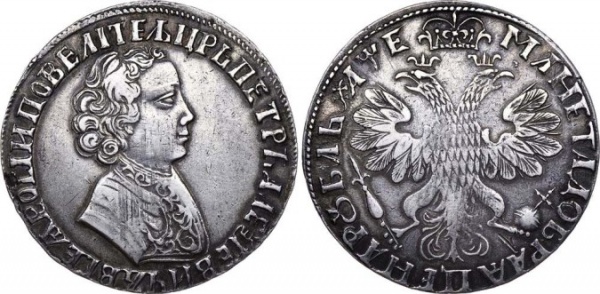
The Period of Peter I: The Birth of the Imperial Coin
The reign of Peter I was marked by a radical monetary reform that laid the foundations of the Russian Empire's monetary system for two centuries to come. It was during this period that the decimal system was introduced, and the first copper kopeks, silver rubles, and European-style gold chervonets appeared. These innovations completely transformed the country's monetary circulation.
The rare coins of this time primarily include trial pieces and coins from the first years of mintage. Of particular interest to collectors are the first silver rubles of 1704, which still retained some archaic features in their design but already bore the emperor's portrait. Gold coins are also highly valued, especially the two-ruble pieces, which were issued in limited mintages.
- Year of issue (the first years of the reform are especially valuable).
- Type of coin (trial coins, donative issues).
- Mint (some mints operated for a short time, and their products are rare).
- Condition of the specimen.
Palace Coups and Numismatic Rarities of the 18th Century
The era after Peter I, marked by frequent changes of rulers, left behind many numismatic mysteries and rarities. Coins of short-reigning emperors, such as Peter II or Ivan Antonovich, automatically became rare due to their short mintage period. For example, coins with the monogram of Ivan Antonovich were mass-withdrawn from circulation and melted down after his overthrow, making the surviving specimens extremely valuable.
One of the most famous rarities of this period is the 1730 ruble, known as 'Anna with a Chain.' This coin was issued to commemorate the accession to the throne of Anna Ioannovna and is distinguished by its high artistic quality. The obverse depicts the profile of the Empress, and the reverse shows a double-headed eagle surrounded by the chain of the Order of St. Andrew the First-Called. Only a few specimens of this coin are known to exist.
During the reigns of Elizabeth Petrovna and Catherine II, many beautiful and large coins were minted, but there are rarities among them as well. For example, the giant copper Sestroretsk Ruble from the time of Catherine II, which never entered mass circulation, or the gold coins of Elizabeth with the St. Petersburg mint mark.
The Mystery of the Konstantinovsky Ruble and Platinum Coins
The first half of the 19th century gave the numismatic world one of its greatest mysteries—the 'Konstantinovsky Ruble.' This trial coin was minted in 1825 during the interregnum following the death of Alexander I. It was assumed that his brother, Constantine Pavlovich, would take the throne, and the mint hastily prepared dies to strike a ruble with his profile.
However, Constantine abdicated the throne in favor of his younger brother, Nicholas. The entire mintage of the trial coins was kept strictly secret and hidden away. Today, only a few specimens are known to exist; they are the jewels of any numismatic collection and reach record sums at auctions. Their history is shrouded in mystery and still provokes debate among historians.
Another numismatic feature of the reign of Nicholas I was the issuance of platinum coins. Russia was the only country in the world where platinum was used for regular coinage. Coins with denominations of 3, 6, and 12 rubles were issued. Due to difficulties in processing the metal and its low popularity among the population, the mintage was discontinued, and the surviving specimens became numismatic rarities.
The Gold Standard and the Last Coins of the Empire
| Type of Rare Coin | Period | Feature |
| Imperial (10 rubles) 1895-1897 | Nicholas II | Transitional coin before Witte's reform |
| 25 rubles (Two and a half imperials) 1896 and 1908 | Nicholas II | Donative (presentation) coins, extremely low mintage |
| Commemorative ruble of 1913 '300th Anniversary of the Romanov Dynasty' | Nicholas II | Mass issue, but specimens in perfect condition are rare |
| 'Reichel's' Polupoltina 1895 | Nicholas II | Trial coin with an unusual design |
The late 19th and early 20th centuries—the reigns of Alexander III and Nicholas II—are characterized by the transition to the gold standard and the active minting of gold coins. During this period, large denominations such as imperials and half-imperials were issued, as well as coins of non-standard denominations—7.5 rubles and 15 rubles.
Despite the mass mintages of many coins, this period also has its rarities. These include coins issued in small quantities or having specific features. For example, the gold 5 rubles of 1906 or the 10 rubles of 1911 with rare mintmaster's initials.
Commemorative and donative coins hold a special place. For the coronation of Nicholas II, large gold coins with a denomination of 25 rubles were issued. Commemorative rubles dedicated to important historical events, such as the unveiling of monuments or anniversaries, are also valued. These coins conclude the history of imperial numismatics, which came to an end with the events of 1917.
Comments (0)
No comments yet. Be the first to share your thoughts!
Related Lots
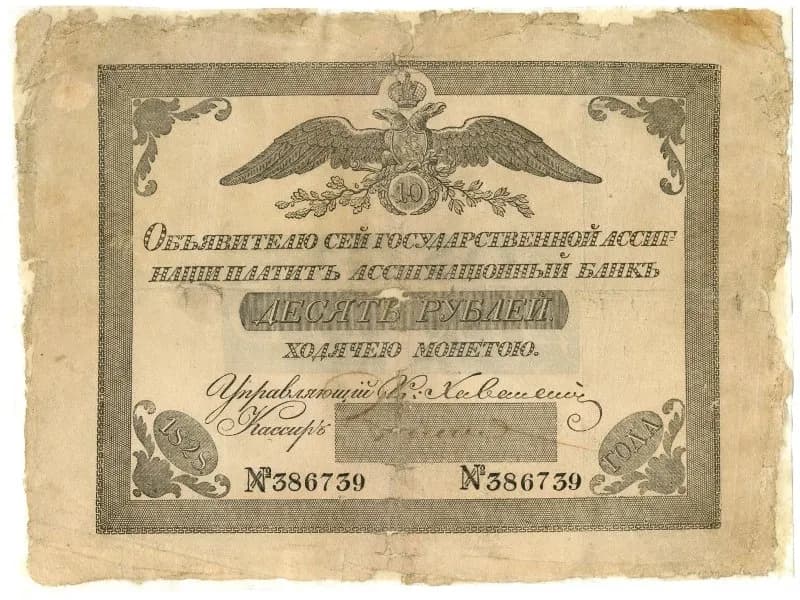
Ассигнация. Николай I (1825-1855). 10 рублей.
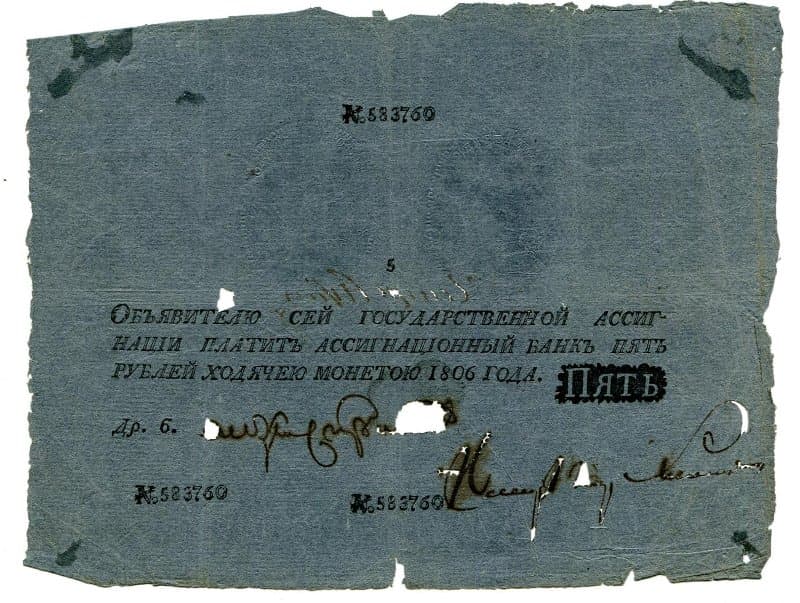
Государственная ассигнация. 5 рублей. № 583760
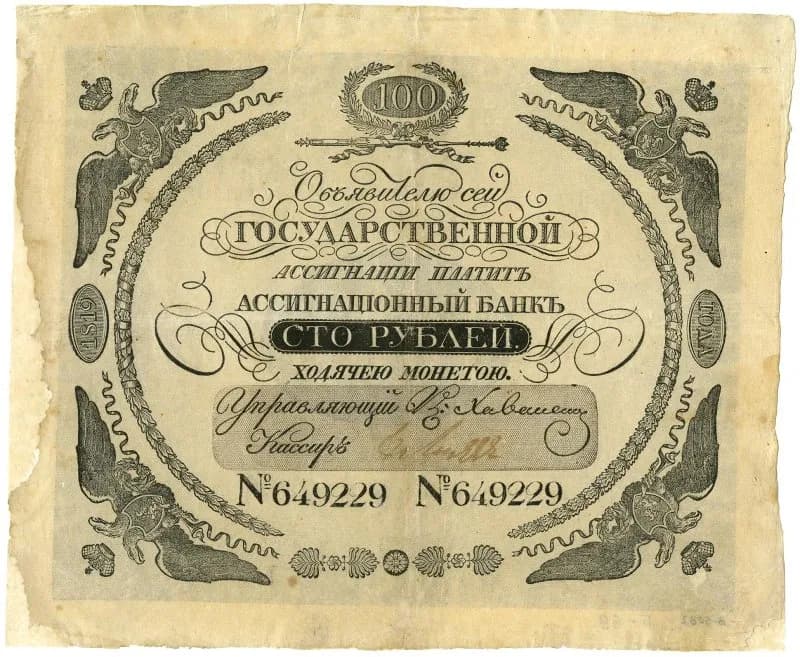
Ассигнация. Александр I (1801-1825). 100 рублей.
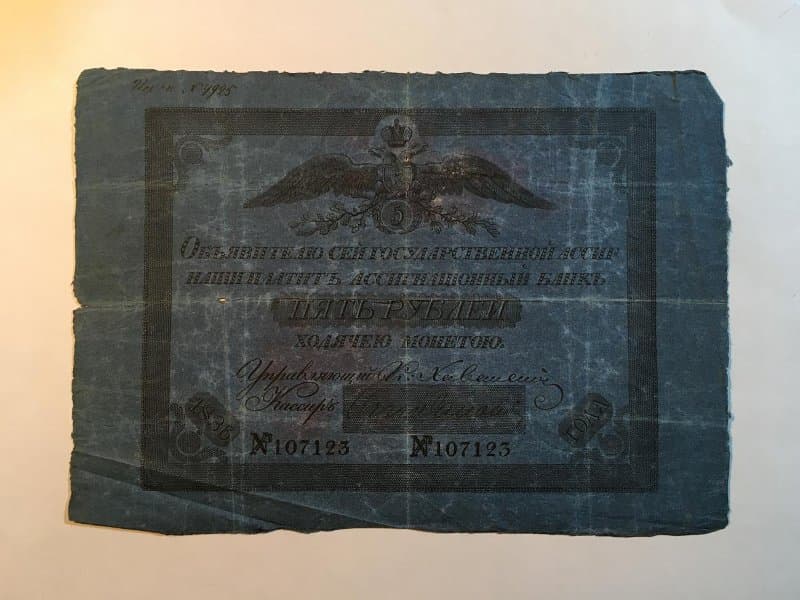
Государственная ассигнация 5 руб. (цвет синий).
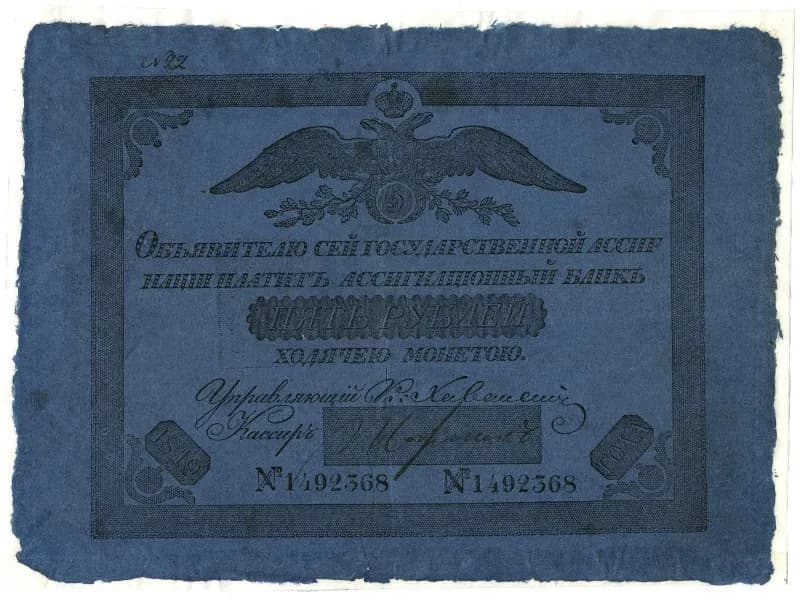
Ассигнация. Александр I (1801-1825). 5 рублей.
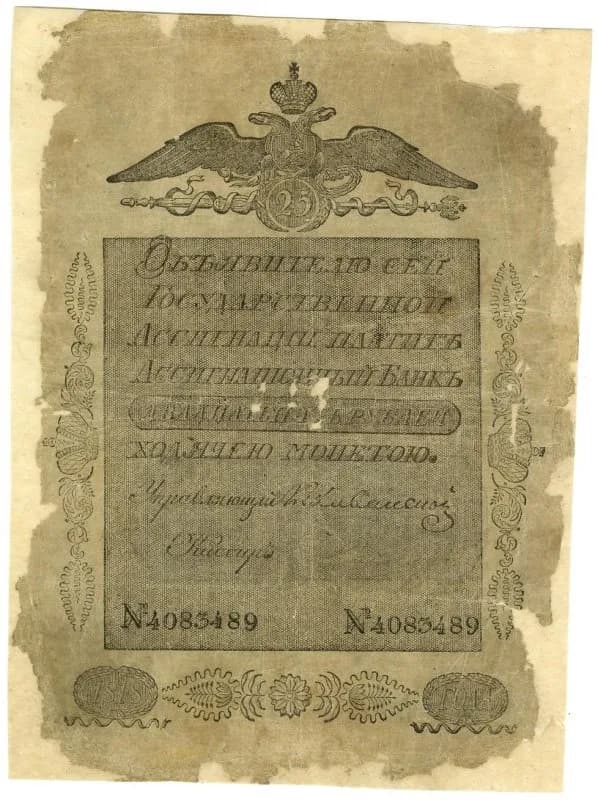
Ассигнация. Александр I (1801-1825). 25 рублей.
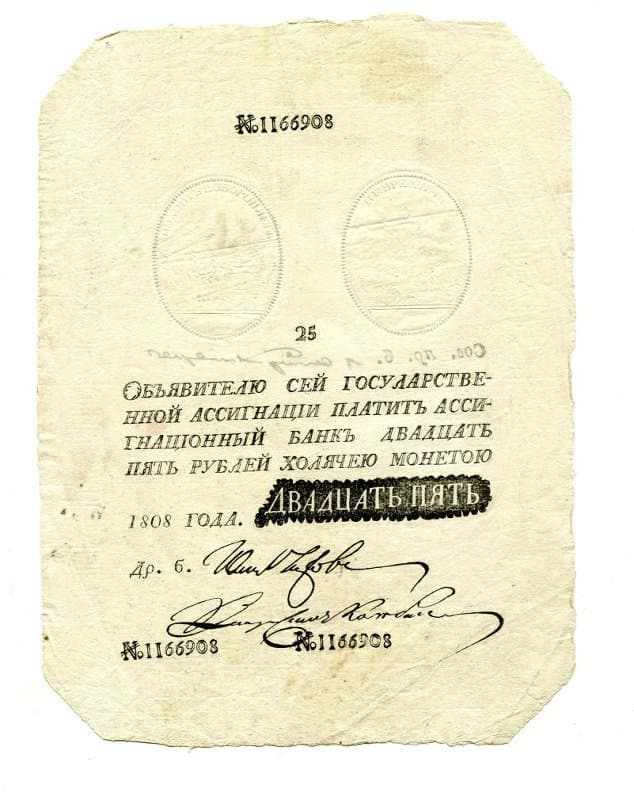
Российская Империя Ассигнация 25 рублей, 1808 (Период 1786-1819)
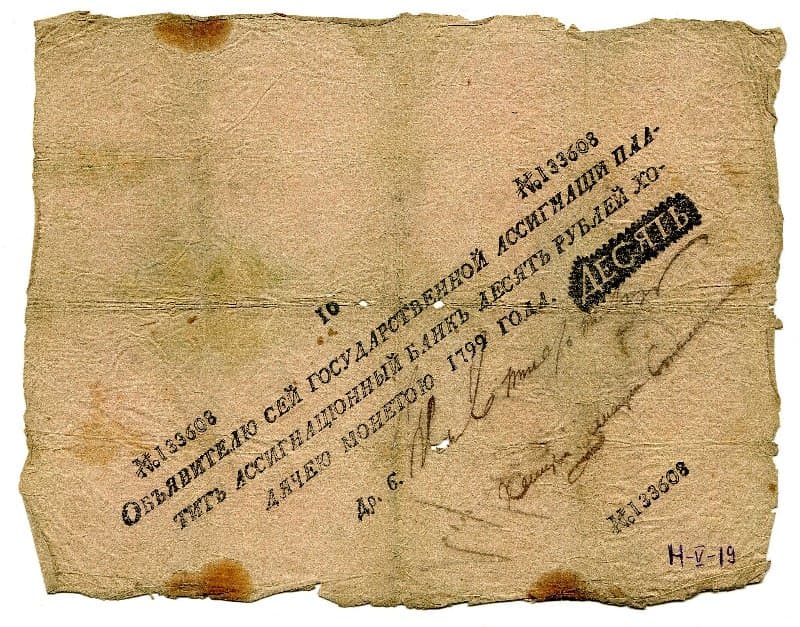
Российская Империя Ассигнация 10 рублей, 1799 (Период 1786-1819)
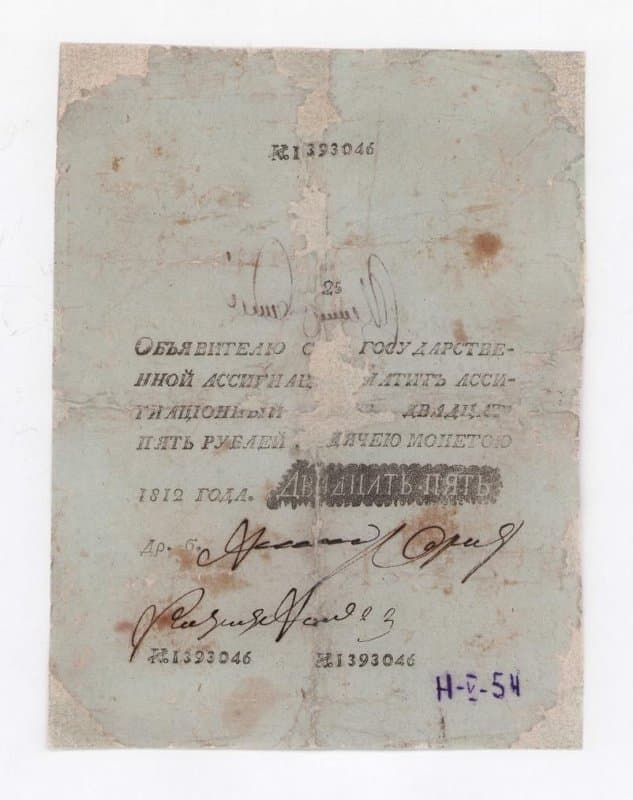
Российская Империя Ассигнация 25 рублей, 1812 (Период 1786-1819)
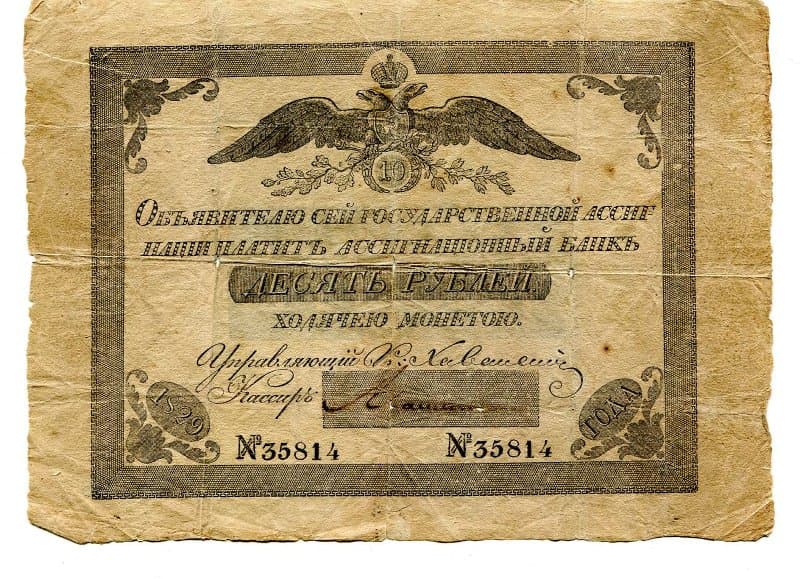
Российская Империя Ассигнация 10 рублей, 1829 (Период 1819-1843)
Similar Articles
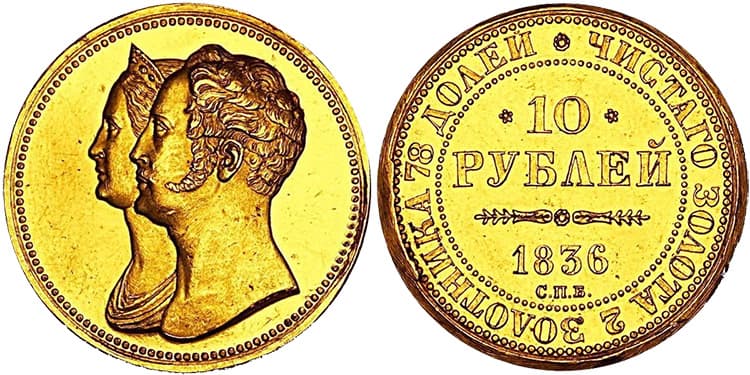
Russian Coins of the 19th and Early 20th Centuries: What's in Demand
Alexander Volkov
Coins and Banknotes of the Russian Civil War: A Collectible Niche
Alexander Volkov
The Gangut Ruble: The Last Commemorative Coin of the Russian Empire
Alexander Volkov
How to Start Collecting Coins: A Complete Guide for Beginners
Alexander Volkov
Investing in Coins: Pros, Risks, Liquidity
Alexander Volkov