
Investing in Coins: Pros, Risks, Liquidity
Investing in coins is the allocation of funds into rare, historically significant, or precious metal coins with the goal of preserving and growing capital. This type of investment is considered alternative because its returns are not always directly linked to traditional financial markets, such as stocks and bonds.
January 30, 2026
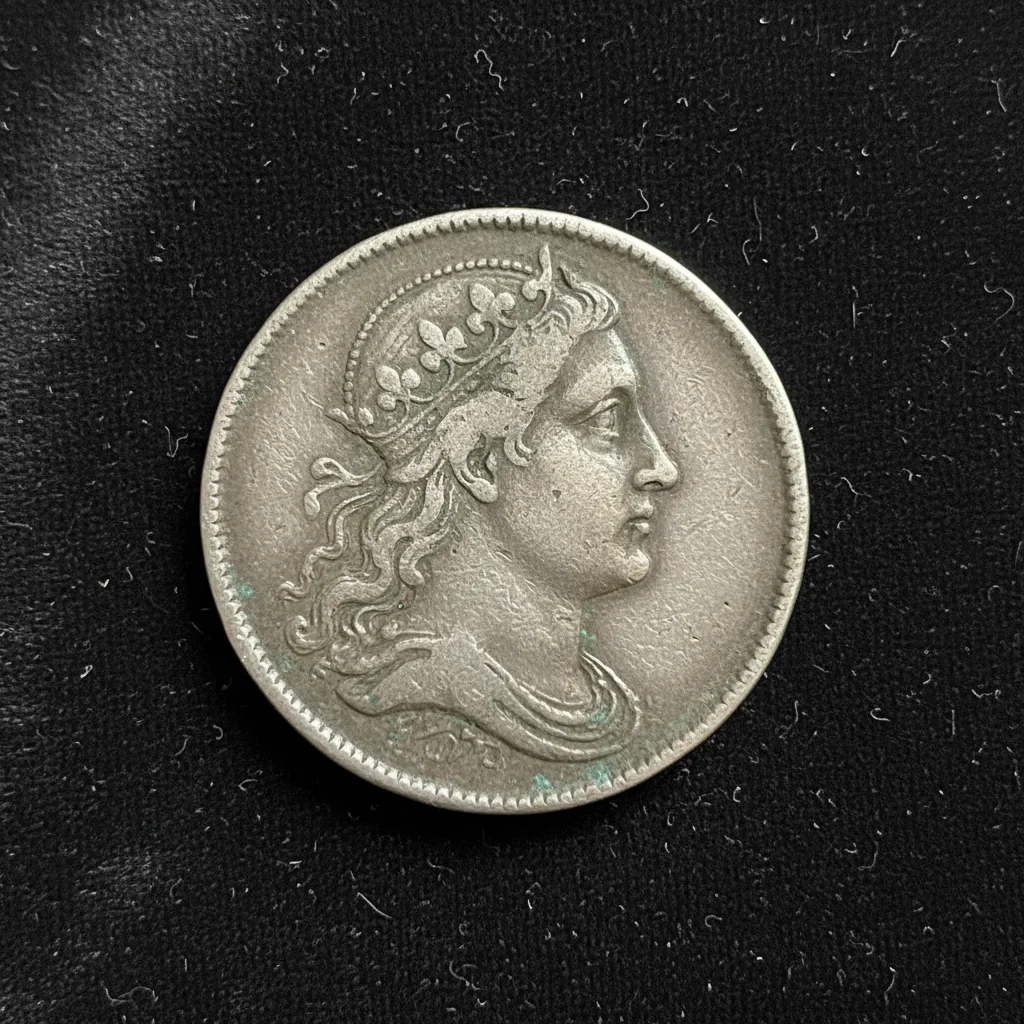
Numismatics as an Investment Tool
Investing in coins is the allocation of funds into rare, historically significant, or precious metal coins with the goal of preserving and growing capital. This type of investment is considered alternative because its returns are not always directly linked to traditional financial markets, such as stocks and bonds.
The main idea is that the value of collectible coins grows over time due to their limited mintage, historical value, and increasing demand from collectors and investors. Numismatics as an investment attracts those looking for ways to diversify their portfolio and protect assets from inflation by investing in tangible assets.
Key Advantages of Investing in Coins
Investing in numismatic assets has a number of significant advantages that attract both novice and experienced investors. These pros make coins an interesting tool for diversifying an investment portfolio.
The main advantages include:
- Tangible Value. Unlike stocks, a coin is a physical asset that will always have a certain value, at least equal to the price of the metal it is made from.
- Potential for High Returns. Rare specimens in good condition can significantly increase in price over a few years, outpacing inflation and many traditional instruments.
- Protection Against Economic Crises. During periods of instability, the demand for tangible assets, including rare coins, often increases.
- Historical and Cultural Significance. For many investors, owning a piece of history is an additional intangible bonus.

Main Risks and How to Avoid Them
Despite their appeal, investments in coins come with certain risks that must be considered. Underestimating these factors can lead to financial losses, especially for newcomers to this field.
The most common risks include:
- Risk of Forgery. The market is flooded with high-quality counterfeits that are nearly impossible to distinguish without special knowledge and equipment.
- Incorrect Condition Assessment. The preservation of a coin (grade) is a key pricing factor. A small scratch or wear can reduce its value manifold.
- Low Liquidity. Unlike stocks, a coin cannot be sold instantly. Finding a buyer willing to pay a fair price can take time.
- Market Fluctuations. The prices of coins, especially bullion coins, depend on the value of precious metals. Collectible coins are also subject to changes in demand.
To minimize risks, it is recommended to purchase coins from reputable dealers, use professional grading services, and continuously deepen your knowledge in your chosen area of numismatics.
Liquidity and Returns of Numismatic Assets
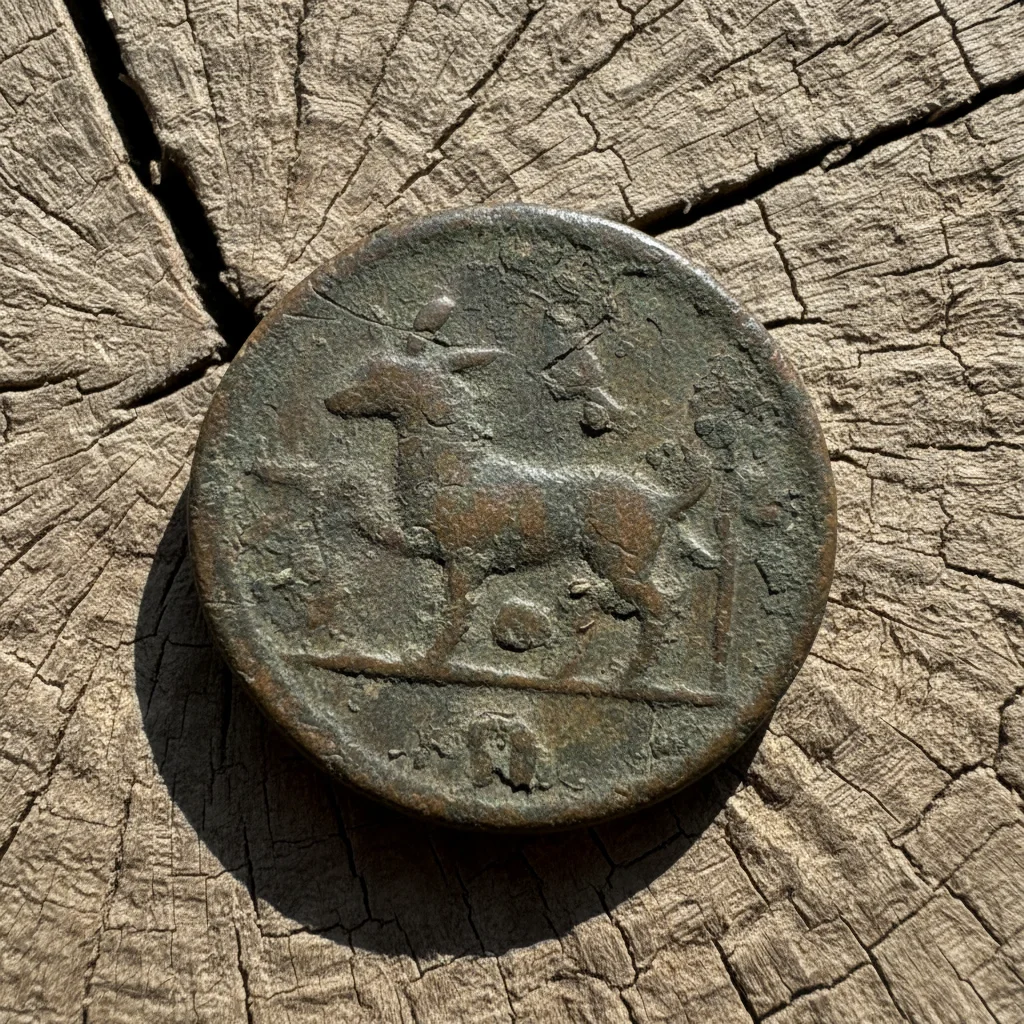
Liquidity and returns are two of the most important parameters for any investor. In numismatics, they are closely linked to the type of coin, its rarity, and condition. Not all coins are equally easy to sell, and not all yield the same profit.
Bullion coins, made from precious metals (gold, silver, platinum), have high liquidity. Their price is tied to the market value of the metal, and they can be quickly sold to banks or dealers. However, their returns are limited by the growth in metal prices.
Collectible (numismatic) coins have lower liquidity as their market is narrow. Finding a buyer can take weeks or months. However, their potential return is significantly higher and depends on rarity, historical value, and demand among collectors. Their value can grow by tens or even hundreds of percent in the long term.
How a Numismatist Investor Should Start
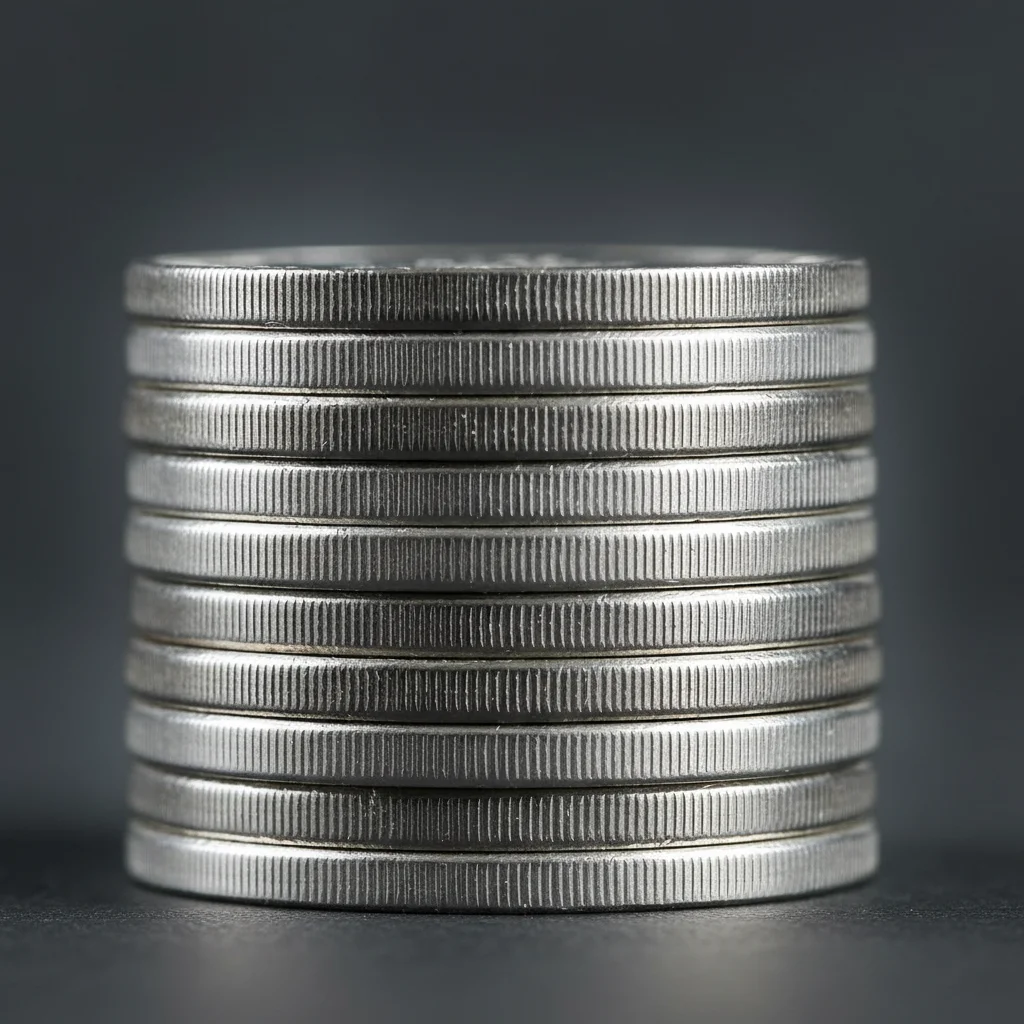
A systematic approach is crucial for a successful start in coin investing. Haphazard purchases without a clear strategy rarely lead to good results. It is recommended to follow a few simple steps.
- Decide on a Focus. Choose a specific theme that interests you: coins from a particular country, historical period, or subject. This will help you focus your efforts and study the market more deeply.
- Study the Theory. Familiarize yourself with the basics of numismatics, learn to understand coin preservation grades and methods for determining authenticity.
- Set a Budget. Decide how much you are willing to allocate for initial investments and stick to it.
- Start with Inexpensive Specimens. It's best to make your first purchases in the budget segment to gain experience without significant financial risks.
- Buy from Reputable Sellers. Turn to well-known numismatic shops, auction houses, or dealers with a good reputation.

Key Terms in Numismatics
| Term | Description |
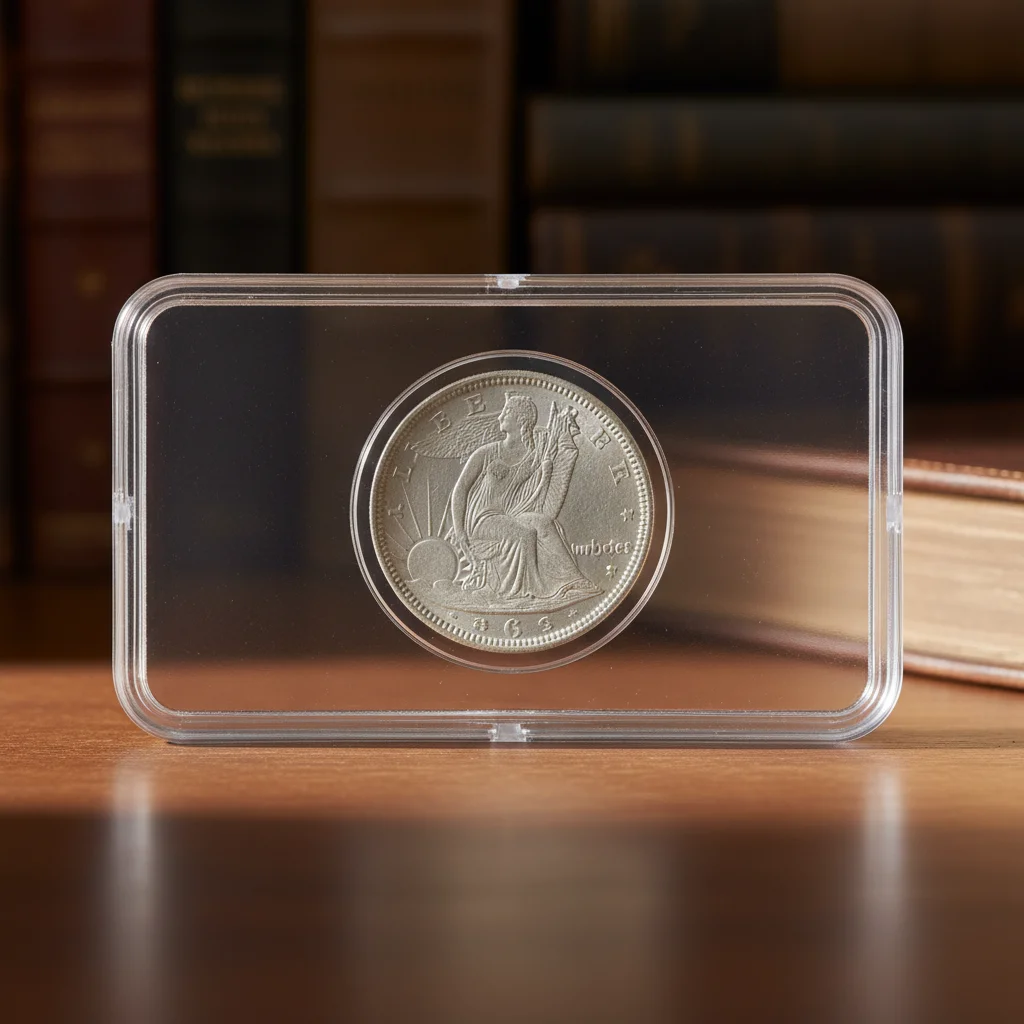
| Grading | The process of professionally assessing a coin's condition and authenticity, followed by its encapsulation in a special sealed holder (slab). |
| Patina | A natural layer of oxidation on a coin's surface that forms over time. The presence of an attractive patina often increases a specimen's value. |
| UNC (Uncirculated) | The condition of a coin that has not been in circulation. It has no signs of wear, but may have minor scratches from contact with other coins in a bag. |
| Proof | A minting technology for high-quality coins with a mirror-like field and a frosted design. Such coins are initially intended for collectors. |
| Restrike (Novodel) | A coin struck with original dies at a later date than the original issue, often by order of the government or collectors. |
Understanding professional terminology is a prerequisite for anyone who wants to seriously engage in coin investing. Knowing these concepts will help you correctly evaluate lots at auctions and communicate with dealers in the same language.
Mastering these and other terms is an important step on the path from simple collecting to conscious investing in numismatic valuables.
Comments (0)
No comments yet. Be the first to share your thoughts!
Related Lots
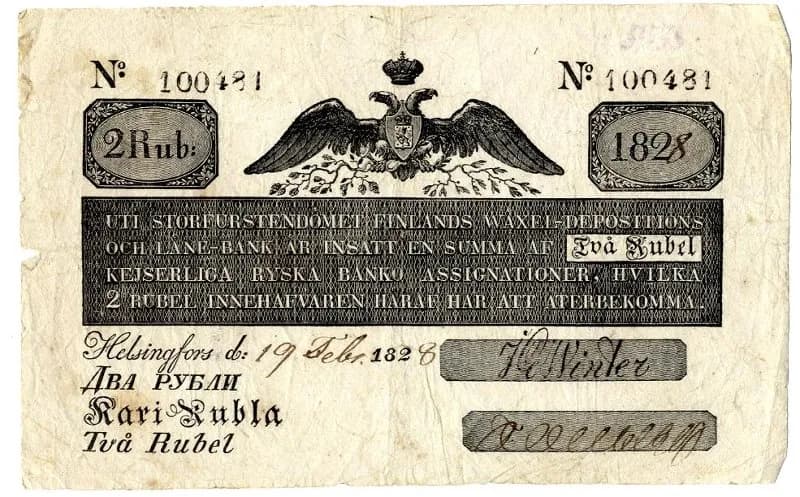
Бумажный денежный знак. Ассигнация 2 руб. (новый тип). Великое княжество Финляндское.
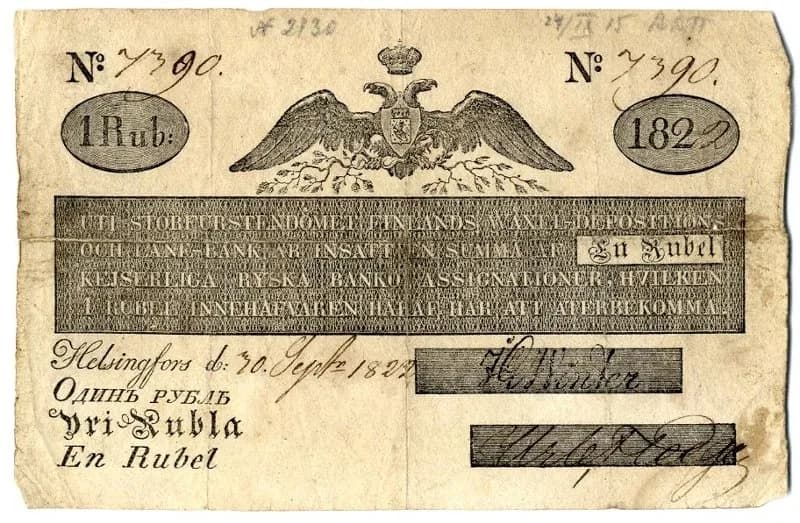
Бумажный денежный знак. Ассигнация 1 руб. ( новый тип) .Великое княжество Финляндское.
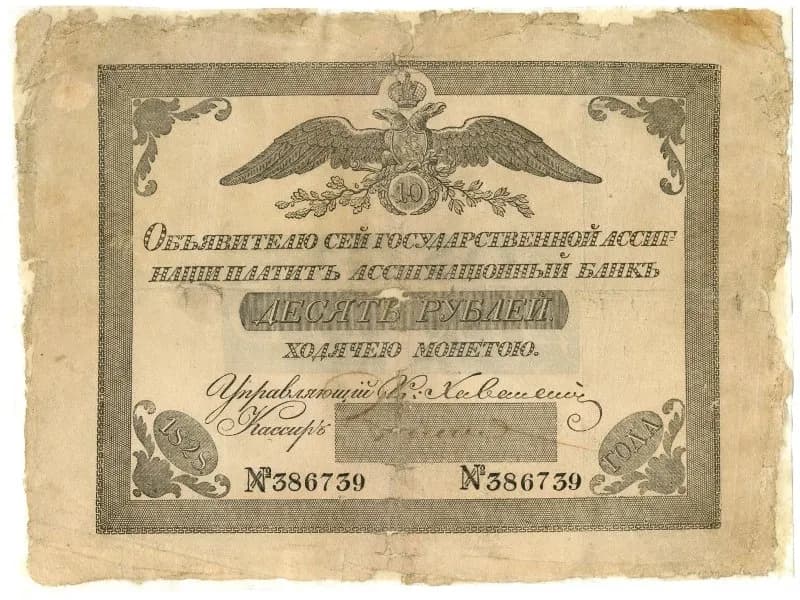
Ассигнация. Николай I (1825-1855). 10 рублей.
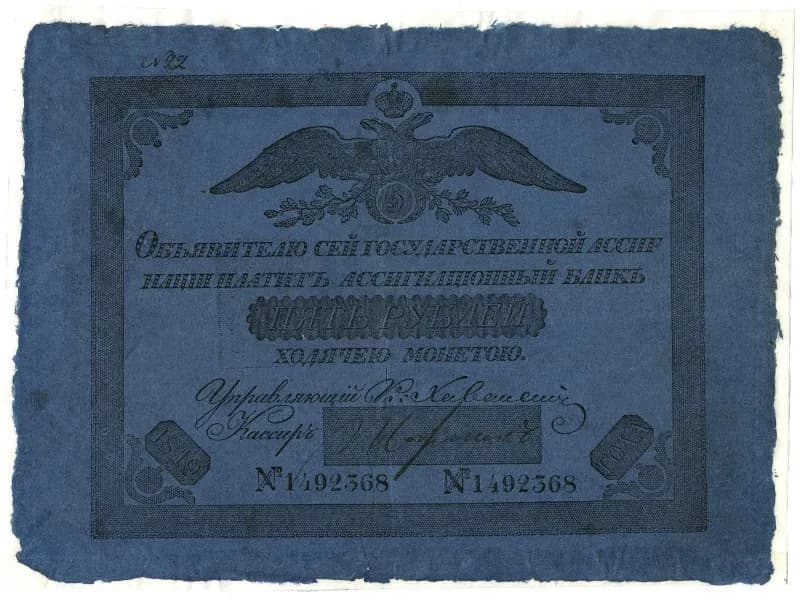
Ассигнация. Александр I (1801-1825). 5 рублей.
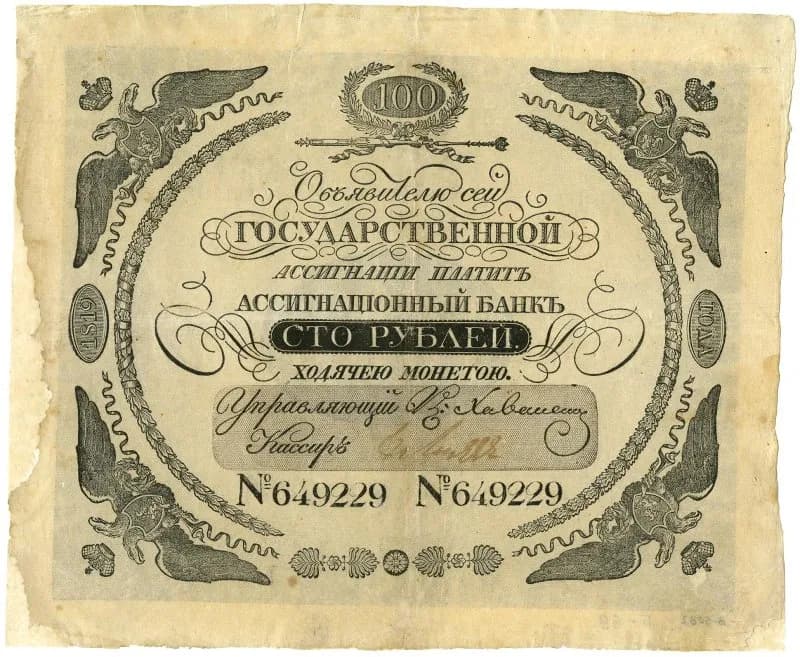
Ассигнация. Александр I (1801-1825). 100 рублей.
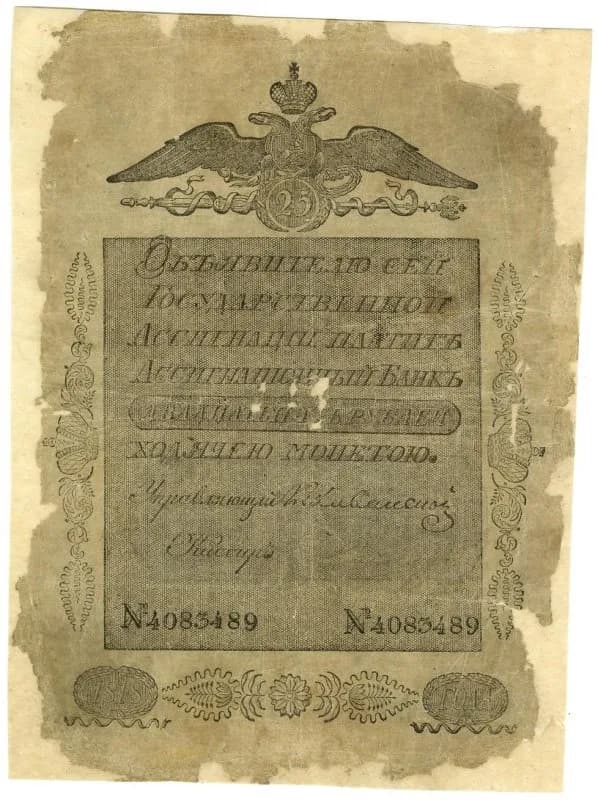
Ассигнация. Александр I (1801-1825). 25 рублей.
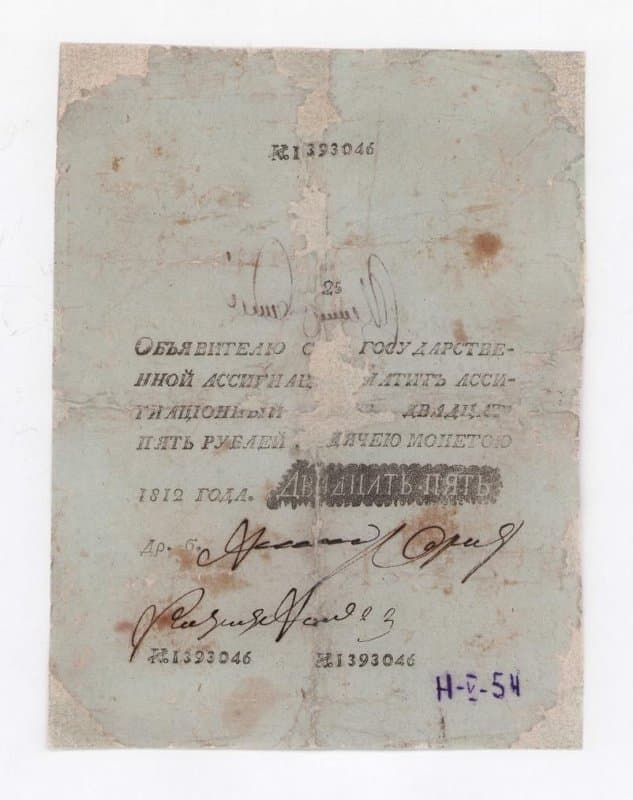
Российская Империя Ассигнация 25 рублей, 1812 (Период 1786-1819)
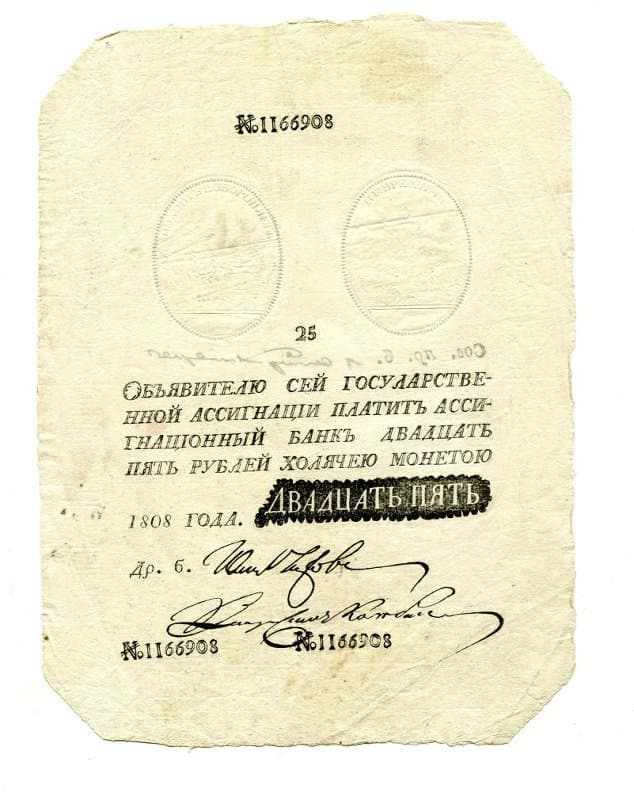
Российская Империя Ассигнация 25 рублей, 1808 (Период 1786-1819)
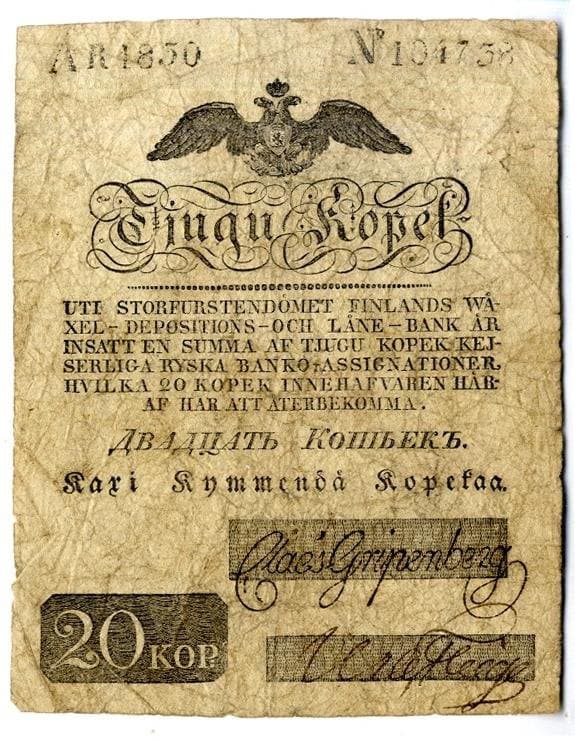
Российская Империя Ассигнация 20 копеек, 1850 (Выпуск для Великого Княжества Финляндского)
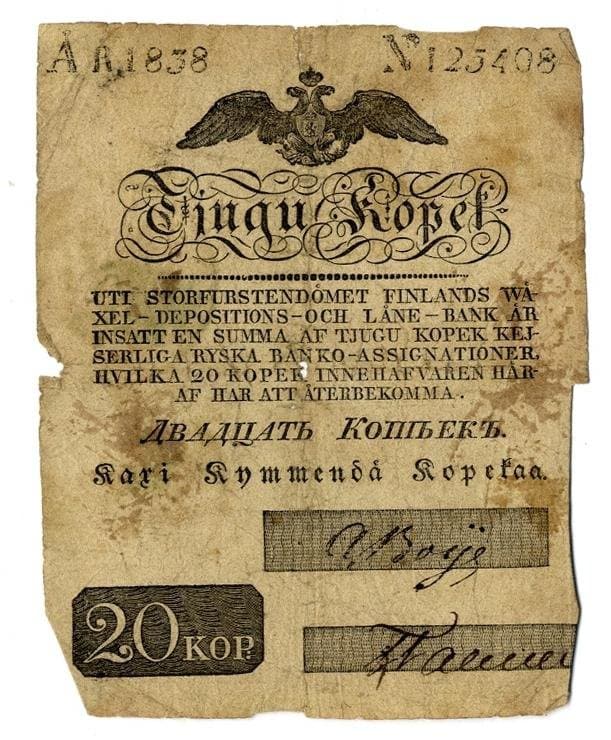
Российская Империя Ассигнация 20 копеек, 1838 (Выпуск Великого Княжества Финляндского)
Similar Articles
How to Start Collecting Coins: A Complete Guide for Beginners
Alexander Volkov
Numismatic Auctions: What a Beginner Should Look For
Alexander Volkov
How to Assess a Coin's Condition: Grades and Grading
Alexander Volkov
Russian Coins of the 19th and Early 20th Centuries: What's in Demand
Alexander Volkov
Rare Coins of the Russian Empire: An Overview by Period
Alexander Volkov