
Numismatic Auctions: What a Beginner Should Look For
Participation in a numismatic auction begins long before the first fall of the gavel. It's crucial for a beginner collector to prepare properly to make the process clear and predictable. The first step is to choose a reliable auction platform, whether it's an online platform or a traditional auction house with a good reputation.
January 30, 2026
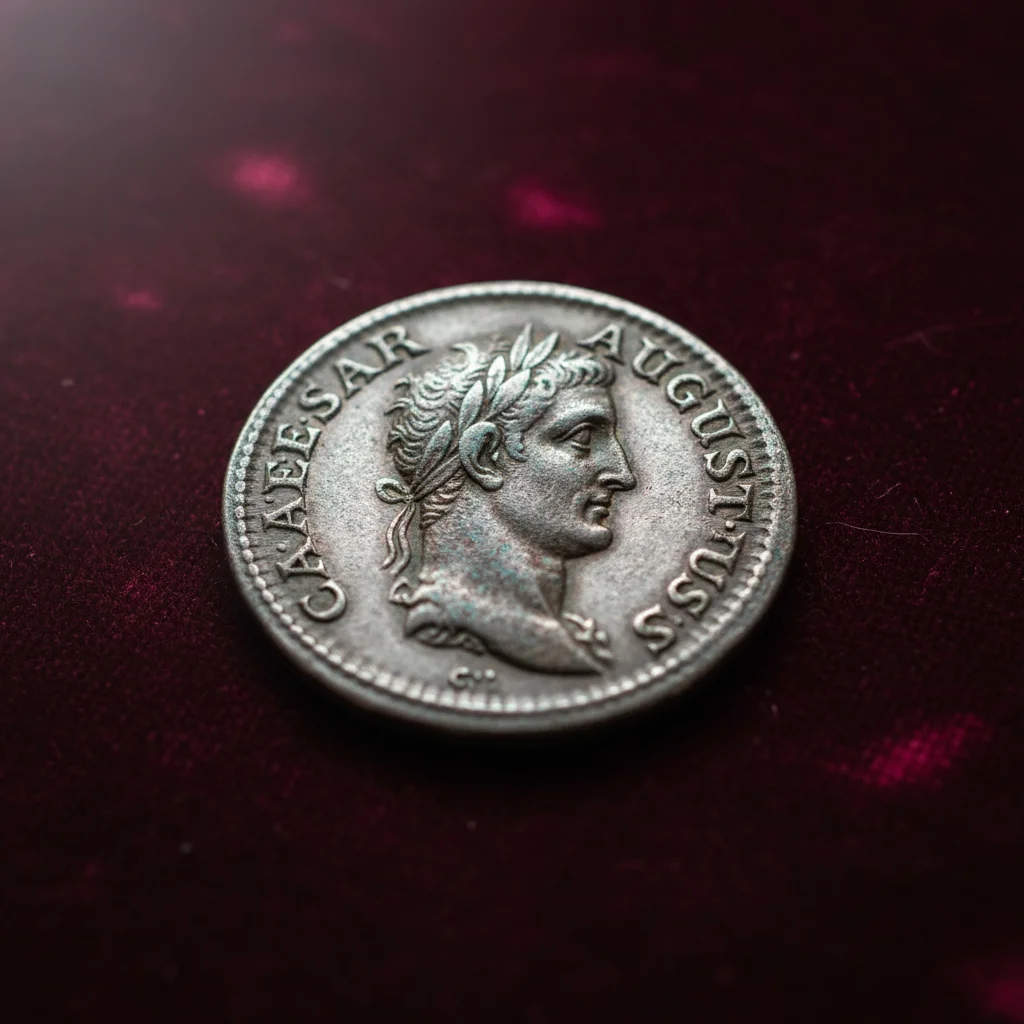
Preparing for Your First Auction
Participation in a numismatic auction begins long before the first fall of the gavel. It's crucial for a beginner collector to prepare properly to make the process clear and predictable. The first step is to choose a reliable auction platform, whether it's an online platform or a traditional auction house with a good reputation.
After choosing a platform, you need to go through the registration process and carefully study the auction rules. Each auction has its own nuances regarding bid increments, commission fees (the so-called "buyer's premium"), and payment and delivery terms. Understanding these rules will help you avoid unpleasant surprises after winning a lot.
- Researching the reputation and reviews of the auction house.
- Registering on the platform and verifying your account.
- Carefully reading the rules and conditions of participation.
- Reviewing the catalog of upcoming auctions in advance.
How to Choose a Lot Correctly
| Term | Description |
| Starting Bid | The initial price at which bidding for a lot begins. |
| Increment | The minimum amount by which the current bid can be raised. |
| Estimate | The approximate appraised value of the lot, determined by the auction's experts. |
| Provenance | The history of ownership of an item, confirming its authenticity and value. |
Choosing a lot is the most crucial stage for a numismatist. You shouldn't rely solely on the first impression from a photograph. It's important to study the description provided by the auction house in detail. It contains key information about the coin: year of minting, mint, material, weight, and most importantly, its condition assessment.
Pay attention to the coin's origin, or provenance. Lots from well-known collections are often valued more highly. Don't hesitate to request additional photos or information from the auction organizers if the description seems incomplete. This is a standard practice that will help you make an informed decision.
The following table is useful for understanding auction terminology:
Analyzing these parameters allows you to form an objective idea of the coin's value and determine its maximum worth for yourself.
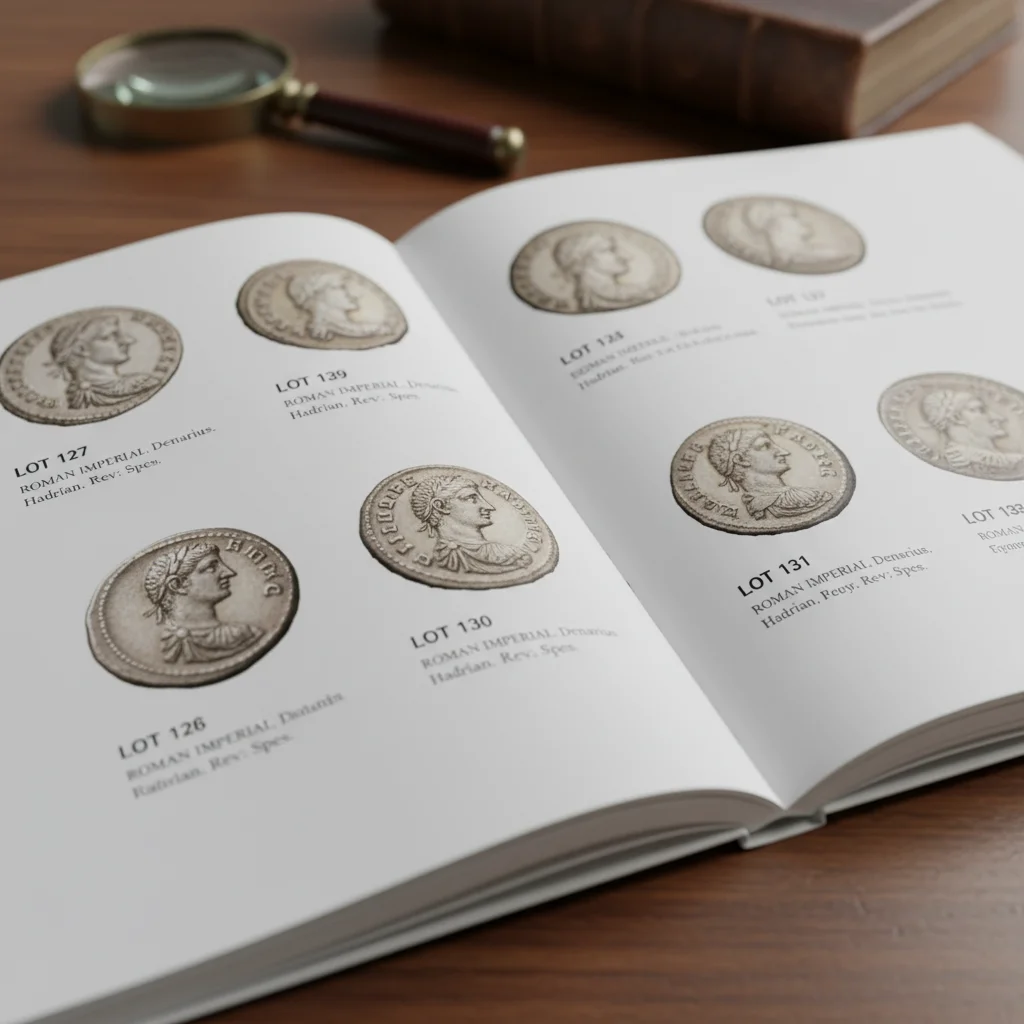
Assessing the Coin's Condition
Condition, or preservation, is one of the main factors determining the value of a collectible coin. Even minor scuffs, scratches, or signs of cleaning can reduce its price significantly. Professional auctions always indicate the grade, using international grading systems.
It's important for a beginner to learn to understand these grades at a basic level. The photographs in the catalog should be studied very carefully, zooming in to examine the finest details of the coin's field, relief, and edge. Comparing the photos with reference images of coins in the same grade will help you better understand the lot's actual condition.
- Uncirculated (UNC) - A coin with no signs of circulation, with original luster.
- Extremely Fine (XF) - Minor wear on the highest points of the relief.
- Very Fine (VF) - Noticeable signs of circulation, but the main design details are sharp.
- Fine (F) - Significant wear, but all inscriptions and images are discernible.
Developing a Bidding Strategy
Success at an auction largely depends on the right strategy. The main mistake beginners make is emotional bidding and exceeding a predetermined budget. The thrill of the chase can lead to overpaying for a lot, so it's important to stay cool-headed.
Before the bidding starts, determine the maximum amount you are willing to pay for a specific coin, including the auction's commission. This is your personal limit, which you should not exceed under any circumstances. Many platforms allow you to place an absentee (preliminary) bid, which is a good tool for controlling your budget.
Follow a few simple rules to avoid mistakes:
- Set a maximum budget. Decide in advance how much you are willing to spend on a lot, including all commissions, and do not exceed this amount.
- Don't give in to emotions. If the bidding for a lot becomes too fierce and the price goes beyond your budget, it's better to back down.
- Study bidding dynamics. Observe other auctions to understand how prices are formed for similar coins.
- Use absentee bids. If you are not confident in your self-control, leave your maximum bid in advance. The system will bid for you automatically up to your specified amount.

Comments (0)
No comments yet. Be the first to share your thoughts!
Related Lots
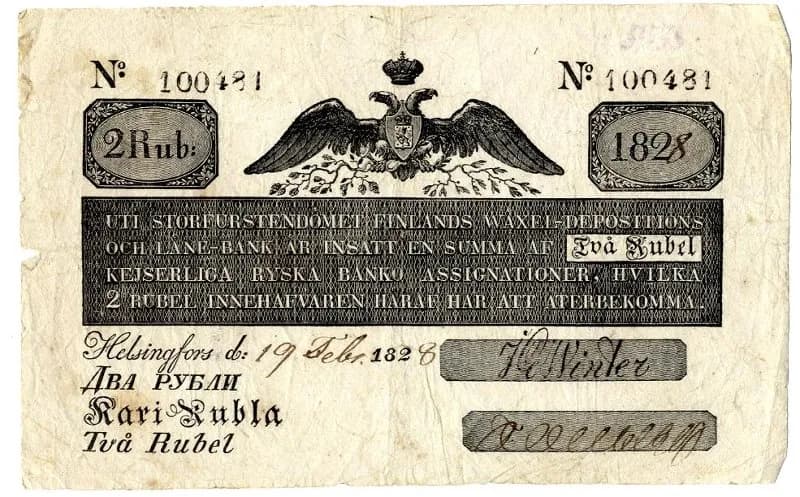
Бумажный денежный знак. Ассигнация 2 руб. (новый тип). Великое княжество Финляндское.
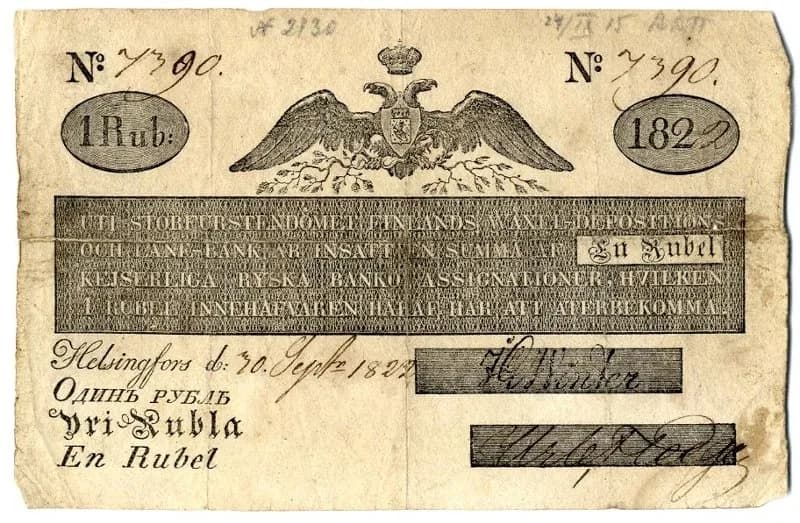
Бумажный денежный знак. Ассигнация 1 руб. ( новый тип) .Великое княжество Финляндское.
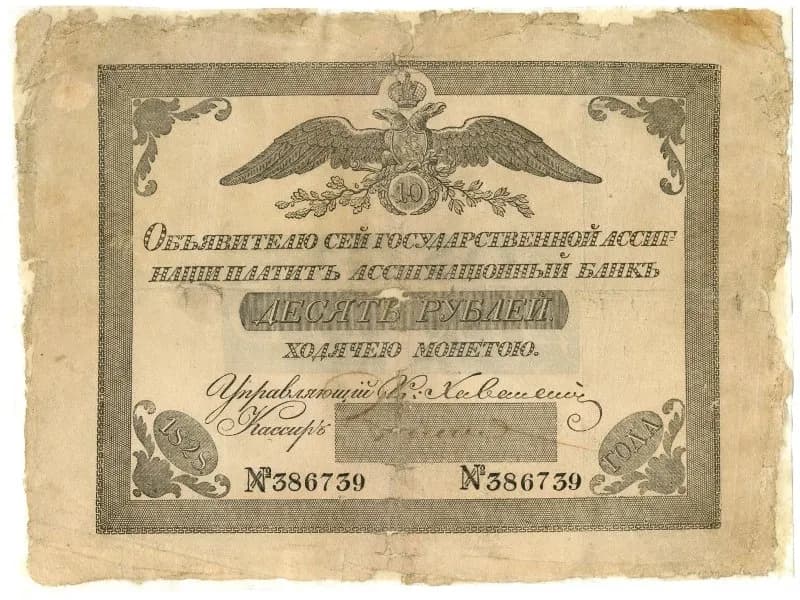
Ассигнация. Николай I (1825-1855). 10 рублей.
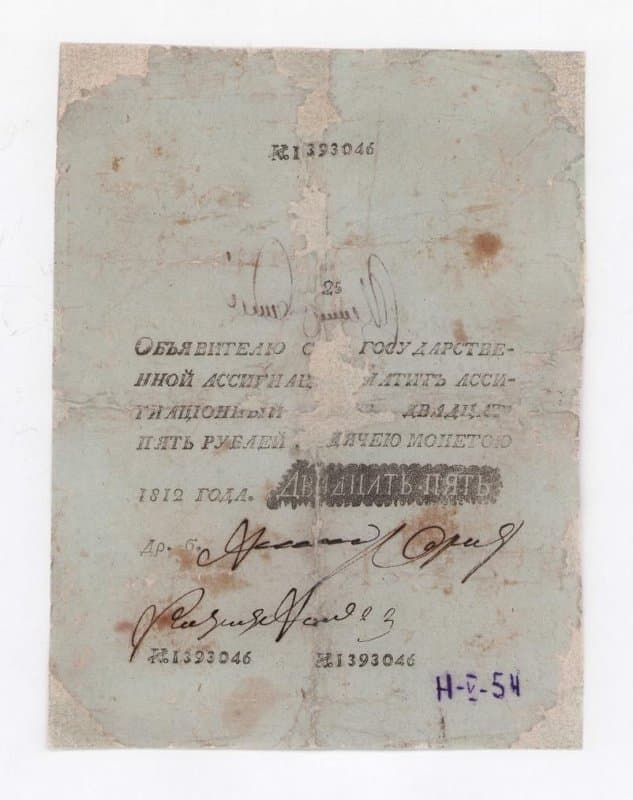
Российская Империя Ассигнация 25 рублей, 1812 (Период 1786-1819)
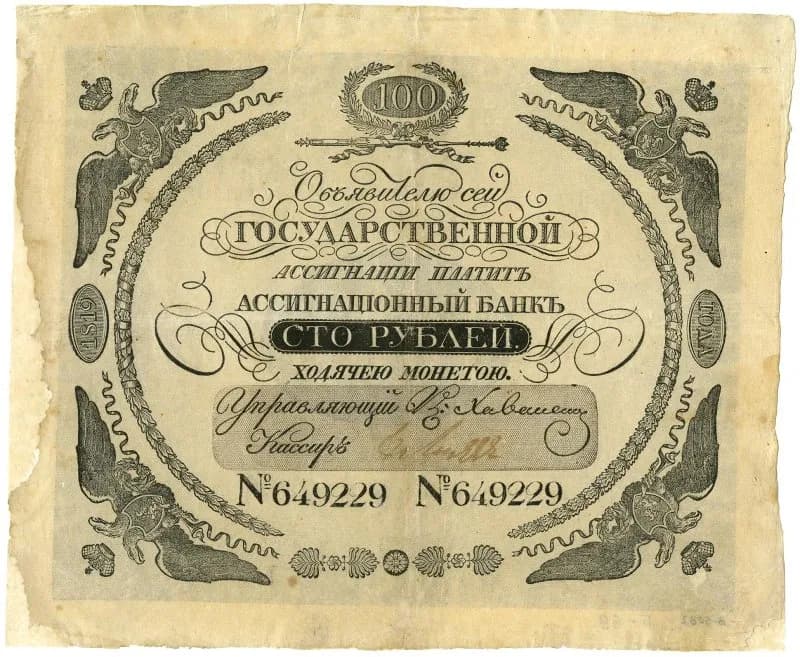
Ассигнация. Александр I (1801-1825). 100 рублей.
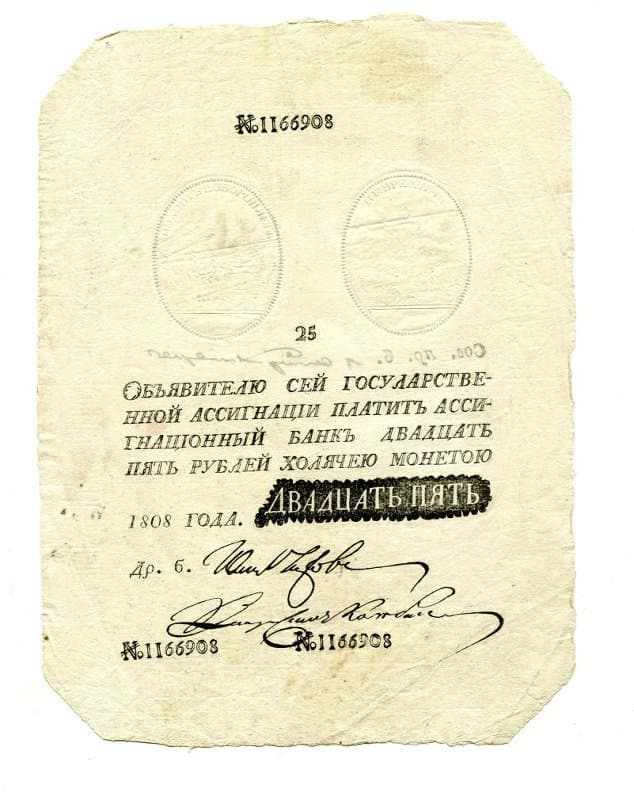
Российская Империя Ассигнация 25 рублей, 1808 (Период 1786-1819)
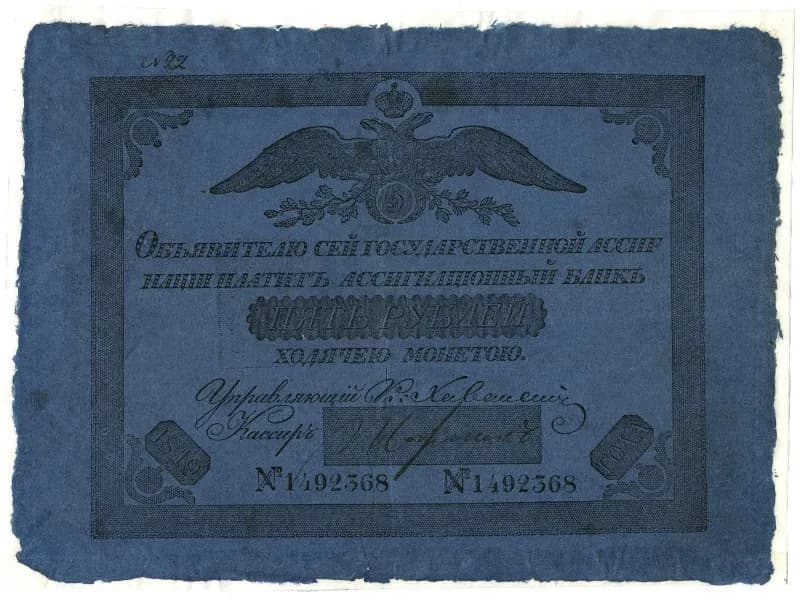
Ассигнация. Александр I (1801-1825). 5 рублей.
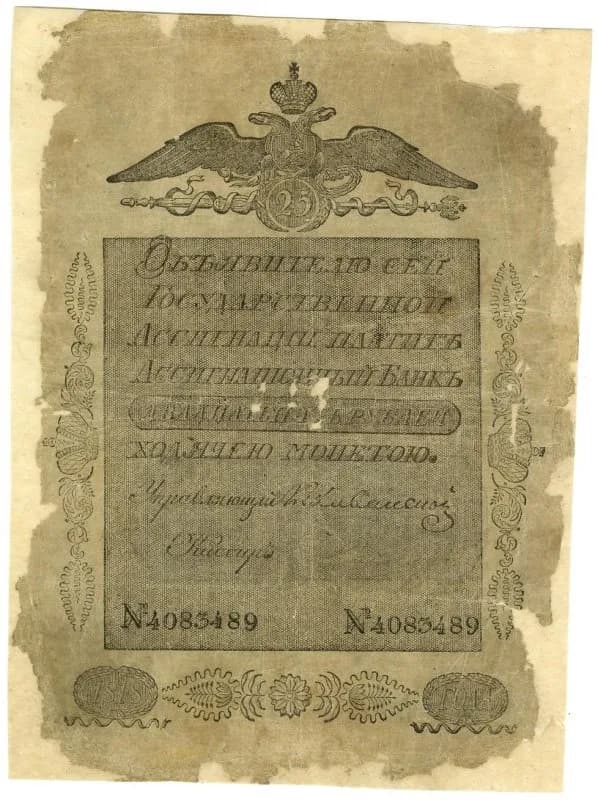
Ассигнация. Александр I (1801-1825). 25 рублей.
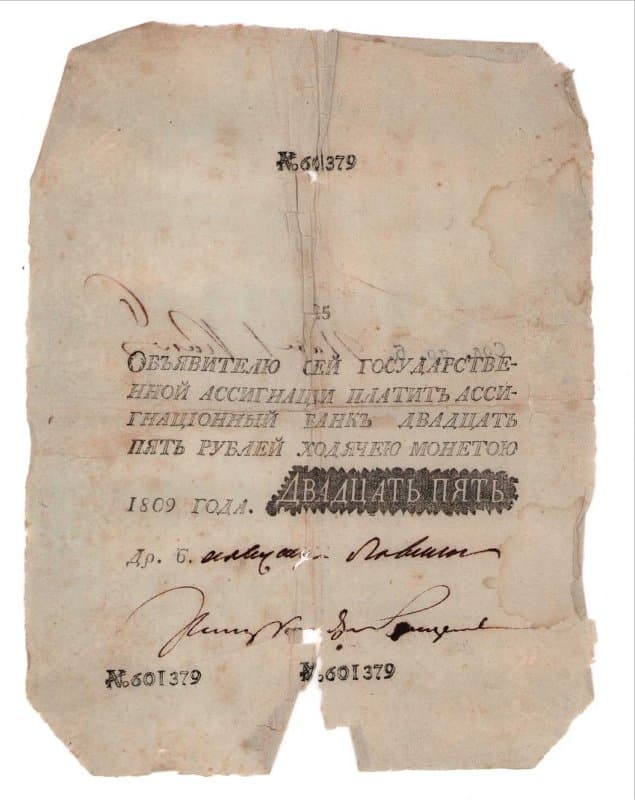
Российская Империя Ассигнация 25 рублей, 1809 (Период 1786-1819)
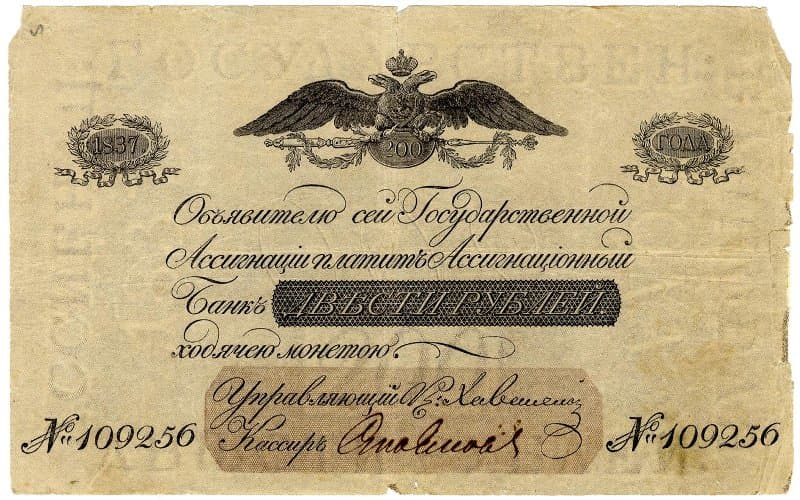
Российская Империя Ассигнация 200 рублей, 1837 (Период 1819-1843)
Similar Articles
How to Participate in an Online Auction: Registration, Bidding, and Fees
Alexander Volkov
How to Use a Price Guide and Coin Catalogs
Alexander Volkov
How to Read an Auction Catalog
Alexander Volkov
Key Auction Terms: Lot, Estimate, Reserve, Buyer's Premium
Alexander Volkov
How to Start Collecting Coins: A Complete Guide for Beginners
Alexander Volkov