
How to Read an Auction Catalog
An auction catalog is the primary tool for any bidder, whether a novice or a seasoned collector. It is more than just an illustrated list of lots. It is a structured document that begins with the conditions of sale, rules for buyers, and important information about commissions and taxes. Studying these initial pages helps to avoid unpleasant surprises.
January 30, 2026

Anatomy of a Catalog: What Does It Consist Of?
An auction catalog is the primary tool for any bidder, whether a novice or a seasoned collector. It is more than just an illustrated list of lots. It is a structured document that begins with the conditions of sale, rules for buyers, and important information about commissions and taxes. Studying these initial pages helps to avoid unpleasant surprises.
The main part of the catalog is dedicated to lot descriptions. Items are often grouped by category: painting, furniture, jewelry, or decorative arts. This structure of an auction catalog helps participants quickly find the sections that interest them.
Useful indexes are usually found at the back of the catalog. For example, an alphabetical index of artists or makers allows you to easily find all the works by a specific creator featured in the sale. You can also find an absentee bid form and information on how to register for the auction.
Decoding the Lot Description: Key Elements
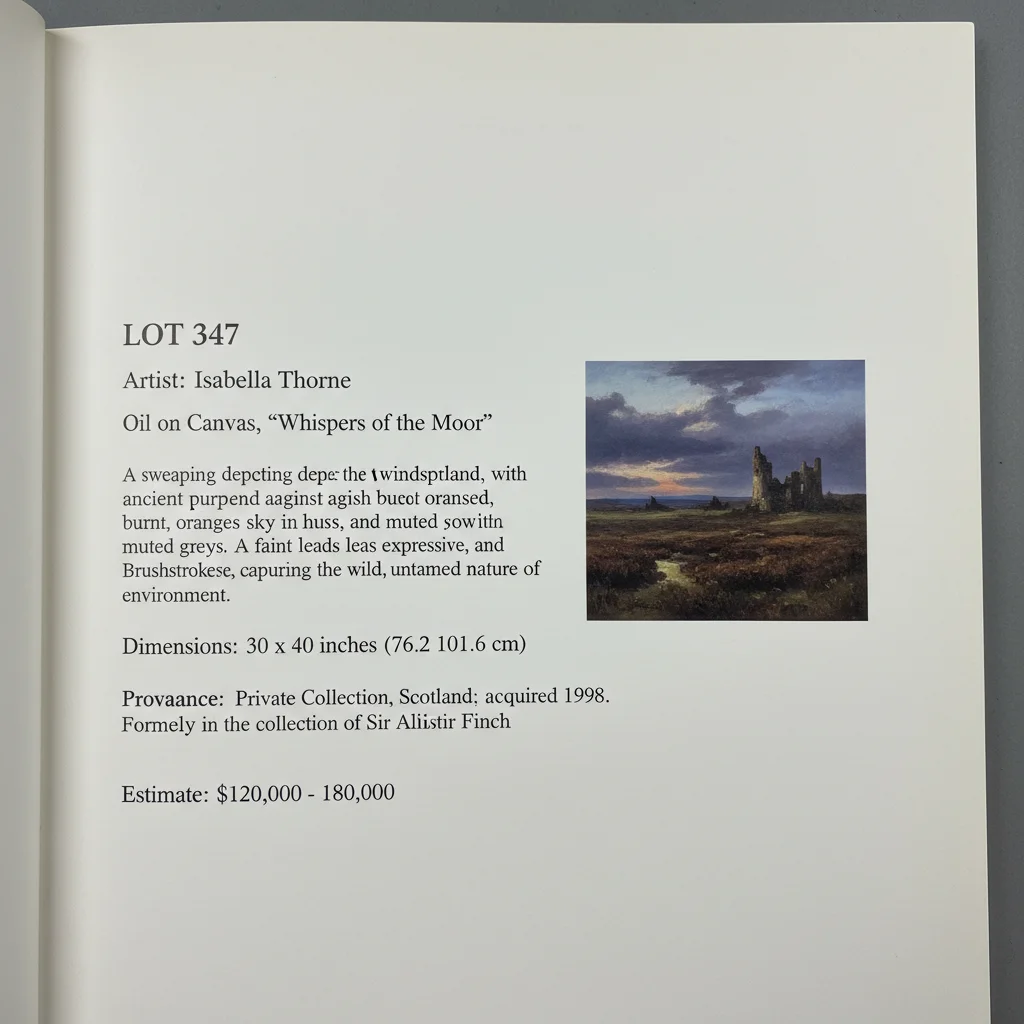
Each entry in the catalog, or lot, has a standardized description containing all key information. Understanding these elements is essential for a proper assessment of the item.
A standard lot description includes several mandatory points that reveal its essence and value. Careful study of each of these allows you to form a complete picture of the object even before a physical inspection.
- Lot number. A unique identifier by which the item will be offered at auction.
- Artist's name or title. Indicates the artist, workshop, or manufacturer.
- Item description. Includes the title, date of creation, materials, technique, and dimensions.
- Provenance. The history of ownership of the item, one of the most important factors affecting its value and authenticity.
- Exhibitions and literature. A list of exhibitions where the item was displayed and publications where it was mentioned.
- Estimate. The preliminary appraised value, indicated as a price range.
The Language of Terms and Designations
| Term | Meaning |
| Attributed to... | A work that, in the opinion of experts, is likely by the given artist, but there is no absolute certainty. |
| Circle of... | A work created by an unknown artist who was strongly influenced by the specified master, possibly a contemporary. |
| School of... | A work executed by a student or follower of the master in his style, but typically at a later time. |
| After... | A copy of a famous artist's work, created by another author, regardless of the period. |
| Provenance | The documented history of an item's ownership, which serves as proof of its authenticity and historical significance. |
Auction houses use specific terminology to describe the degree of certainty about a work's authorship. These phrases have legal significance and directly affect the lot's value. Their correct interpretation is crucial for the buyer.
For example, simply stating the artist's name means the auction house guarantees its authorship. However, more complex phrases like 'attributed to,' 'circle of,' or 'school of' indicate varying degrees of uncertainty and require additional research from the buyer.
To better understand the designations in an auction catalog, it is useful to familiarize yourself with the basic terminology.

Estimate and Reserve Price: What's the Difference?
One of the most intriguing elements of a lot description is the estimate. This is a preliminary valuation that the auction house's experts consider a fair market price. The estimate is given as a price range, for example, $10,000 - $15,000, and serves as a guide for buyers.
It is important to understand that the estimate is not the starting or final price. Bidding can start below the low estimate, and the final hammer price can significantly exceed it, especially if there is a bidding war for the lot among several participants.
The estimate should not be confused with the reserve price. The reserve price at an auction is a confidential minimum amount, agreed upon between the item's owner and the auction house, below which the lot cannot be sold. This price is never published in the catalog and cannot exceed the low estimate. If the bidding does not reach the reserve price, the lot is withdrawn from the auction as unsold.

Hidden Details: Condition Reports and Special Symbols
The catalog does not always contain exhaustive information about the physical condition of a lot. The description can be brief, and the phrase 'condition consistent with age and use' often hides scuffs, scratches, or restoration work. Therefore, you should never rely solely on the photographs in the catalog.
To get complete information, you must request a Condition Report. This is a separate document that details all defects, damages, and signs of restoration. Auction houses provide it upon request. Studying this report is an essential step before placing a bid.
- A symbol might mean the lot is subject to an additional tax (VAT).
- Another symbol might indicate that the item is owned by the auction house.
- Some symbols warn of restrictions on exporting the item from the country (e.g., for cultural heritage objects).
The key to these symbols is always provided at the beginning of the catalog, in the conditions of sale section. Ignoring these details can lead to unexpected expenses and complications after the purchase.

Comments (0)
No comments yet. Be the first to share your thoughts!
Related Lots
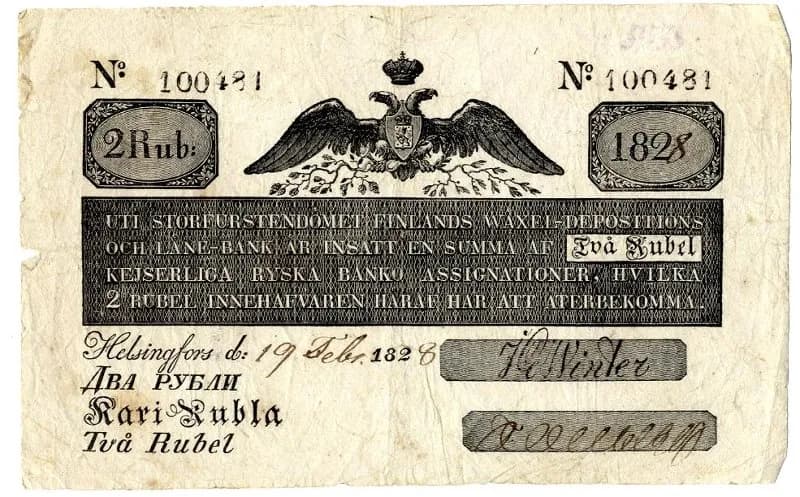
Бумажный денежный знак. Ассигнация 2 руб. (новый тип). Великое княжество Финляндское.
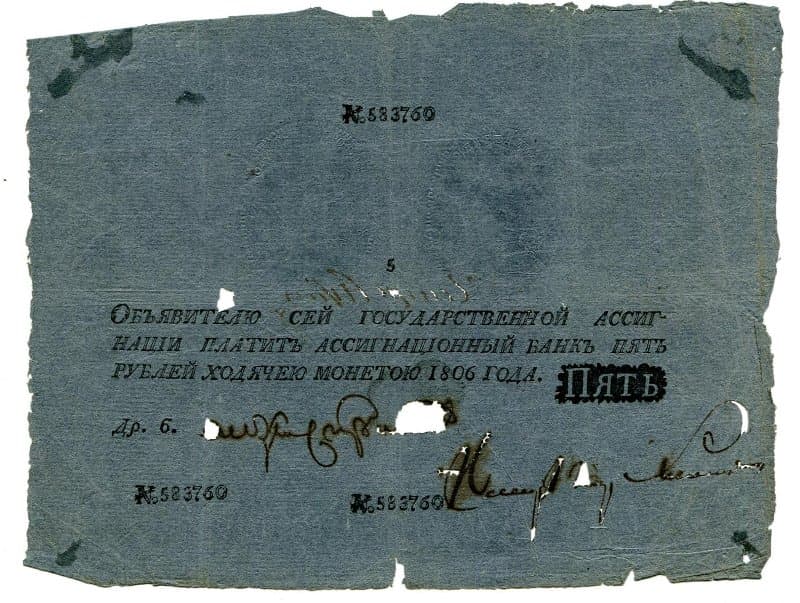
Государственная ассигнация. 5 рублей. № 583760
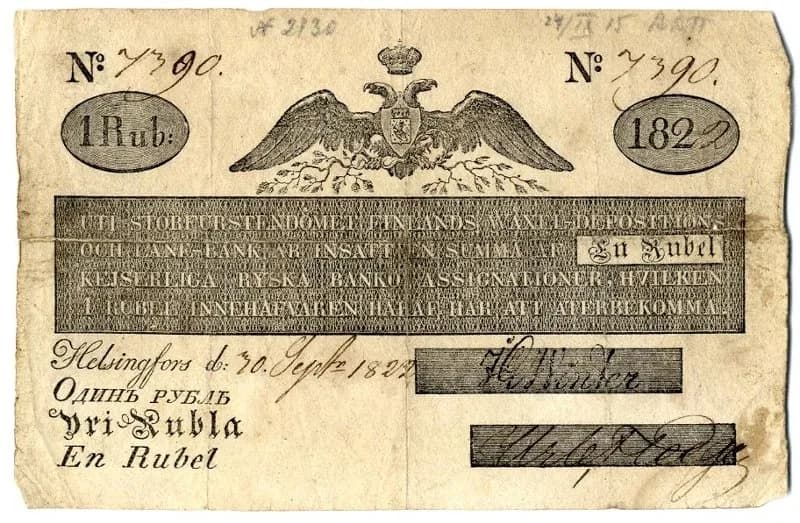
Бумажный денежный знак. Ассигнация 1 руб. ( новый тип) .Великое княжество Финляндское.

Государственная ассигнация 5 рублей.
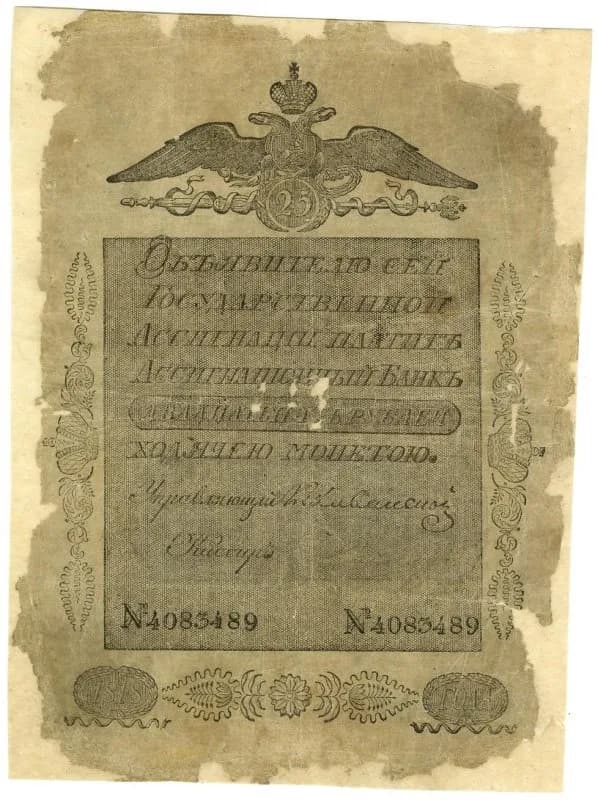
Ассигнация. Александр I (1801-1825). 25 рублей.
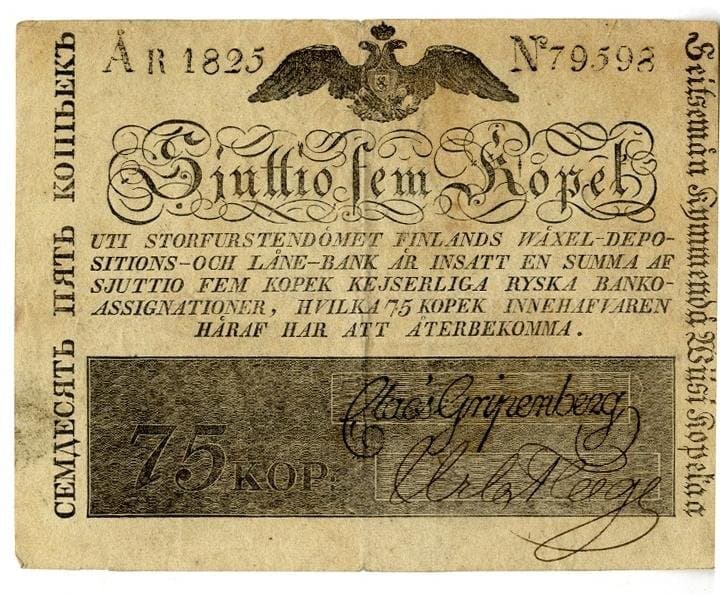
Российская Империя Ассигнация 75 копеек, 1825 (Выпуск для Великого Княжества Финляндского)
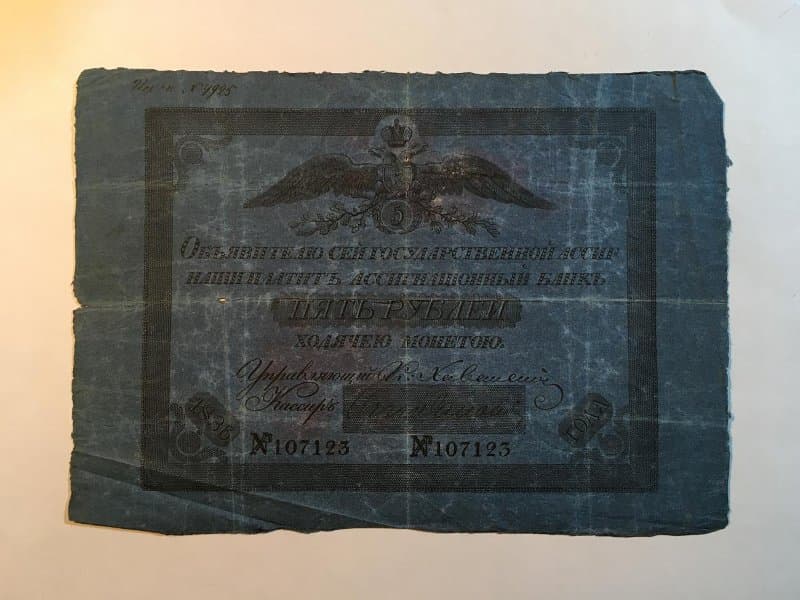
Государственная ассигнация 5 руб. (цвет синий).
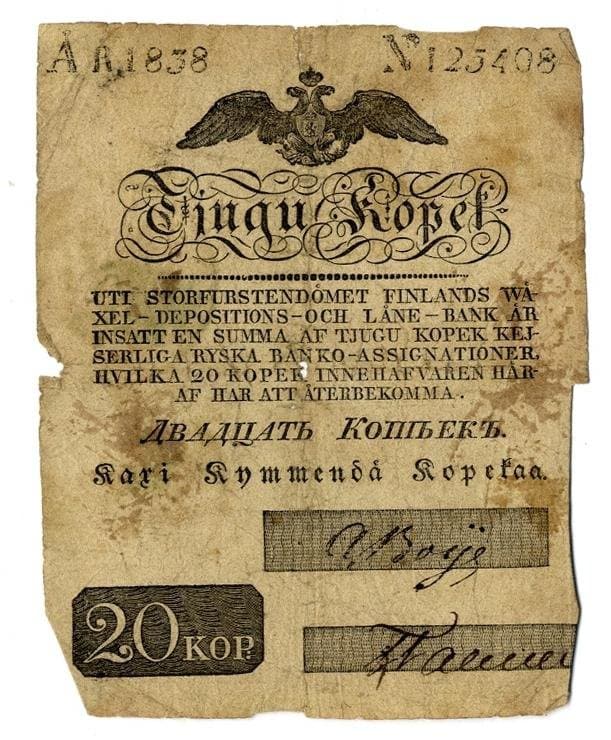
Российская Империя Ассигнация 20 копеек, 1838 (Выпуск Великого Княжества Финляндского)
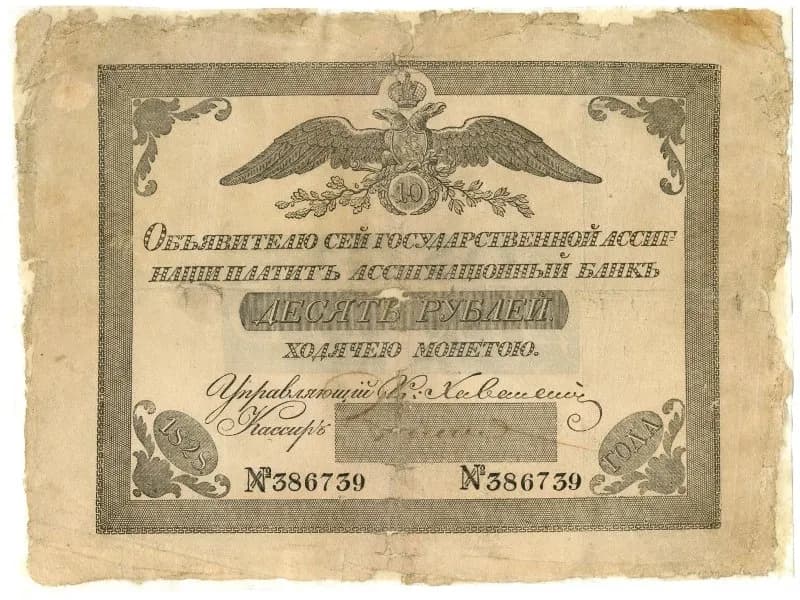
Ассигнация. Николай I (1825-1855). 10 рублей.
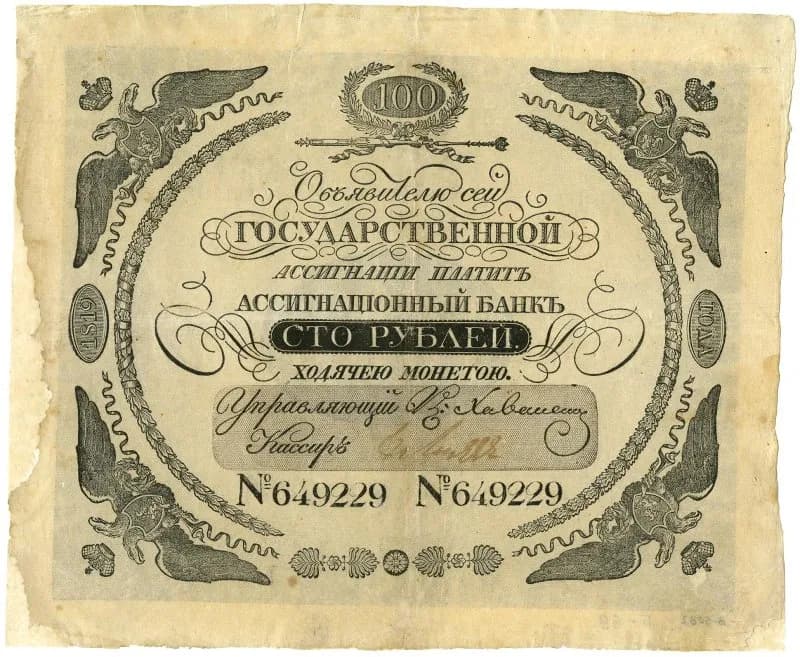
Ассигнация. Александр I (1801-1825). 100 рублей.
Similar Articles
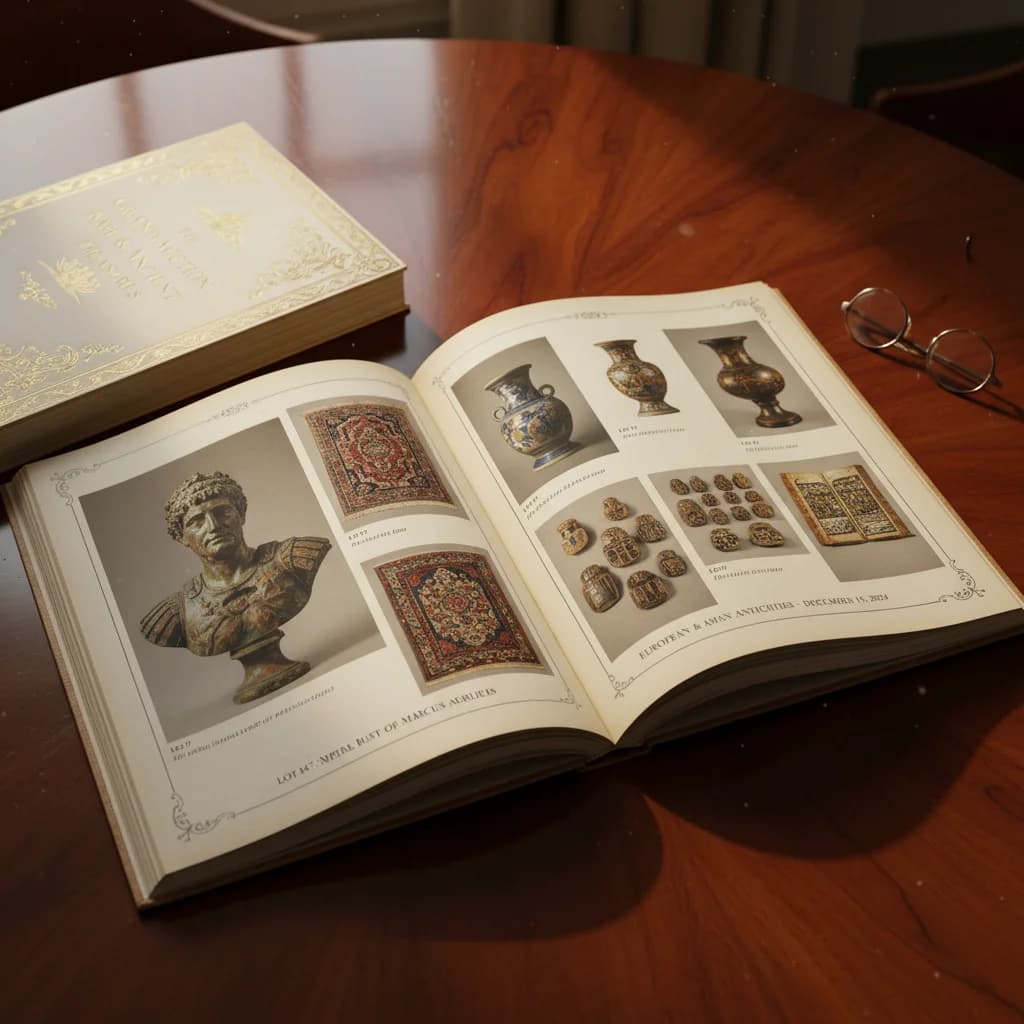
Key Auction Terms: Lot, Estimate, Reserve, Buyer's Premium
Alexander Volkov

How to Participate in an Online Auction: Registration, Bidding, and Fees
Alexander Volkov
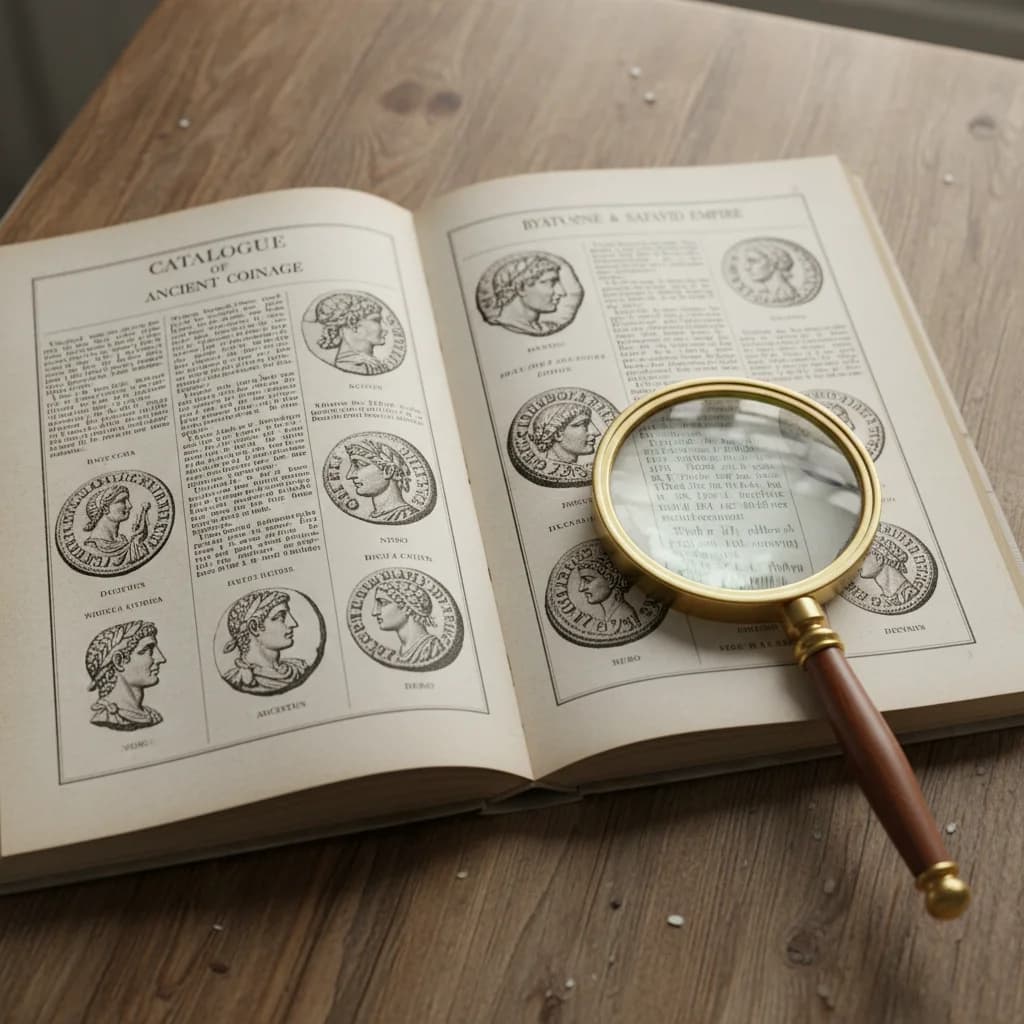
How to Use a Price Guide and Coin Catalogs
Alexander Volkov
Numismatic Auctions: What a Beginner Should Look For
Alexander Volkov
Painting at Auctions: How to Navigate Estimates
Alexander Volkov