
Painting at Auctions: How to Navigate Estimates
When entering the world of painting auctions, one of the first terms a potential buyer encounters is the 'estimate.' This is a preliminary valuation of a work of art, expressed as a price range, for example, from $10,000 to $15,000. The estimate is set by auction house experts based on a thorough analysis.
January 30, 2026
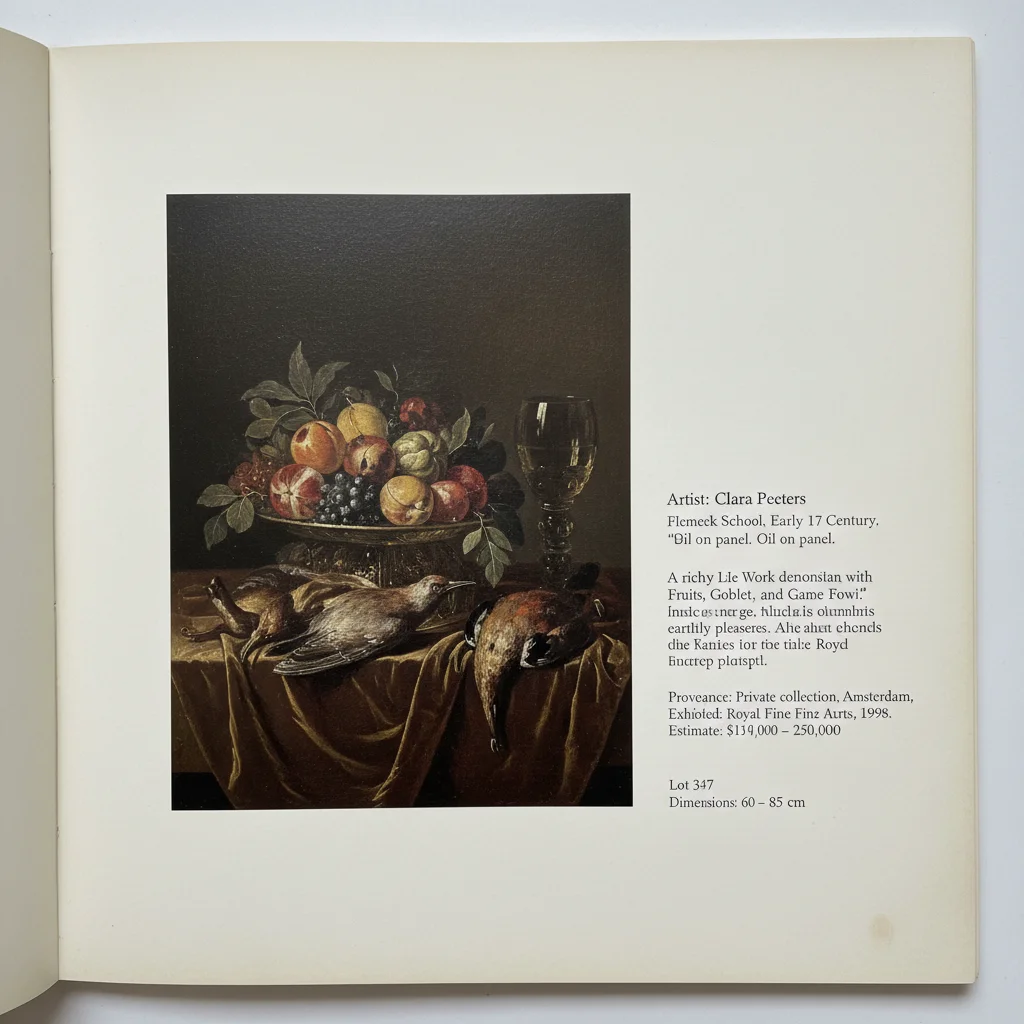
What is an estimate and why is it needed?
When entering the world of painting auctions, one of the first terms a potential buyer encounters is the 'estimate.' This is a preliminary valuation of a work of art, expressed as a price range, for example, from $10,000 to $15,000. The estimate is set by auction house experts based on a thorough analysis.
This valuation is neither the starting nor the final price. Its main purpose is to serve as a guide for bidders, giving them an idea of the lot's estimated market value. The estimate helps buyers determine their budget in advance and understand whether the work fits within their financial means.
For the seller, the estimate also plays an important role by shaping expectations for the sale. However, it is important to remember that the final hammer price can differ significantly from the preliminary valuation, both higher and lower, depending on the bidding activity and collector interest.
Key Factors in Forming an Estimate
Valuing a work of art is a complex process that takes into account many variables. Auction house experts analyze each lot based on a range of criteria to arrive at the most objective price range. Although each case is unique, there are several fundamental factors that influence the estimate.
The main valuation criteria include:
- Authorship and the artist's fame. Works by recognized masters are always valued higher.
- Provenance. This is the history of the painting's ownership. The presence of famous collectors in its history or its inclusion in prestigious exhibitions significantly increases its value.
- Condition of the work. The preservation of the canvas, paints, and frame directly affects the cost. The presence of restorations can either increase or decrease the price depending on their quality.
- Period of creation and style. Works from the artist's most significant and sought-after creative periods are generally more expensive.
- Size and technique. Large-format or technically complex works may have a higher estimate.
- Previous sales results. Analysis of auction prices for similar works by the same author is an important benchmark.
The combination of these factors allows experts to form a balanced and well-reasoned estimate that reflects the current situation in the art market.

Auction Terminology: Estimate, Reserve, and Hammer Price
| Term | Description |
| Estimate | The projected sale price range set by auction house experts before the auction begins. |
| Reserve Price | The confidential minimum price agreed upon with the seller, below which the lot cannot be sold. |
| Hammer Price | The final price, confirmed by the auctioneer's hammer, at which bidding for the lot concluded. |
| Price with Buyer's Premium | The total amount the buyer pays. It consists of the hammer price plus the auction house's commission (the buyer's premium). |
To feel confident at an auction, it's essential to understand the basic terminology. Understanding the differences between key concepts will help you avoid misunderstandings and properly plan your buying strategy. All these terms are closely related but signify different stages of pricing at an auction.
Here are the main concepts every bidder should know:
It's important to remember that the reserve price never exceeds the low estimate. If the bidding does not reach this mark, the lot is considered unsold. And when calculating your budget, you should always factor in the auction house's commission, which is added to the hammer price.

Buying Strategy: How to Use the Estimate to Your Advantage
The estimate is a powerful tool in the hands of an informed buyer. Using this information correctly can be the foundation of a successful purchase. Instead of blindly following the given range, it's worth developing your own strategy based on analysis and preparation.
To participate effectively in an auction, it is recommended to adhere to the following plan of action:
- Conduct your research. Before the auction, independently study the artist and their work. Find information about prices for similar works at other auctions. This will help you form your own opinion on the lot's fair value.
- Determine your maximum bid. Decide in advance the maximum amount you are willing to pay for the painting, including the auction house's commission. This will help you avoid emotional decisions in the heat of bidding and stay within your budget.
- Don't treat the estimate as dogma. Remember that it is just a forecast. If your analysis shows that a work is undervalued, you might make a great purchase. Conversely, you shouldn't overpay for a lot with what you believe is an inflated estimate.
- Attend the pre-auction viewing. Be sure to inspect the painting in person to assess its actual condition, colors, and texture. Catalog photos do not always convey all the nuances.
By following these simple rules, you can use the estimate not as a limitation, but as a starting point for making a well-informed and profitable purchasing decision.

Comments (0)
No comments yet. Be the first to share your thoughts!
Related Lots

Государственная ассигнация 5 руб. (цвет синий).
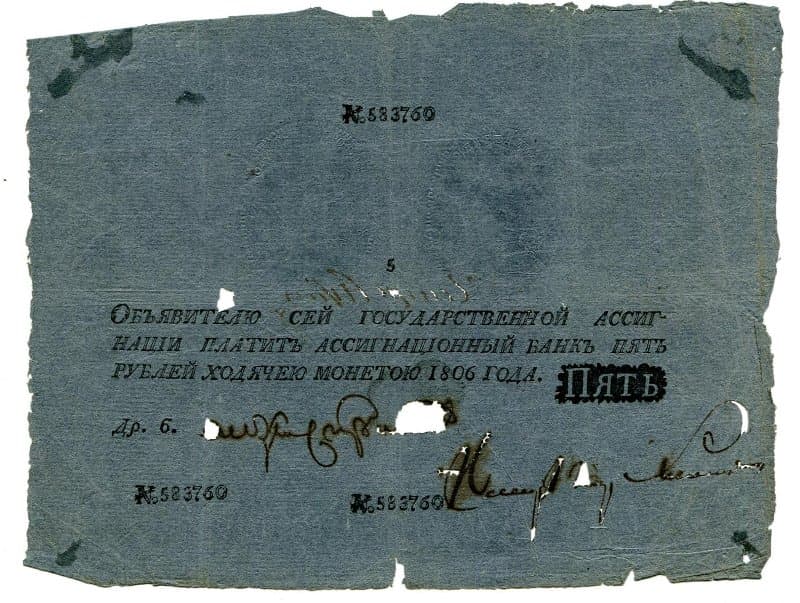
Государственная ассигнация. 5 рублей. № 583760
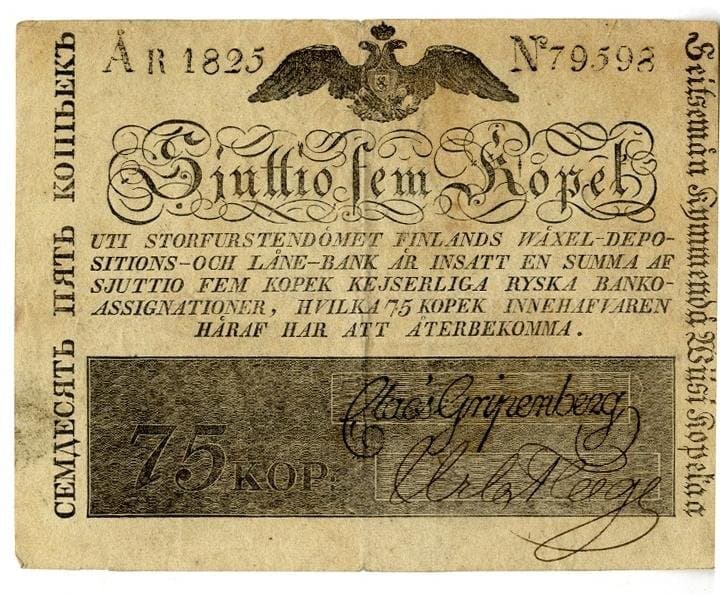
Российская Империя Ассигнация 75 копеек, 1825 (Выпуск для Великого Княжества Финляндского)
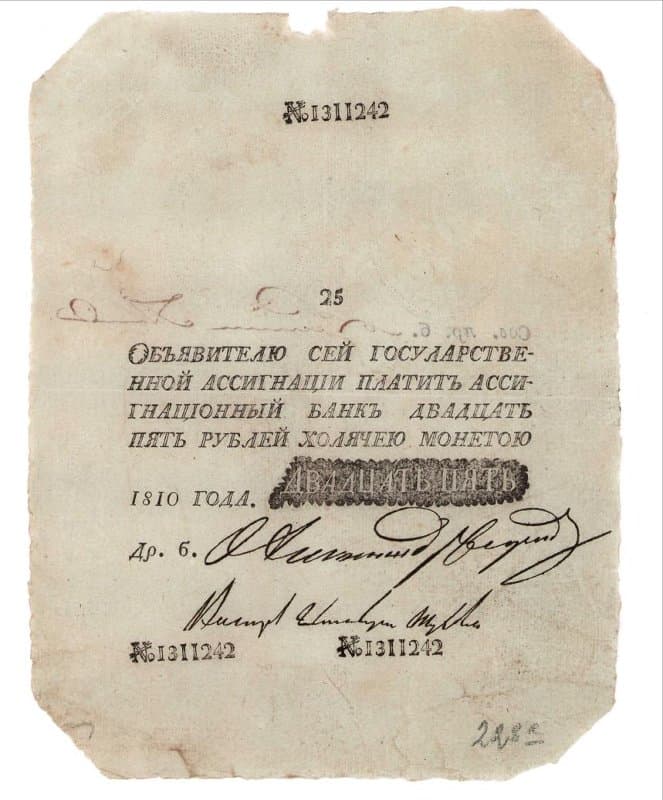
Государственная ассигнация. Фальшивая. 25 рублей. № 1311242
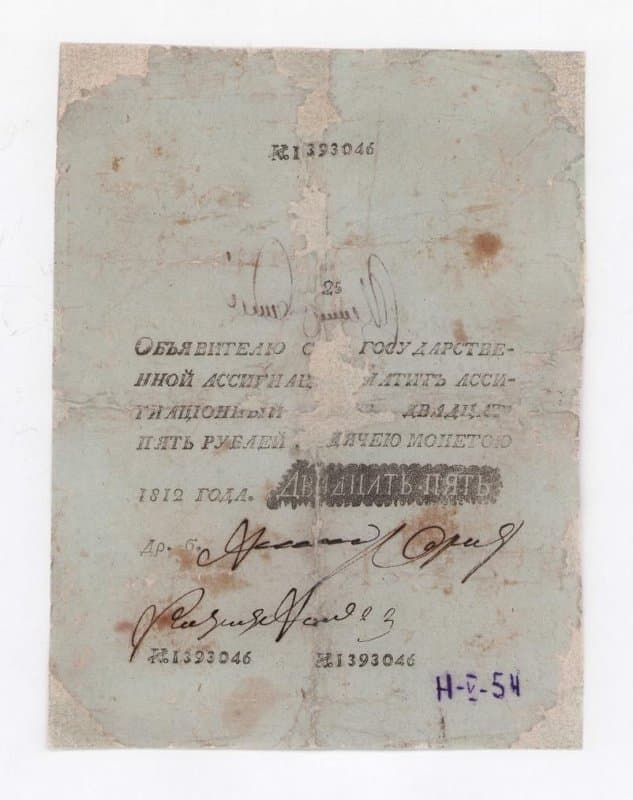
Российская Империя Ассигнация 25 рублей, 1812 (Период 1786-1819)
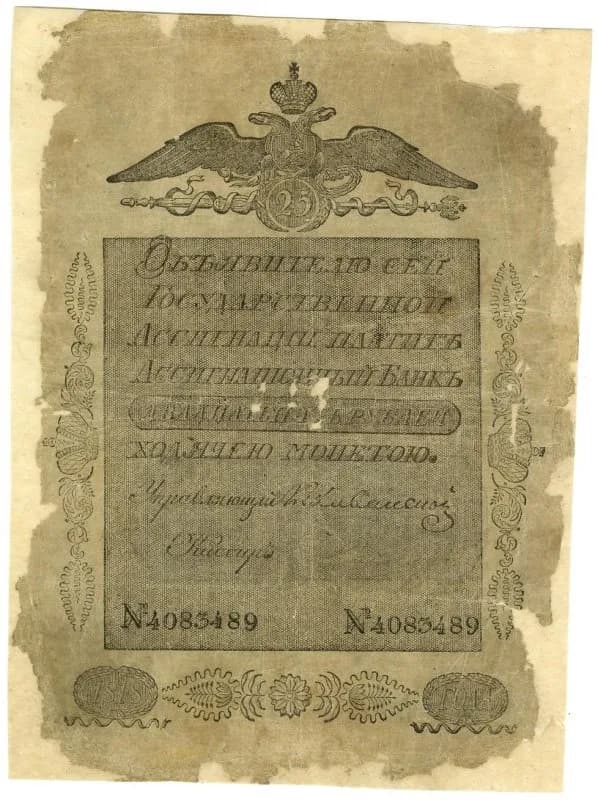
Ассигнация. Александр I (1801-1825). 25 рублей.
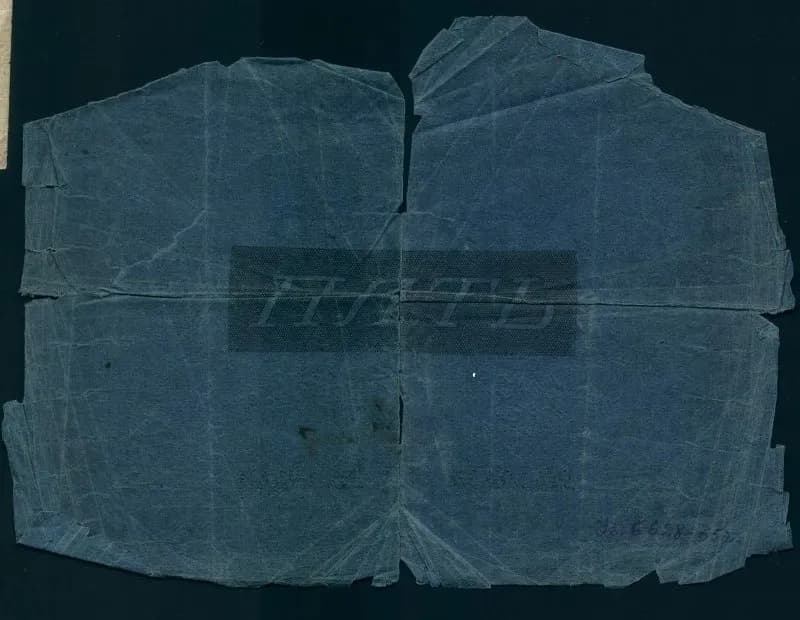
Государственная ассигнация 5 рублей.
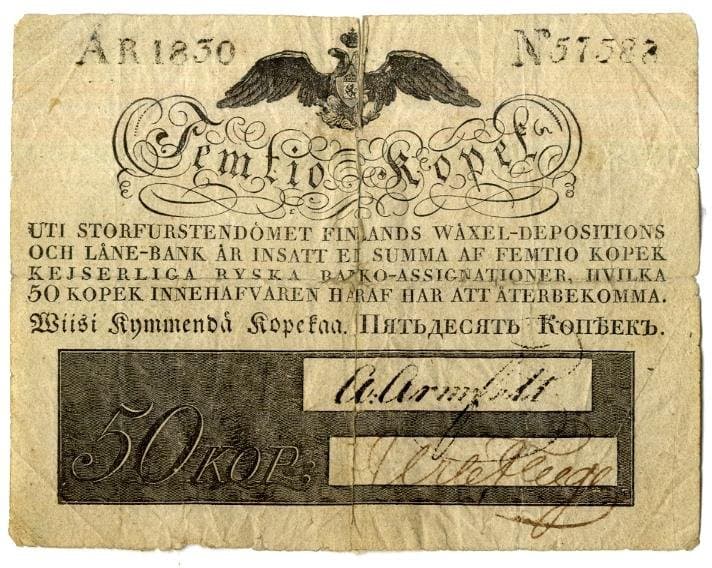
Российская Империя Ассигнация 50 копеек, 1830 (Выпуск для Великого Княжества Финляндского)
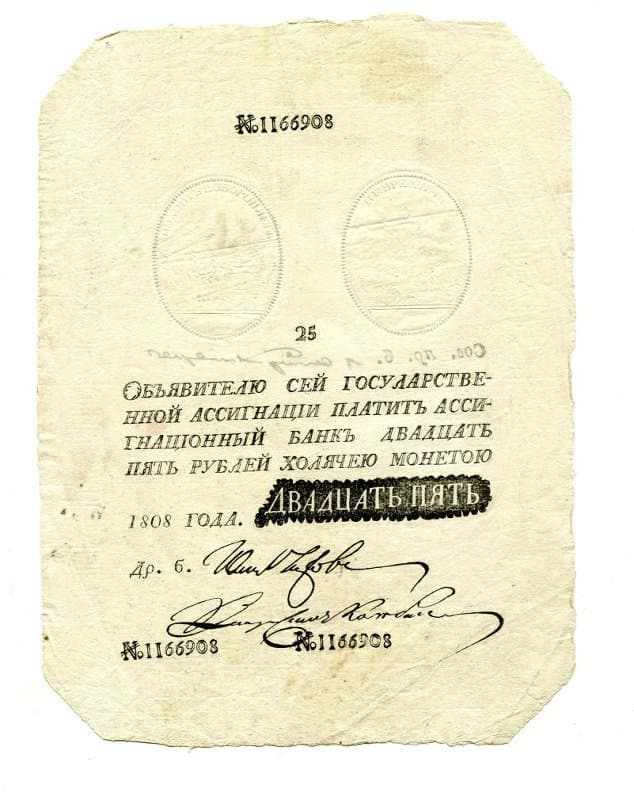
Российская Империя Ассигнация 25 рублей, 1808 (Период 1786-1819)

Ассигнация. Николай I (1825-1855). 10 рублей.
Similar Articles
Key Auction Terms: Lot, Estimate, Reserve, Buyer's Premium
Alexander Volkov

Major Houses vs. Regional Auctions: Pros and Limitations
Alexander Volkov
How to Read an Auction Catalog
Alexander Volkov

How to Participate in an Online Auction: Registration, Bidding, and Fees
Alexander Volkov
Numismatic Auctions: What a Beginner Should Look For
Alexander Volkov