
Major Houses vs. Regional Auctions: Pros and Limitations
International auction houses, such as Sotheby's, Christie's, or Phillips, are the pinnacle of the art market. Their main advantage is global reach. By selling an item through such a platform, you gain access to wealthy collectors from all over the world, which can significantly increase the final price of the lot.
January 30, 2026
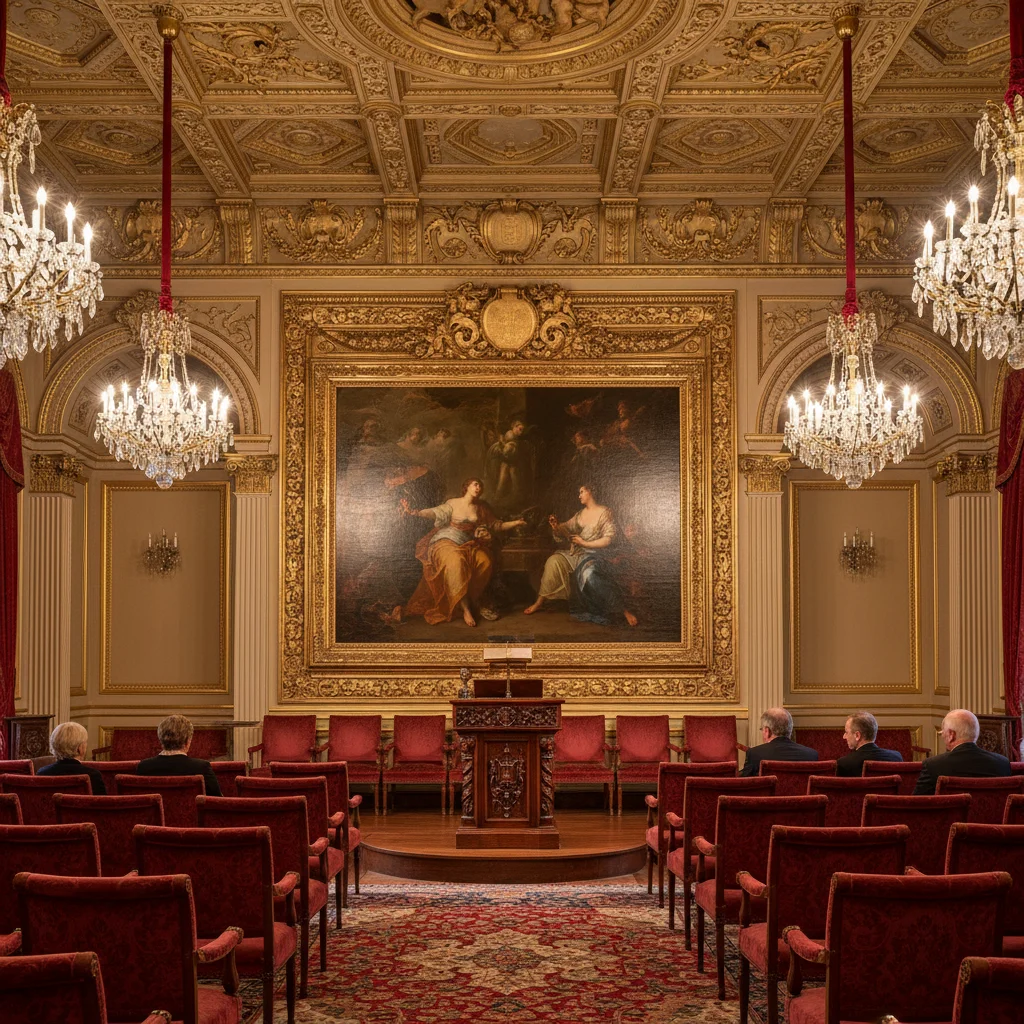
The World of Big Names: International Auction Houses
International auction houses, such as Sotheby's, Christie's, or Phillips, are the pinnacle of the art market. Their main advantage is global reach. By selling an item through such a platform, you gain access to wealthy collectors from all over the world, which can significantly increase the final price of the lot.
These houses invest heavily in marketing, pre-sale exhibitions in various cities, and the creation of high-quality catalogs. Their experts are highly qualified, and their appraisal (provenance) adds value and prestige to the item. However, getting into such auctions is not easy—the selection of lots is very strict, and preference is given to museum-quality items or works by world-renowned masters.
The key advantages and disadvantages of working with major houses can be summarized as follows:
- Pros: maximum audience reach, high prices, impeccable reputation, professional marketing, high-quality expertise.
- Cons: high commission fees (for both seller and buyer), strict lot selection, long preparation process for the auction.
The Power of Place: Regional Auction Platforms
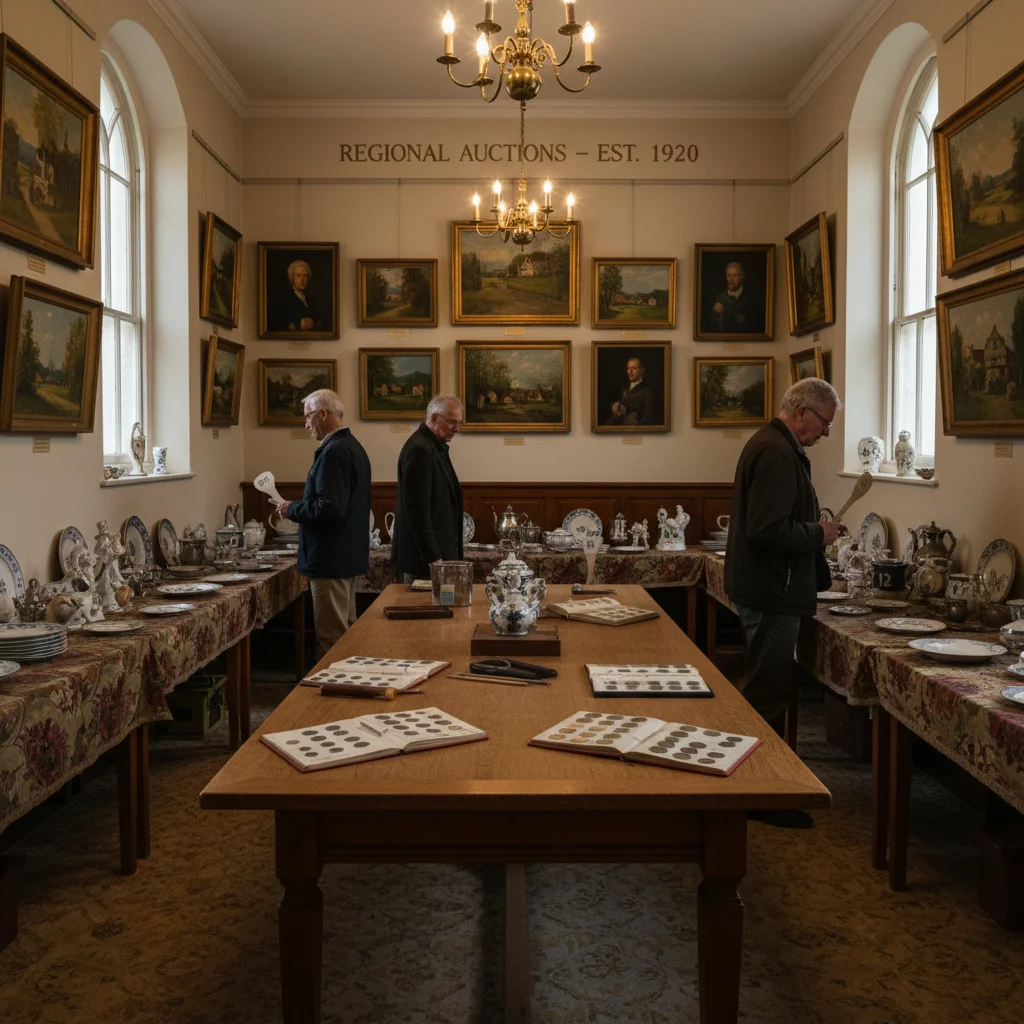
Regional auctions are a more accessible and flexible alternative to the market giants. They are ideal for selling items of historical or cultural value to a specific area, as well as for mid-range antiques.
The main advantage of such platforms is the low barrier to entry. They readily accept lesser-known but interesting lots that would not pass the selection at Christie's. Commission fees are significantly lower, and the entire process from appraisal to sale is much faster.
Regional auctions often specialize in specific categories, such as local painting, numismatics, or antique furniture. This attracts specialized collectors who are specifically looking for such items. However, their marketing capabilities and audience reach are limited, which can affect the final sale price.
Comparative Analysis: Key Differences
| Parameter | International Auction Houses | Regional Auctions |
| Audience Reach | Global (worldwide) | Local or national |
| Seller's Commission | 10-25% and higher | 5-15% |
| Lot Requirements | Very high (museum quality, famous names) | Flexible (antiques, collectibles) |
| Marketing | Large-scale international campaigns, exhibitions | Local advertising, online catalogs, newsletters |
| Speed of Sale | Long process (several months) | Fast process (several weeks) |
| Expertise | World-class specialists | Competent local experts |
When choosing a platform for selling or buying antiques, it is important to understand the fundamental differences in their operations. These concern not only the scale but also the financial conditions, level of expertise, and the type of lots accepted.
Each type of auction offers its own set of services and is aimed at its own audience. Global houses work for the international premium market, while regional platforms serve local and niche collector segments.
For clarity, the main differences can be presented in a table.

How to Make the Right Choice: A Guide for Sellers
The decision of where to turn depends on three key factors: the item itself, your financial expectations, and your timeframe. There is no one-size-fits-all answer, and the strategy may differ for each lot.
To begin with, you need to conduct a preliminary appraisal of your item. If you suspect its value is in the tens or hundreds of thousands of dollars and it is associated with a big name, your path lies with an international auction house. If it is a quality but not exclusive antique, it is better to start with regional platforms.
To make an informed decision, answer a few important questions:
- What is the market value and uniqueness of my item? Does it have an impeccable provenance?
- Who is my potential buyer? Is it an international collector or an enthusiast from my region?
- How important is the speed of sale to me? Am I willing to wait several months for a potentially higher price?
- What level of commission fees is acceptable to me?
- Does my item require world-class expertise and marketing support?

Comments (0)
No comments yet. Be the first to share your thoughts!
Related Lots

Ассигнация. Николай I (1825-1855). 10 рублей.
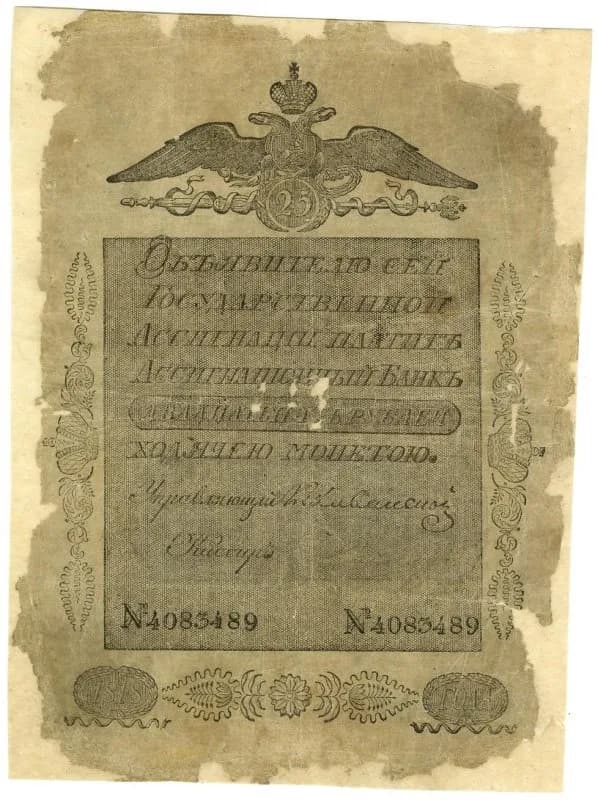
Ассигнация. Александр I (1801-1825). 25 рублей.

Государственная ассигнация 5 руб. (цвет синий).
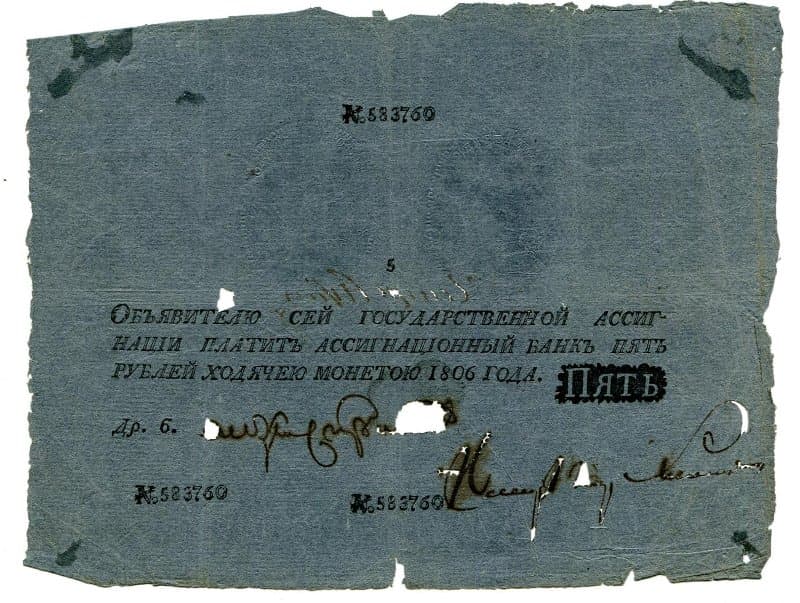
Государственная ассигнация. 5 рублей. № 583760
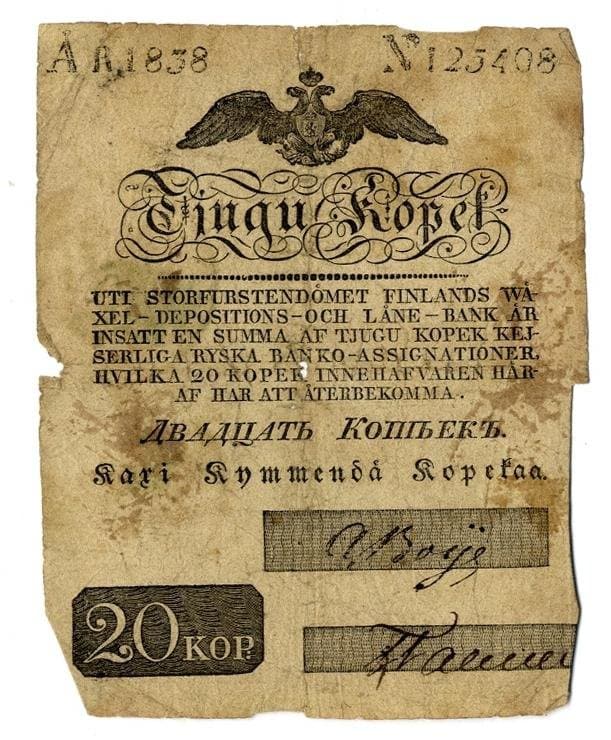
Российская Империя Ассигнация 20 копеек, 1838 (Выпуск Великого Княжества Финляндского)
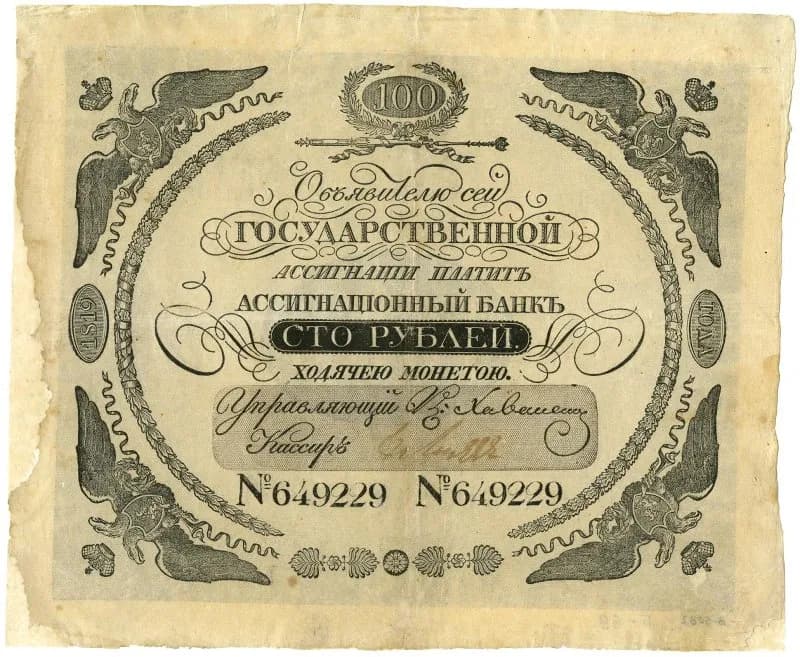
Ассигнация. Александр I (1801-1825). 100 рублей.
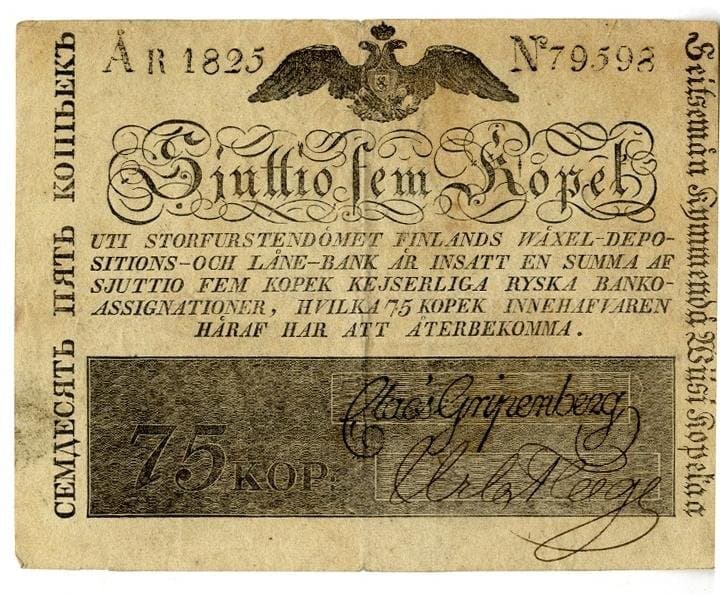
Российская Империя Ассигнация 75 копеек, 1825 (Выпуск для Великого Княжества Финляндского)
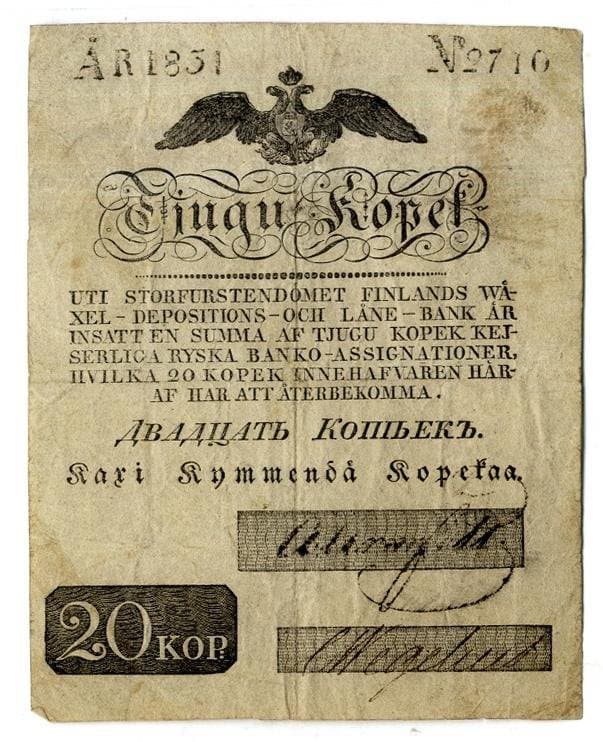
Российская Империя Ассигнация 20 копеек, 1831 (Выпуск Великого Княжества Финляндского)
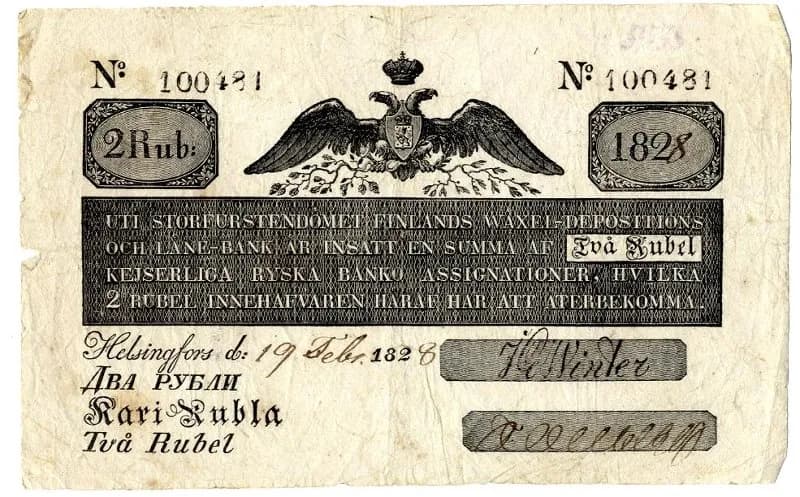
Бумажный денежный знак. Ассигнация 2 руб. (новый тип). Великое княжество Финляндское.
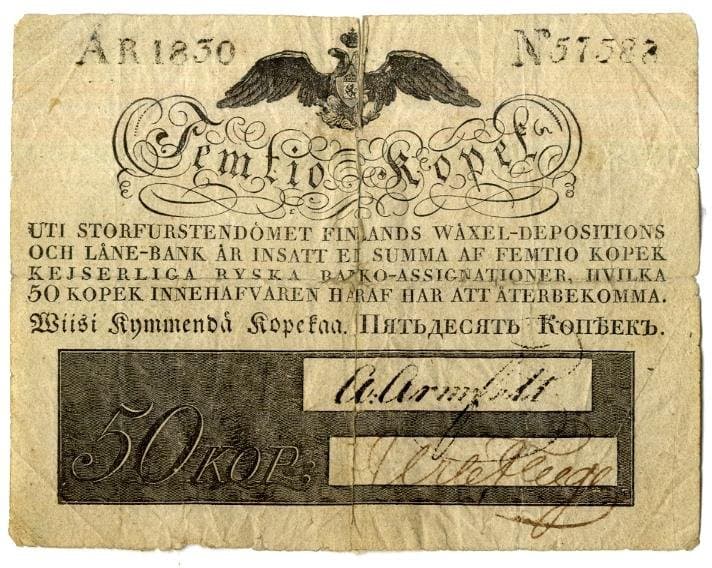
Российская Империя Ассигнация 50 копеек, 1830 (Выпуск для Великого Княжества Финляндского)
Similar Articles
How to Participate in an Online Auction: Registration, Bidding, and Fees
Alexander Volkov
Numismatic Auctions: What a Beginner Should Look For
Alexander Volkov
Painting at Auctions: How to Navigate Estimates
Alexander Volkov
How to Read an Auction Catalog
Alexander Volkov
Key Auction Terms: Lot, Estimate, Reserve, Buyer's Premium
Alexander Volkov