
How to Participate in an Online Auction: Registration, Bidding, and Fees
The journey to buying at an online auction begins with choosing a suitable trading platform. There are hundreds of platforms, from major international houses to niche sites specializing in specific categories, such as coins or vintage clothing. It's important to take the time to research the auction's reputation, read user reviews, and carefully review its rules.
January 30, 2026

Choosing a Platform and Registering: The First Step into the World of Bidding
The journey to buying at an online auction begins with choosing a suitable trading platform. There are hundreds of platforms, from major international houses to niche sites specializing in specific categories, such as coins or vintage clothing. It's important to take the time to research the auction's reputation, read user reviews, and carefully review its rules.
The registration process is usually intuitive and similar to creating an account in an online store. However, auction houses often require more data for identity verification, including payment information. This is a standard security measure for all participants.
- Reputation and reviews of the platform.
- Specialization of the auction house.
- The amount of commissions and other fees.
- Payment and delivery terms for lots.
- User verification procedure.
Researching Lots and Auction Rules
| Term | Description |
| Starting price | The minimum price at which bidding for a lot begins. |
| Bidding increment | A fixed or percentage amount by which each subsequent bid increases. |
| Estimate | The estimated price range in which experts believe the lot will be sold. |
| Reserve price | A confidential minimum price set by the seller. If the bidding does not reach this mark, the lot is not sold. |
After successful registration comes the research stage. You shouldn't rush to place bids without thoroughly examining the item you are interested in. Quality auction platforms provide a detailed description of each lot, numerous photos from different angles, and often, a condition report. It's important to read all the details carefully to understand if the item has defects, has been restored, or has other special features.
Along with studying the lot, you need to understand the terminology and rules of the specific auction. Understanding the basic concepts will help avoid misunderstandings and financial losses. Key terms are usually explained in the rules or FAQ section on the auction's website.

The Bidding Process: How to Place Bids Correctly
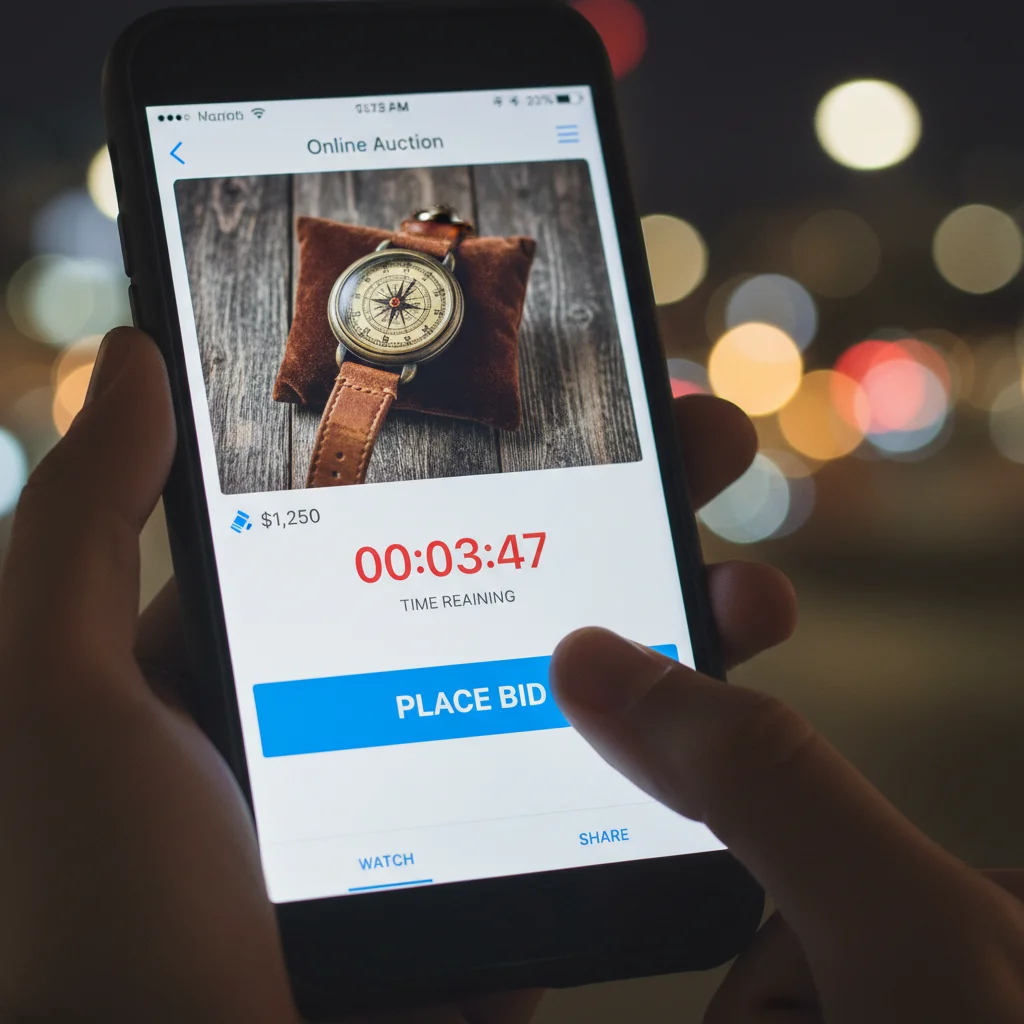
Once the lot is chosen and all the rules have been studied, you can move on to the most exciting stage – the bidding. Online auctions offer several ways to place bids. The simplest is manual bidding, where you follow the auction in real-time and manually increase the price each time your bid is outbid.
A more convenient option is an automatic or absentee bid (proxy bid). You specify the maximum amount you are willing to pay for the lot in advance. The system will then automatically place bids for you at the smallest possible increment until your limit is reached. This allows you to avoid constantly monitoring the auction and protects you from emotional, impulsive decisions in the heat of the moment.
- Log into your account on the auction platform.
- Open the page of the lot you are interested in.
- Enter your bid amount or the maximum limit for automatic bidding.
- Confirm your bid.
- Track the status of the lot in your personal account.
Commissions and Other Costs: What's Included in the Final Price
| Type of Fee | Description |
| Buyer's Premium | A percentage of the hammer price charged by the auction house. The main additional cost. |
| Taxes (VAT) | May be charged on both the hammer price and the buyer's premium, depending on legislation. |
| Shipping Costs | Packing, transportation, and insurance of the lot during transit to the buyer. |
| Customs Duties | Charged when purchasing a lot from abroad. |
It's important to remember that the price at which a lot is sold (the 'hammer price') is not the final amount to be paid. Additional fees are always added, which can significantly increase the total cost of the purchase. The main such fee is the Buyer's Premium.
The Buyer's Premium is a percentage of the hammer price that the auction house charges the winner for its services. The size of this commission varies from 10% to 30% and is always stated in the auction rules. In addition to it, other costs may arise that you need to be aware of in advance to calculate your budget correctly.
Payment and Collection of a Won Lot
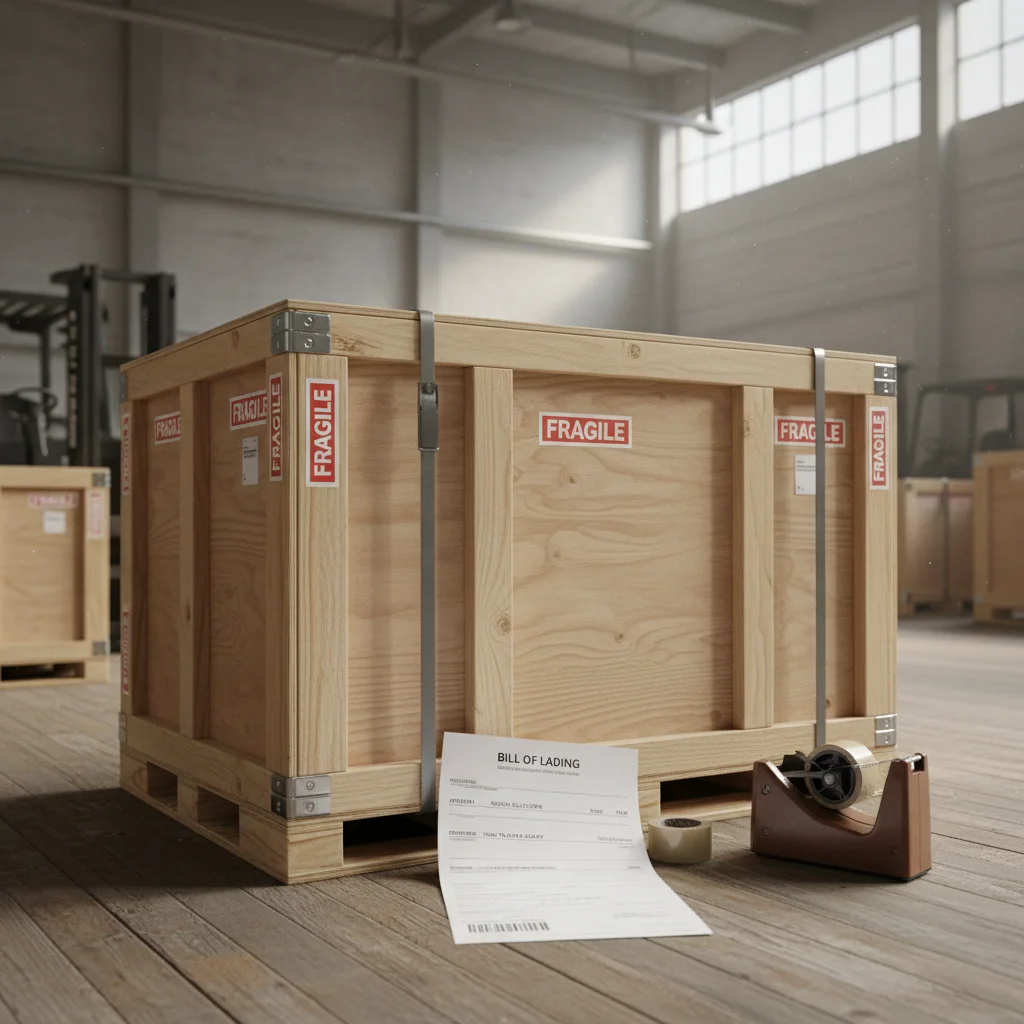
Congratulations, your bid has won! Immediately after the auction ends, the auction house will send you a notification and an invoice to your email. This document will detail the total amount due, including the hammer price, buyer's premium, and all applicable taxes.
Payment must be made within the timeframe specified in the auction rules – usually from a few days to a week. After payment is confirmed, you can arrange to collect the lot. Most auctions offer services to organize worldwide shipping, but you can also collect the item yourself from the auction house's warehouse.
- Wait for the official invoice from the auction house.
- Pay the full amount within the specified deadlines using a convenient method (card, bank transfer).
- Contact the logistics department to clarify shipping or pickup details.
- Upon receipt, carefully inspect the item for its condition and to ensure it matches the description.
Comments (0)
No comments yet. Be the first to share your thoughts!
Related Lots
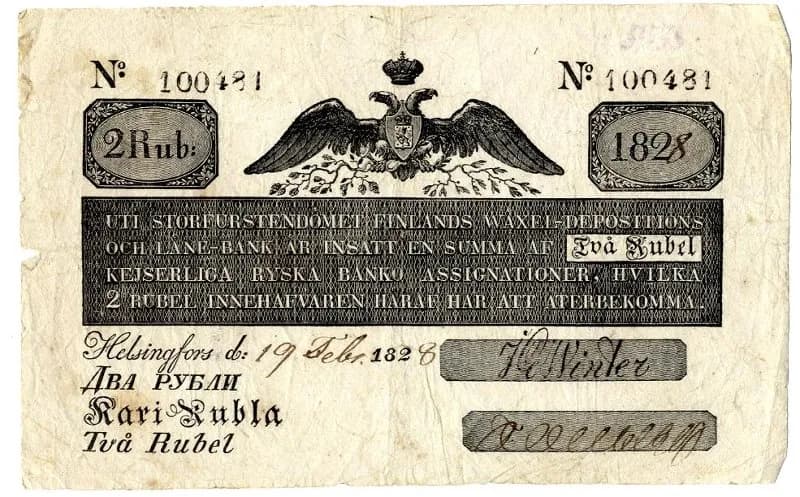
Бумажный денежный знак. Ассигнация 2 руб. (новый тип). Великое княжество Финляндское.
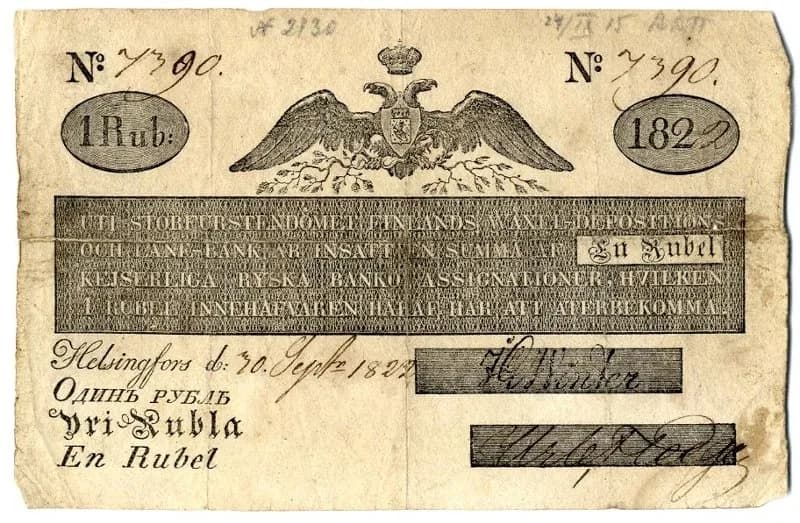
Бумажный денежный знак. Ассигнация 1 руб. ( новый тип) .Великое княжество Финляндское.
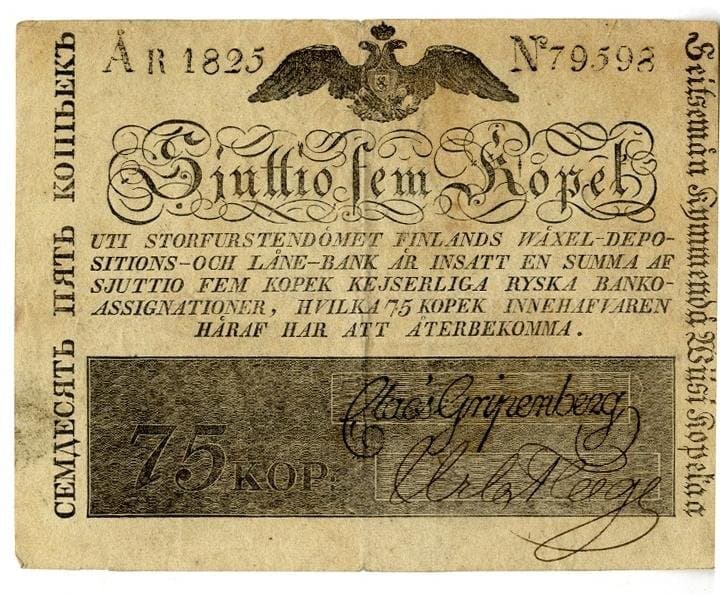
Российская Империя Ассигнация 75 копеек, 1825 (Выпуск для Великого Княжества Финляндского)
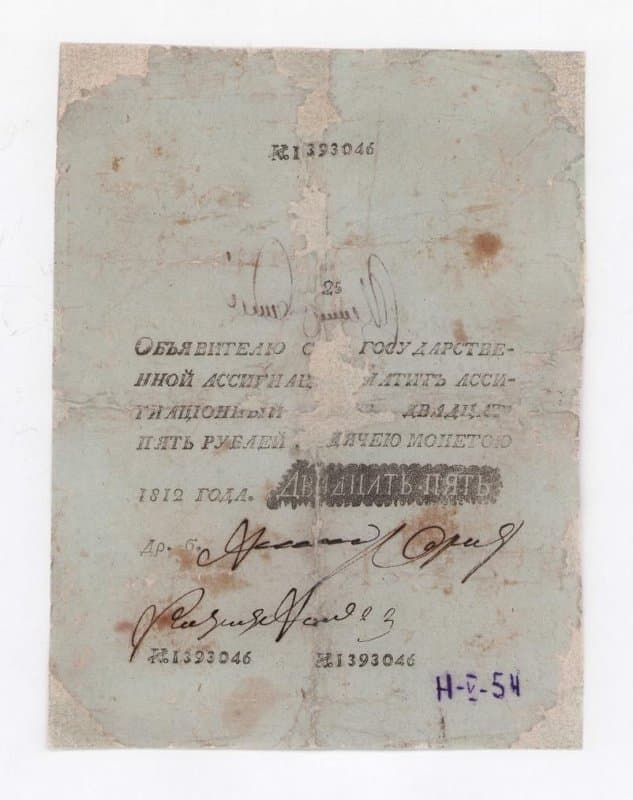
Российская Империя Ассигнация 25 рублей, 1812 (Период 1786-1819)
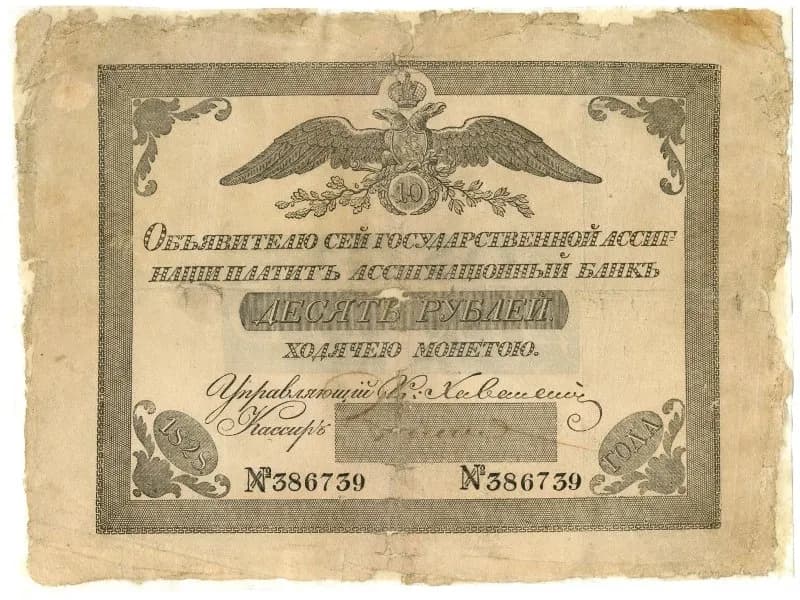
Ассигнация. Николай I (1825-1855). 10 рублей.
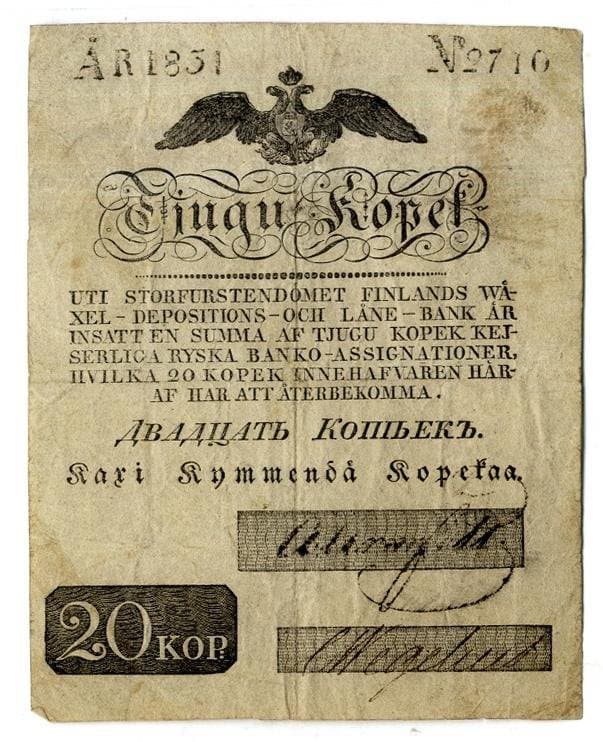
Российская Империя Ассигнация 20 копеек, 1831 (Выпуск Великого Княжества Финляндского)
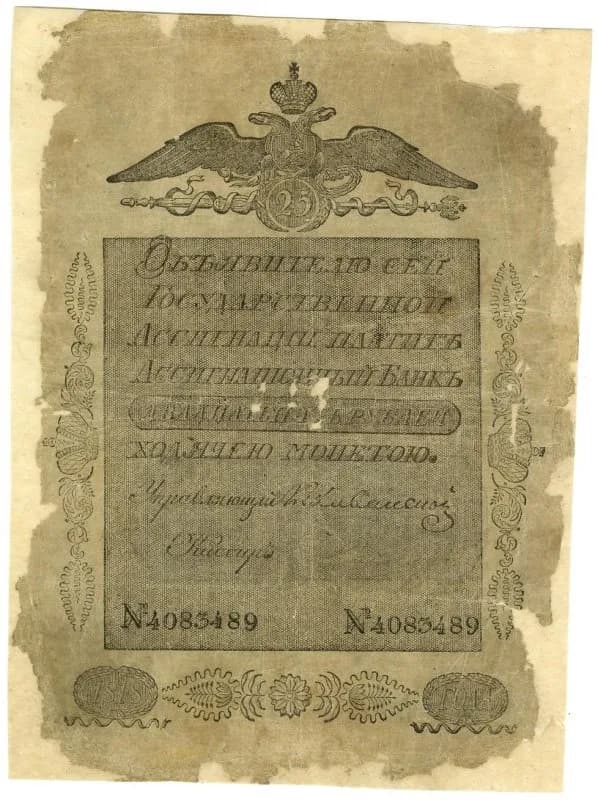
Ассигнация. Александр I (1801-1825). 25 рублей.
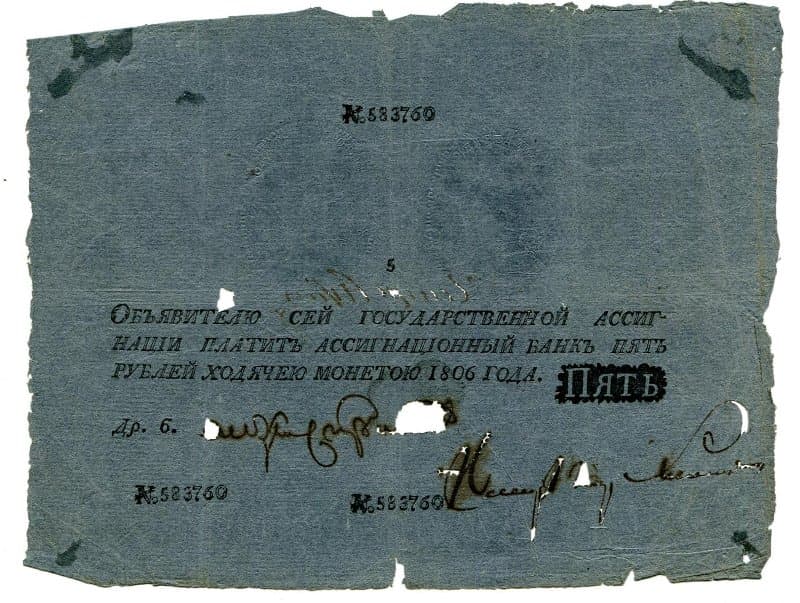
Государственная ассигнация. 5 рублей. № 583760
Государственная ассигнация 5 рублей.
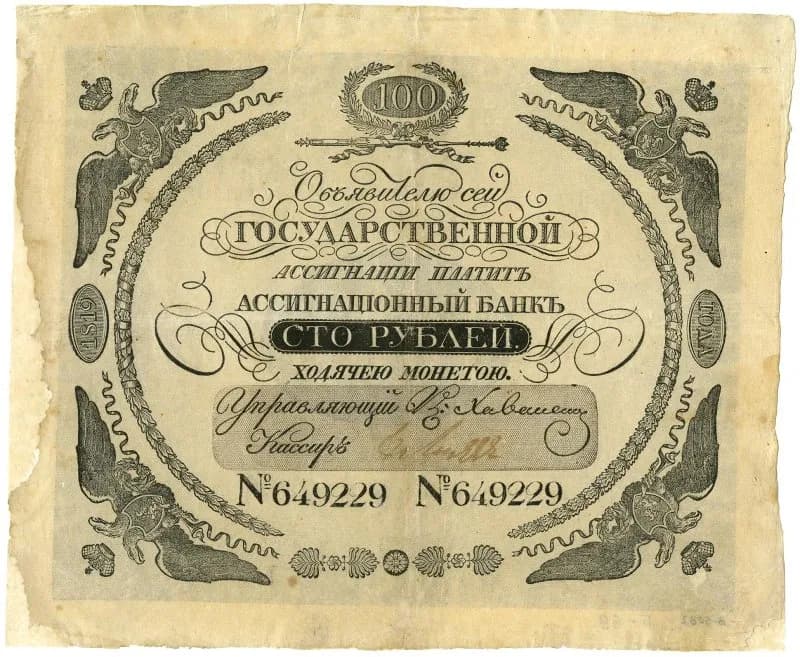
Ассигнация. Александр I (1801-1825). 100 рублей.
Similar Articles
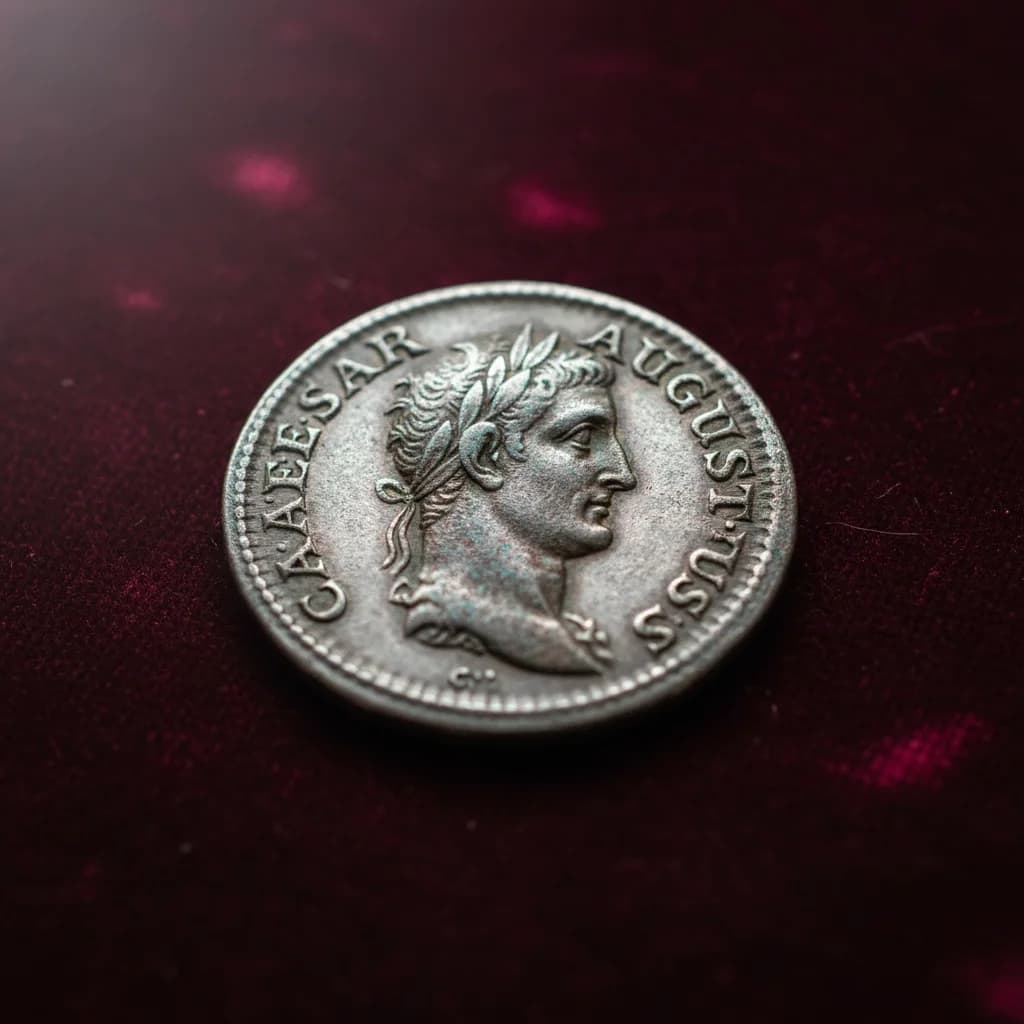
Numismatic Auctions: What a Beginner Should Look For
Alexander Volkov
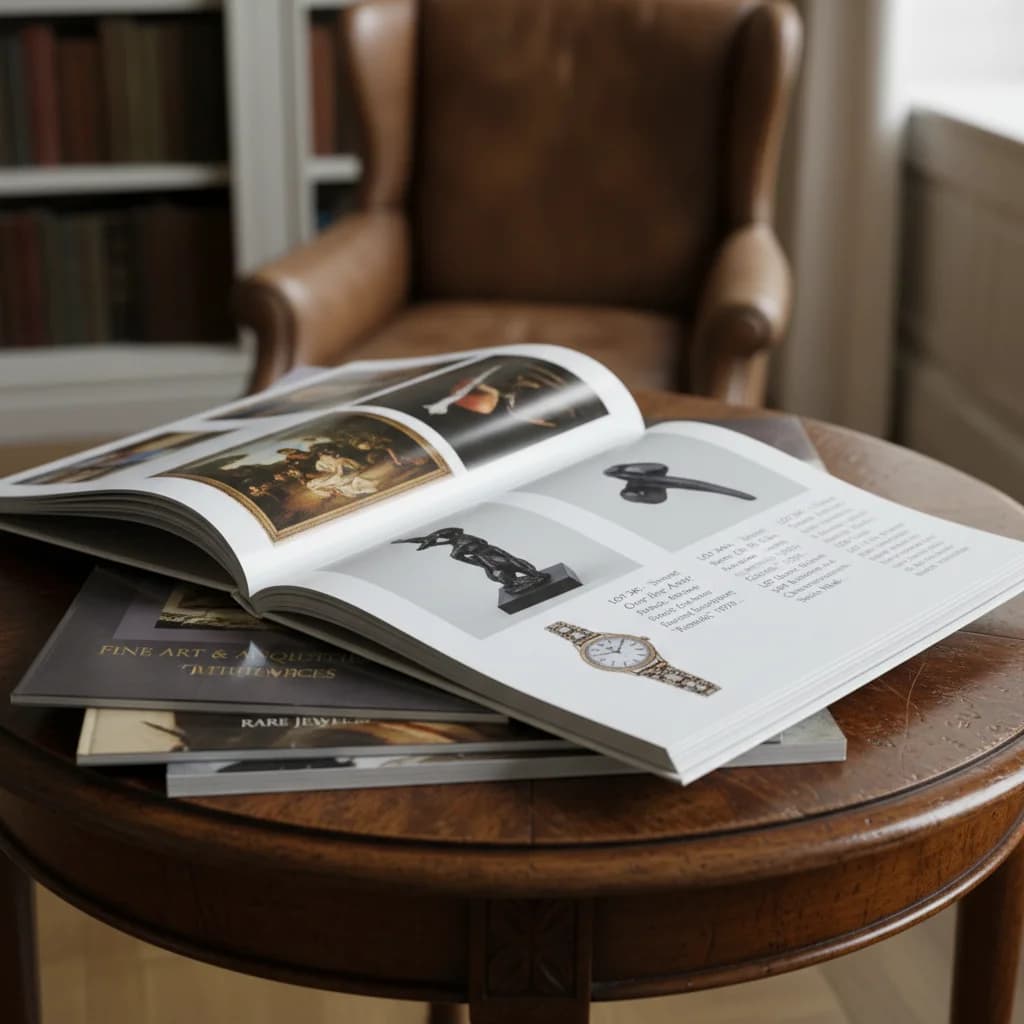
How to Read an Auction Catalog
Alexander Volkov
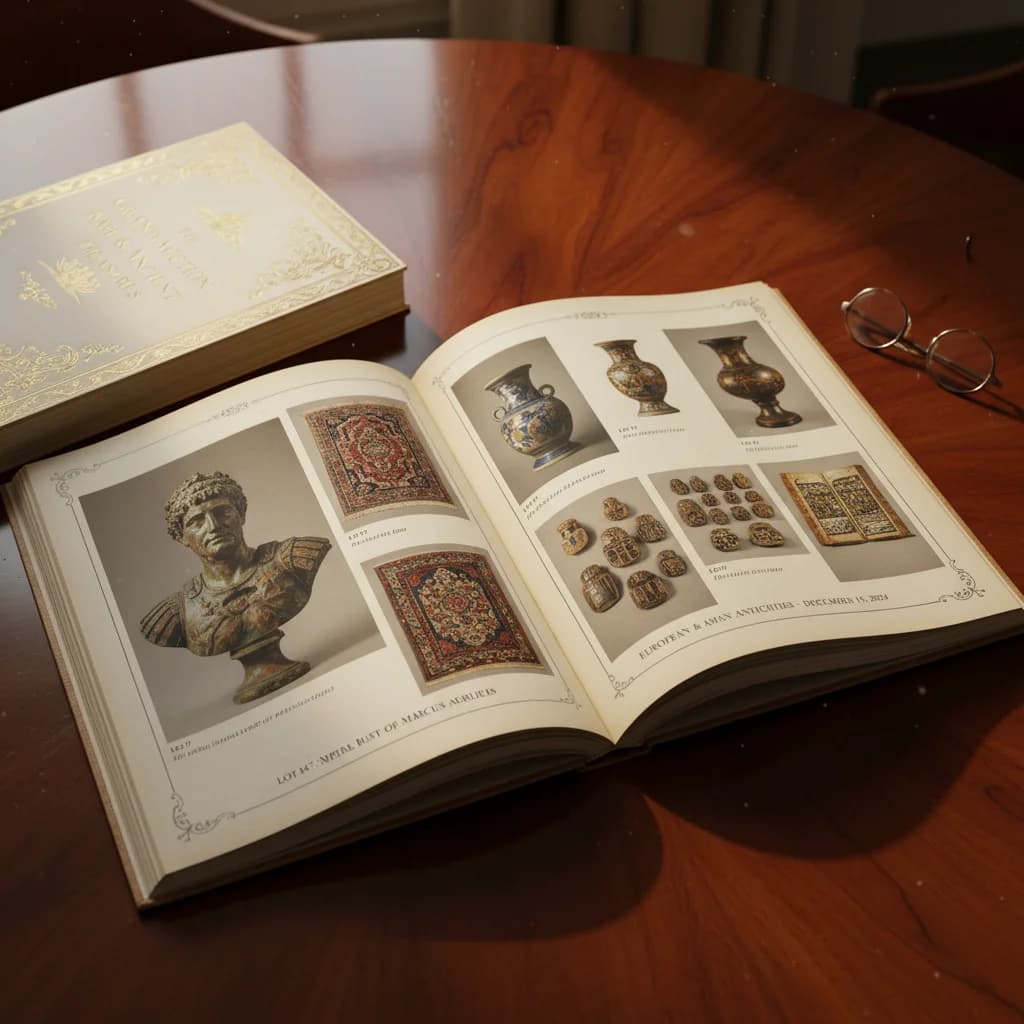
Key Auction Terms: Lot, Estimate, Reserve, Buyer's Premium
Alexander Volkov

Major Houses vs. Regional Auctions: Pros and Limitations
Alexander Volkov

Antique Furniture: Styles and Pricing Factors
Alexander Volkov