
Antique Furniture: Styles and Pricing Factors
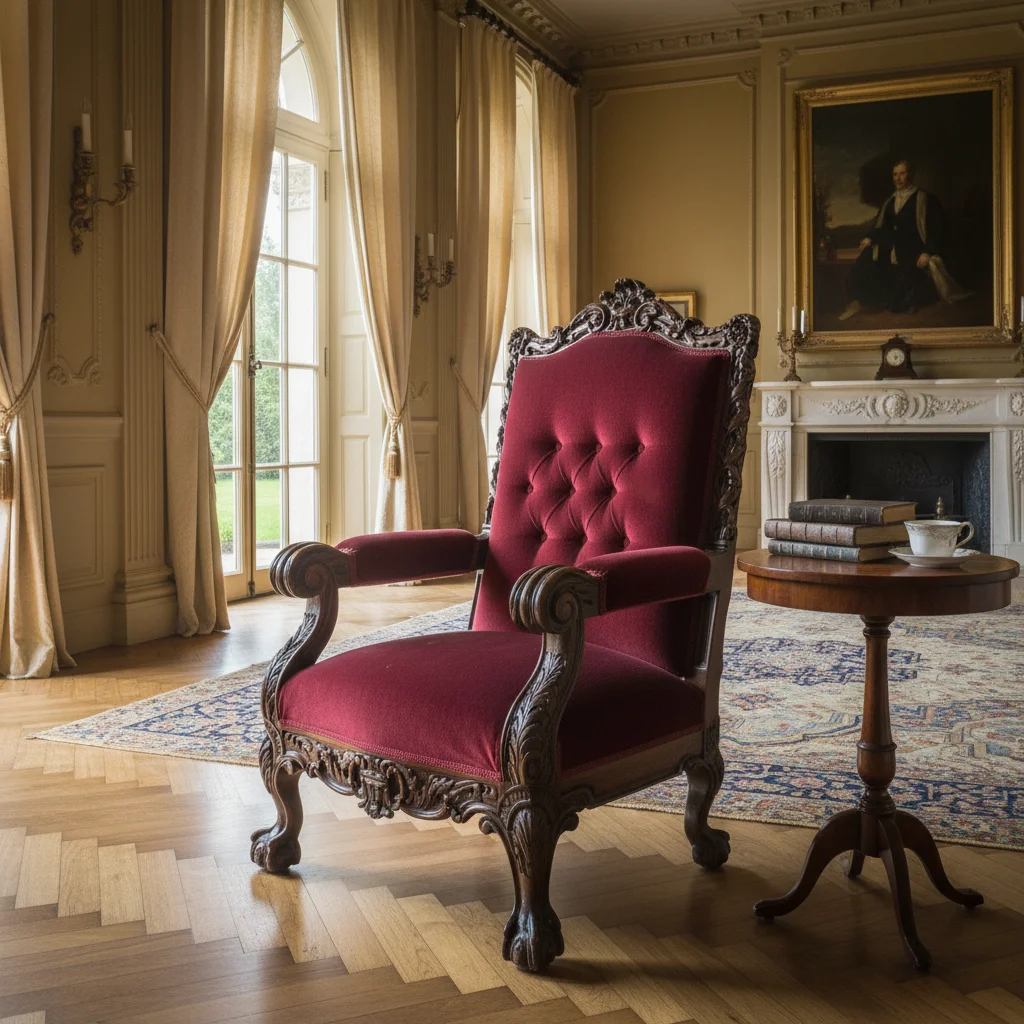
Furniture is generally considered antique if it is over 100 years old. However, its value lies not just in its considerable age. Each piece is a reflection of its era, a testament to historical events, fashion trends, and the craftsmanship of artisans of the past. Investing in antiques is appealing due to the opportunity to own a unique item with a rich history.
January 30, 2026
An Introduction to the World of Antique Furniture
Furniture is generally considered antique if it is over 100 years old. However, its value lies not just in its considerable age. Each piece is a reflection of its era, a testament to historical events, fashion trends, and the craftsmanship of artisans of the past. Investing in antiques is appealing due to the opportunity to own a unique item with a rich history.
Diving into the world of antique furniture begins with studying its styles. Among hundreds of movements, three vibrant and distinct periods particularly stand out: the austere and monumental Empire style, the elegant and natural Art Nouveau, and the luxurious and geometric Art Deco. Understanding their distinctive features is the key to proper attribution and appraisal.
Empire Style: The Grandeur and Austerity of the Napoleonic Era
The Empire style, which originated in France during the reign of Napoleon Bonaparte (early 19th century), became the embodiment of imperial power and grandeur. Its main purpose was to glorify authority and military victories, so its aesthetic is based on monumentality, symmetry, and references to classical models from Ancient Greece, Rome, and Egypt.
Empire-style furniture is easily recognizable by its characteristic features. It was made from expensive dark woods, primarily mahogany. The decor was austere yet luxurious, with extensive use of gilt bronze.
- Key motifs: laurel wreaths, eagles, crossed swords, spears, bees (Napoleon's personal symbol).
- Egyptian elements: sphinxes, griffins, and lion's paws, which often served as supports for chairs, tables, and chests of drawers.
- Forms: The furniture is characterized by massiveness, clean straight lines, and strict symmetry. Typical pieces include writing desks (bureaus), console tables, and récamier sofas.
Art Nouveau: Natural Grace and Flowing Lines
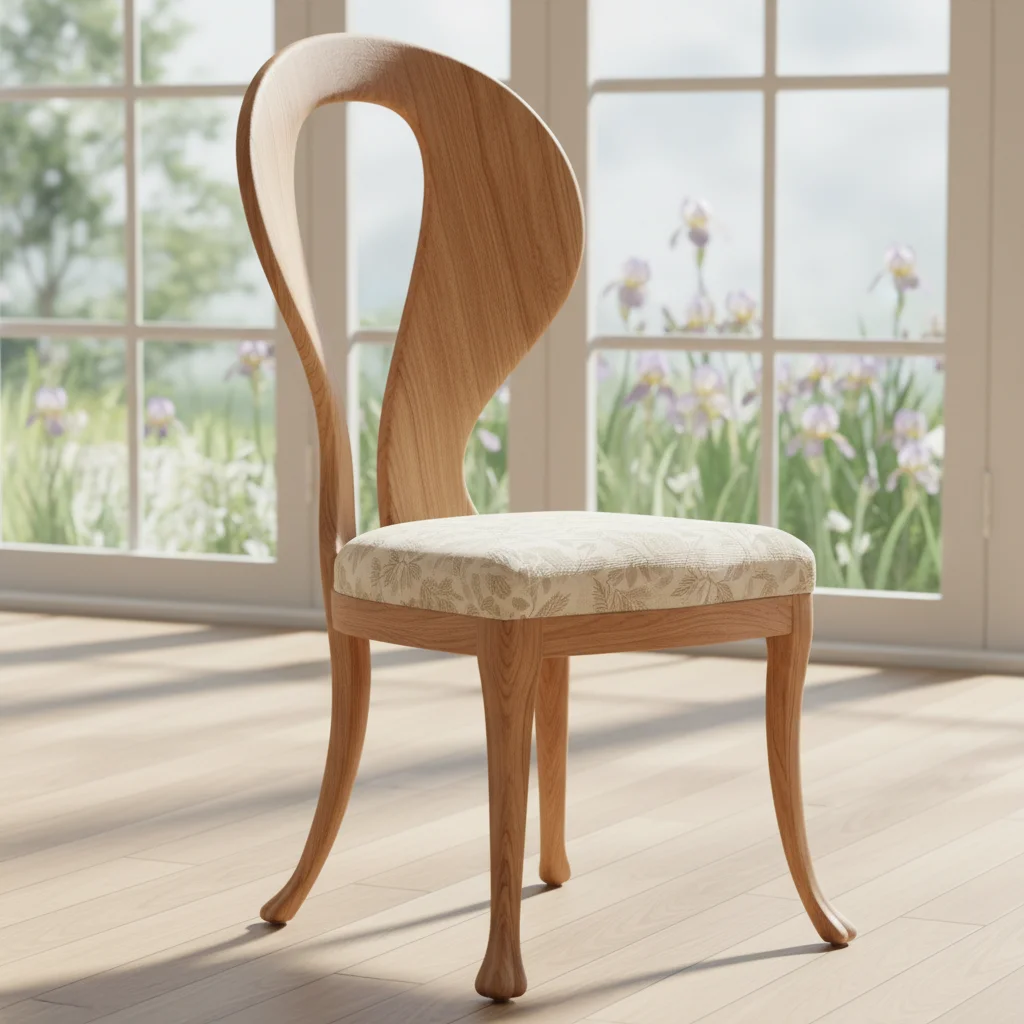
At the end of the 19th century, Art Nouveau emerged to replace the rigid historical styles. It was a rebellion against academicism and symmetry, a desire to create a new language of forms inspired by nature itself. The core principle of Art Nouveau was the rejection of right angles and straight lines in favor of natural fluidity and asymmetry.
Art Nouveau masters drew inspiration from the world of flora and fauna. Curved lines resembling plant stems, flower buds, or insect wings became the style's hallmark. Art Nouveau furniture was created as a unified work of art, where each element was part of a harmonious overall composition.
Lighter woods such as oak, ash, and walnut were often used to make this furniture. Other materials were also widely used:
- Wrought iron for creating whimsical curves.
- Stained glass, especially in cabinet doors and lamps.
- Mother-of-pearl and ivory for inlay.
Art Deco: The Luxury and Geometry of the Roaring Twenties
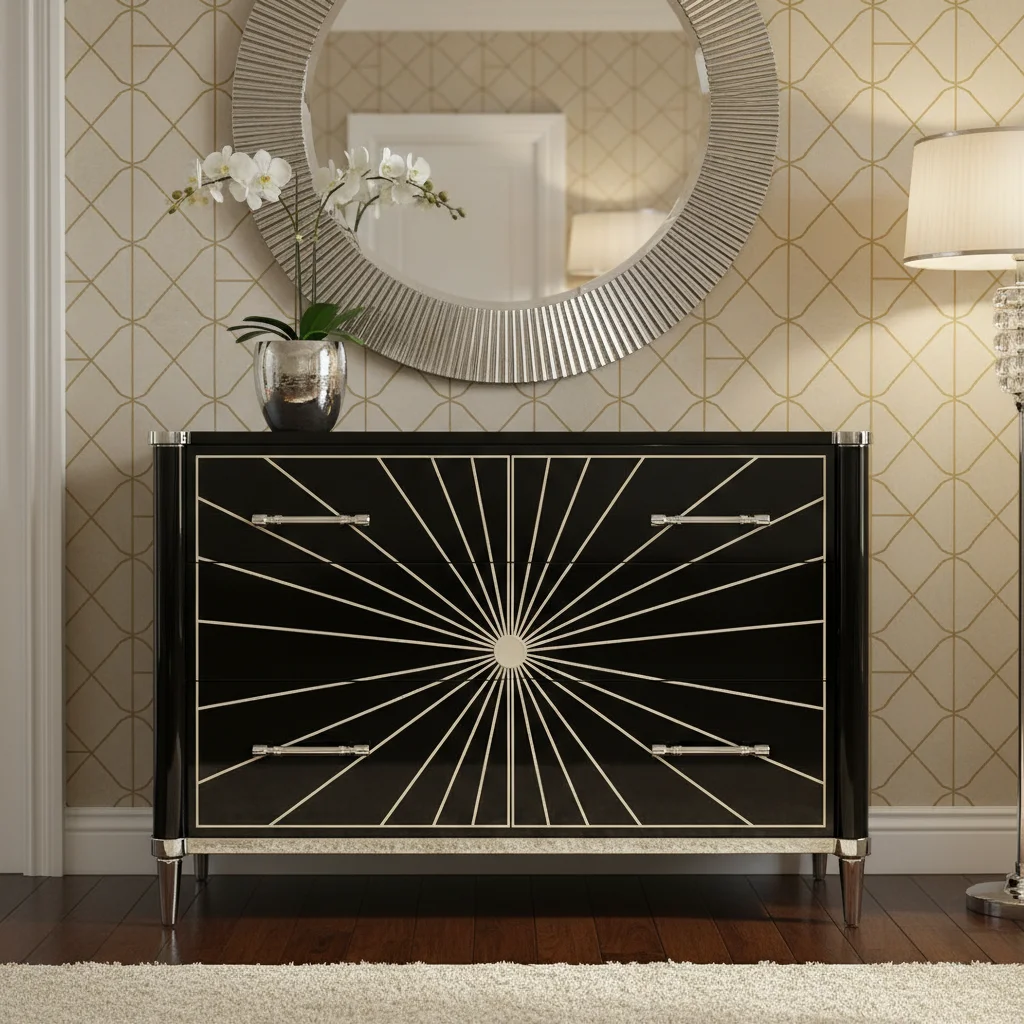
Art Deco is the style of the interwar period (1920s–1930s) that became a symbol of luxury, glamour, and faith in technological progress. It combined expensive materials, strict geometry, and ethnic motifs, creating the unique look of the Jazz Age. Unlike the flowing lines of Art Nouveau, Art Deco favored symmetry, straight lines, and stepped forms.
This style absorbed many influences, from Cubism and Constructivism to the art of Ancient Egypt, interest in which surged after the discovery of Tutankhamun's tomb. In Art Deco furniture, functionality is combined with pronounced decorativeness.
A key feature was the use of rare and expensive materials:
- Exotic woods: Macassar ebony, rosewood, ebony.
- Finishes: piano lacquer, shagreen (sharkskin), and lizard skin.
- Inlays: ivory, mother-of-pearl.
- Metals: chrome details, brass, silver.
Comparative Characteristics of the Styles
| Characteristic | Empire | Art Nouveau | Art Deco |
| Period | Early 19th c. | Late 19th - Early 20th c. | 1920s-1930s |
| Forms | Monumental, symmetrical | Flowing, natural, asymmetrical | Strict, geometric, symmetrical |
| Materials | Mahogany, bronze | Light wood, glass, wrought iron | Exotic woods, lacquer, chrome, ivory |
| Ornament | Military symbolism, antiquity | Floral and animal motifs | Geometric patterns, 'sunbursts' |
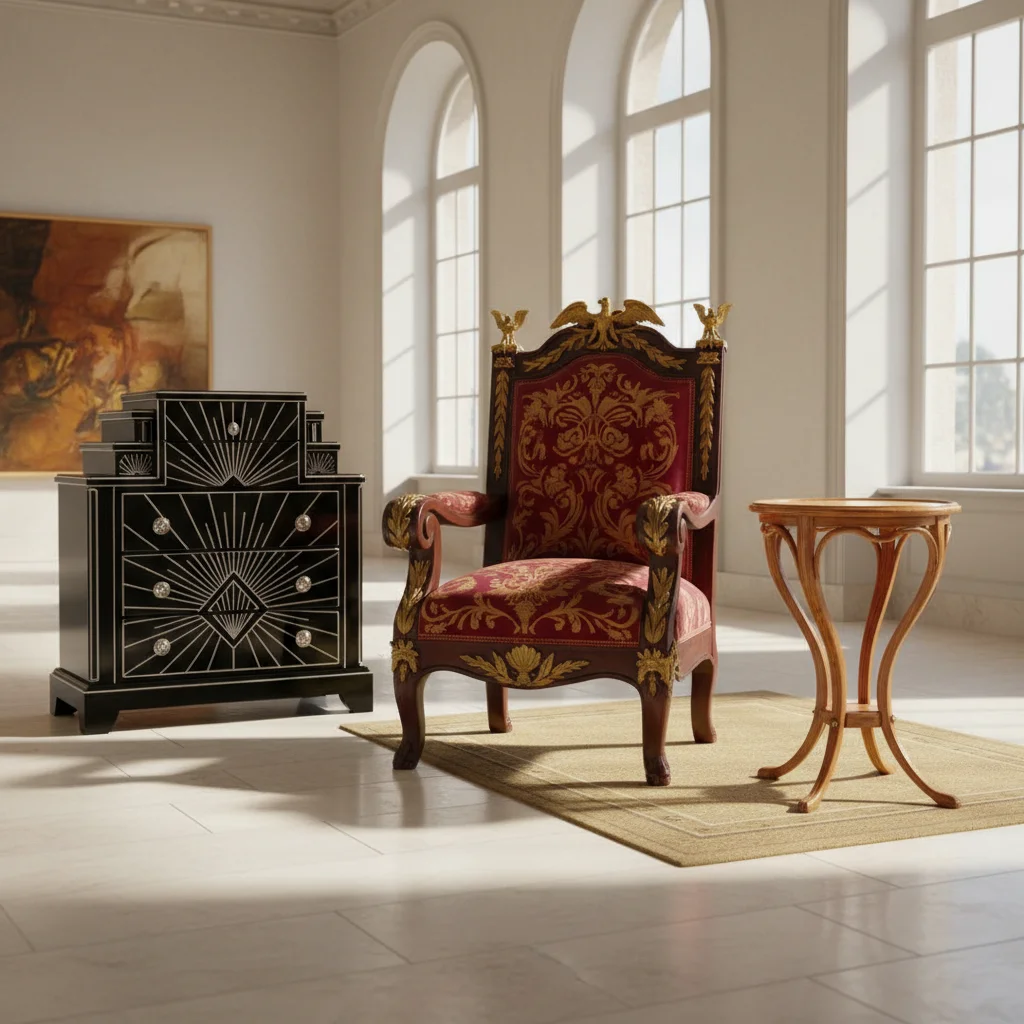
To learn to quickly identify furniture styles, it's helpful to know the key differences between the main movements. Empire, Art Nouveau, and Art Deco represent three completely different design philosophies that are easy to distinguish if you pay attention to their forms, materials, and ornaments.
Each style has its own unique visual code. Empire is about strict symmetry and classical motifs; Art Nouveau features asymmetrical, flowing lines inspired by nature; and Art Deco is characterized by luxurious geometry and exotic materials. The comparative table helps to visualize these differences clearly.
Factors Influencing the Value of Antique Furniture
The value of antique furniture is a complex figure that depends on many factors. Understanding these criteria not only helps in correctly appraising an item but also in making a profitable investment. Age is not always the sole or decisive parameter.
Professional appraisers and collectors analyze each piece based on several key points. From authenticity to ownership history, every detail matters and can either increase or decrease the final price.
Key Pricing Factors:
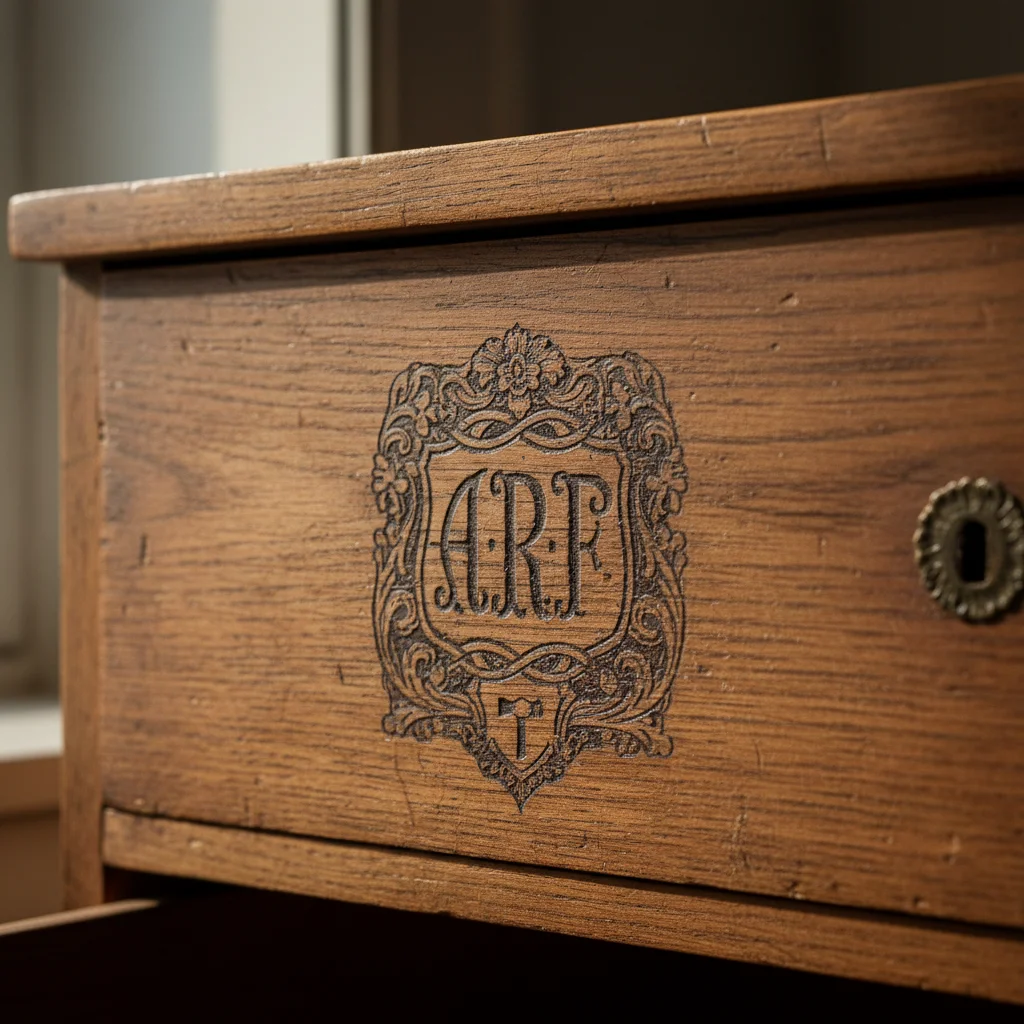
- Authenticity and Age. The item must correspond to its stated era. The presence of maker's marks, signatures, or archival documents significantly increases its value.
- Provenance. The history of the item's ownership. If the furniture belonged to a famous historical figure or was housed in a renowned palace, its value increases many times over.
- Condition. Items in their original, untouched condition are most valuable. Unprofessional restoration, replacement of parts, or reupholstering can significantly reduce the price.
- Rarity. Unique, custom-made, or limited-edition pieces are always more expensive than mass-produced counterparts.
- Attribution. Furniture created by a famous craftsman or manufactory (for example, David Roentgen or the Gambs workshop) is a collector's rarity.
- Quality of Materials and Workmanship. The use of valuable woods, complex inlay techniques, and high-quality bronze mounts all directly affect the value.
Comments (0)
No comments yet. Be the first to share your thoughts!
Related Lots
Российская Империя Ассигнация 20 копеек, 1831 (Выпуск Великого Княжества Финляндского)
Российская Империя Ассигнация 20 копеек, 1850 (Выпуск для Великого Княжества Финляндского)
Российская Империя Ассигнация 20 копеек, 1838 (Выпуск Великого Княжества Финляндского)

Российская Империя Ассигнация 25 рублей, 1808 (Период 1786-1819)
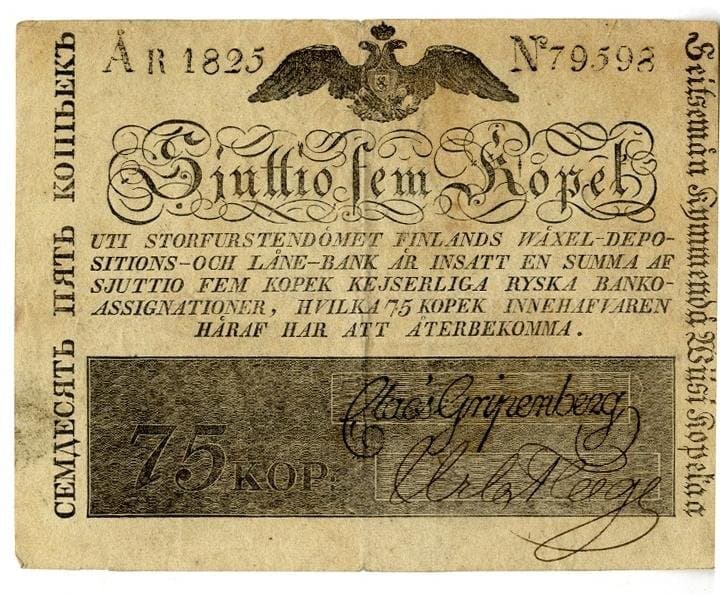
Российская Империя Ассигнация 75 копеек, 1825 (Выпуск для Великого Княжества Финляндского)
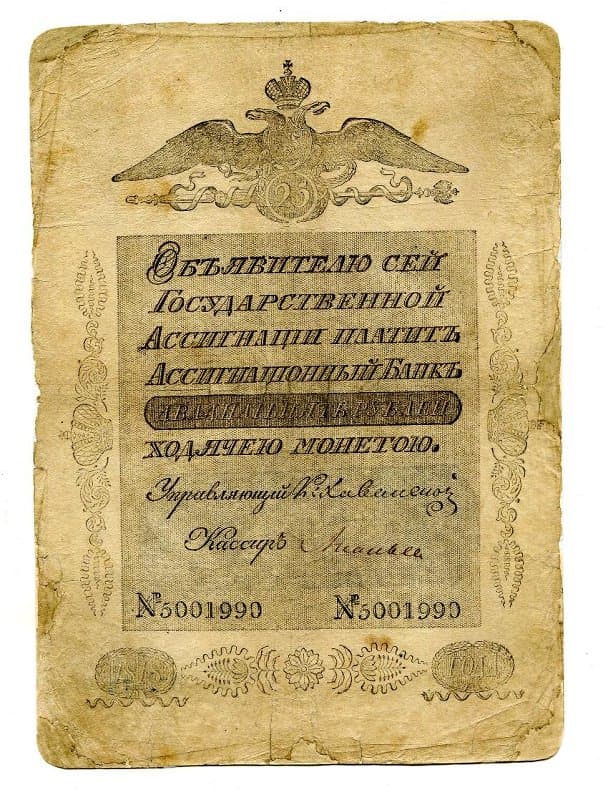
Российская Империя Ассигнация 25 рублей, 1802 (Подписи Ковелянского-Яковлева)

Российская Империя Ассигнация 5 рублей, 1830 (Период 1819-1843)
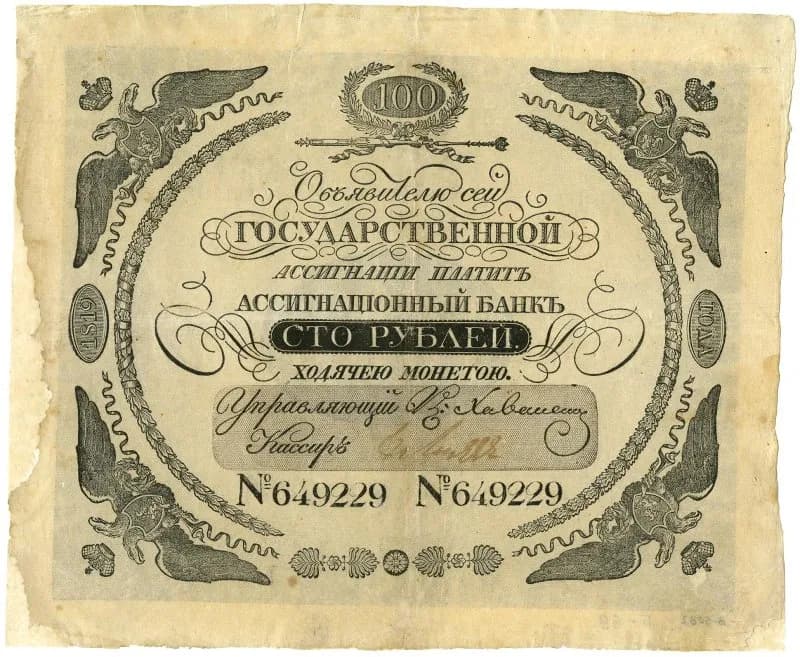
Ассигнация. Александр I (1801-1825). 100 рублей.
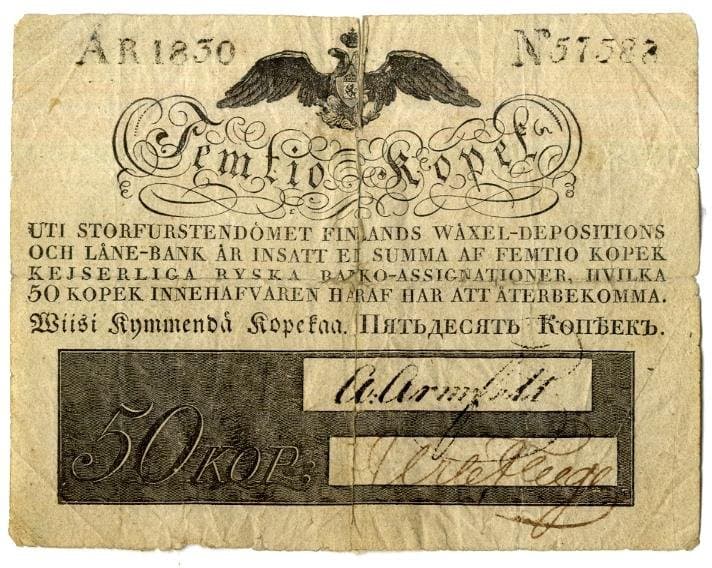
Российская Империя Ассигнация 50 копеек, 1830 (Выпуск для Великого Княжества Финляндского)
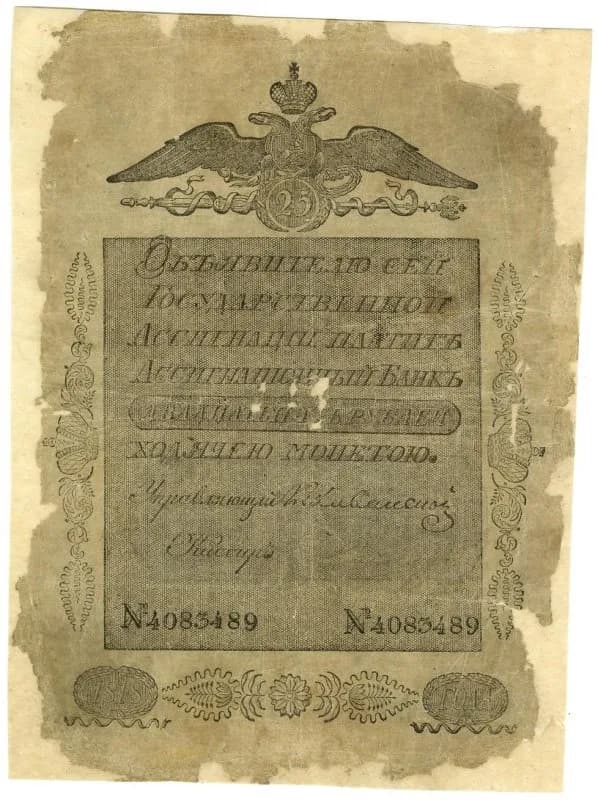
Ассигнация. Александр I (1801-1825). 25 рублей.
Similar Articles

Antiquarian Book: What People Collect and How They Are Valued
Alexander Volkov

Taxes and Customs: Importing and Exporting Collectibles
Alexander Volkov

What is Provenance and Why is it Important
Alexander Volkov
How to Distinguish an Original from a Copy: A Guide for Collectors
Alexander Volkov
How to Participate in an Online Auction: Registration, Bidding, and Fees
Alexander Volkov