
Antiquarian Book: What People Collect and How They Are Valued
An antiquarian book is not just an old publication. The main criterion is its cultural, historical, and scientific significance. As a rule, antiquarian books are those published before a certain period, for example, before the mid-19th century, although these timeframes can vary in different countries. The value of such books lies not only in their age but also in their rarity, history, and the role they played in the development of society.
January 30, 2026

What is an Antiquarian Book and What is its Value
An antiquarian book is not just an old publication. The main criterion is its cultural, historical, and scientific significance. As a rule, antiquarian books are those published before a certain period, for example, before the mid-19th century, although these timeframes can vary in different countries. The value of such books lies not only in their age but also in their rarity, history, and the role they played in the development of society.
The main difference between an antiquarian book and a second-hand book lies in its uniqueness. Second-hand editions are used books that can be relatively modern and may not have collectible value. Antiquarian copies, however, are of interest to bibliophiles, museums, and investors as objects of cultural heritage.
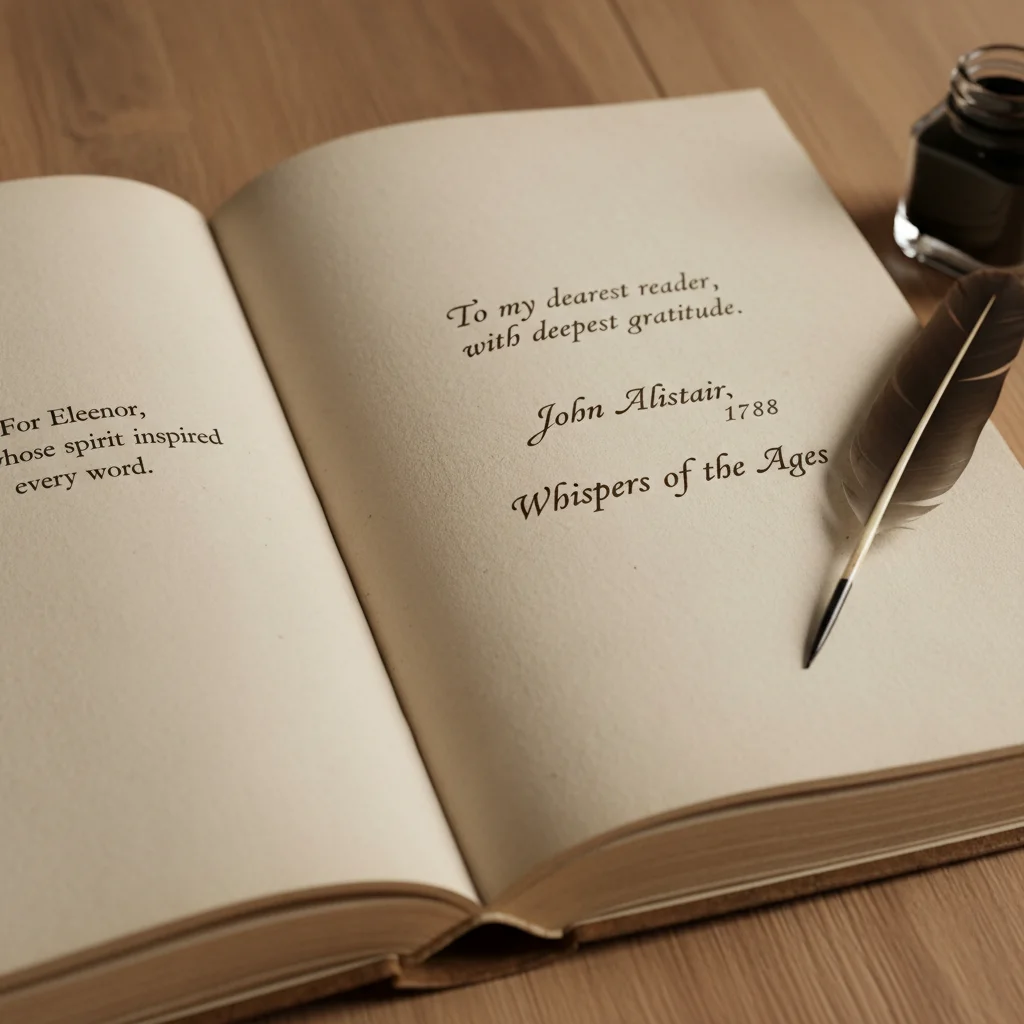
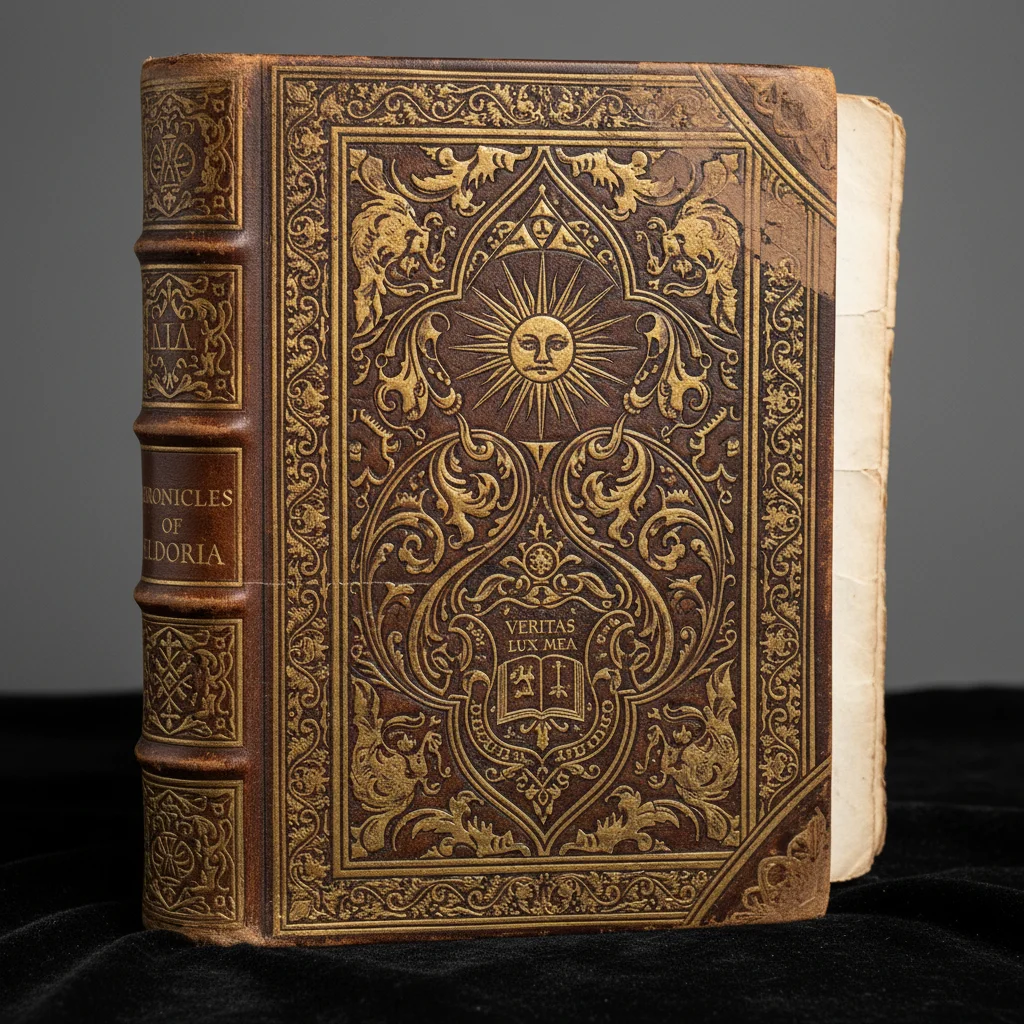
Collecting rare books allows one to touch history. Each such book carries the imprint of its era: from the quality of the paper and font to the binding and ownership marks in the margins. This makes them not just a source of information, but a true artifact of the past.
Popular Fields in Collecting
The world of bibliophilia is vast, and collectors often specialize in specific themes or types of publications. The choice of focus depends on personal interests, knowledge, and, of course, budget. Some collect books on a narrow topic, such as military history or culinary arts, while others focus on a specific period or author.
There are several classic fields that are always in demand among collectors. This allows for the formation of a meaningful and valuable collection, rather than just a chaotic assortment of old books.
- First and lifetime editions of famous authors.
- Books with autographs and presentation inscriptions (inscriptions).
- Incunabula and paleotypes — books printed in the first decades after the invention of printing (before 1501).
- Editions with unique illustrations by famous artists.
- Books in luxurious or historically significant bindings.
- Copies with interesting provenance, i.e., from the libraries of famous individuals.
Key Criteria for the Value of a Rare Book
| Criterion | Description |
| Rarity (Print Run) | The fewer copies were printed or have survived to this day, the higher the value. |
| Condition | Absence of damage, stains, losses. The original publisher's binding is valued much more highly than a later one. |
| Provenance | The history of the book's ownership. Copies from the libraries of monarchs, writers, or scientists are more expensive. |
| Historical Significance | Books that have influenced the course of history, science, or culture. |
| Author and Work | First or lifetime editions of classics in literature and science are always valuable. |
| Design | Presence of engravings, illustrations by famous artists, quality of paper and binding. |
The value of an antiquarian book is determined by many factors. An experienced collector or appraiser analyzes each copy comprehensively, as even a minor detail can drastically affect the final price. Understanding these criteria helps to correctly assess the book's potential as a collectible item.
Investing in antiquarian books requires a careful study of every aspect. What matters is not only what the book is, but also its individual history and physical condition. Below are the main parameters that determine the value of a rare edition.
How an Antiquarian Book is Appraised
The process of appraising a rare book is meticulous work that requires special knowledge and access to reference literature. A professional appraisal helps determine not only the market value but also the historical and cultural significance of the copy. For those who want to understand how to value an old book, it is important to follow a specific algorithm.
The appraisal begins with the precise identification of the edition. It is necessary to establish all the publication details: author, title, place and year of publication, and printing house. Errors at this stage can lead to an incorrect valuation.
The appraisal process can be divided into several key steps:
- Identification of the edition. Cross-referencing all data with bibliographic catalogs and reference books to confirm authenticity and completeness.
- Analysis of condition. Detailed inspection of the binding, book block, and pages for defects, restoration, and losses.
- Study of provenance. Searching for and deciphering ex-libris (bookplates), stamps, and presentation inscriptions.
- Market research. Analysis of auction results and prices in antiquarian dealer catalogs for similar copies.
- Expert conclusion. Based on all the collected data, a final conclusion about the book's value and price is formed.

Book Condition: What to Look For
The condition of an antiquarian book is one of the most important pricing factors. Even a very rare edition can lose significant value due to poor condition. Therefore, when buying or appraising, it is necessary to pay close attention to a detailed inspection of the copy.
The ideal condition is one that is as close as possible to how the book left the printing house. Any interventions, especially unskilled restoration, can reduce its value. It is important to be able to distinguish the signs of time from serious damage.
- Binding. Is it the original (publisher's) binding? How worn is it, are there tears on the spine, is the embossing preserved.
- Book block. Is it securely held in the binding? Are all pages present, are there any loose leaves or gatherings.
- Pages. Presence of soiling, 'foxing' (age spots), signs of moisture, tears, loss of text or illustration fragments.
- Completeness. Are all pages, illustrations, maps, and diagrams mentioned in the edition's description present.

Comments (0)
No comments yet. Be the first to share your thoughts!
Related Lots
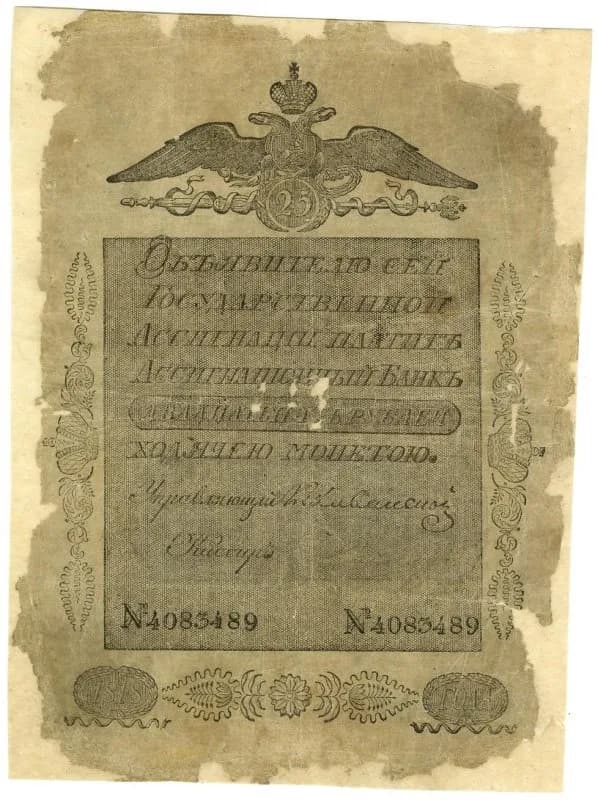
Ассигнация. Александр I (1801-1825). 25 рублей.
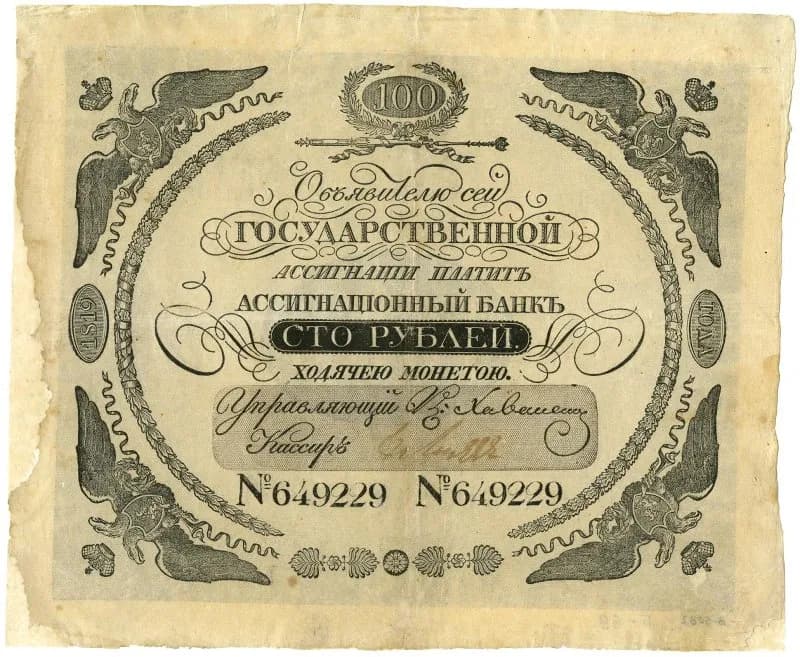
Ассигнация. Александр I (1801-1825). 100 рублей.
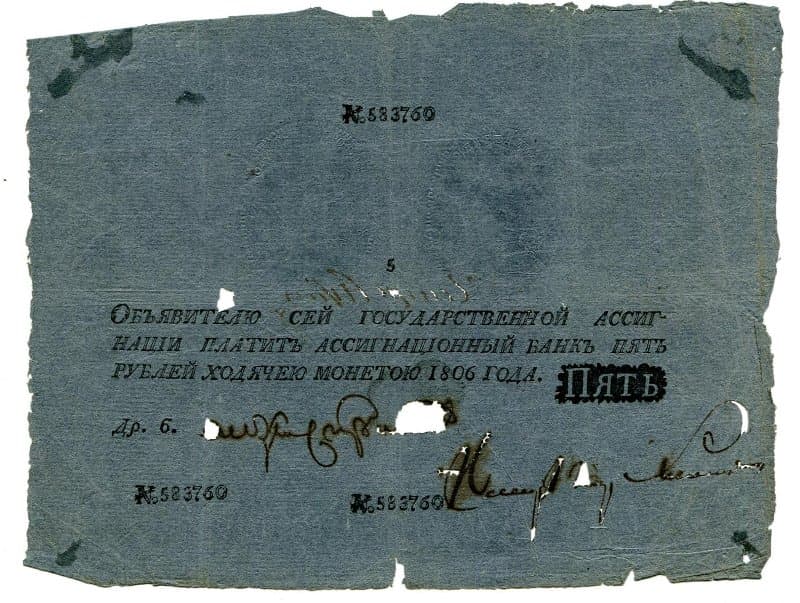
Государственная ассигнация. 5 рублей. № 583760
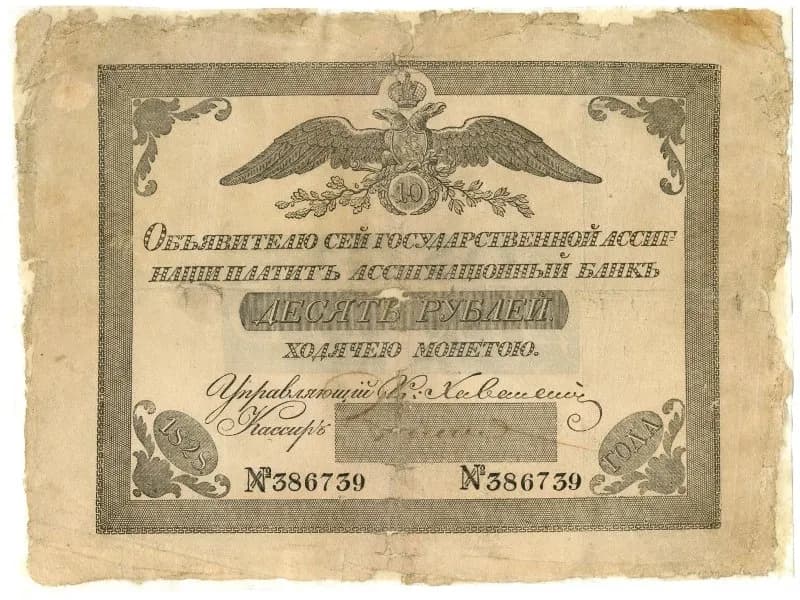
Ассигнация. Николай I (1825-1855). 10 рублей.
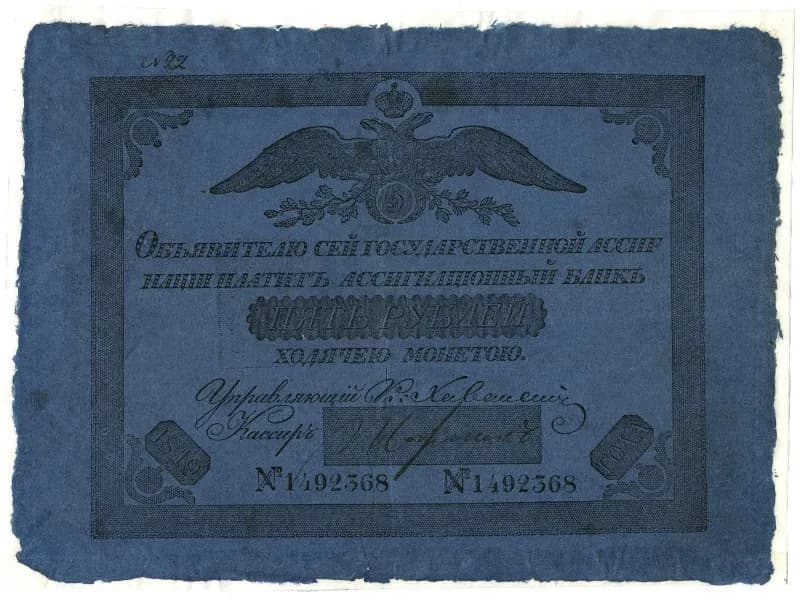
Ассигнация. Александр I (1801-1825). 5 рублей.
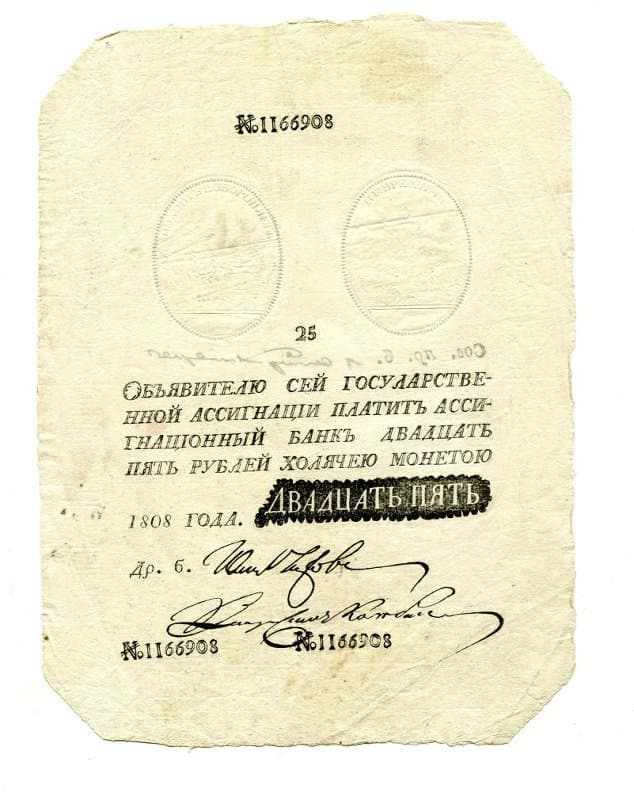
Российская Империя Ассигнация 25 рублей, 1808 (Период 1786-1819)
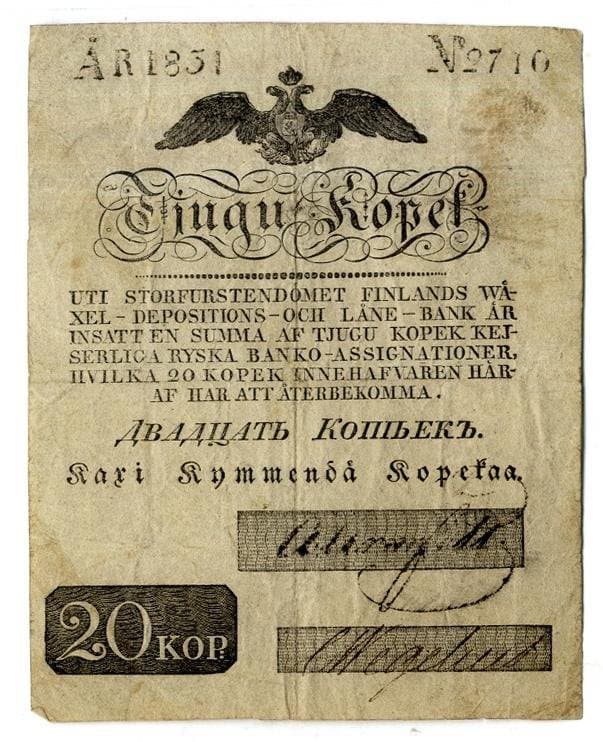
Российская Империя Ассигнация 20 копеек, 1831 (Выпуск Великого Княжества Финляндского)
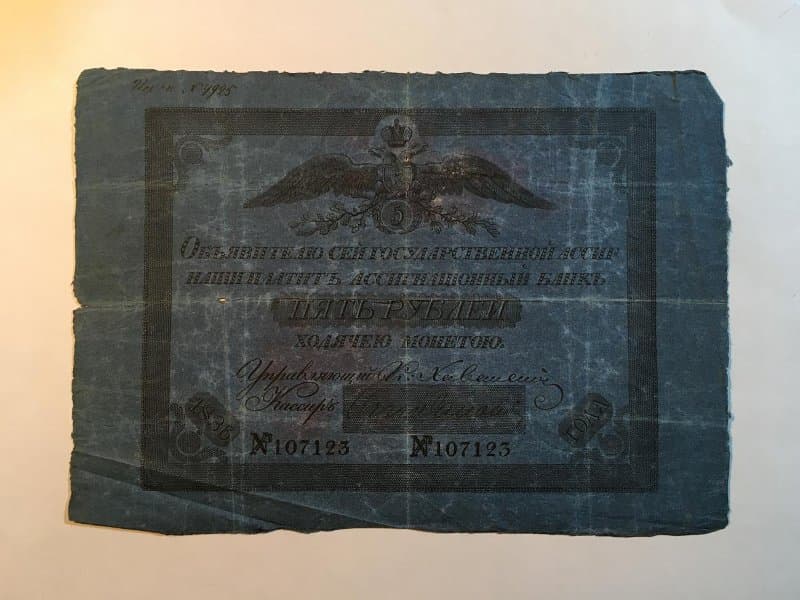
Государственная ассигнация 5 руб. (цвет синий).
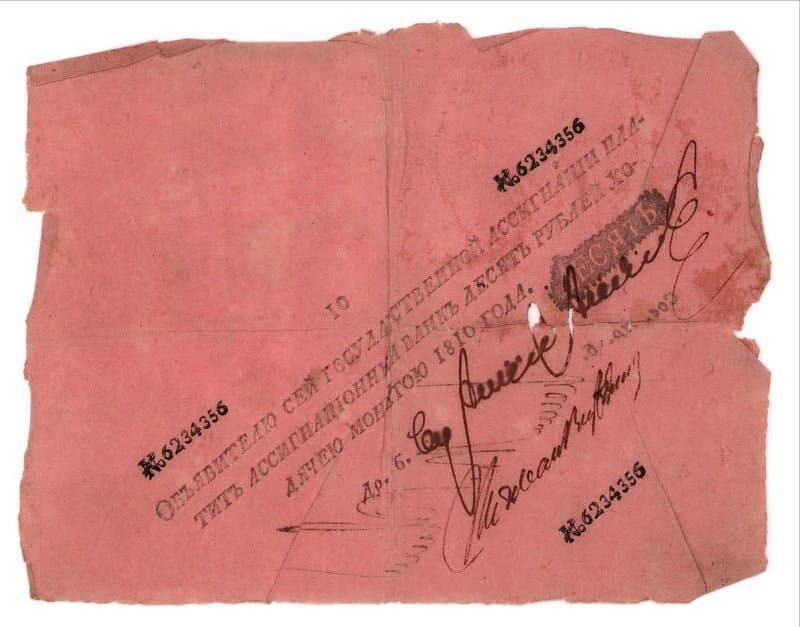
Российская Империя Ассигнация 10 рублей, 1810 (Период 1786-1819)
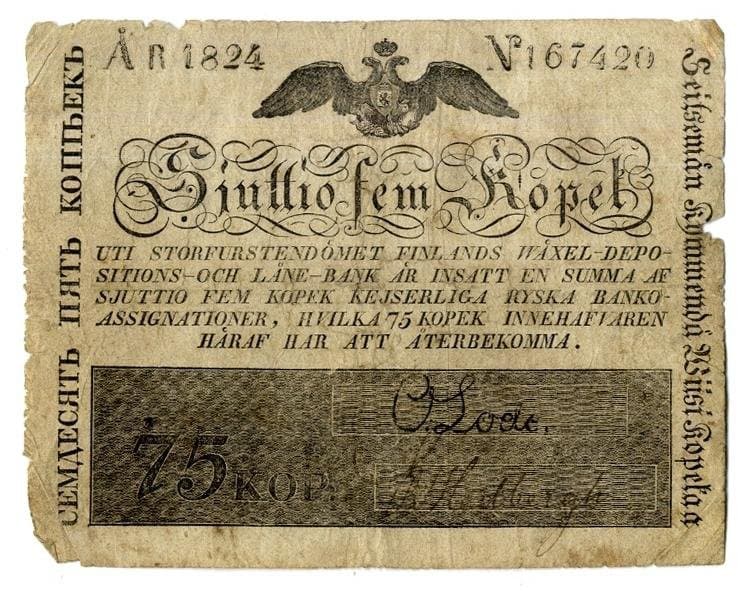
Российская Империя Ассигнация 75 копеек, 1824 (Выпуск для Великого Княжества Финляндского)
Similar Articles

Antique Furniture: Styles and Pricing Factors
Alexander Volkov
How to Distinguish an Original from a Copy: A Guide for Collectors
Alexander Volkov

Taxes and Customs: Importing and Exporting Collectibles
Alexander Volkov
What is Provenance and Why is it Important
Alexander Volkov
Russian Coins of the 19th and Early 20th Centuries: What's in Demand
Alexander Volkov