
What is Provenance and Why is it Important
Provenance (from the French 'provenance' — origin) is the history of ownership of an art object, antique, or other collectible. It represents a chronological chain of owners, starting from the moment the item was created to its current owner. It is a kind of 'passport' or 'pedigree' for the item, which confirms its legality and authenticity.
January 30, 2026

What is Provenance: A Look into an Object's Past
| Term | Description |
| Provenance | The documented history of ownership of an object. |
| Attribution | Determining the authorship, time, and place of creation of an art object. |
| Expertise/Appraisal | The examination of an object by specialists to confirm its authenticity and characteristics. |
| Catalogue Raisonné | A comprehensive, scholarly publication of all known works by a specific artist. |
Provenance (from the French 'provenance' — origin) is the history of ownership of an art object, antique, or other collectible. It represents a chronological chain of owners, starting from the moment the item was created to its current owner. It is a kind of 'passport' or 'pedigree' for the item, which confirms its legality and authenticity.
The existence of a clear and documented provenance significantly increases an object's value, as it resolves many questions about its origin and authenticity. In the world of antiques, where forgeries are common, the ownership history of a painting or an old item becomes one of the main arguments in its favor.
To fully understand the topic, it is important to distinguish between several key concepts related to the appraisal of antiques.
Thus, provenance is an integral part of the comprehensive appraisal of any significant collectible object.
Components of an Impeccable Provenance
An ideal provenance is a continuous and documentarily confirmed chain of ownership. The fewer gaps in this history, the greater the confidence in the object and its value. There are many types of documents and evidence that can form a provenance.
The key elements that confirm an object's history can be very diverse. The presence of even one of them is already a good sign, and a combination of several creates a rock-solid reputation for the item. It is important that all documents are authentic and verifiable.
Here are the main documents and evidence that constitute provenance:
- Receipts, bills of sale, and invoices from galleries or auction houses.
- Auction catalogs where the item is mentioned or depicted.
- Exhibition catalogs confirming the object's participation in exhibitions.
- Letters, diaries, or archival records from former owners that mention the object.
- Photographs or works of art in which the object is depicted in the interior of its former owners.
- Expert opinions and certificates of authenticity from reputable specialists.
- Inventory numbers or marks from museums, galleries, or private collections on the object itself.
Each of these elements adds another detail to the object's biography, making its history more complete and convincing for a potential buyer or researcher.
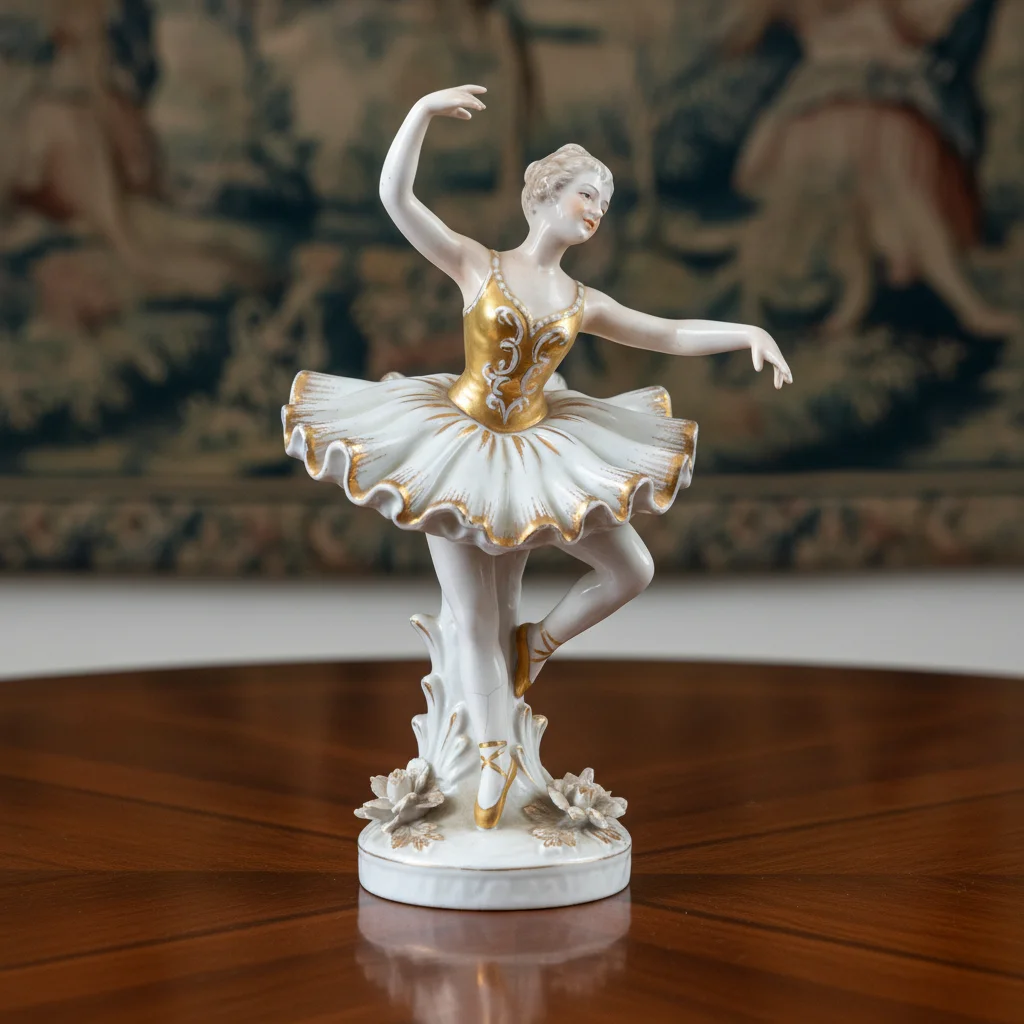
How Ownership History Affects Price and Authenticity
Provenance directly affects two key aspects: authenticity and market value. From an authenticity standpoint, a traceable ownership history significantly reduces the likelihood that an object is a forgery. If it can be proven that a painting was in a well-known collection 100 years ago, that is a strong argument in favor of its authenticity.
The link between provenance and value is even more obvious. An item with an impeccable ownership history will always be more expensive than a similar one with an obscure past. So-called 'celebrity' provenance is particularly valued—if the item belonged to a famous historical figure, a member of a royal family, a renowned artist, or a famous collector.
For example, two identical antique chairs can have completely different prices. If one is just an 'antique chair,' while the other, according to documents, was in Winston Churchill's office, the value of the second one will be tens or even hundreds of times higher. This is the power of provenance in action.
There are several factors that make provenance particularly valuable:
- Continuity. The absence of 'blank spots' in the ownership history.
- Documentary proof. The existence of papers, receipts, catalogs.
- Illustrious owners. Belonging to famous collections or individuals.
- Early documentation. The earlier an item was documented, the better.
Understanding these factors helps to correctly appraise antiques and make a profitable investment.
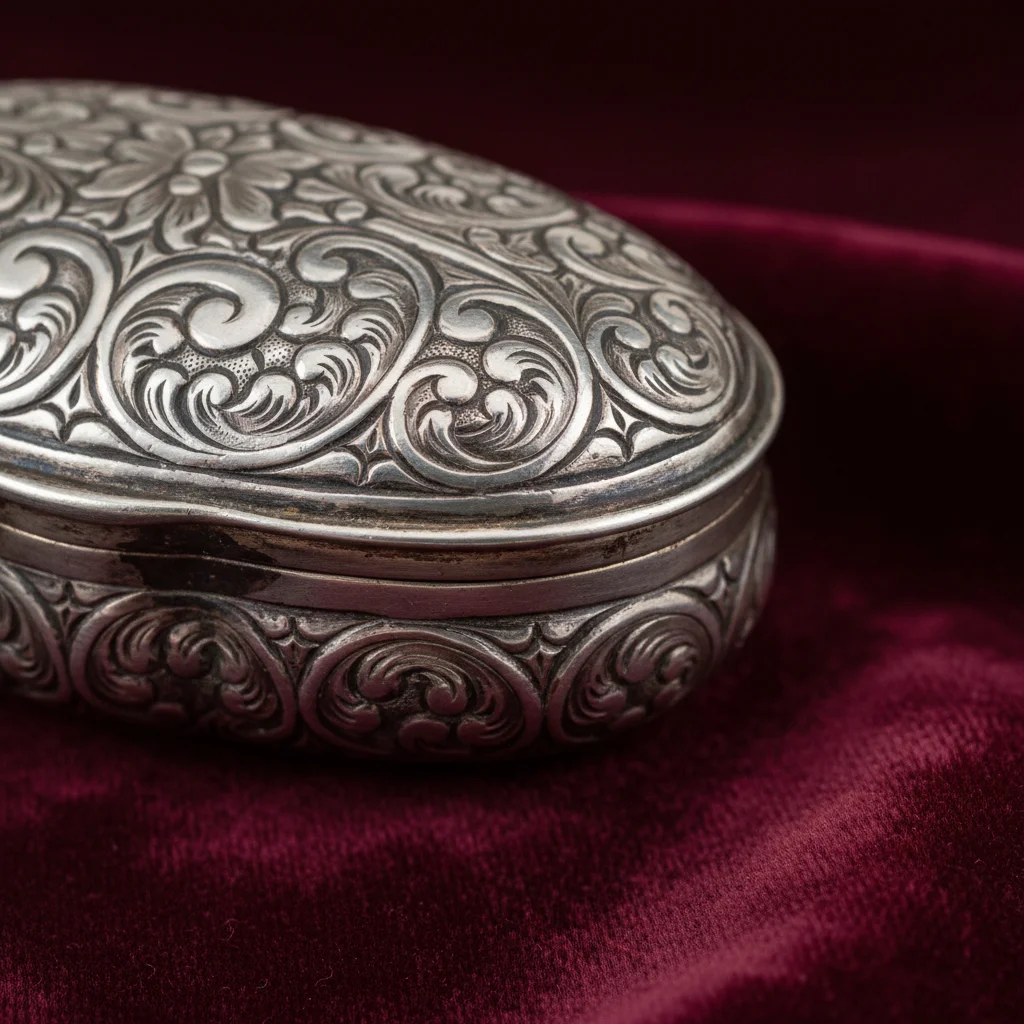
The Risks of Lacking Provenance and Practical Advice
Purchasing an item without provenance is always associated with high risks. Firstly, there is a high probability of acquiring a forgery. Fraudsters often create items 'in the style of' a certain era, and without an ownership history, it is nearly impossible to prove their authenticity.
Secondly, the item may have a criminal past. It could have been stolen or illegally exported from a country. Acquiring such an object can lead to legal problems, including its confiscation without any compensation. The absence of documents regarding its origin should always be a red flag.
Finally, an item without provenance is very difficult to resell in the future. Serious collectors and auction houses prefer to deal with objects that have a clean and clear history. Thus, an asset with a dubious past becomes illiquid.
What should you do if you are considering purchasing an item without a clear provenance? Here are a few steps that can help reduce the risks:
- Conduct a technical examination. Analysis of materials (paint, canvas, wood) can help determine the age of the object.
- Consult with specialized experts. A specialist in a particular artist or era can conduct a stylistic analysis.
- Research archives and catalogs. Try to find mentions of similar items on your own.
- Check databases of stolen art. There are international registries, such as the Art Loss Register, where you can check an item.
Despite all efforts, investing in items without provenance remains the prerogative of experienced experts who are prepared for high risks.
Comments (0)
No comments yet. Be the first to share your thoughts!
Related Lots
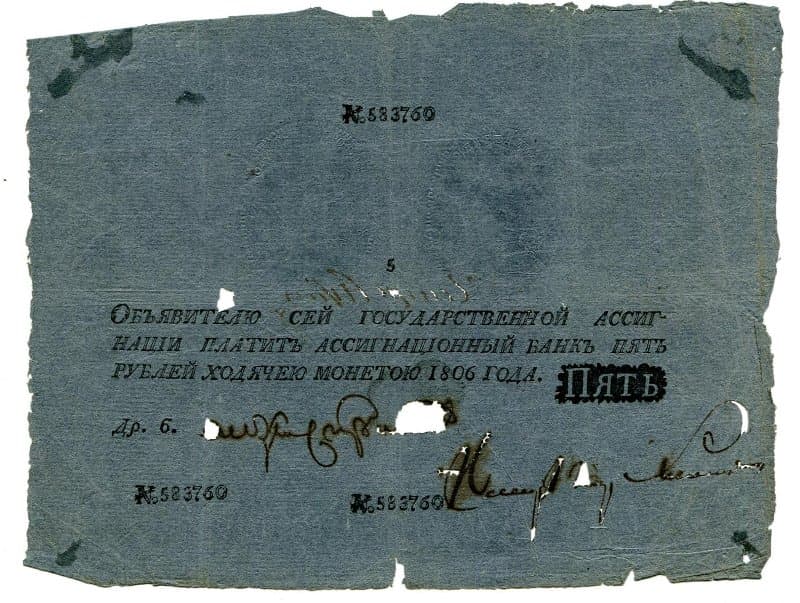
Государственная ассигнация. 5 рублей. № 583760
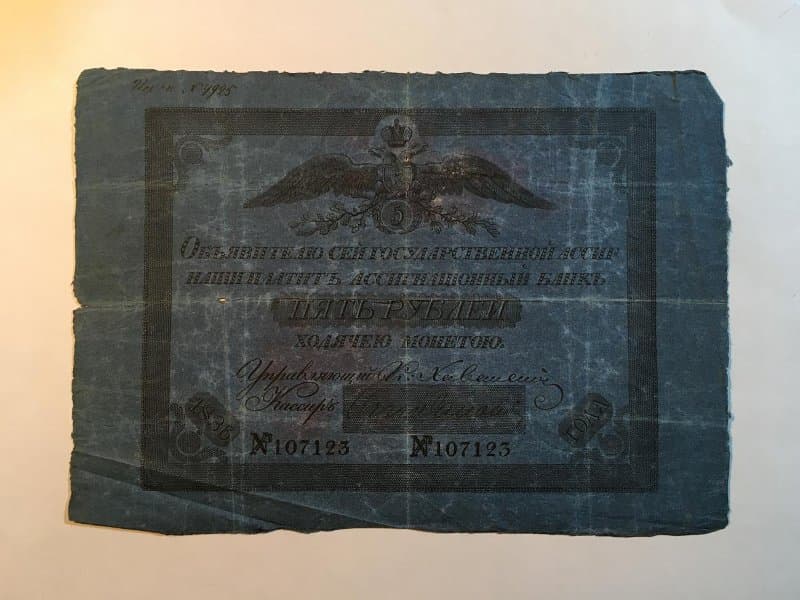
Государственная ассигнация 5 руб. (цвет синий).
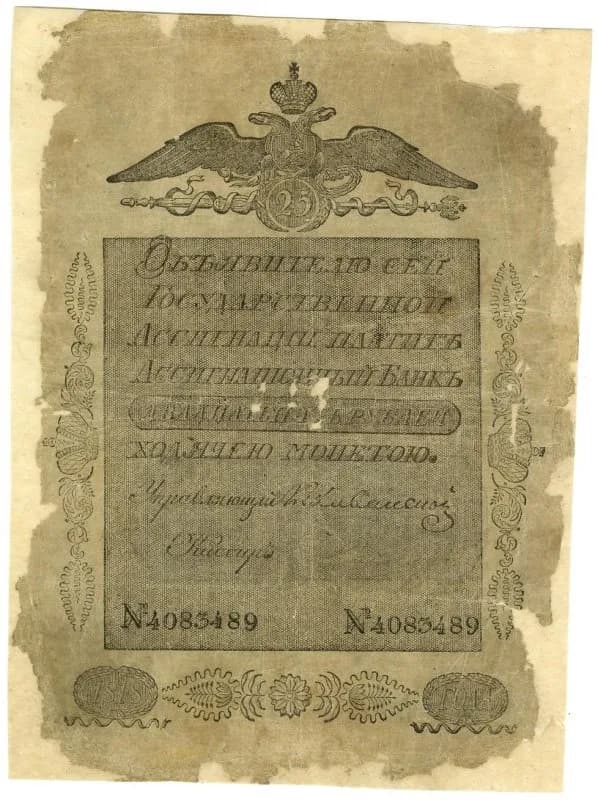
Ассигнация. Александр I (1801-1825). 25 рублей.
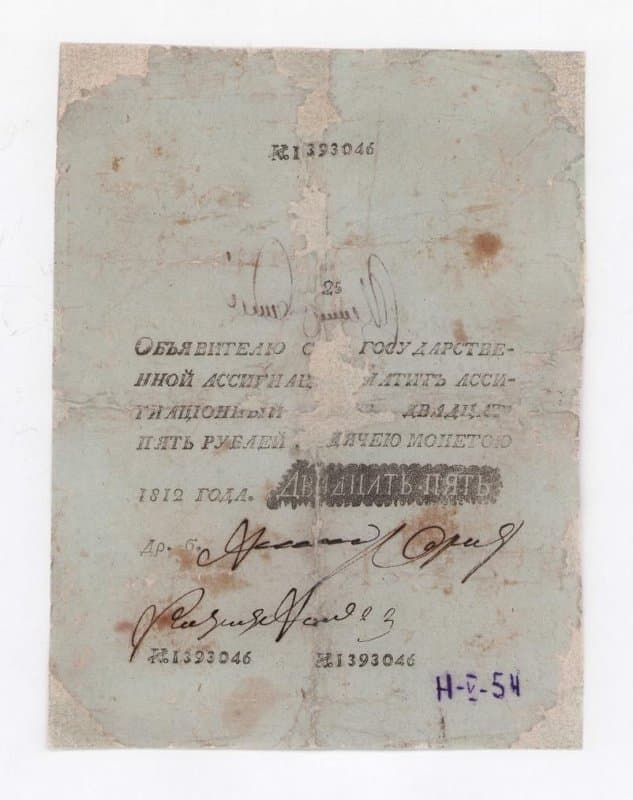
Российская Империя Ассигнация 25 рублей, 1812 (Период 1786-1819)
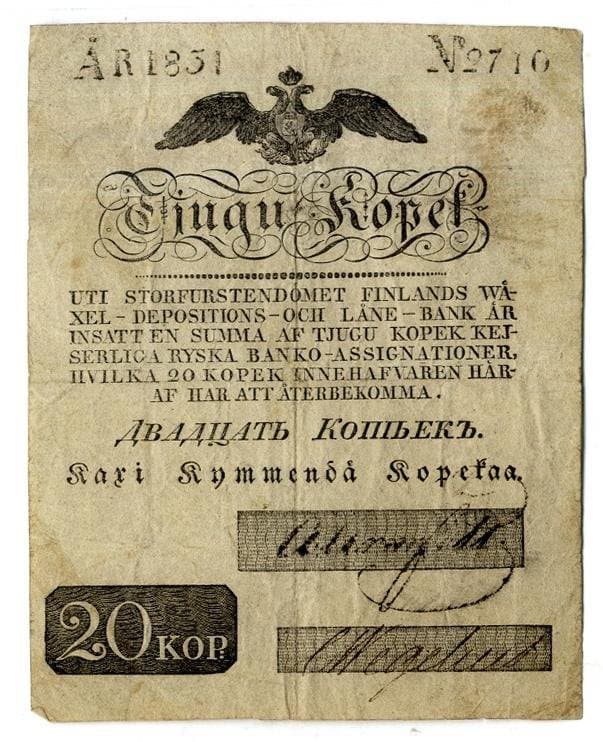
Российская Империя Ассигнация 20 копеек, 1831 (Выпуск Великого Княжества Финляндского)
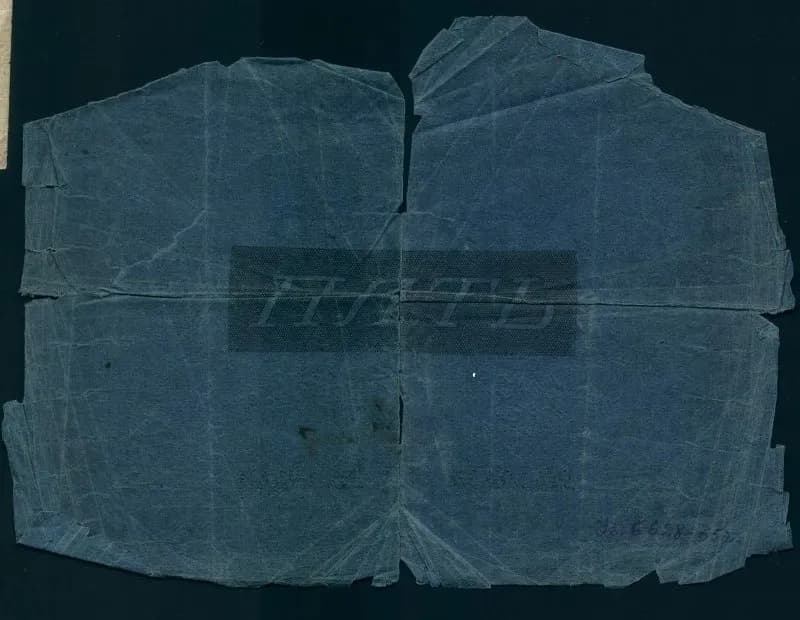
Государственная ассигнация 5 рублей.
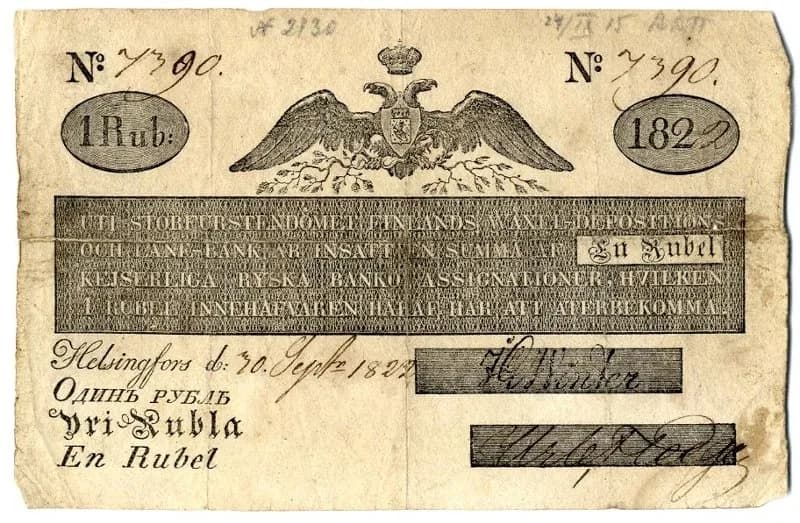
Бумажный денежный знак. Ассигнация 1 руб. ( новый тип) .Великое княжество Финляндское.
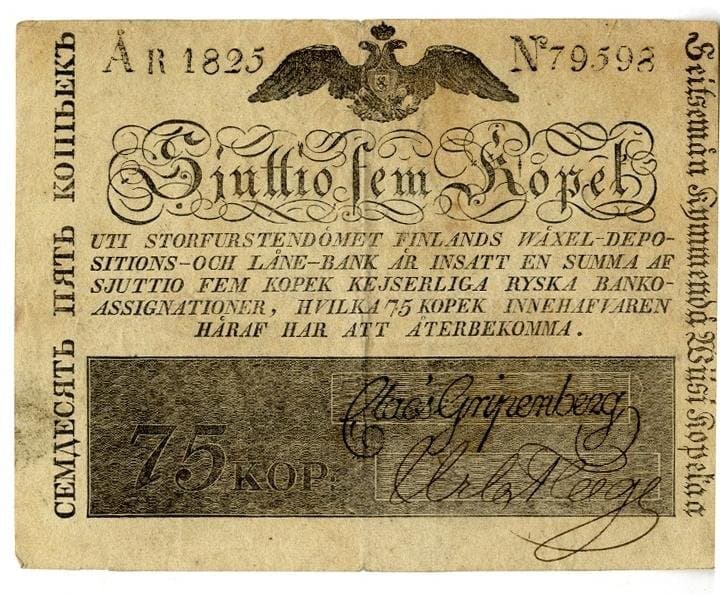
Российская Империя Ассигнация 75 копеек, 1825 (Выпуск для Великого Княжества Финляндского)
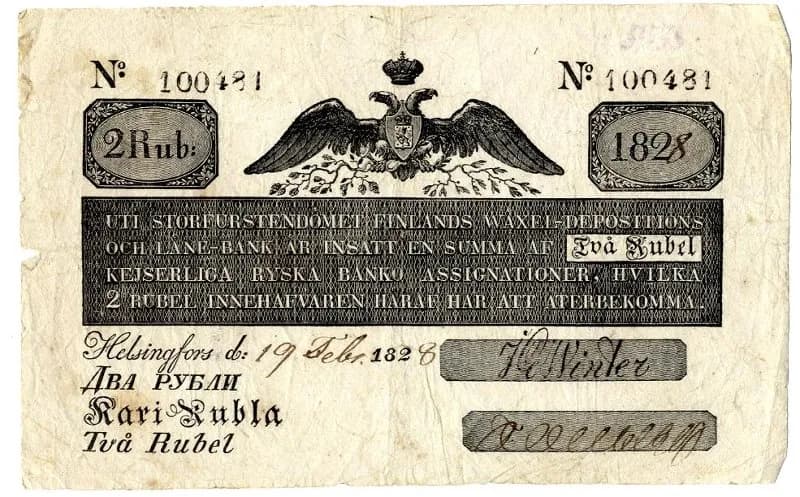
Бумажный денежный знак. Ассигнация 2 руб. (новый тип). Великое княжество Финляндское.
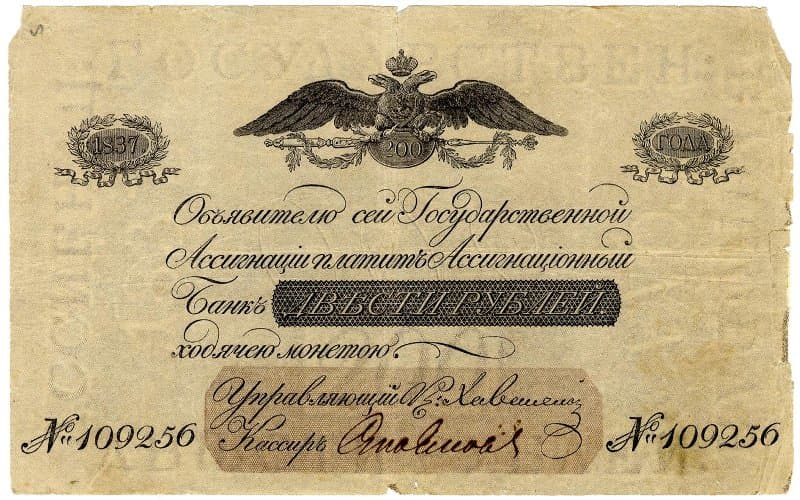
Российская Империя Ассигнация 200 рублей, 1837 (Период 1819-1843)
Similar Articles
How to Distinguish an Original from a Copy: A Guide for Collectors
Alexander Volkov

Taxes and Customs: Importing and Exporting Collectibles
Alexander Volkov

Icons: Attribution, Conservation, and Legal Restrictions
Alexander Volkov

Antique Furniture: Styles and Pricing Factors
Alexander Volkov

Antiquarian Book: What People Collect and How They Are Valued
Alexander Volkov