
How to Distinguish an Original from a Copy: A Guide for Collectors
The path to determining the authenticity of any collectible item begins long before its physical inspection. A key aspect is provenance—the documented history of ownership. The more complete and transparent the item's history, the higher the probability of its authenticity. A collector should look for any evidence that confirms its origin.
January 30, 2026
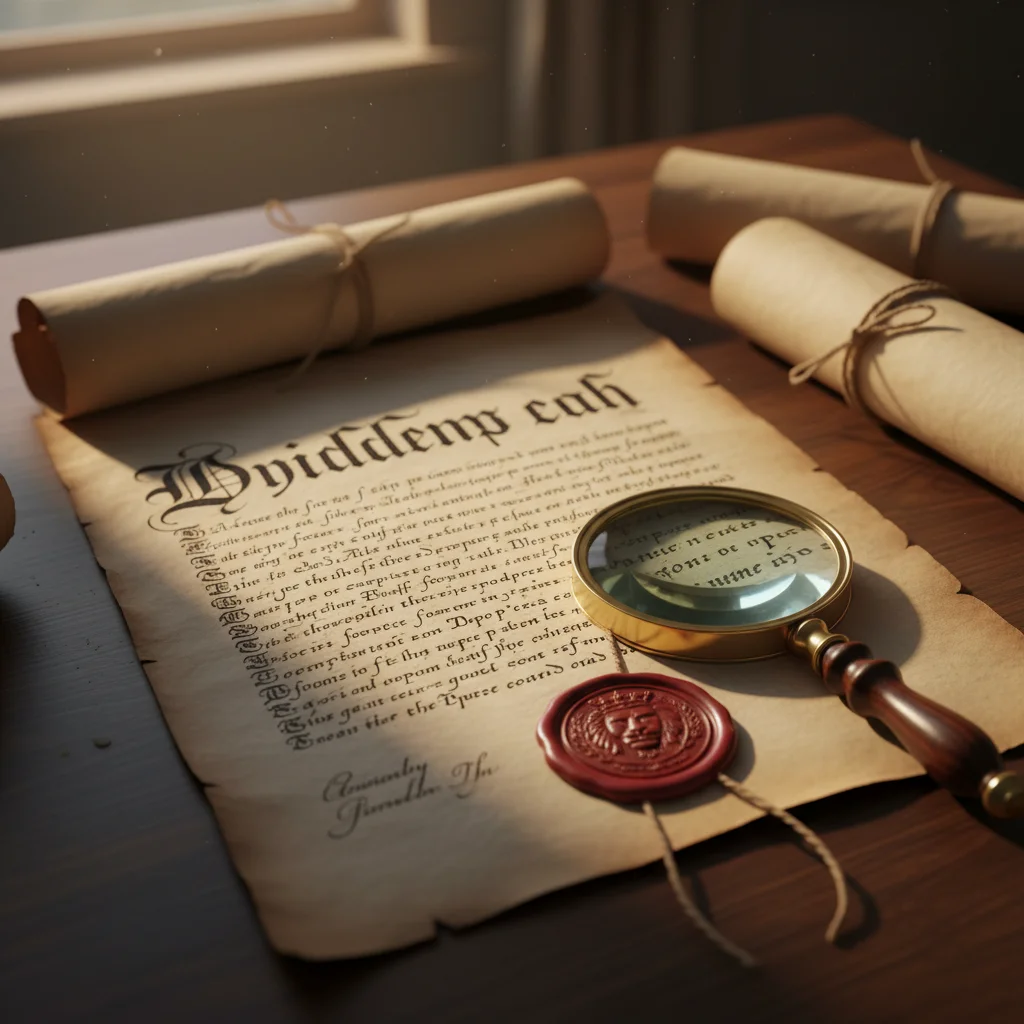
Step One: Researching Origin and Provenance
The path to determining the authenticity of any collectible item begins long before its physical inspection. A key aspect is provenance—the documented history of ownership. The more complete and transparent the item's history, the higher the probability of its authenticity. A collector should look for any evidence that confirms its origin.
- Certificates of authenticity from reputable experts or galleries.
- Old purchase receipts, auction catalogs where the item is mentioned.
- Photographs of the item in old interiors or collections.
- Any written mentions in letters, diaries, or inventory lists.
Studying the provenance helps trace the artifact's journey from the creator to the current owner, which significantly reduces the risks associated with acquiring a copy. The absence of any history should make the buyer particularly cautious.
Analysis of Materials and Execution Techniques
| Feature | Original | Copy |
| Patina | Natural, uneven layer of age | Artificial, often uniform coating |
| Tool marks | Handmade, can be imperfect | Machine-made, standardized and even |
| Material | Consistent with the era of creation (e.g., antique alloys) | Modern materials imitating old ones |
| Weight | Often heavier due to the density of old materials | Can be lighter due to the use of different alloys or techniques |
The physical inspection of the item is the second crucial verification step. Each era and each master used distinctive materials and technologies that are difficult to reproduce in modern conditions. Attention to detail helps identify inconsistencies that point to a forgery.
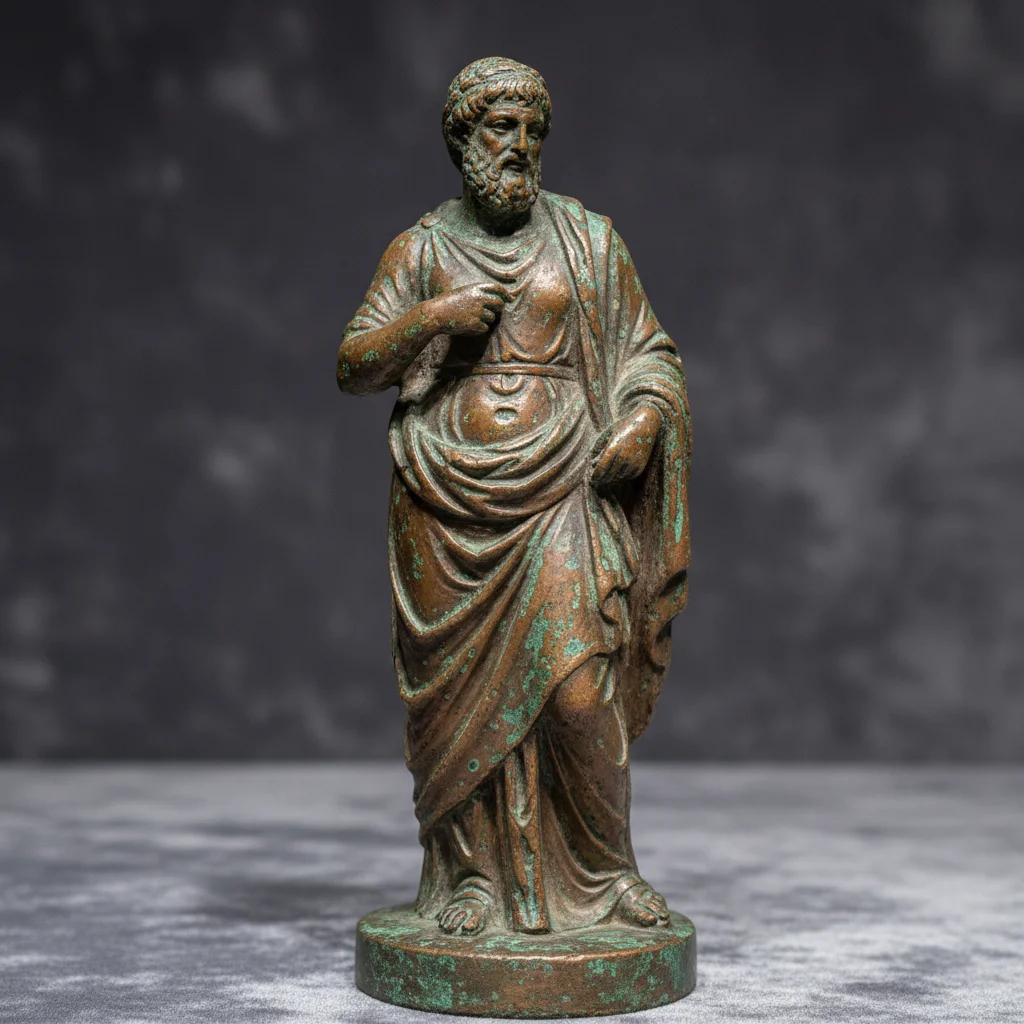
For example, antique wood has a unique patina and signs of drying that differ from artificial aging. Metals oxidize in a specific way over time, and antique glass may contain air bubbles and have irregularities absent in modern products. Paints used by old masters crack over time, creating a characteristic craquelure pattern.
A thorough study of these aspects requires knowledge and experience, so beginners are advised to compare a potential purchase with known authentic examples in museums or catalogs.
Hallmarks, Signatures, and Markings
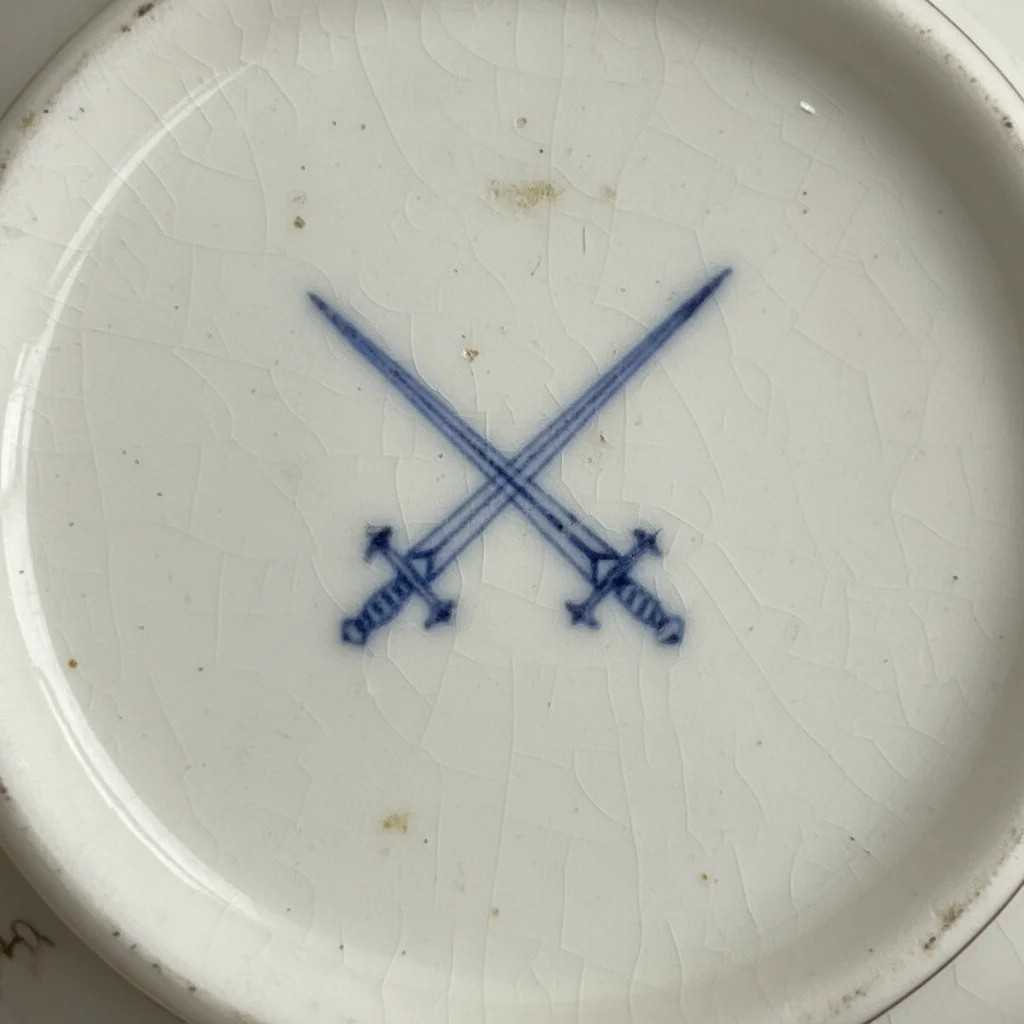
Many collectibles, from porcelain to silver and furniture, have hallmarks, signatures, or maker's marks. These marks are a kind of passport for the item and can tell a lot about its origin, date, and place of creation. However, these are the most frequently counterfeited.
The collector's task is not just to find a mark, but to verify its authenticity. This requires using specialized reference books and catalogs that contain samples of genuine marks. It is important to pay attention to the smallest details: the style of the letters, the thickness of the lines, the placement of elements, and even the depth of the impression.
- Consistency of the mark with the item's creation period. A manufactory could change its mark in different years.
- Clarity and wear. An authentic mark, like the item itself, should show signs of age. A mark that is too crisp and new on an old item is a reason for doubt.
- Location. Manufacturers usually placed marks in specific places.
- Application technique. Whether the mark was impressed, painted under the glaze, or over it—all of these details matter.
Comparing the mark on the item with reference samples from authoritative sources is a mandatory procedure when determining authenticity.
Modern Methods and Professional Expertise
When one's own knowledge and a visual inspection are not enough, modern technologies and professional experts come to the rescue. For particularly valuable or questionable items, engaging a specialist is a sensible and justified step.
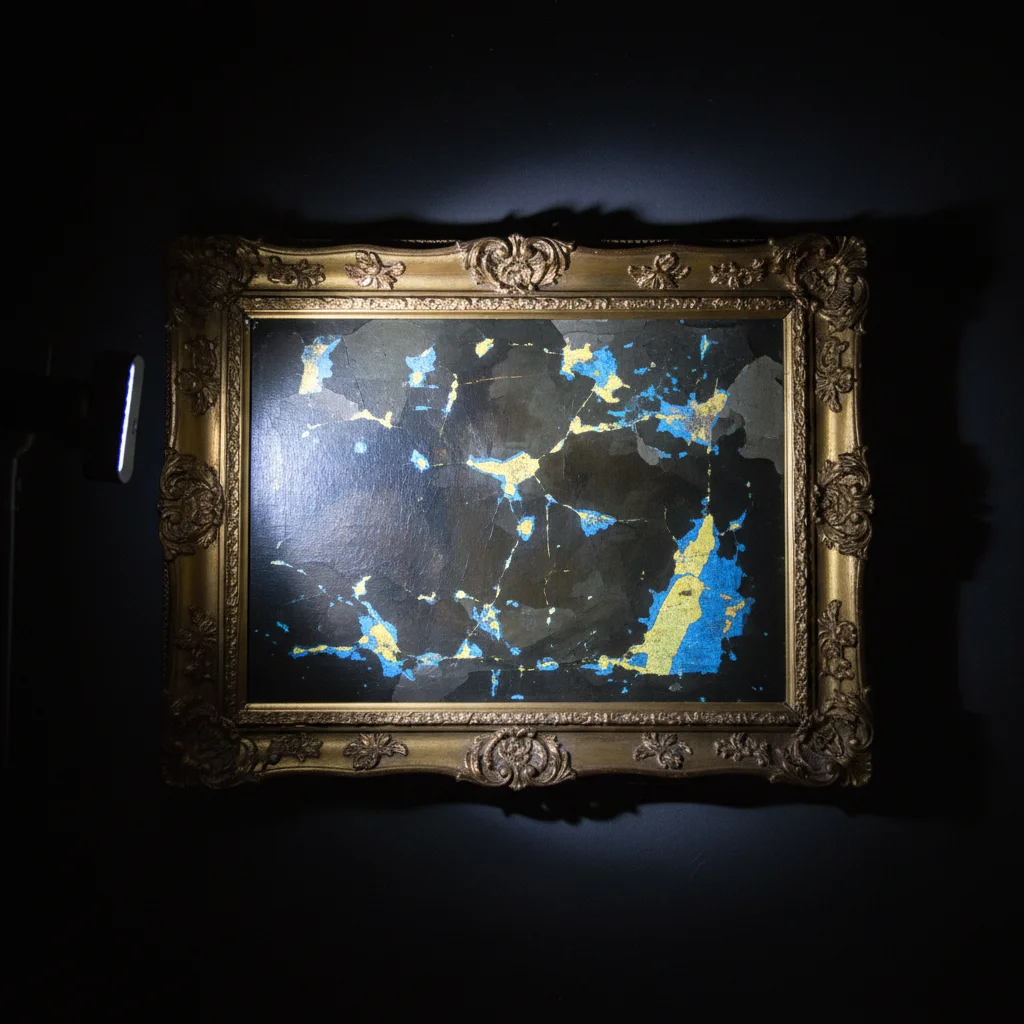
Experts use various methods in their work that are inaccessible to the average collector. For example, ultraviolet light helps to reveal traces of restoration, repairs, or later painting on pictures and ceramics. Radiography can show the internal structure of an object, hidden damage, or earlier layers of paint.
Chemical analysis of materials can determine the composition of alloys, pigments, or ceramic bodies with high accuracy, comparing it with compositions characteristic of a specific era. Although the services of professional experts and laboratories cost money, these expenses are incomparable to the potential losses from buying an expensive forgery.
Consulting an accredited appraiser or art historian not only helps to confirm authenticity but also provides an official report that increases the item's value and liquidity in the future.
Comments (0)
No comments yet. Be the first to share your thoughts!
Related Lots
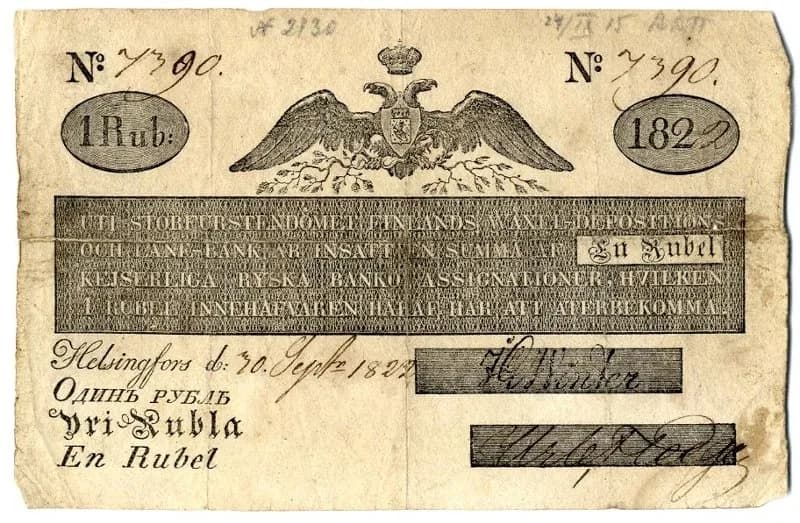
Бумажный денежный знак. Ассигнация 1 руб. ( новый тип) .Великое княжество Финляндское.
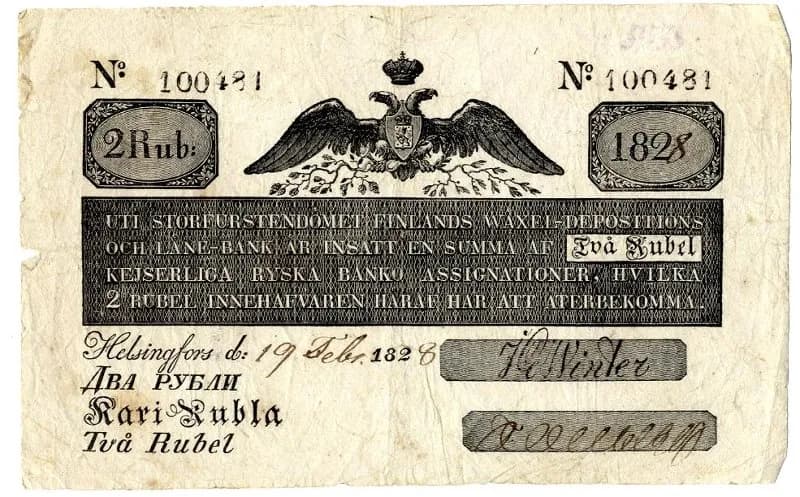
Бумажный денежный знак. Ассигнация 2 руб. (новый тип). Великое княжество Финляндское.
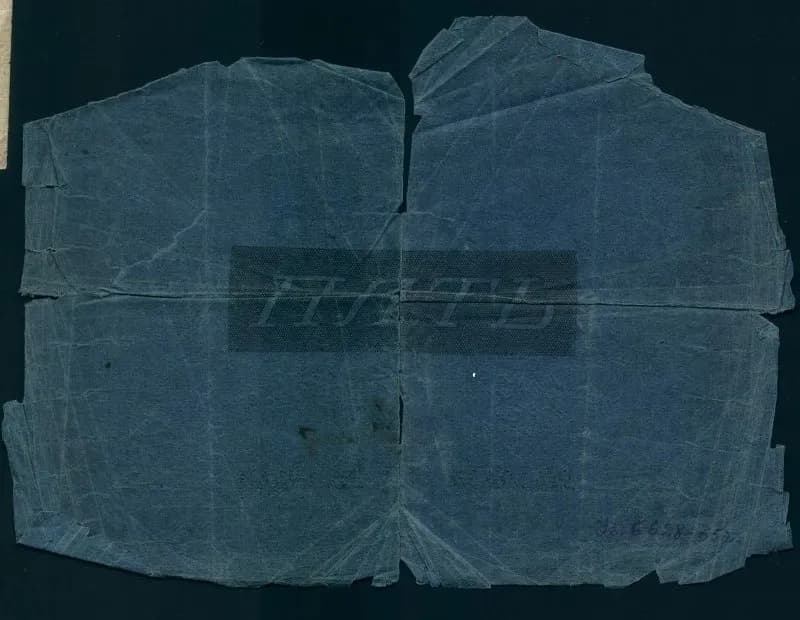
Государственная ассигнация 5 рублей.
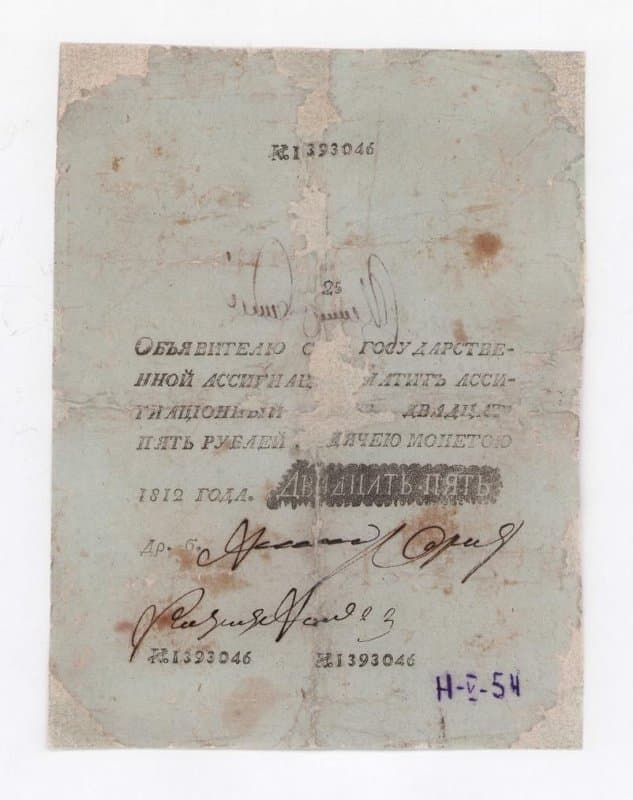
Российская Империя Ассигнация 25 рублей, 1812 (Период 1786-1819)
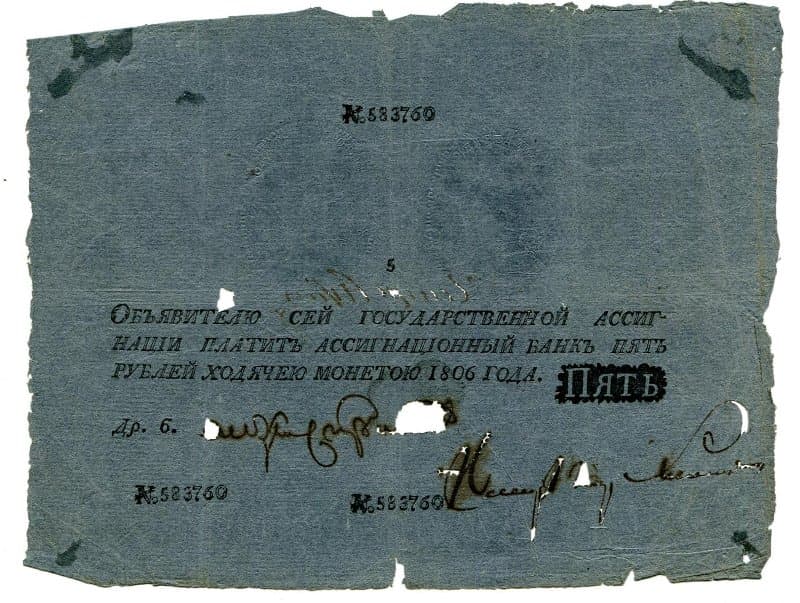
Государственная ассигнация. 5 рублей. № 583760
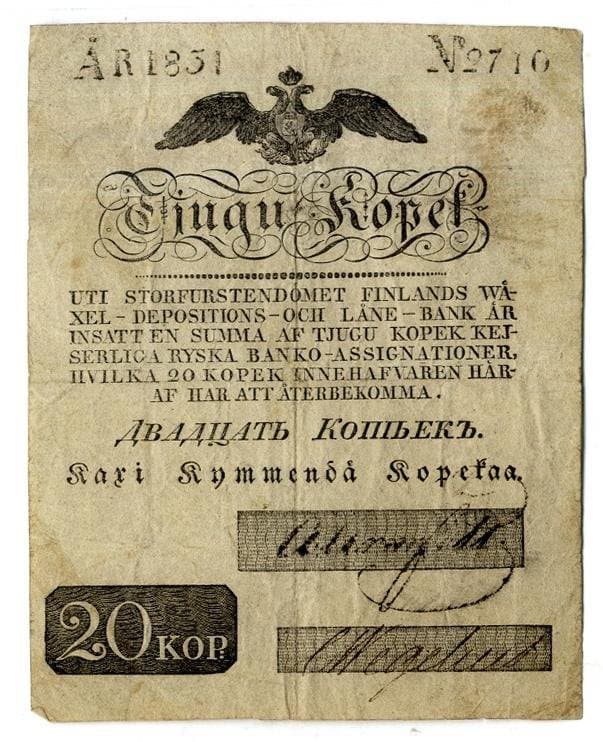
Российская Империя Ассигнация 20 копеек, 1831 (Выпуск Великого Княжества Финляндского)
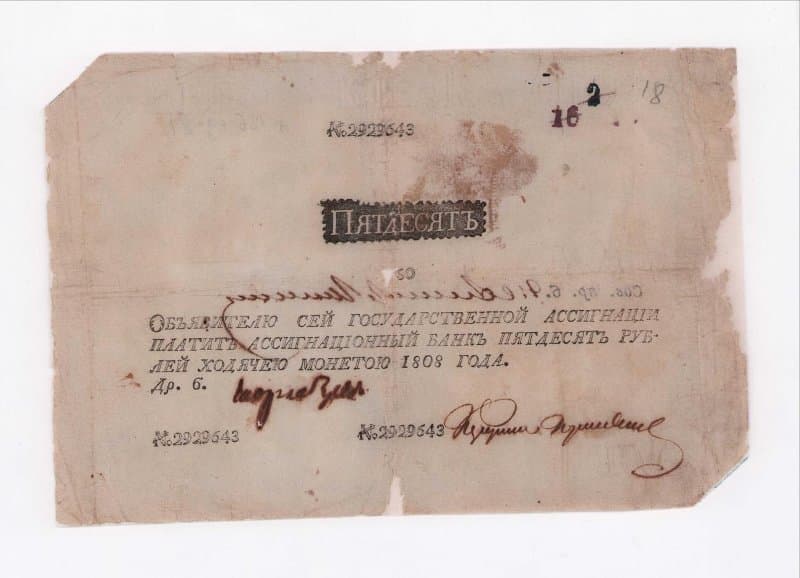
Российская Империя Ассигнация 50 рублей, 1808 (Период 1786-1819)
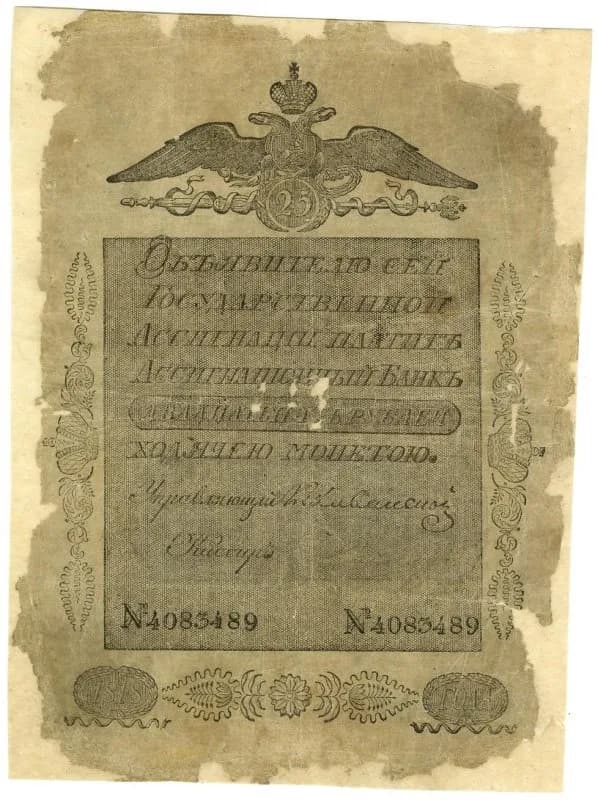
Ассигнация. Александр I (1801-1825). 25 рублей.
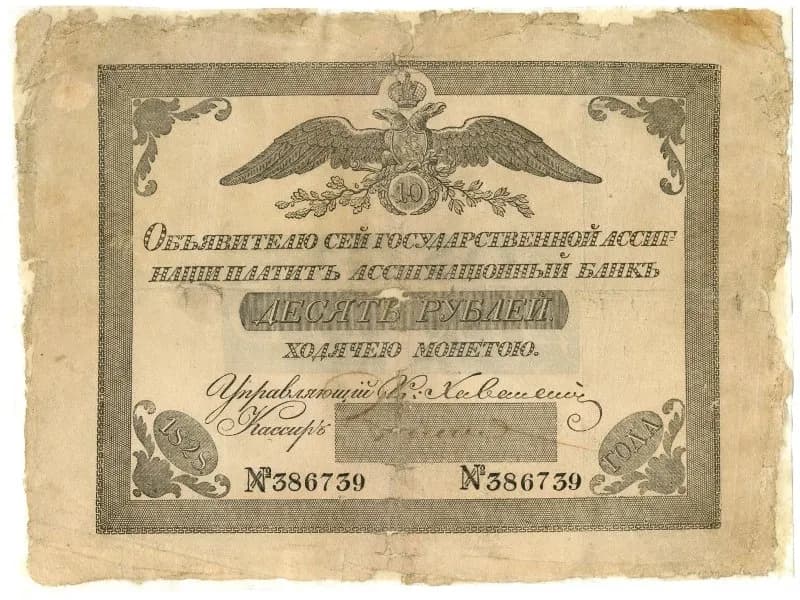
Ассигнация. Николай I (1825-1855). 10 рублей.
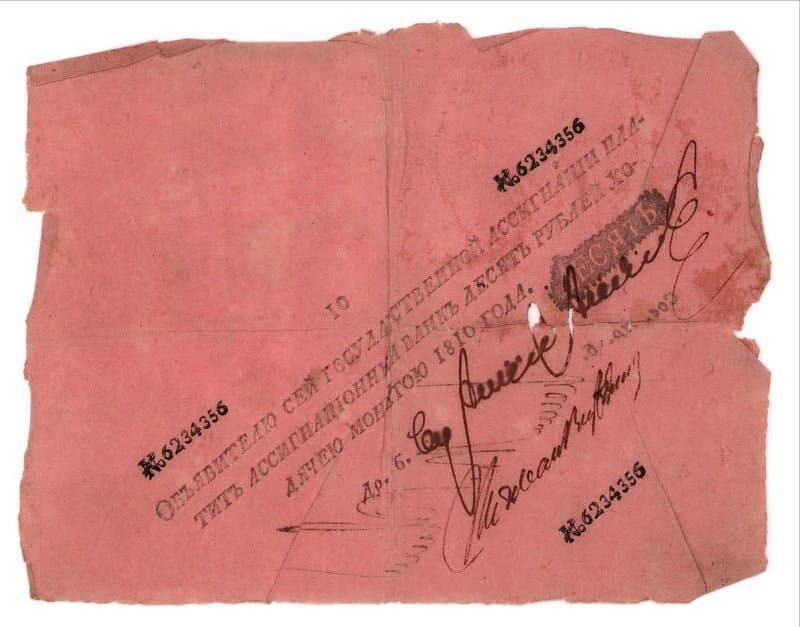
Российская Империя Ассигнация 10 рублей, 1810 (Период 1786-1819)
Similar Articles
What is Provenance and Why is it Important
Alexander Volkov

Icons: Attribution, Conservation, and Legal Restrictions
Alexander Volkov
Taxes and Customs: Importing and Exporting Collectibles
Alexander Volkov
Antique Furniture: Styles and Pricing Factors
Alexander Volkov
How to Read an Auction Catalog
Alexander Volkov