
Taxes and Customs: Importing and Exporting Collectibles
Transporting antiques and art across the border is fundamentally different from carrying regular luggage. The key concept here is "cultural property"—a category of objects defined individually by the legislation of each country. As a rule, this includes items created more than 50 or 100 years ago that have historical, artistic, or scientific significance.
January 30, 2026

Key Concepts and General Rules
Transporting antiques and art across the border is fundamentally different from carrying regular luggage. The key concept here is "cultural property"—a category of objects defined individually by the legislation of each country. As a rule, this includes items created more than 50 or 100 years ago that have historical, artistic, or scientific significance.
Regardless of the direction (import or export) and the country, the main principle is mandatory declaration. Attempting to hide a collectible and pass through the 'green channel' can be considered smuggling. Therefore, thorough document preparation and passing through the 'red channel' are mandatory steps for any conscientious collector or owner.
Exporting Cultural Property from the Russian Federation
Russian legislation establishes strict rules for the export of items that may be recognized as cultural property. The main criterion is age. Any item created more than 50 years ago automatically comes under the close scrutiny of customs authorities and requires a special export permit.
To export such an item, you must obtain an expert assessment report conducted by authorized experts from the Ministry of Culture of the Russian Federation. The assessment determines whether the item is a cultural property and whether its temporary or permanent removal abroad is possible. A special certificate is issued based on this report.
- Objects of special historical or cultural significance to the country.
- Items included in the Museum Fund of the Russian Federation.
- Archaeological finds.
Violation of these rules entails not only the confiscation of the item but also administrative or even criminal liability.
Importing Antiques and Art into Russia
| Item Type | Status | Customs Duty and VAT |
| Modern painting (created less than 50 years ago) | Not a cultural property | Subject to duty and VAT under general rules |
| Antique furniture (created more than 100 years ago) | Cultural property | 0% duty, VAT is not charged |
| Collectible coin (over 50 years old) | Cultural property | 0% duty, VAT is not charged |
The procedure for importing cultural property into the Russian Federation is somewhat simpler than exporting it, and it even has certain benefits. The state is interested in the return and influx of cultural heritage, so duty-free import is provided for such items.
To take advantage of this benefit, you must prove that the imported item is indeed a cultural property. This also requires an expert assessment. It can be done in advance, and a ready report can be provided at customs, or the procedure can be initiated directly when crossing the border, leaving the item in a temporary storage warehouse.
The table below illustrates the difference in taxation when importing different types of items.
All imported items claiming the status of cultural property must be declared without fail.
Customs Regulations in CIS Countries
Within the territory of the Eurasian Economic Union (EAEU), which includes Russia, Belarus, Kazakhstan, Armenia, and Kyrgyzstan, unified customs regulations are in effect. This means that the movement of goods, including art objects, within the union does not require customs declaration or payment of duties.
However, when exporting cultural property outside the EAEU to third countries, strict rules similar to Russian ones apply. Each member country has its own authorized bodies (analogous to the Ministry of Culture of the Russian Federation) that issue export permits. The basis for this is also an expert assessment report.
For CIS countries that are not part of the EAEU (e.g., Uzbekistan, Azerbaijan, Tajikistan), their own national laws apply. Before traveling, it is necessary to study the legislation of the specific country in detail, as the rules can differ significantly.
Moving Collectibles in the European Union
Within the European Union, the principle of free movement of goods applies, which significantly simplifies the transportation of art objects between EU member states. However, when exporting cultural property outside the EU to third countries (including the Russian Federation and CIS), strict regulations come into force.
A special export license is required to export certain categories of cultural goods from the EU. The rules are governed by Council Regulation (EC) No 116/2009. The need for a license depends on the age and value of the item.
- Archaeological objects older than 100 years (regardless of value).
- Paintings and drawings older than 50 years and valued at over €150,000.
- Sculptures older than 50 years and valued at over €50,000.
- Books older than 100 years and valued at over €50,000.
The competent authorities of the EU member state from which the export is taking place are responsible for issuing the license. The procedure can take time, so the paperwork should be handled well in advance.
Step-by-Step Action Plan and Required Documents
To legally transport a collectible across the border without problems, it is recommended to follow a clear algorithm. This will help avoid delays, fines, and more serious consequences.
- Item Identification. Determine the exact age and origin of the item. Gather all available documents: receipts, deeds of gift, certificates of authenticity.
- Preliminary Consultation. Contact an art historian or a customs broker specializing in art objects for a preliminary assessment.
- Official Expert Assessment. Submit an application to the authorized state body (e.g., the Ministry of Culture) to conduct an official expert assessment and obtain a report.
- Obtaining Permits. Based on the expert assessment, obtain an export certificate (or confirmation of cultural property status for import).
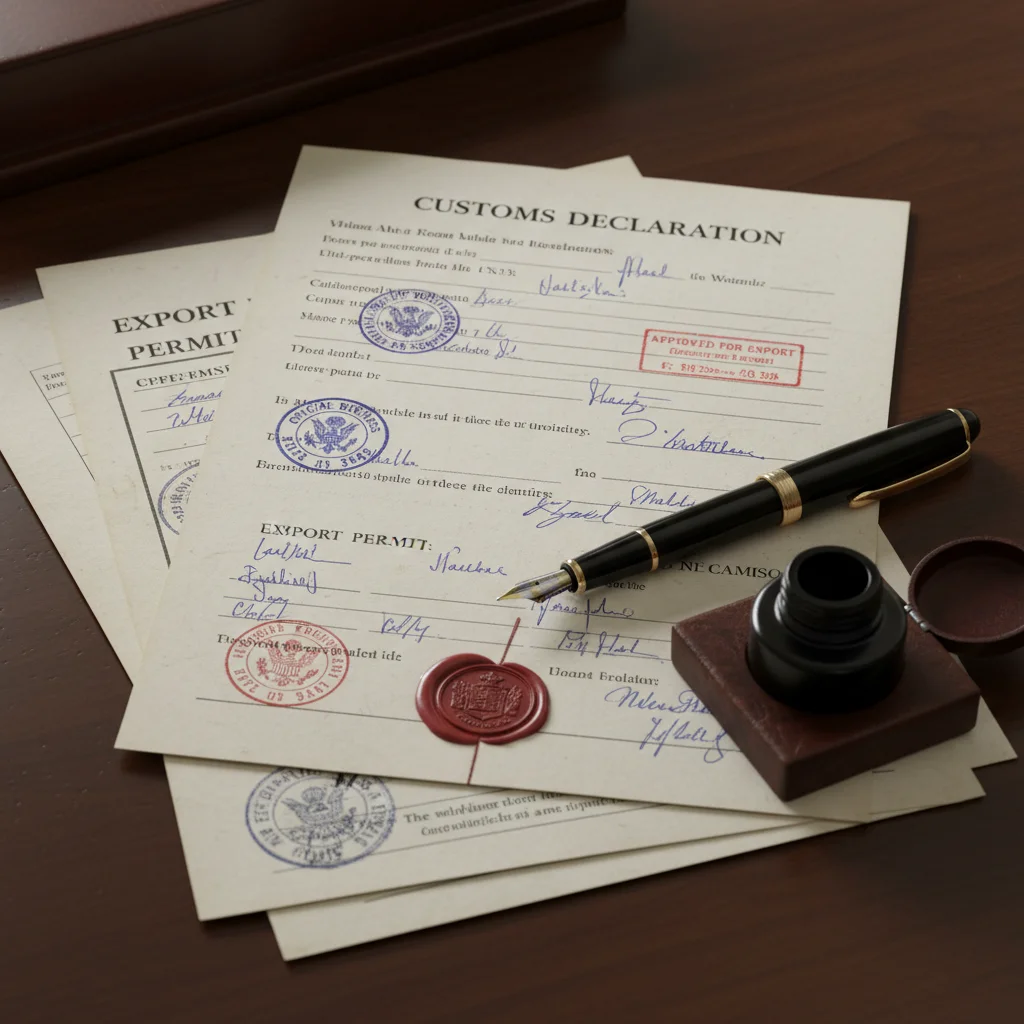
- Completing the Customs Declaration. Indicate all information about the item in the declaration, its appraised value, and attach copies of all permits.
- Going Through Customs Control. Proceed through the 'red channel' and present the item and the full package of documents to the inspector for verification. Be prepared for a possible inspection.
Comments (0)
No comments yet. Be the first to share your thoughts!
Related Lots
Ассигнация. Николай I (1825-1855). 10 рублей.
Ассигнация. Александр I (1801-1825). 25 рублей.
Ассигнация. Александр I (1801-1825). 5 рублей.
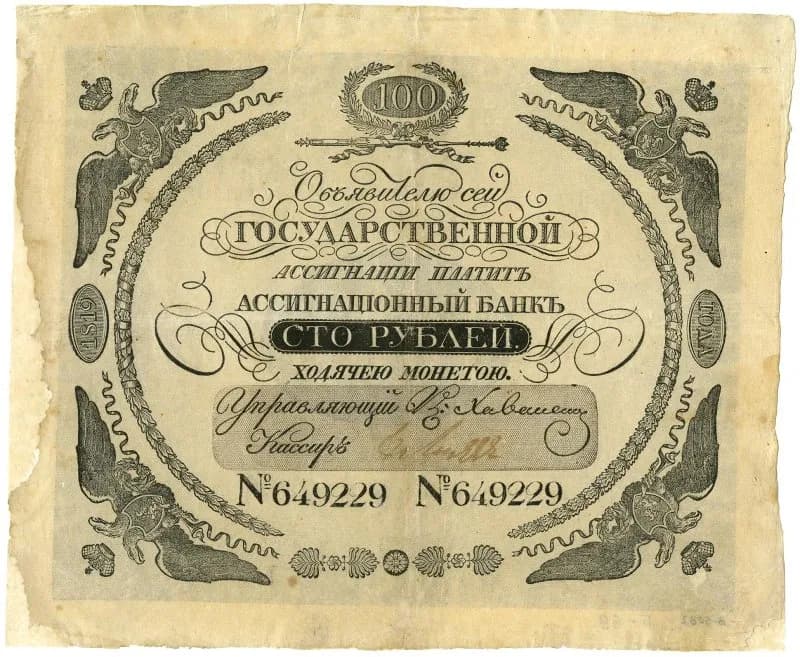
Ассигнация. Александр I (1801-1825). 100 рублей.
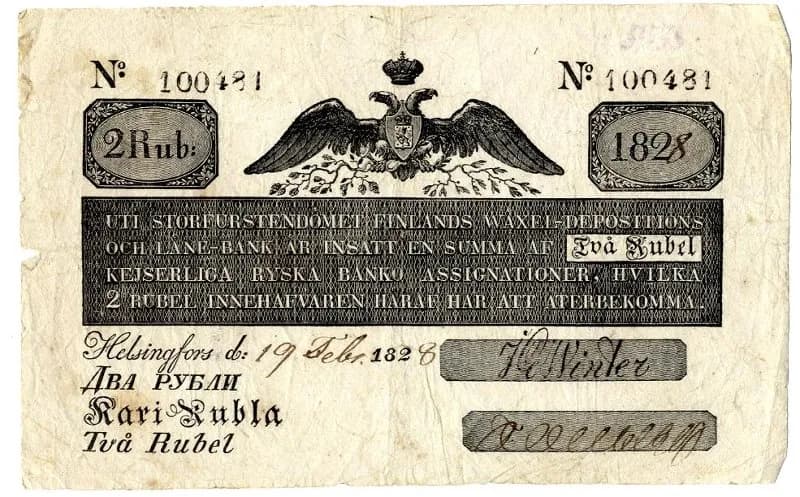
Бумажный денежный знак. Ассигнация 2 руб. (новый тип). Великое княжество Финляндское.
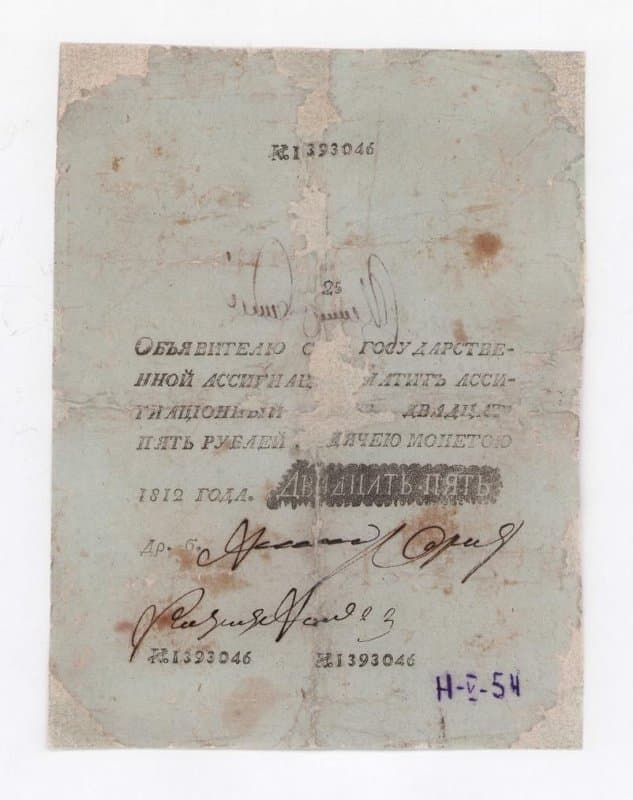
Российская Империя Ассигнация 25 рублей, 1812 (Период 1786-1819)
Государственная ассигнация 5 рублей.
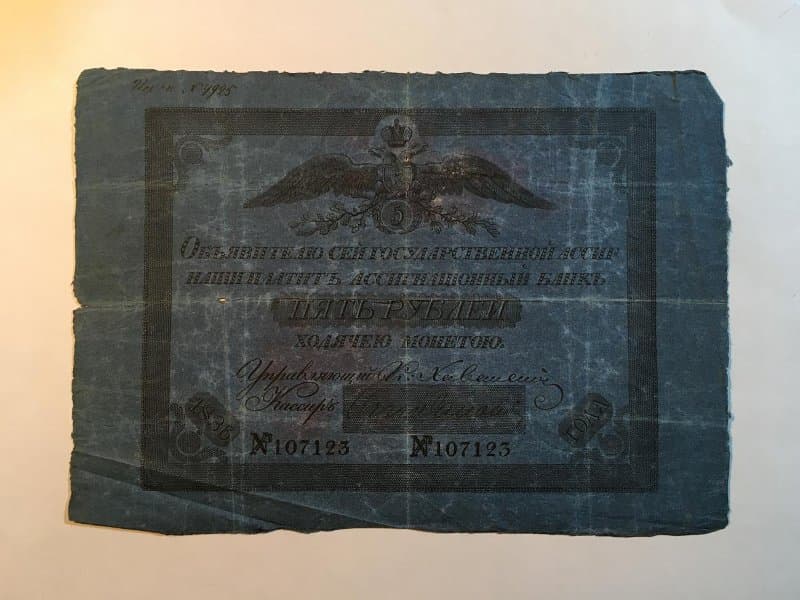
Государственная ассигнация 5 руб. (цвет синий).
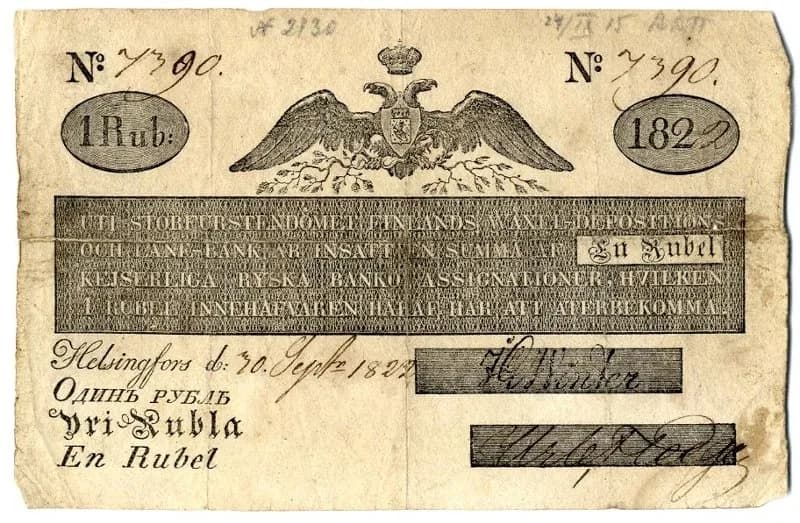
Бумажный денежный знак. Ассигнация 1 руб. ( новый тип) .Великое княжество Финляндское.
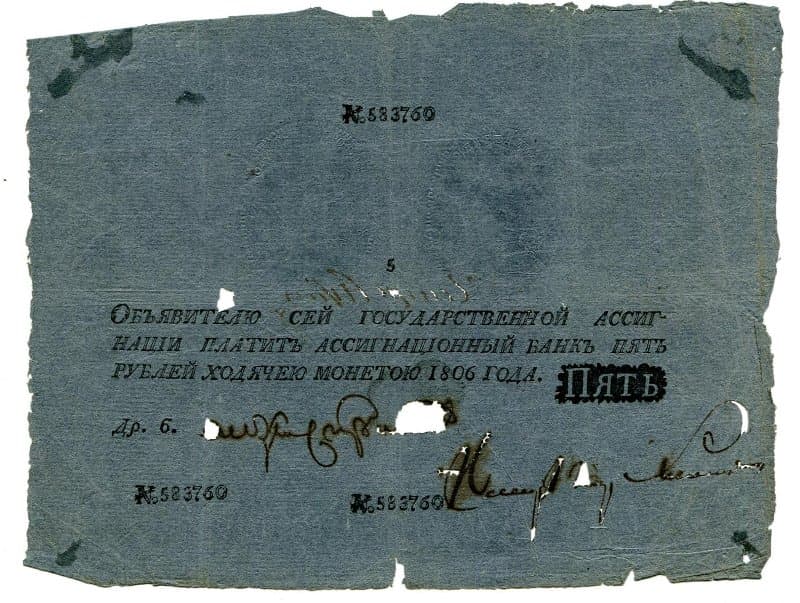
Государственная ассигнация. 5 рублей. № 583760
Similar Articles

What is Provenance and Why is it Important
Alexander Volkov

Antique Furniture: Styles and Pricing Factors
Alexander Volkov

How to Distinguish an Original from a Copy: A Guide for Collectors
Alexander Volkov
Insuring Collections: What You Need to Know
Alexander Volkov

Icons: Attribution, Conservation, and Legal Restrictions
Alexander Volkov