
Insuring Collections: What You Need to Know
Owning a collection, whether it's works of art, antiques, coins, or stamps, comes with certain risks. Standard property insurance policies often do not cover the full value of unique items or have significant limitations. Specialized collection insurance is designed to protect these valuable assets from a wide range of threats.
January 30, 2026
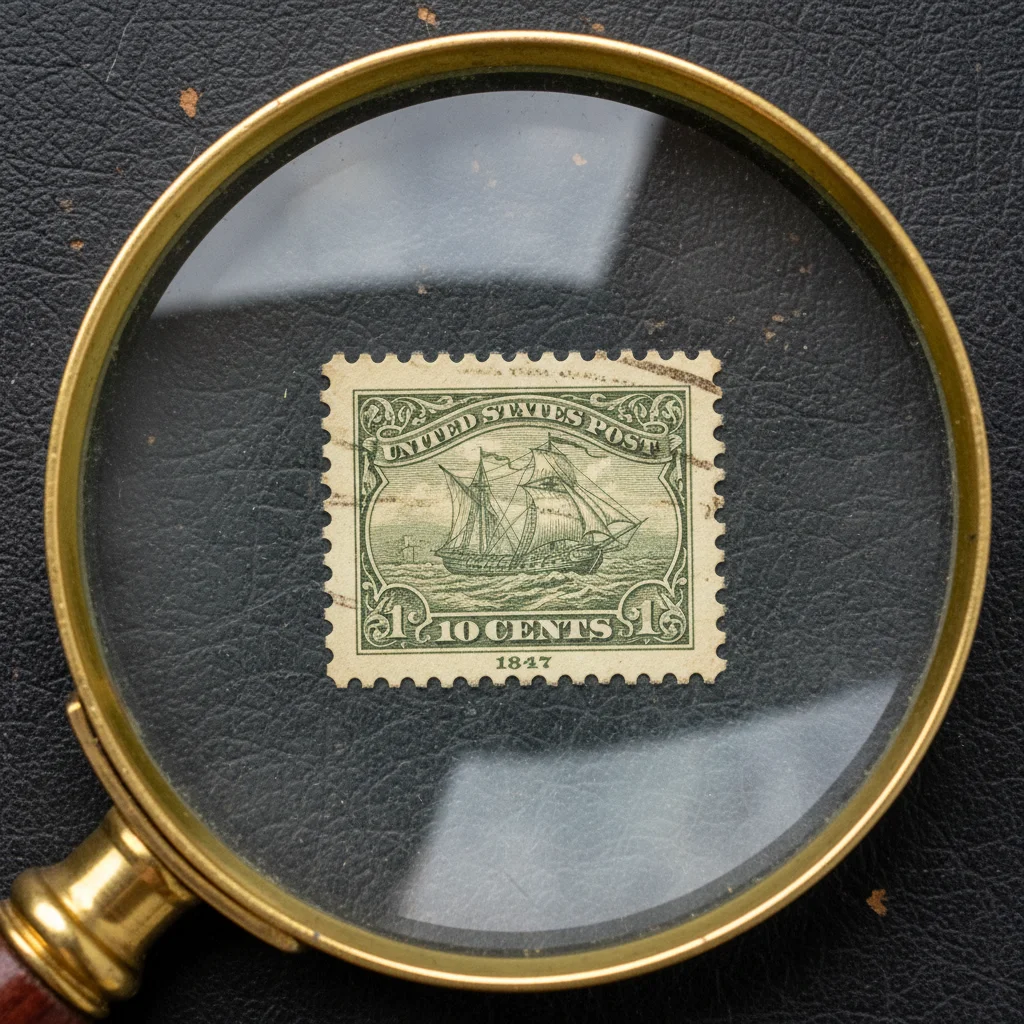
Why Insure a Collection?
Owning a collection, whether it's works of art, antiques, coins, or stamps, comes with certain risks. Standard property insurance policies often do not cover the full value of unique items or have significant limitations. Specialized collection insurance is designed to protect these valuable assets from a wide range of threats.
Such a policy takes into account the specific nature of collectible items, their market and historical value. It becomes a financial guarantee that in the event of unforeseen circumstances, such as theft, fire, or damage, the owner will be able to receive adequate compensation commensurate with the real value of the lost or damaged items.
Key Risks Covered by Insurance
A collection insurance policy typically covers risks that go beyond a standard contract. It is comprehensive protection tailored to the needs of a collector. Understanding exactly what your asset is protected from is key when choosing an insurance program.
Most often, insurance coverage includes the following events:
- Burglary, theft, or robbery.
- Fire, lightning strike, gas explosion.
- Water damage resulting from accidents in water supply or heating systems.
- Natural disasters (flood, hurricane, earthquake).
- Damage during transportation or while on exhibition (if provided for in the contract).
- Illegal acts by third parties, vandalism.
It is important to carefully study the contract to understand the exclusions. For example, some policies do not cover damage from natural aging, wear and tear, or damage caused by insects or rodents.
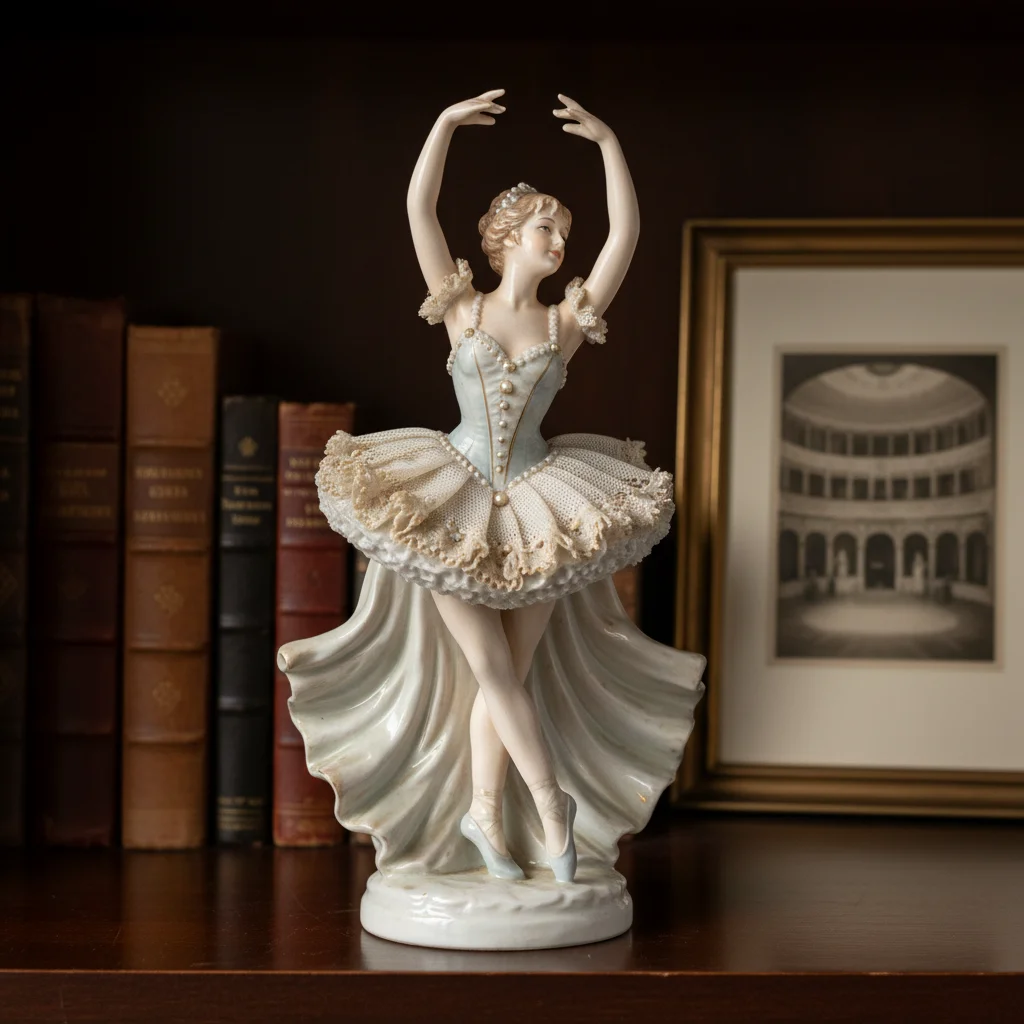
Collection Appraisal: The Foundation of the Insurance Contract
A correct appraisal of the collection's value is the most crucial step before signing an insurance contract. The size of the insured sum and, consequently, the potential payout depend on this appraised value. Errors at this stage can lead to a situation where, in the event of a loss, the compensation does not cover the item's real value.
The appraisal should be conducted by an independent expert appraiser with the appropriate qualifications and experience with your type of collectibles. Based on their work, an official appraisal report is drawn up, which will become the primary document for the insurance company. It is recommended to have the collection reappraised every 3-5 years, as the market value of art and antiques can change significantly over time.
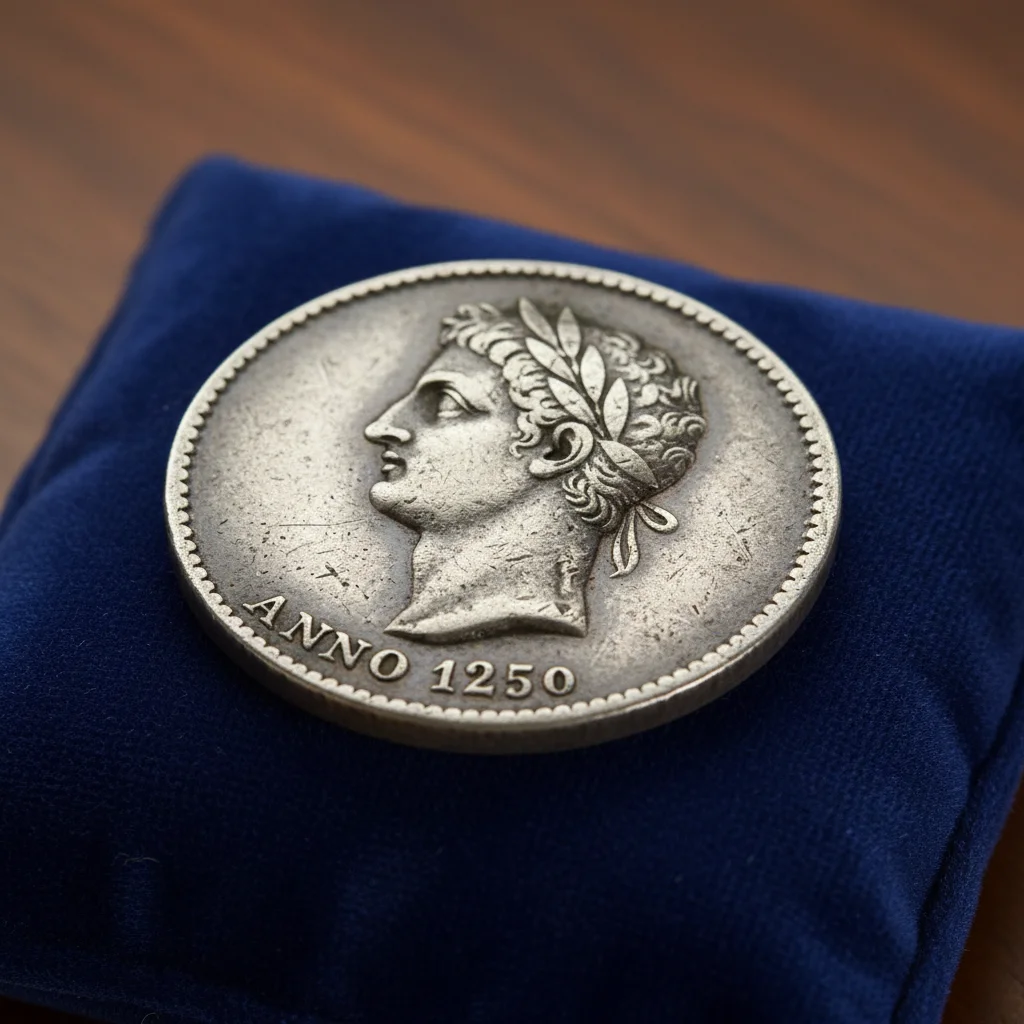
Documentation: How to Prepare for Insurance
Thorough preparation of documents significantly simplifies the insurance process and loss settlement in the future. The insurance company will require proof of both ownership of the items and their value. This is your primary evidence.
To successfully obtain a policy, you need to gather a complete set of documents. The main preparation steps are as follows:
- Compile a complete catalog of the collection. You need to create a detailed list of all items with their descriptions: title, author, year of creation, dimensions, materials, and distinguishing features.
- Professional photographic documentation. Take high-quality photographs of each item from different angles, paying attention to details, marks, signatures, and any existing defects.
- Gather supporting documents. Keep everything that can confirm the history and value of the item: purchase receipts, certificates of authenticity, expert opinions, and auction catalogs.
- Obtain an appraisal report. Contact a professional appraiser to determine the market value of the collection.
This set of documents is not only necessary for the insurance company but also serves as a valuable archive for the collector.

Choosing an Insurance Company and Signing the Contract
| Term | Description |
| Sum Insured | The maximum amount the company will pay in the event of an insured incident. It is usually equal to the appraised value of the collection. |
| Deductible | The portion of the loss that is not covered by the insurance company and is paid by the owner. It can be conditional or unconditional. |
| Insurance Premium | The payment for the insurance policy made by the policyholder. Its amount depends on the sum insured, risks, and other factors. |
After the collection is appraised and all documents are gathered, the next step is to choose an insurance company and sign the contract. Not all insurers work with art and antiques, so it's worth looking for companies that have specialized programs, such as 'Art Insurance' or private collection insurance.
When choosing an insurer, pay attention to its reputation, experience in this field, and the terms it offers. It is important to understand the key terms of the contract, which directly affect the payout conditions.
Read the entire contract carefully before signing, especially the clauses concerning exclusions from coverage, the obligations of the parties, and the procedure to follow in the event of an insured incident. This will help avoid misunderstandings and problems in the future.
Comments (0)
No comments yet. Be the first to share your thoughts!
Related Lots
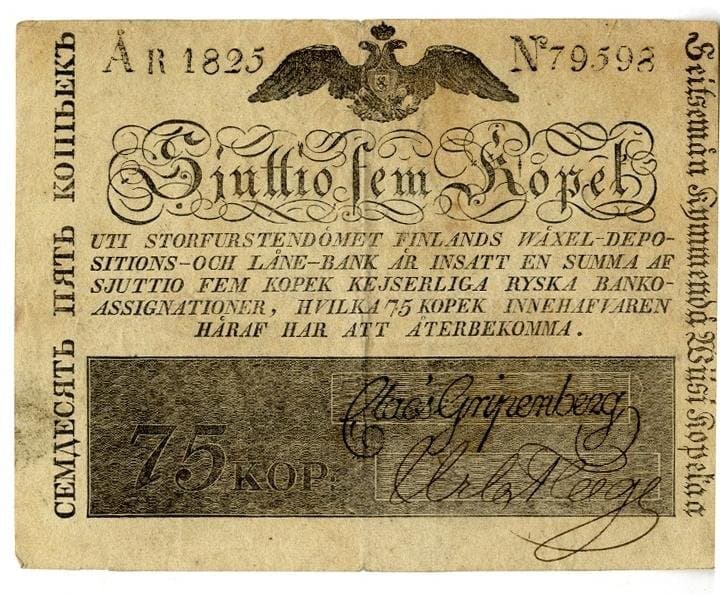
Российская Империя Ассигнация 75 копеек, 1825 (Выпуск для Великого Княжества Финляндского)
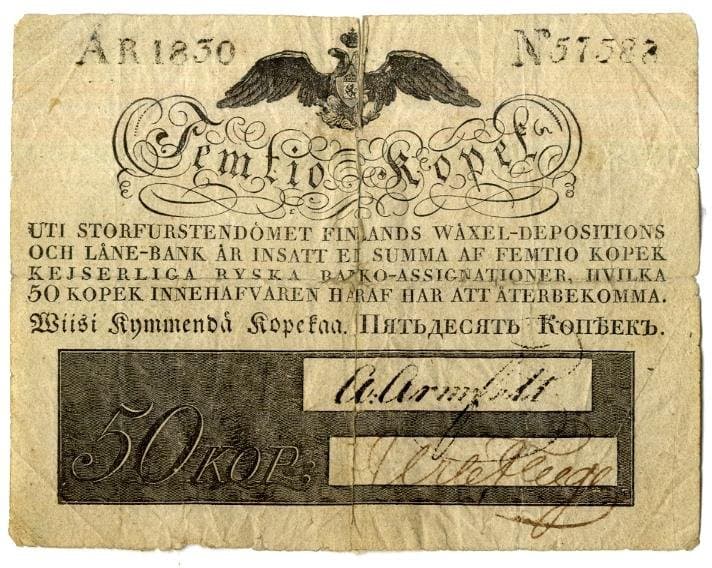
Российская Империя Ассигнация 50 копеек, 1830 (Выпуск для Великого Княжества Финляндского)
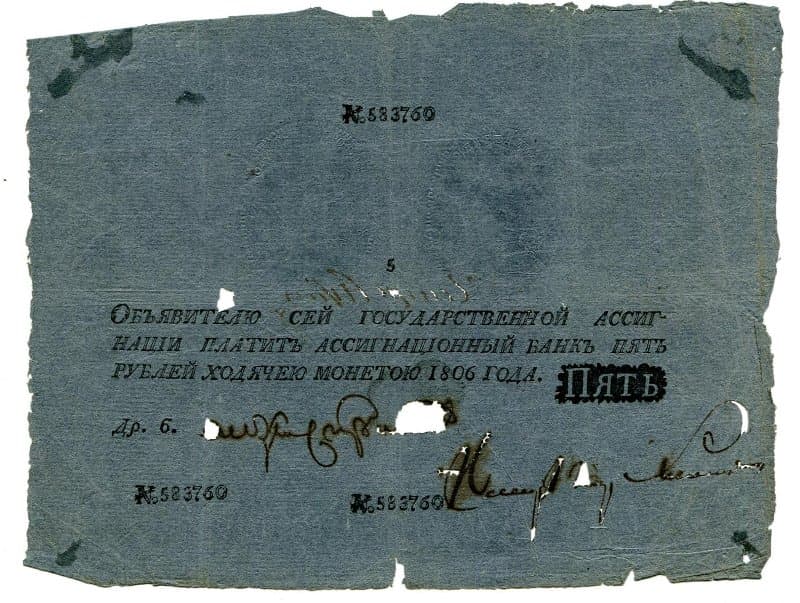
Государственная ассигнация. 5 рублей. № 583760
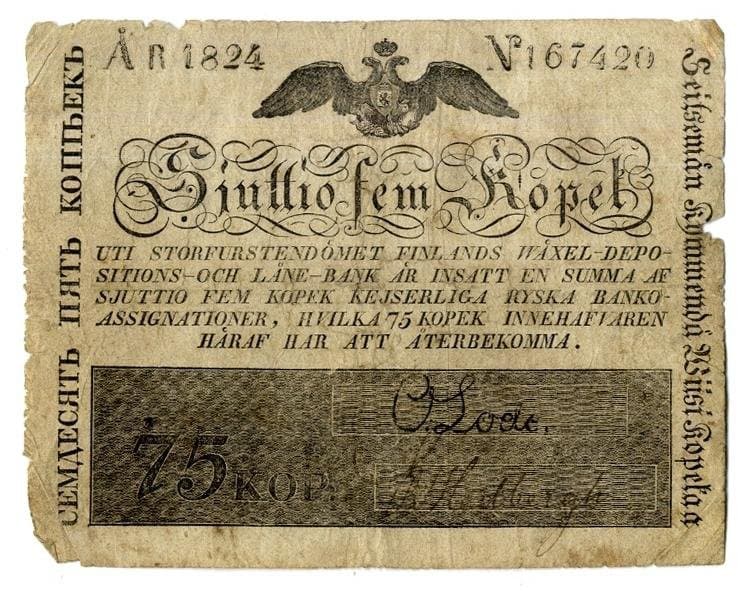
Российская Империя Ассигнация 75 копеек, 1824 (Выпуск для Великого Княжества Финляндского)
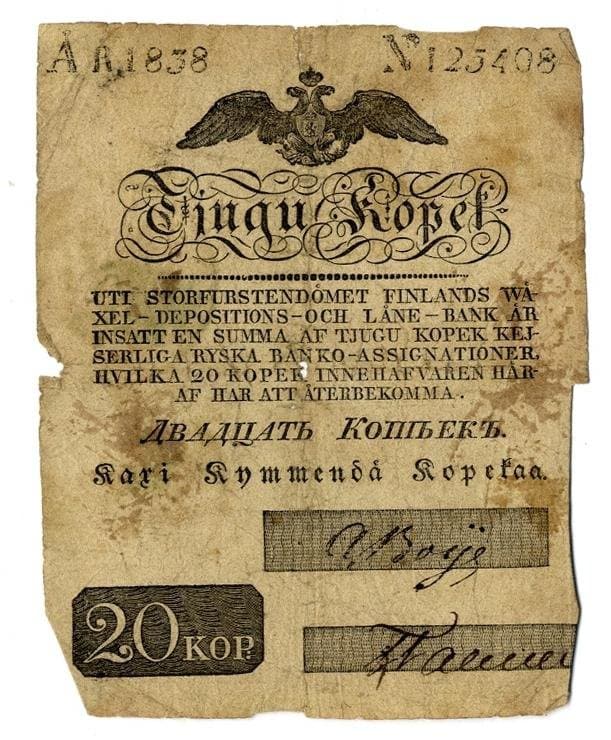
Российская Империя Ассигнация 20 копеек, 1838 (Выпуск Великого Княжества Финляндского)
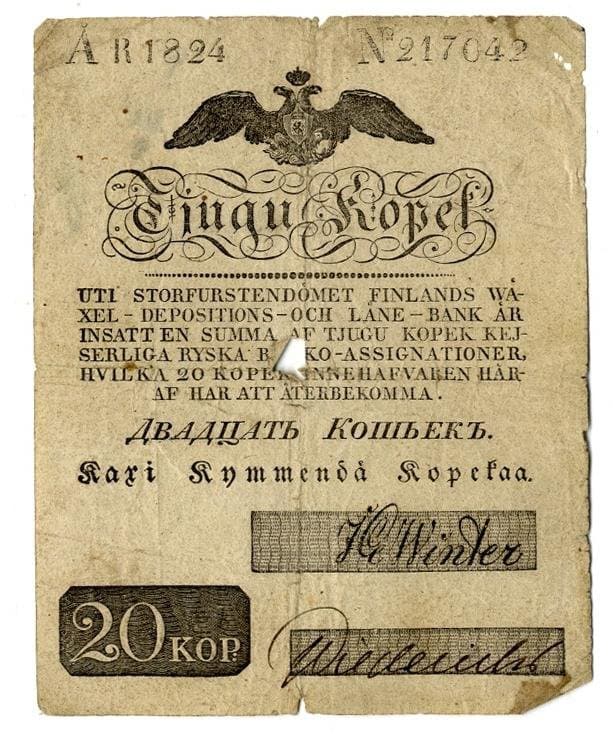
Российская Империя Ассигнация 20 копеек, 1824 (Выпуск для Великого Княжества Финляндского)
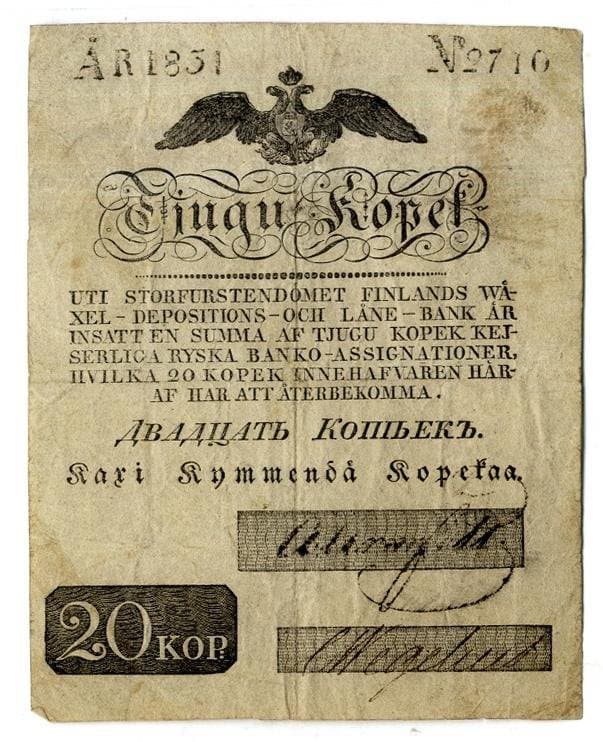
Российская Империя Ассигнация 20 копеек, 1831 (Выпуск Великого Княжества Финляндского)
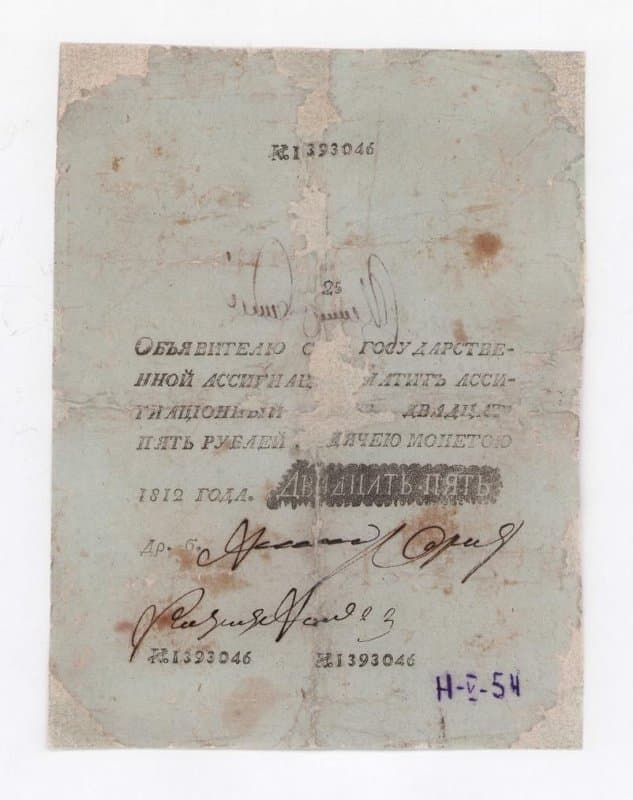
Российская Империя Ассигнация 25 рублей, 1812 (Период 1786-1819)
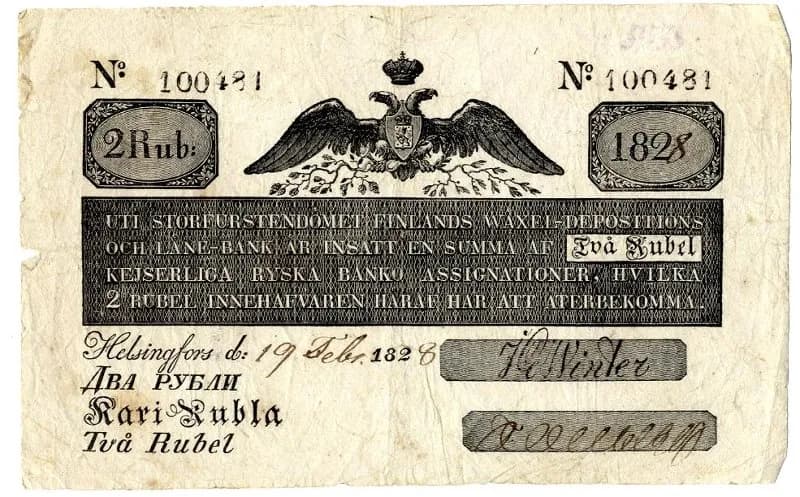
Бумажный денежный знак. Ассигнация 2 руб. (новый тип). Великое княжество Финляндское.
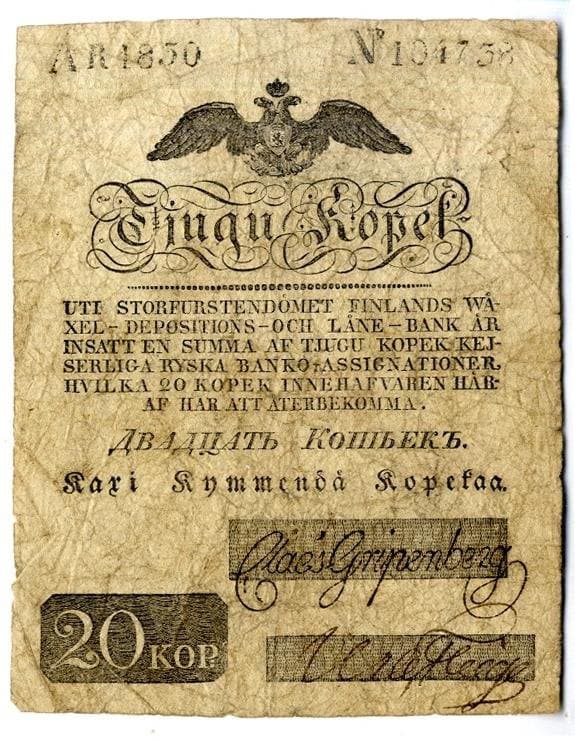
Российская Империя Ассигнация 20 копеек, 1850 (Выпуск для Великого Княжества Финляндского)
Similar Articles
Investing in Coins: Pros, Risks, Liquidity
Alexander Volkov

Taxes and Customs: Importing and Exporting Collectibles
Alexander Volkov
How to Distinguish an Original from a Copy: A Guide for Collectors
Alexander Volkov
How to Start Collecting Coins: A Complete Guide for Beginners
Alexander Volkov
Numismatic Auctions: What a Beginner Should Look For
Alexander Volkov