
How to Start Collecting Coins: A Complete Guide for Beginners
The first and most important step for any beginner collector is to decide on a theme. Without a clear direction, a collection risks turning into a chaotic set of random coins. Choosing a theme gives collecting meaning, helps to focus, and allows for a deeper study of the chosen area.
January 30, 2026
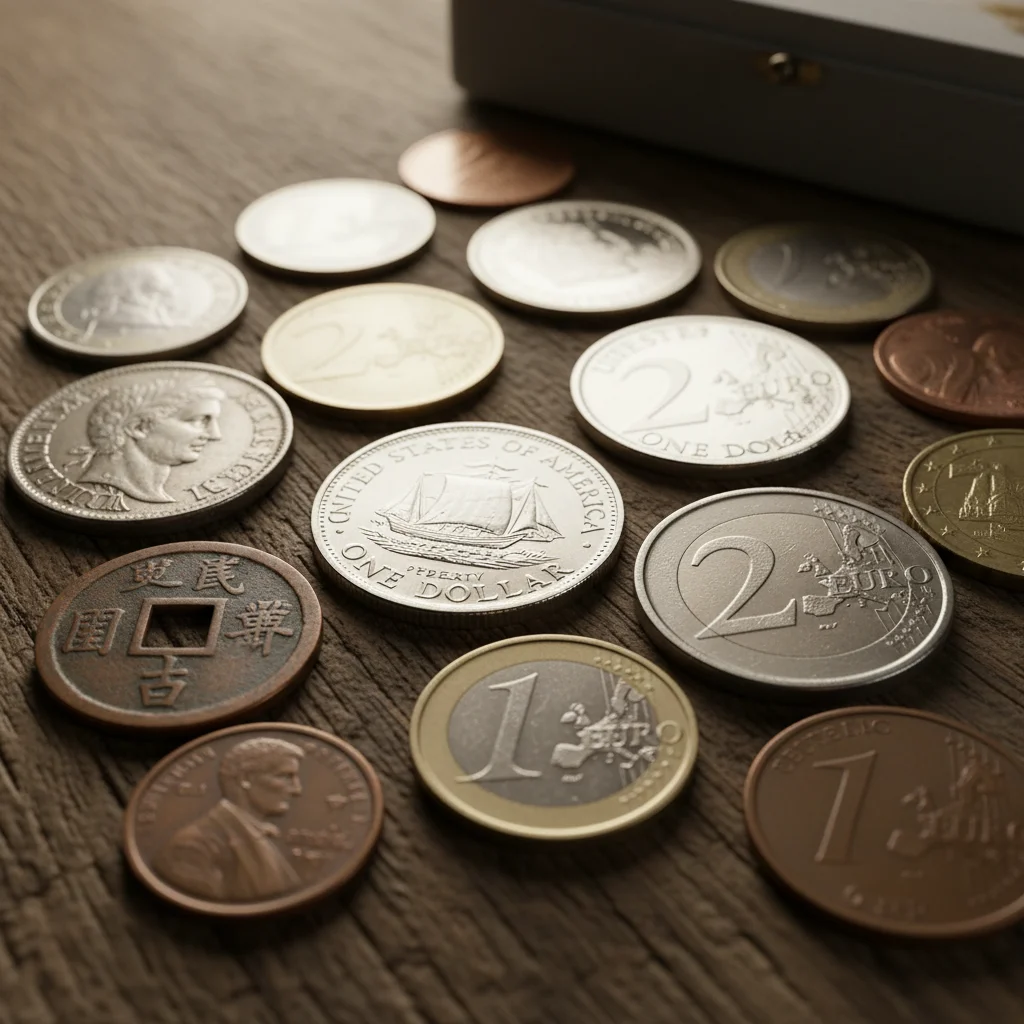
Where to Start? Choosing a Collection Focus
The first and most important step for any beginner collector is to decide on a theme. Without a clear direction, a collection risks turning into a chaotic set of random coins. Choosing a theme gives collecting meaning, helps to focus, and allows for a deeper study of the chosen area.
The focus can be anything and depends only on your interests. It could be the history of your home country, a fascination with antiquity, or simply a love for images of animals. The main thing is that the theme is genuinely interesting to you, as this is the foundation of a long-term passion.
There are many popular themes for collecting that are excellent for getting started. Here are a few ideas:
- Coins from your own country (e.g., commemorative and anniversary coins of Russia or the USSR).
- Coins from a specific historical period (e.g., coins of the Roman Empire or medieval Europe).
- Thematic collections (coins depicting animals, ships, famous personalities, sporting events).
- Coins made of a specific metal (e.g., only silver or copper).
- "Pogodovka" (Year sets) — collecting all denominations of a single coin type for each year of its issue.
Essential Tools for the Beginner Numismatist
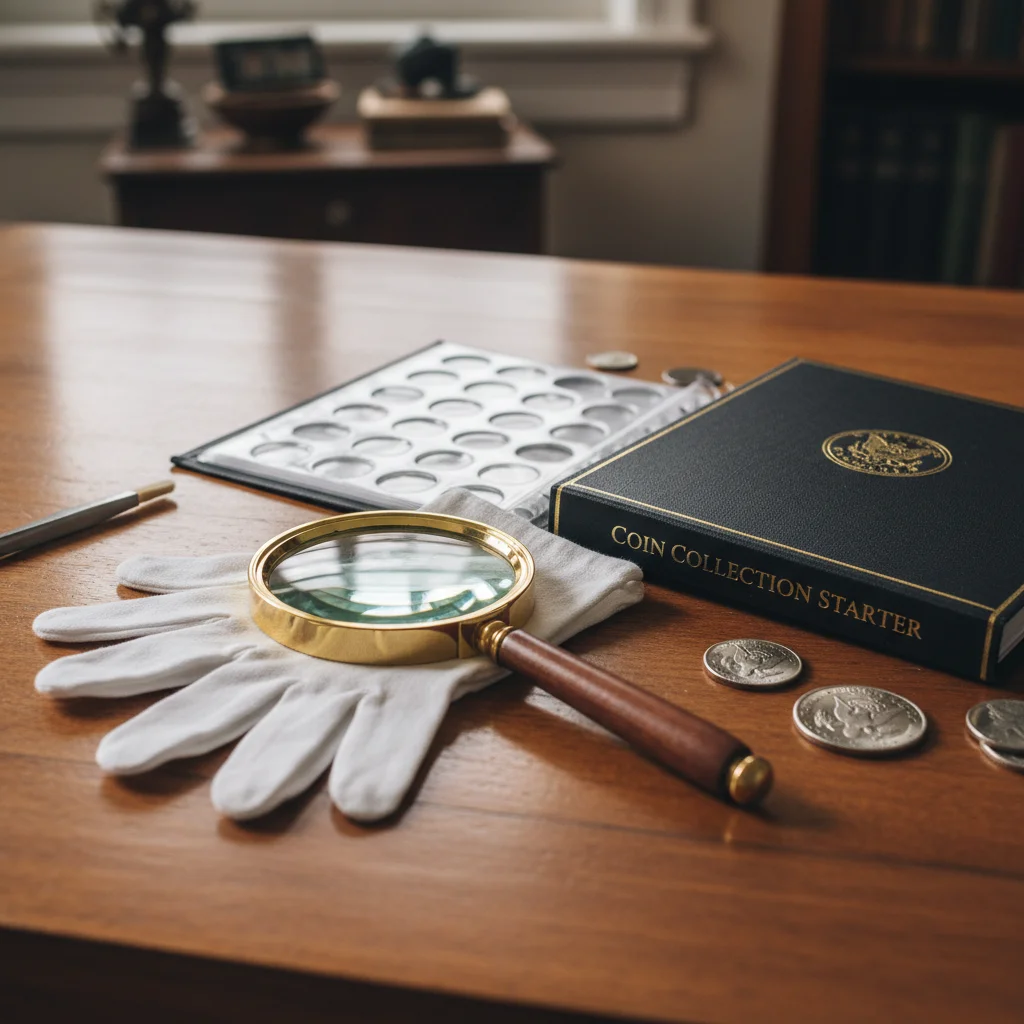
A serious approach to collecting requires a basic set of tools. They will help you handle coins correctly, study them, and most importantly, preserve them in their original condition. Proper handling is key to maintaining the value of your collection.
The main rule is to never touch the coin's surface with your bare hands. The oil and sweat from your fingers can leave permanent stains and start the oxidation process. To avoid this, use special gloves or hold the coin exclusively by its edge (rim).
Here is a basic list of tools a beginner will find useful:
- A coin album. The most popular way to store coins. Choose albums made from chemically inert materials to avoid damaging them.
- A numismatist's loupe. It allows you to see small details, defects, or signs of wear. An optimal magnification to start with is 5x to 10x.
- Cotton or numismatic gloves. Necessary for safely handling collectible specimens.
- Specialized catalogs. These help you identify authenticity, varieties, and the approximate market value of coins.
Where to Find and Buy Your First Coins?
Once you've chosen a theme and have your tools ready, the question arises: where do you get the coins? There are many sources for expanding your collection, from the simplest and free ones to specialized platforms for professionals.
For a beginner, it's best to start with the most accessible options. The easiest way to find your first specimens is to check your own piggy bank or the change you get from a store. You can often find interesting commemorative coins or specimens with a rare year of issue or a minor mint error among regular currency.
As you gain experience, you can move on to more serious sources. Here are the main places where you can expand your collection:
- Coins from circulation. The most accessible way to find your country's commemorative coins.
- Trading with other collectors. An excellent way to obtain desired coins without spending money.
- Numismatic clubs and shows. Places where experienced collectors gather to trade and sell.
- Specialized stores and online auctions. You can find rare and valuable items here, but it requires caution and market knowledge.
- Flea markets. You might find something interesting, but there's a high risk of running into a counterfeit or overpaying.
Grading the Condition: The Key to a Coin's Value
| Condition | Description |
| UNC (Uncirculated) | Excellent. The coin has not been in circulation, shows no signs of wear, and retains its original mint luster. |
| AU (About Uncirculated) | Almost excellent. Minimal abrasions on the highest points of the relief. |
| XF (Extremely Fine) | Excellent. Minor wear, almost all fine details of the design are visible. |
| VF (Very Fine) | Very good. Noticeable wear from circulation, but the main outlines and details of the relief are clear. |
| F (Fine) | Good. Significant wear, many fine details are smoothed out, but the design is still clearly distinguishable. |
One of the key factors that determines a coin's value is its state of preservation. Two identical coins can differ in price by tens or even hundreds of times solely due to their condition. Therefore, it's important to learn how to at least roughly determine it.
In numismatics, there is an international system for grading the condition of coins. It helps to standardize descriptions and fairly evaluate specimens. A beginner only needs to know the basic grades to understand what they are paying for and what to expect from a purchase.
The better the condition of a coin, the more expensive it is. Uncirculated (UNC) coins are valued the highest because they have retained their original appearance and luster. On the other hand, coins in poor condition (F, G) are usually of interest only if they are very rare.
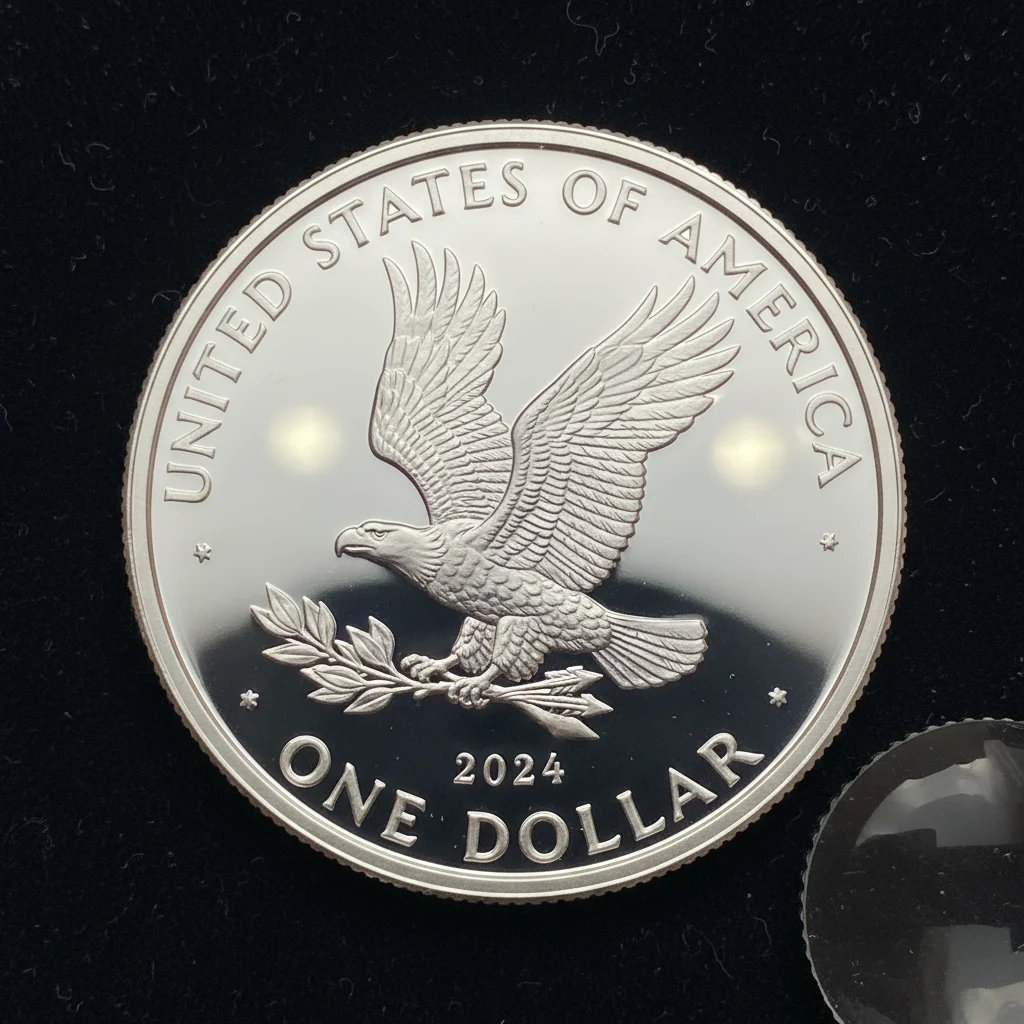
How to Avoid Mistakes: Common Traps for Beginners
On the path of a beginner numismatist, there are many pitfalls. Knowing the main mistakes will help save money, time, and nerves, and also prevent you from getting discouraged with the hobby right at the start.
The main danger is buying counterfeits. The market is flooded with copies and fakes, especially when it comes to rare and expensive coins. Therefore, you should only make serious purchases from trusted sellers with a good reputation.
Another common mistake is trying to clean a coin yourself. Unprofessional cleaning almost always causes irreparable damage to the coin, destroying the patina — a noble layer of tarnish that develops over time and is valued by collectors. The value of such an "improved" coin can drop several times over.
Here are the main mistakes to avoid:
- Buying counterfeits. Always check the seller and don't be tempted by suspiciously low prices on rare specimens.
- Improper storage. Storing coins in contact with PVC, cardboard, or other aggressive materials can ruin them.
- Attempting to "improve" a coin by cleaning it. Cleaning should only be entrusted to professional restorers.
- Overpaying for coins in poor condition. Study market prices and don't buy coins with significant damage unless they are unique.
Comments (0)
No comments yet. Be the first to share your thoughts!
Related Lots
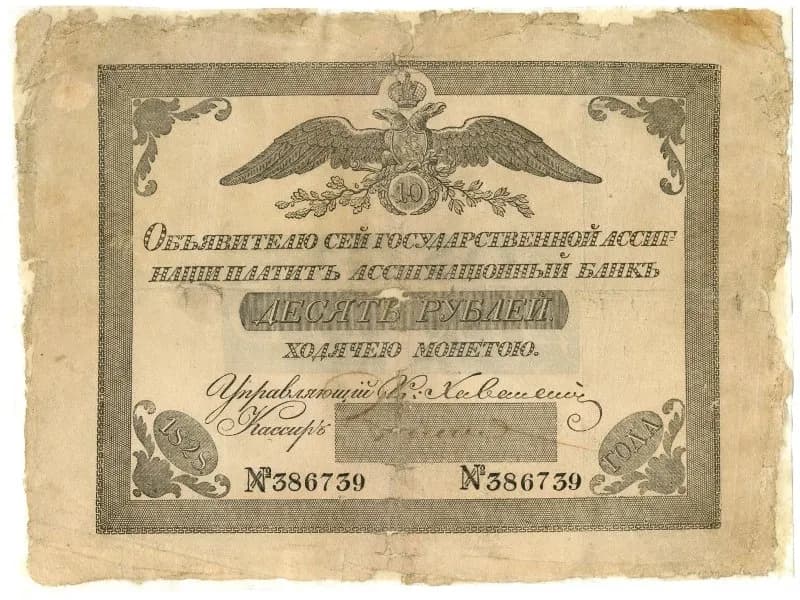
Ассигнация. Николай I (1825-1855). 10 рублей.
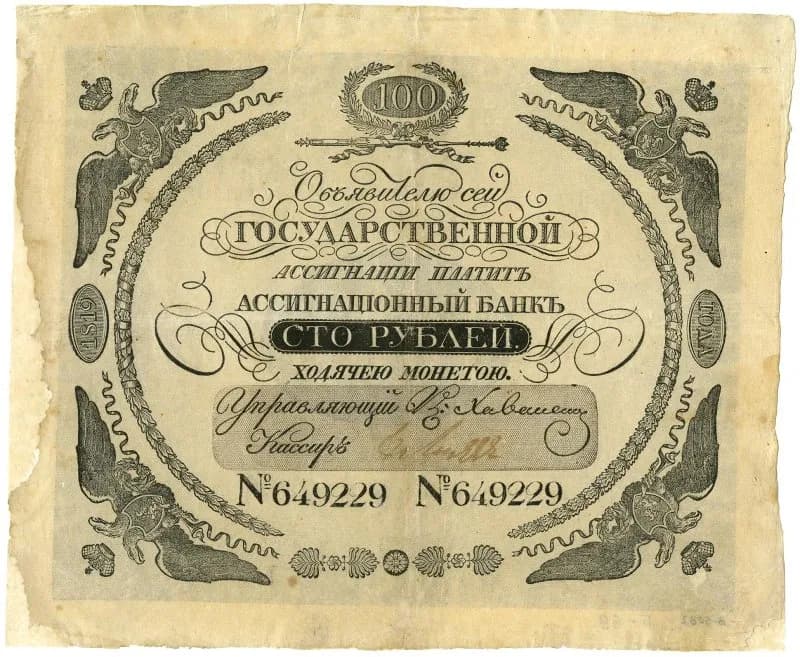
Ассигнация. Александр I (1801-1825). 100 рублей.
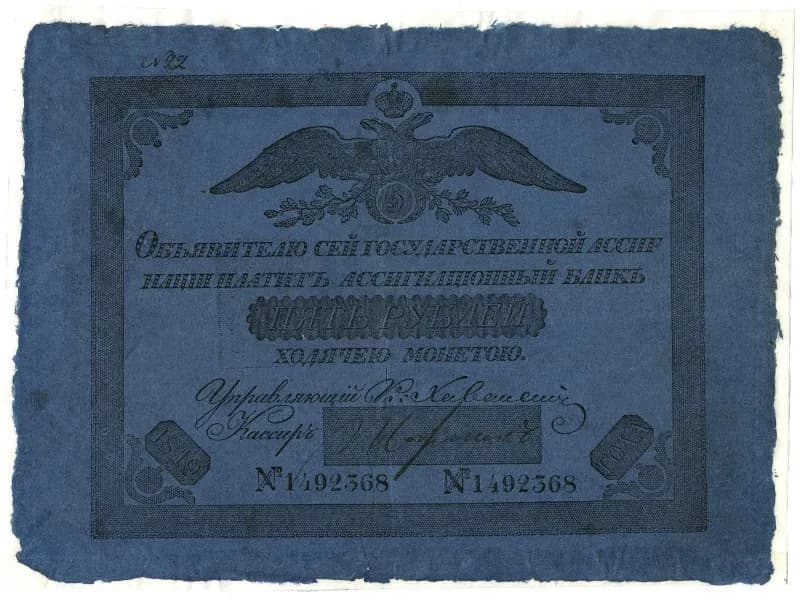
Ассигнация. Александр I (1801-1825). 5 рублей.
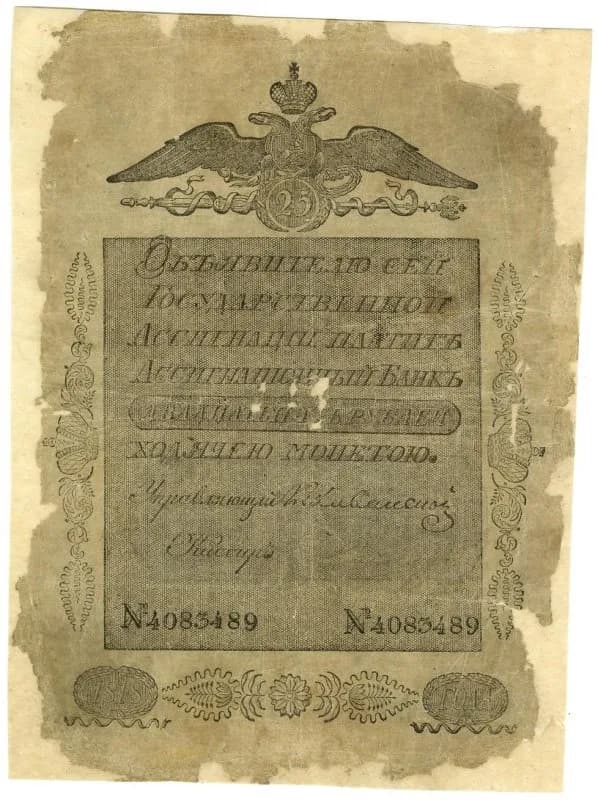
Ассигнация. Александр I (1801-1825). 25 рублей.
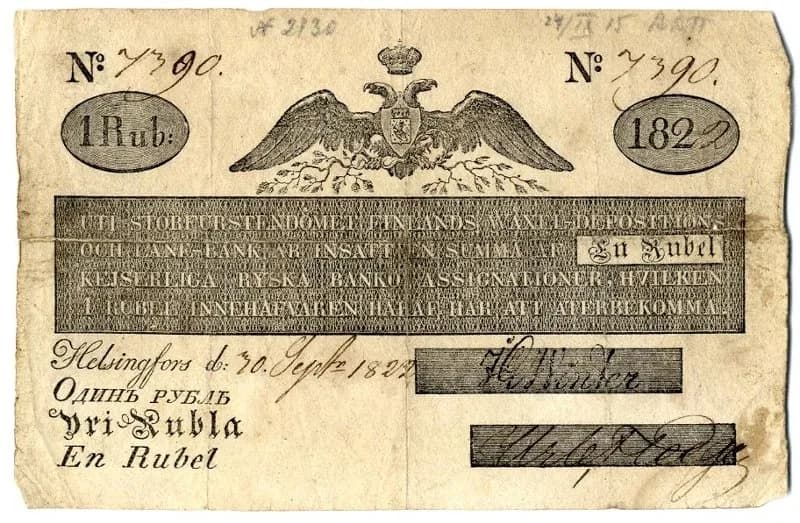
Бумажный денежный знак. Ассигнация 1 руб. ( новый тип) .Великое княжество Финляндское.
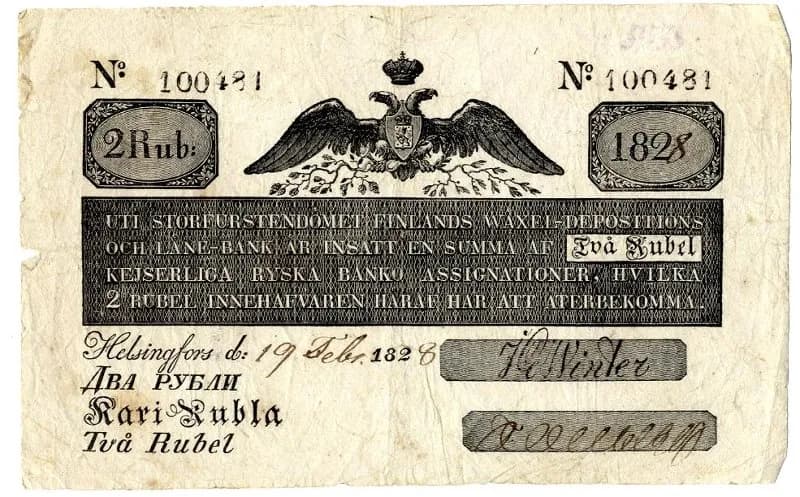
Бумажный денежный знак. Ассигнация 2 руб. (новый тип). Великое княжество Финляндское.
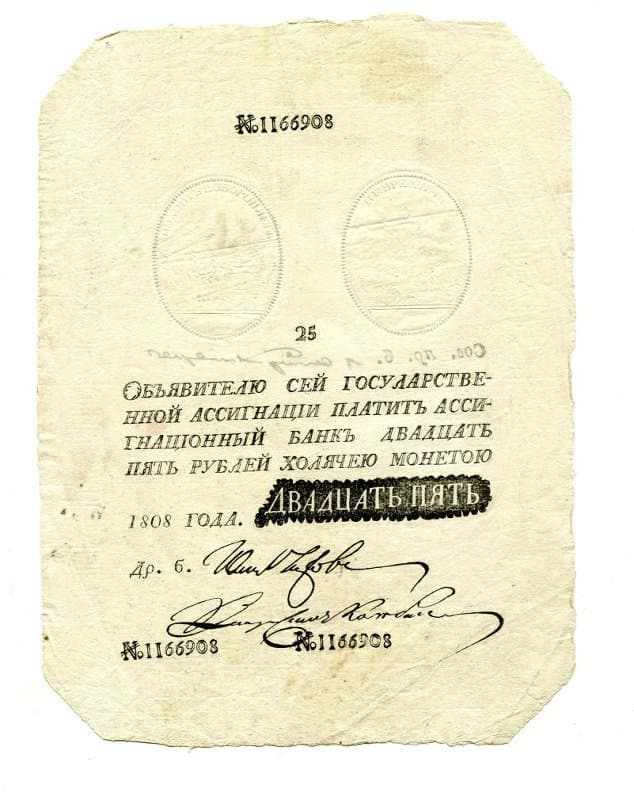
Российская Империя Ассигнация 25 рублей, 1808 (Период 1786-1819)
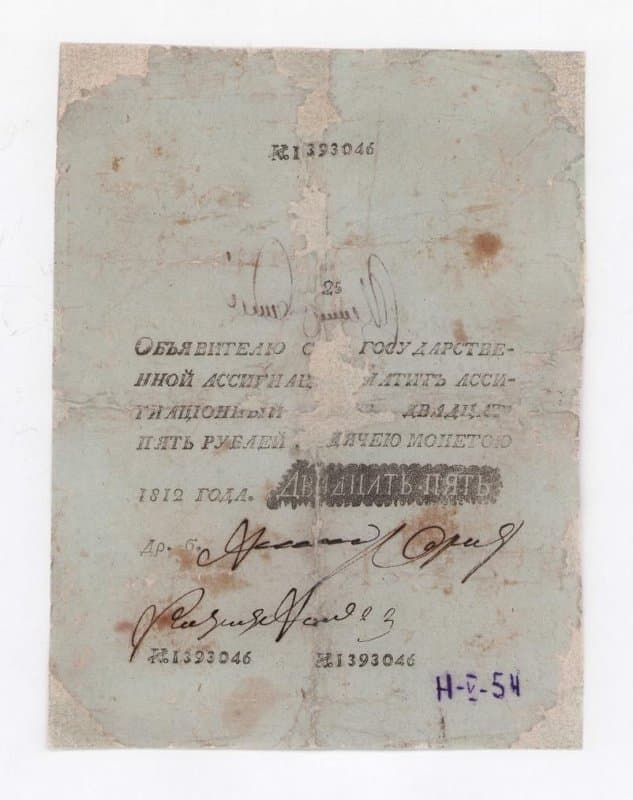
Российская Империя Ассигнация 25 рублей, 1812 (Период 1786-1819)
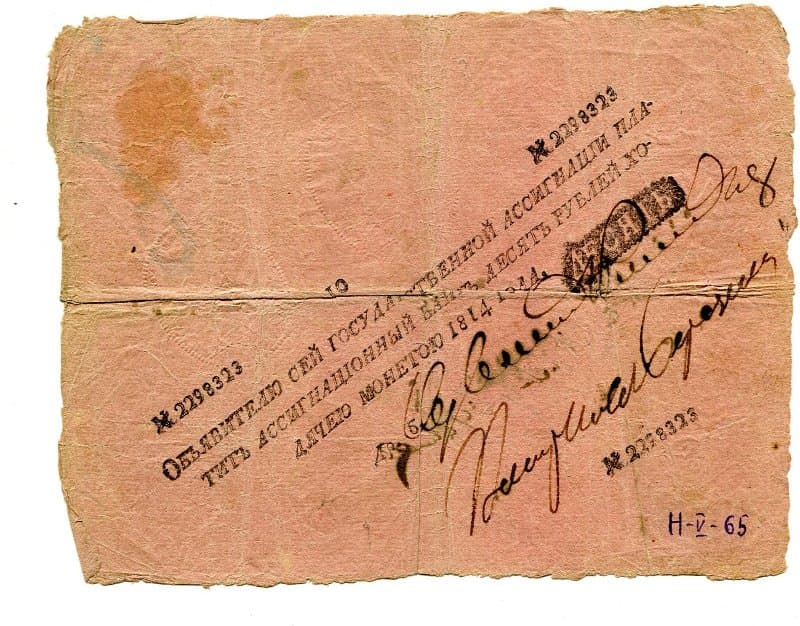
Российская Империя Ассигнация 10 рублей, 1814 (Период 1786-1819)
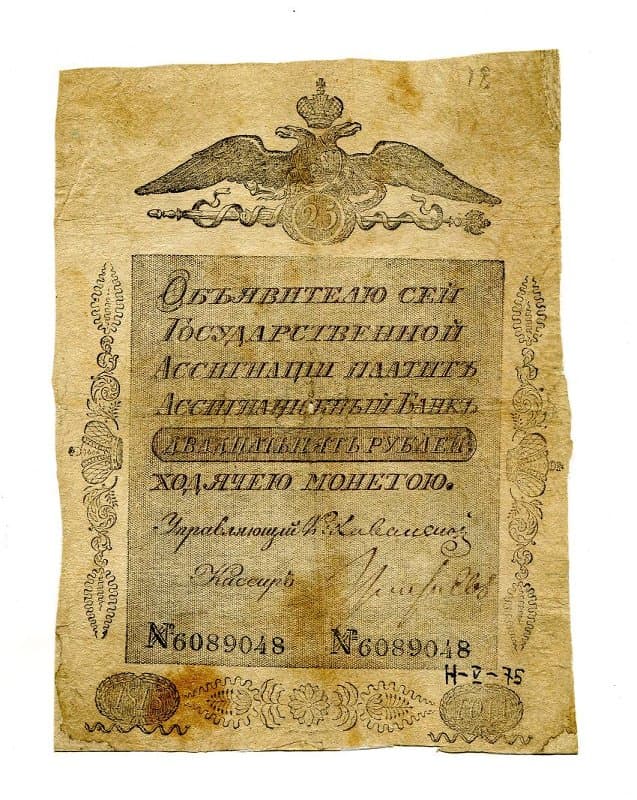
Российская Империя Ассигнация 25 рублей, 1800 (Период 1786-1819)
Similar Articles
Investing in Coins: Pros, Risks, Liquidity
Alexander Volkov
Numismatic Auctions: What a Beginner Should Look For
Alexander Volkov
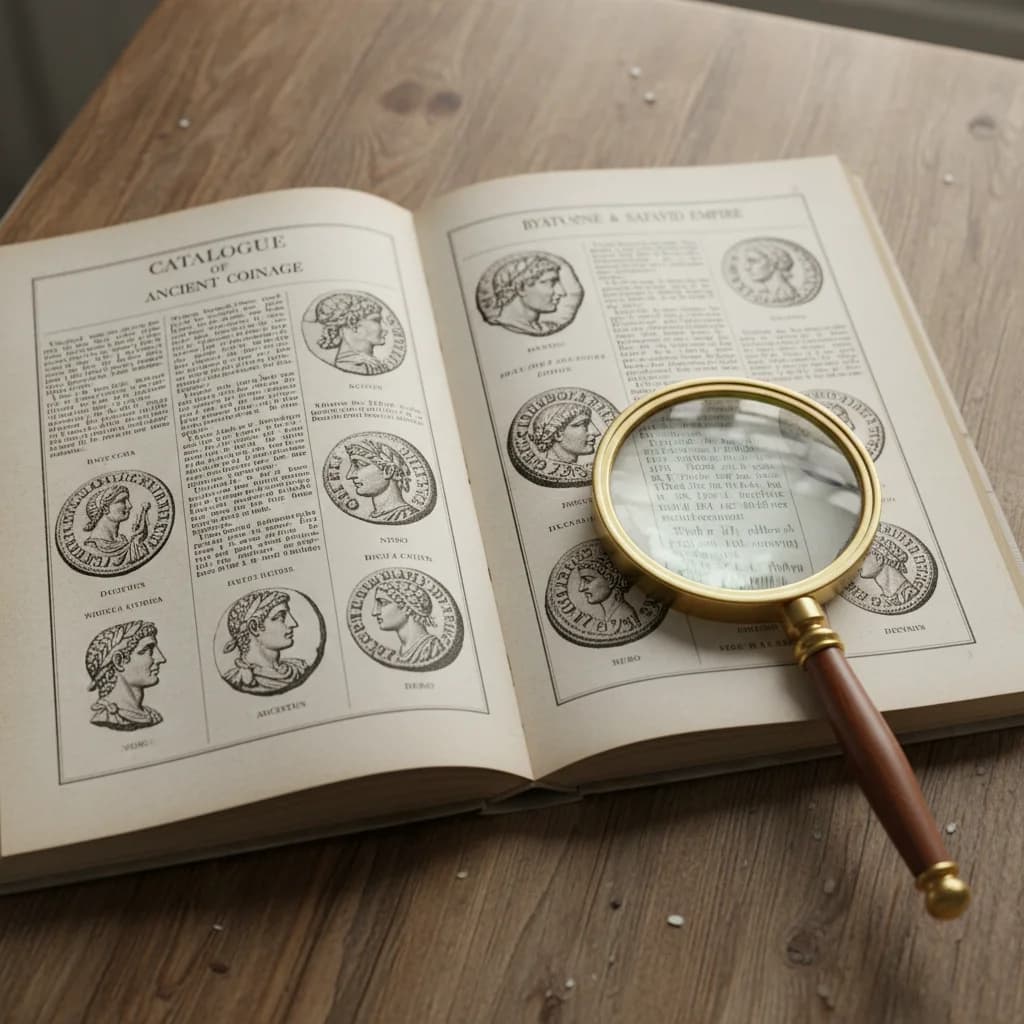
How to Use a Price Guide and Coin Catalogs
Alexander Volkov
Rare Coins of the Russian Empire: An Overview by Period
Alexander Volkov
Russian Coins of the 19th and Early 20th Centuries: What's in Demand
Alexander Volkov