
Russian Coins of the 19th and Early 20th Centuries: What's in Demand
The period from the beginning of the 19th century to 1917 is one of the most interesting and eventful in the history of Russian numismatics. This era covers the reigns of six emperors, from Paul I to Nicholas II, and is rich with events such as the Patriotic War of 1812, the abolition of serfdom, industrial revolutions, and world wars. Each coin from this era is not just currency, but a historical artifact reflecting the political, economic, and cultural changes in the country.
January 30, 2026
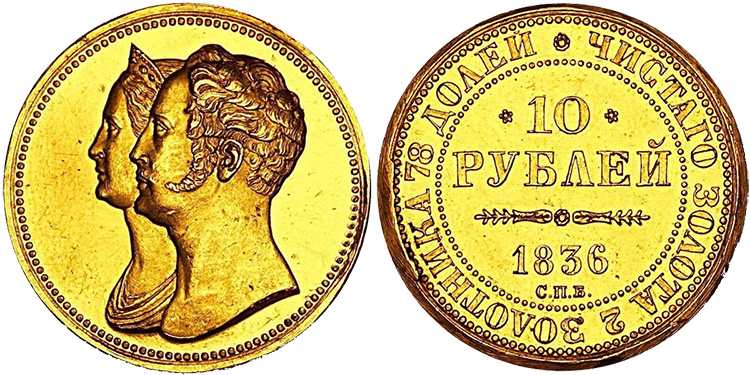
Introduction to the Numismatics of the Russian Empire
The period from the beginning of the 19th century to 1917 is one of the most interesting and eventful in the history of Russian numismatics. This era covers the reigns of six emperors, from Paul I to Nicholas II, and is rich with events such as the Patriotic War of 1812, the abolition of serfdom, industrial revolutions, and world wars. Each coin from this era is not just currency, but a historical artifact reflecting the political, economic, and cultural changes in the country.
Collectors are drawn to the vast variety of coins from this period: copper, silver, gold, and even platinum. There are mass-circulation coins accessible to novice numismatists, as well as extremely rare specimens that are the jewels of major collections and auctions. The demand for valuable coins of Tsarist Russia is consistently high, making them an attractive asset for long-term investment.
Key Factors Influencing a Coin's Value
| Condition | Description |
| UNC (Uncirculated) | Perfect condition, no signs of circulation, with original mint luster. |
| AU (About Uncirculated) | Almost perfect condition, minimal wear on the highest points of the relief. |
| XF (Extremely Fine) | Excellent condition, all fine details are visible, light wear on the surface. |
| VF (Very Fine) | Very good condition, noticeable wear, but the main outlines and inscriptions are clear. |
| F (Fine) | Good condition, significant wear, many fine details are smoothed out. |
To understand which coins are in demand, one must grasp the factors that shape their market price. The oldest or most beautiful specimen is not always the most expensive. A combination of several parameters plays a key role, the most important of which is preservation.
A coin's condition, or its state of preservation, is the degree of wear it has sustained in circulation. The fewer abrasions, scratches, and other defects a coin has, the higher its value. An international scale is used for grading, with the highest grade being UNC (Uncirculated), or 'without circulation.'
Besides preservation, other important factors also influence the price:
- Mintage and Rarity: The fewer coins minted, the more valuable they are.
- Metal: Coins made of precious metals (gold, platinum, silver) are inherently more expensive than their copper counterparts.
- Historical Significance: Commemorative and donative (presentation) coins issued to honor important events are always valued more highly.
- Existence of Varieties: Differences in dies, minting errors, or rare annual issues can multiply the value of even a common coin.
In-Demand Coins from the First Half of the 19th Century
The early 19th century was marked by the reigns of Alexander I and Nicholas I. Coins from this period are highly valued for their historical connection to the Napoleonic Wars era and the subsequent strengthening of the empire. Among the coins of Alexander I, the commemorative 1834 ruble 'Alexander Column' and, of course, coins related to the victory in the War of 1812 are in special demand.
The reign of Nicholas I gave numismatists one of the most unusual chapters in history—the minting of platinum coins. From 1828 to 1845, coins with denominations of 3, 6, and 12 rubles were issued, made from Ural platinum. Today, these are some of the rarest and most expensive coins of the Russian Empire, and demand for them remains strong.
Another legend from this period is the so-called 'Family Ruble and a Half' of 1835-1836. This coin features a portrait of Nicholas I on the obverse, and on the reverse, portraits of his wife and seven children. Due to its extremely low mintage (around 150 pieces), this coin is the dream of many collectors, and its price at auctions reaches astronomical figures.
Coins of the Reform Era: Alexander II and Alexander III
The second half of the 19th century was the time of the reign of Alexander II, who went down in history as the Tsar-Liberator, and his son, Alexander III. This period is characterized by a stable monetary system and high-quality minting. Coins from this era are a popular subject for collection.
In the numismatics of Alexander II's period, the gold coins of 3 and 5 rubles, as well as full-weight silver rubles, are of particular interest. Commemorative rubles hold special value, such as the 1859 ruble 'Unveiling of the Monument to Emperor Nicholas I'.
The coins of Alexander III are easily recognizable by the characteristic portrait of the emperor, which his contemporaries called 'monumental.' During his reign, large denomination gold coins were issued—5 and 10 rubles (imperials)—which are in demand not only as collectibles but also as investment assets due to their high precious metal content.
The Legacy of Nicholas II: From Mass-Circulation to Unique Specimens
| Coin Type | Example | Factors for High Value |
| Mass-Circulation | 1 Ruble 1898 | Only in perfect condition (UNC), rare die varieties. |
| Commemorative | 1 Ruble 1896 'Coronation' | Historical event, limited mintage, high demand. |
| Gold (non-standard) | 7 Rubles 50 Kopeks 1897 | Unusual denomination, short minting period (only one year). |
| Donative/Presentation | 100 Francs - 37.5 Rubles 1902 | Extremely low mintage, unique design, historical context as a gift. |
The reign of the last Russian emperor, Nicholas II, is perhaps the most popular area in Russian numismatics. The coins of this era are divided into two large groups: mass-circulation issues and rare, commemorative, and donative pieces.
The first group includes the multi-million mintages of silver rubles, poltinniks (50-kopek coins), as well as the 5 and 10 ruble gold coins minted after Witte's monetary reform. The value of such coins depends directly on their preservation: a specimen in perfect condition (UNC) can be worth tens or even hundreds of times more than its counterpart with signs of circulation.
Of particular interest are rare coins issued in limited mintages. These include commemorative rubles, such as the 'Coronation Ruble' of 1896 or the ruble celebrating the 300th anniversary of the House of Romanov in 1913. The pinnacle of numismatic art is considered to be the gold coins of non-standard denominations and donative issues, which were not intended for general circulation.
Modern Market Trends and Investment Potential
The market for numismatics of the Russian Empire is showing steady growth today. The main trend is an increasing demand for specimens in exceptionally high states of preservation. Collectors are willing to pay significant sums for coins without the slightest defects, a fact confirmed by the results of leading world and Russian auctions.
Professional appraisal and certification (grading) are playing an increasingly important role. Coins placed in special plastic capsules (slabs) by reputable grading companies, such as NGC or PCGS, have higher liquidity and inspire more confidence in buyers. This makes the market more transparent and civilized.
Investing in rare coins of Tsarist Russia is considered a reliable long-term investment. Unlike the stock market, the numismatic market is less susceptible to short-term fluctuations. With a sound approach, choosing rare specimens in high quality and focusing on a long-term perspective, a collection of imperial coins can become not only a fascinating hobby but also a serious family asset.
Comments (0)
No comments yet. Be the first to share your thoughts!
Related Lots
Ассигнация. Александр I (1801-1825). 100 рублей.
Ассигнация. Николай I (1825-1855). 10 рублей.
Ассигнация. Александр I (1801-1825). 5 рублей.
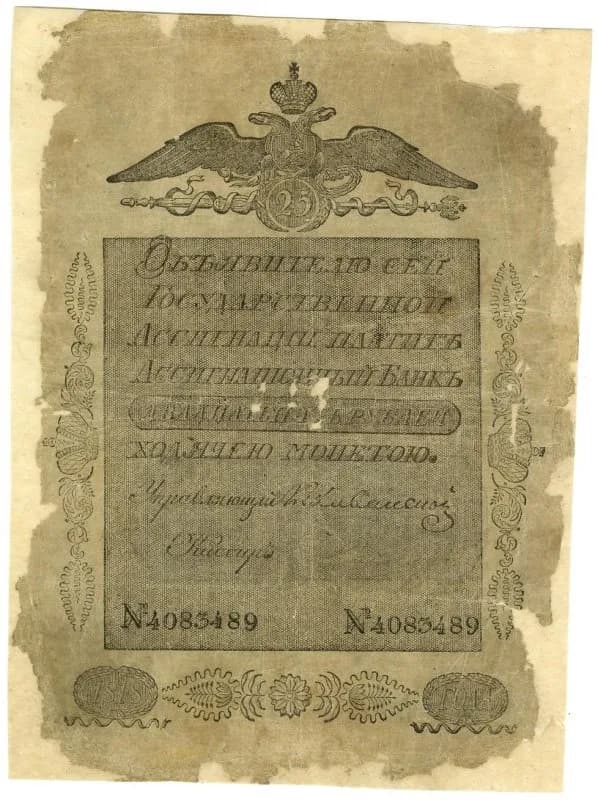
Ассигнация. Александр I (1801-1825). 25 рублей.
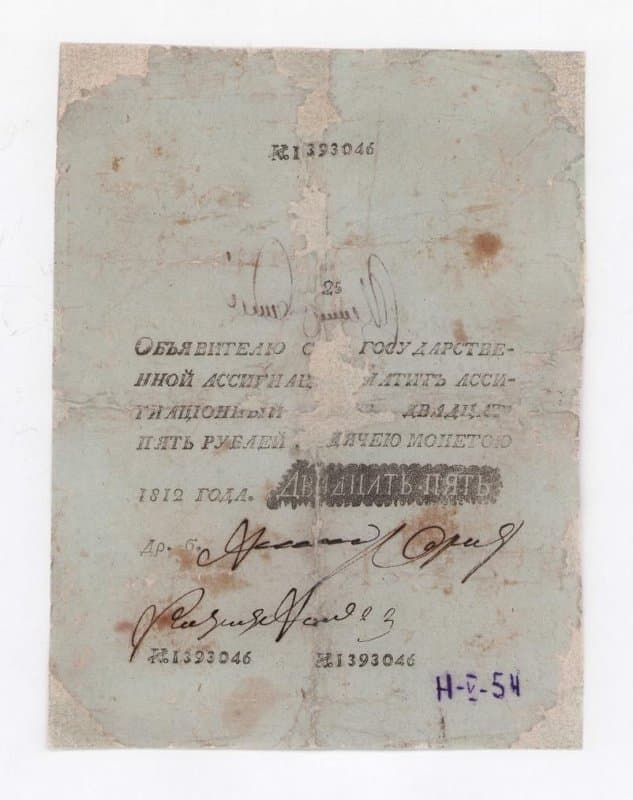
Российская Империя Ассигнация 25 рублей, 1812 (Период 1786-1819)
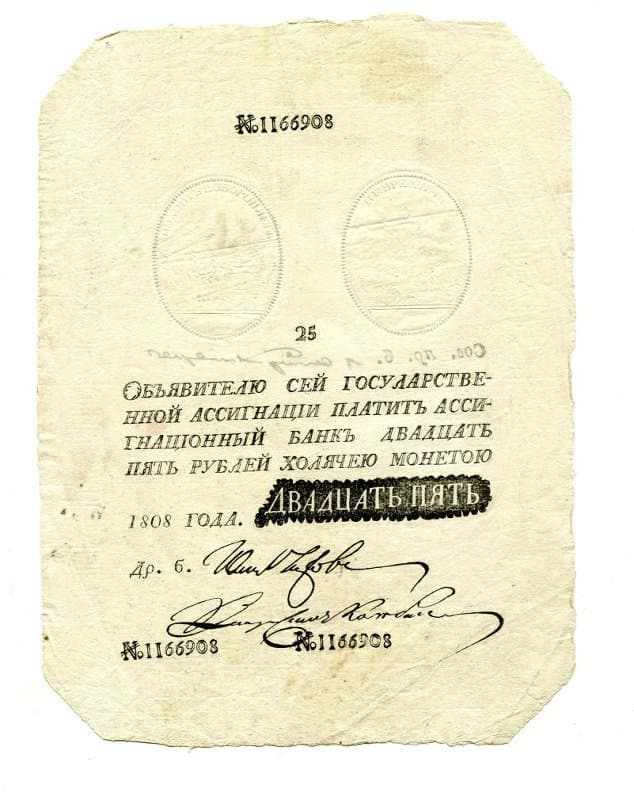
Российская Империя Ассигнация 25 рублей, 1808 (Период 1786-1819)
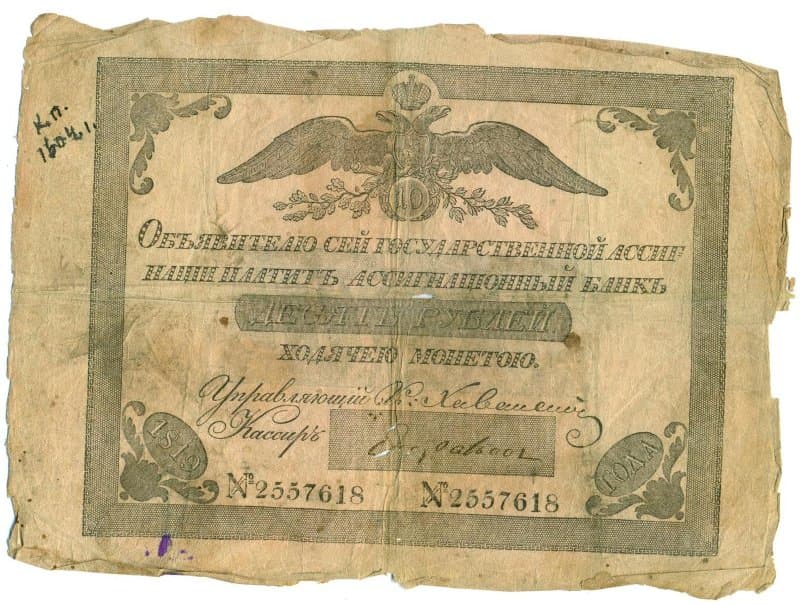
Российская Империя Ассигнация 10 рублей, 1819 (Серия 1786-1819)
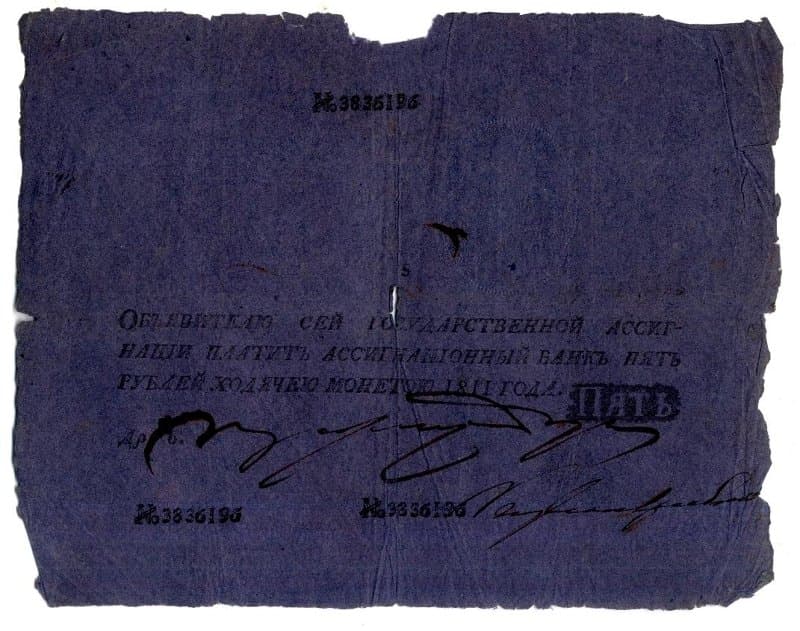
Российская Империя Ассигнация 5 рублей, 1811 (Период 1786-1819)
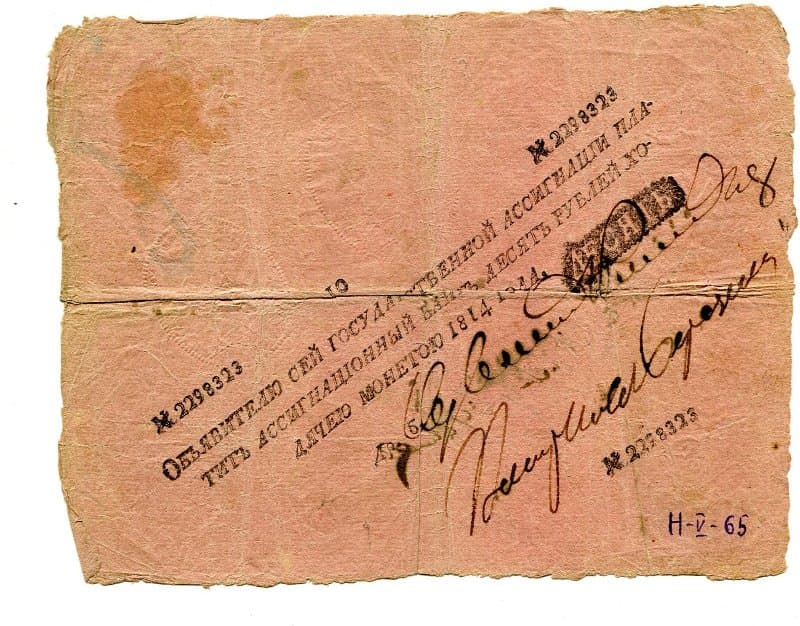
Российская Империя Ассигнация 10 рублей, 1814 (Период 1786-1819)
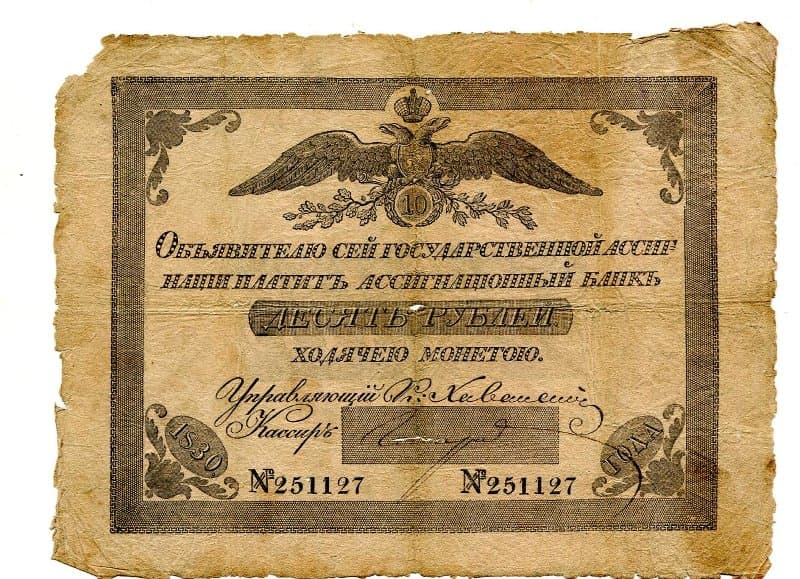
Российская Империя Ассигнация 10 рублей, 1830 (Период 1819-1843)
Similar Articles
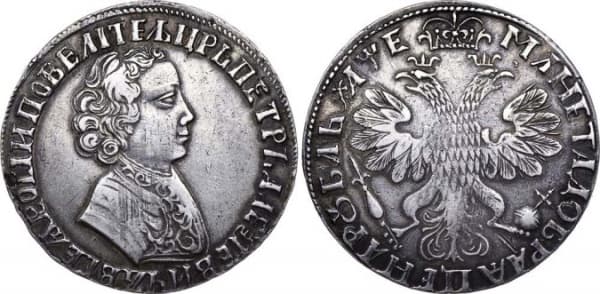
Rare Coins of the Russian Empire: An Overview by Period
Alexander Volkov
Coins and Banknotes of the Russian Civil War: A Collectible Niche
Alexander Volkov
The Gangut Ruble: The Last Commemorative Coin of the Russian Empire
Alexander Volkov
How to Start Collecting Coins: A Complete Guide for Beginners
Alexander Volkov
Investing in Coins: Pros, Risks, Liquidity
Alexander Volkov