
Coins and Banknotes of the Russian Civil War: A Collectible Niche
The Russian Civil War (1917–1922) was a period of not only political, but also economic collapse. The disintegration of the unified financial system led to an unprecedented phenomenon – monetary emission carried out by dozens of different authorities. Central governments, regional entities, White armies, city administrations, and even private enterprises began issuing their own money.
January 30, 2026
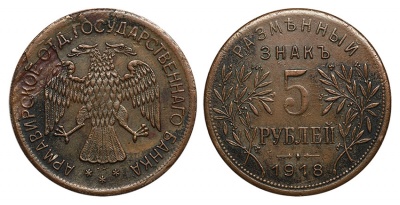
Monetary Diversity of an Era of Change
The Russian Civil War (1917–1922) was a period of not only political, but also economic collapse. The disintegration of the unified financial system led to an unprecedented phenomenon – monetary emission carried out by dozens of different authorities. Central governments, regional entities, White armies, city administrations, and even private enterprises began issuing their own money.
As a result, tsarist credit notes, Provisional Government money ("kerenki"), the first Soviet banknotes ("sovznaki"), and a huge number of local issues were simultaneously in circulation in the territory of the former Russian Empire. This monetary diversity has turned the numismatics of the Civil War into one of the most complex, but also fascinating areas for collecting, where each exhibit has its own unique history.
Coins: From Imperial Legacy to the First Soviet Signs
Unlike paper money, mass minting of coins during the Civil War was difficult. State mints either did not function or their control was unstable. The basis of metallic currency was made up of coins of Tsarist Russia, which remained in circulation until the 1920s.
Nevertheless, this period left several interesting specimens for numismatists. Attempts to establish their own minting were undertaken by various forces, which led to the appearance of unique and rare issues.
Banknotes and Monetary Surrogates: Witnesses to Fragmentation
The main means of payment during the Civil War were paper money, or banknotes (bons). They were issued by almost everyone who had any power. Hyperinflation and a constant shortage of cash led to the fact that money was printed hastily, often on poor-quality paper and without adequate protection against counterfeiting.
Collecting banknotes from this period is a real study of the geography and politics of the time. Monetary signs were issued by a wide variety of issuers, which allows them to be classified by origin.
Studying these monetary surrogates allows you to better understand the economic situation in specific regions and track the change of power. Many of these issues were short-lived and have reached us in limited quantities, which makes them a subject of particular interest.
Factors Determining Value: Rarity and Condition
The value of coins and banknotes of the Civil War can range from several hundred rubles to tens and even hundreds of thousands. The value of a collectible specimen is determined by a combination of several key factors that must be considered when buying or evaluating.
Understanding these criteria helps collectors navigate the market and form a truly valuable collection.
The Civil War Numismatics Market: Where to Look and How to Evaluate
The market for collectible banknotes of the Civil War period is quite active. The main platforms for buying and selling are specialized auctions, online forums and collector clubs. Beginners should start with more common and inexpensive specimens to gain experience.
The most important aspect in this market is authenticity. There are many fakes, especially of rare and expensive banknotes. Therefore, when making large purchases, it is recommended to contact reputable dealers or use the services of professional expertise.
To navigate the world of Civil War banknotes, there are specialized catalogs, such as the catalogs of N.I. Kardakov or P.F. Ryabchenko. They help not only identify the monetary sign, but also get an idea of its approximate rarity and value. Using catalogs is a mandatory skill for any serious collector.
Comments (0)
No comments yet. Be the first to share your thoughts!
Related Lots
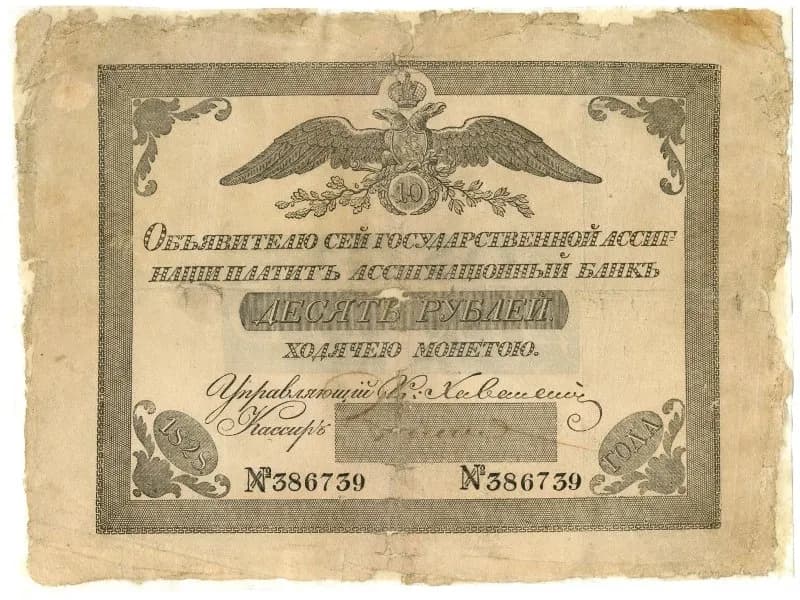
Ассигнация. Николай I (1825-1855). 10 рублей.
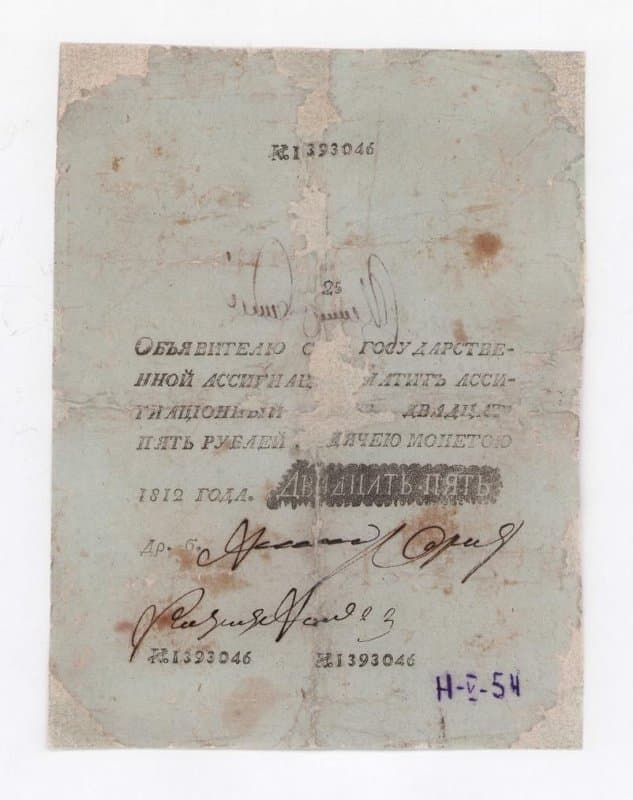
Российская Империя Ассигнация 25 рублей, 1812 (Период 1786-1819)
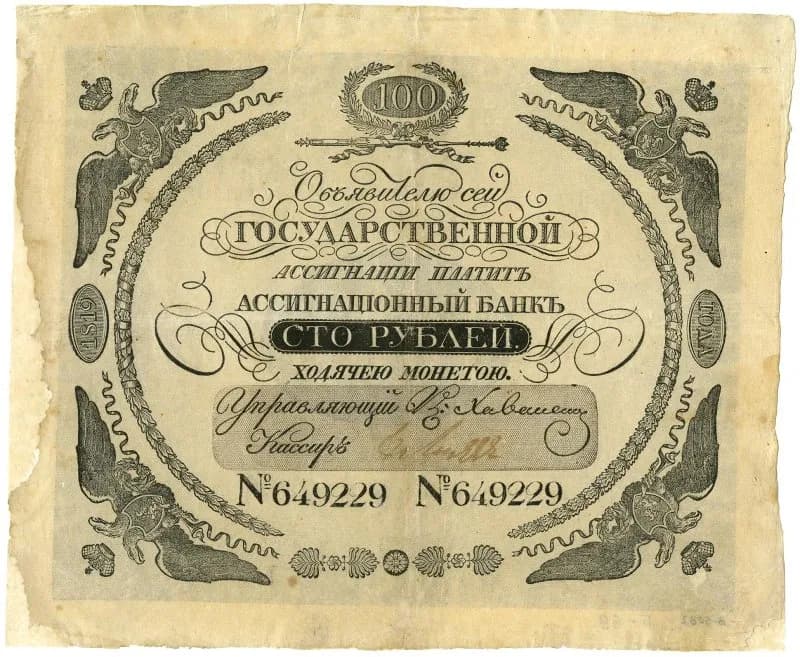
Ассигнация. Александр I (1801-1825). 100 рублей.
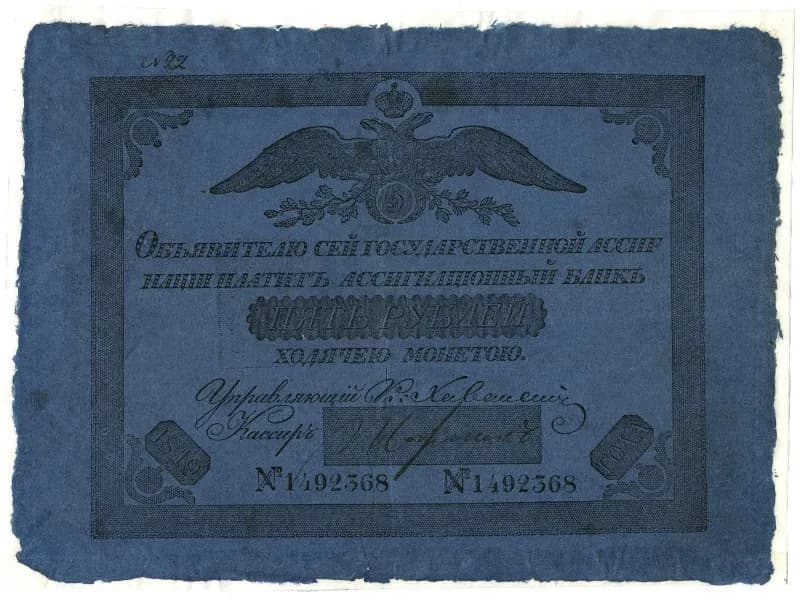
Ассигнация. Александр I (1801-1825). 5 рублей.
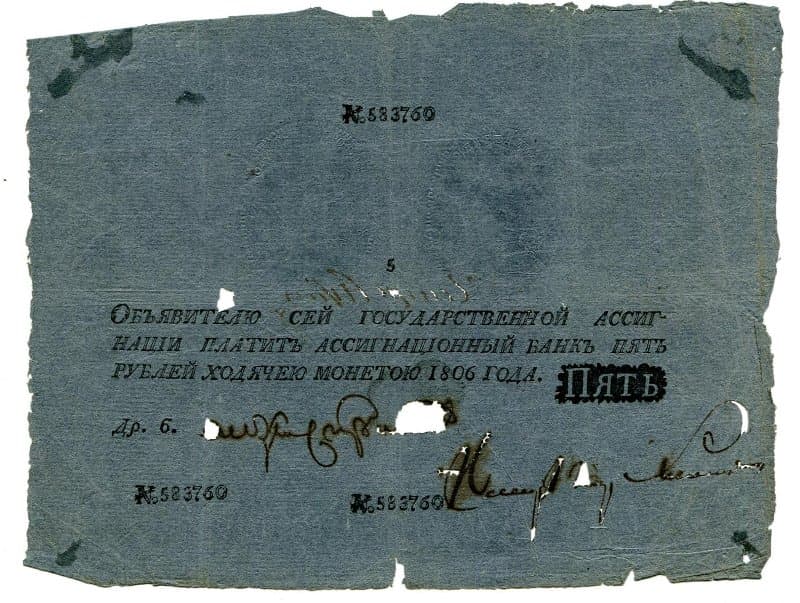
Государственная ассигнация. 5 рублей. № 583760
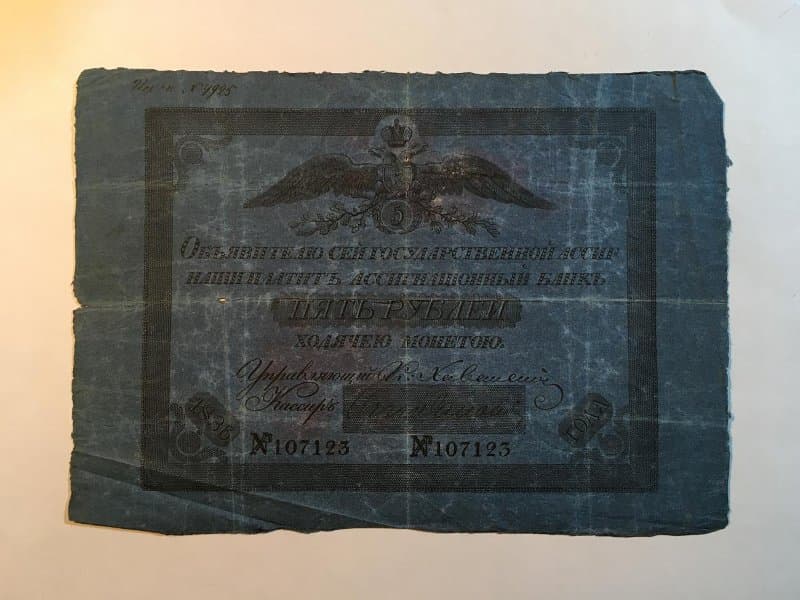
Государственная ассигнация 5 руб. (цвет синий).
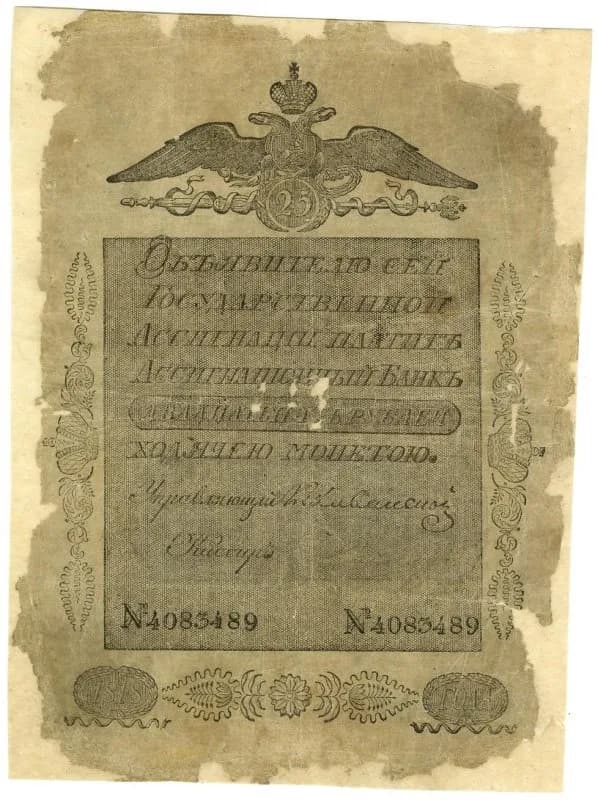
Ассигнация. Александр I (1801-1825). 25 рублей.
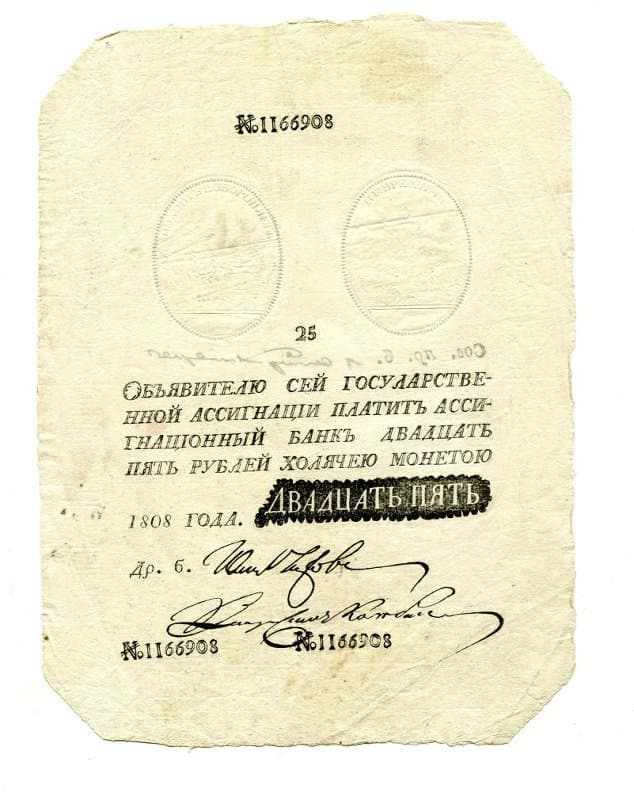
Российская Империя Ассигнация 25 рублей, 1808 (Период 1786-1819)
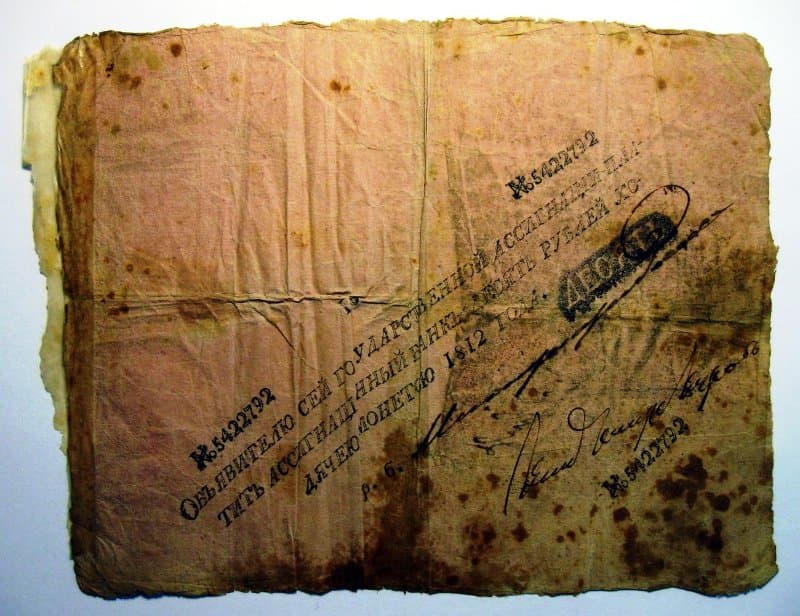
Российская Империя Ассигнация 25 рублей, 1812 (Обработана штампом «ДОБРАТЬ»)
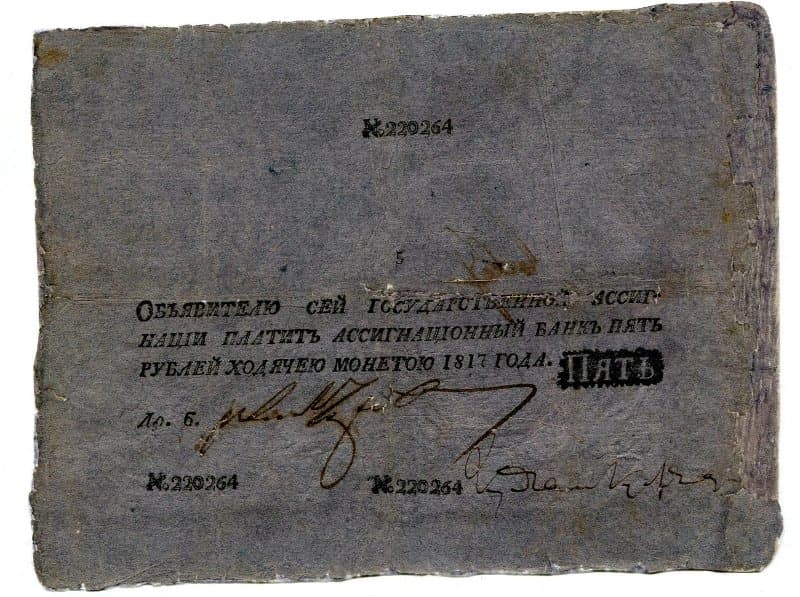
Российская Империя Ассигнация 5 рублей, 1817 (Период 1786-1819)
Similar Articles
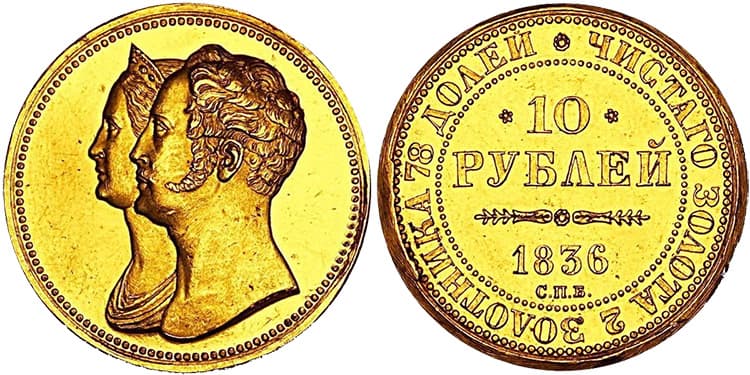
Russian Coins of the 19th and Early 20th Centuries: What's in Demand
Alexander Volkov
Rare Coins of the Russian Empire: An Overview by Period
Alexander Volkov
How to Start Collecting Coins: A Complete Guide for Beginners
Alexander Volkov
The Gangut Ruble: The Last Commemorative Coin of the Russian Empire
Alexander Volkov
Investing in Coins: Pros, Risks, Liquidity
Alexander Volkov