
How to Use a Price Guide and Coin Catalogs
For any collector, from novice to expert, a numismatic catalog is an essential working tool. It is not just a list of coins, but a systematized reference guide that helps solve several key tasks, without which a serious passion for numismatics is unimaginable.
January 30, 2026
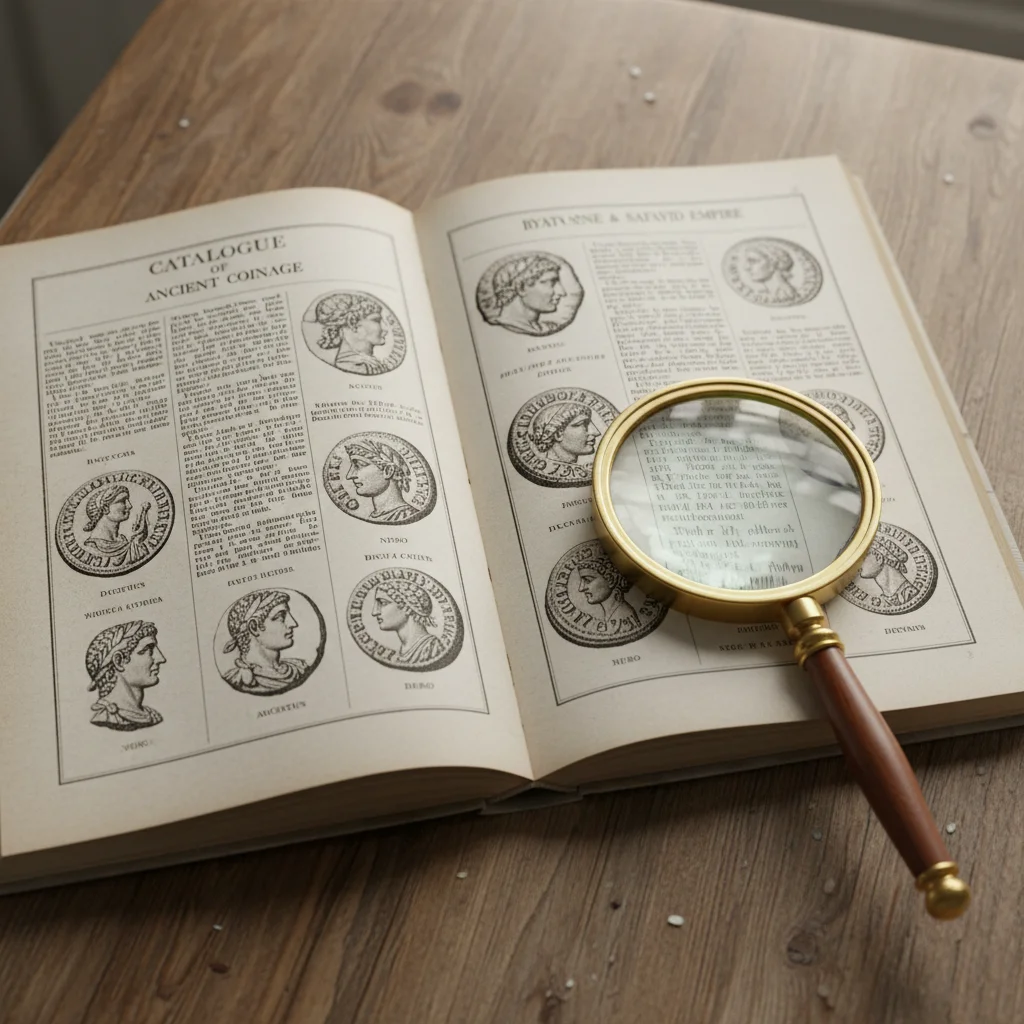
Why Does a Numismatist Need a Catalog?
For any collector, from novice to expert, a numismatic catalog is an essential working tool. It is not just a list of coins, but a systematized reference guide that helps solve several key tasks, without which a serious passion for numismatics is unimaginable.
The main function of a catalog is to identify a coin. With its help, you can accurately determine the country, reign period, denomination, year of issue, and mint. This is the foundation for any further work with a specimen. Additionally, catalogs provide important information about the technical specifications and historical features of coins.
- Identifying the coin (country, year, denomination).
- Obtaining information about mintage, metal, weight, and diameter.
- Identifying rare varieties and die variants.
- Systematizing your own collection according to accepted standards.
Catalog Structure: How to Find the Right Coin
| Entry Element | Description |
| Catalog Number | A unique identifier for the coin in this edition (e.g., KM#123). |
| Denomination and Year of Issue | The main parameters for searching. |
| Description and Image | A visual representation of the coin's obverse, reverse, and sometimes the edge. |
| Metal, Weight, Diameter | Technical specifications that help distinguish an authentic coin. |
| Mintage | The number of specimens issued, which directly affects rarity. |
| Mint | The place of mintage, often indicated by special marks or letters. |
To use a catalog effectively, it is important to understand its structure. Most catalogs are organized by geographical and chronological principles: first, a country is selected, then a historical period or ruler, and then the coins are listed in ascending order of denomination.
Each coin in the catalog has a unique entry or number that serves as a standard for collectors worldwide. The coin's entry contains all the key information needed for its full attribution. Understanding these fields allows you to find the necessary data quickly and accurately.
The Key to Price: Assessing a Coin's Condition
| Designation | Meaning | Brief Description |
| F (Fine) | Good | Significant traces of circulation, many fine details are worn down. |
| VF (Very Fine) | Very Good | Noticeable wear, but the main details of the design are clearly distinguishable. |
| XF (Extremely Fine) | Excellent | Light traces of circulation on the highest points of the design. |
| AU (About Uncirculated) | Almost Superb | Virtually no traces of wear, mint luster is present. |
| UNC (Uncirculated) | Superb | The coin has not been in circulation, perfect condition, full mint luster. |
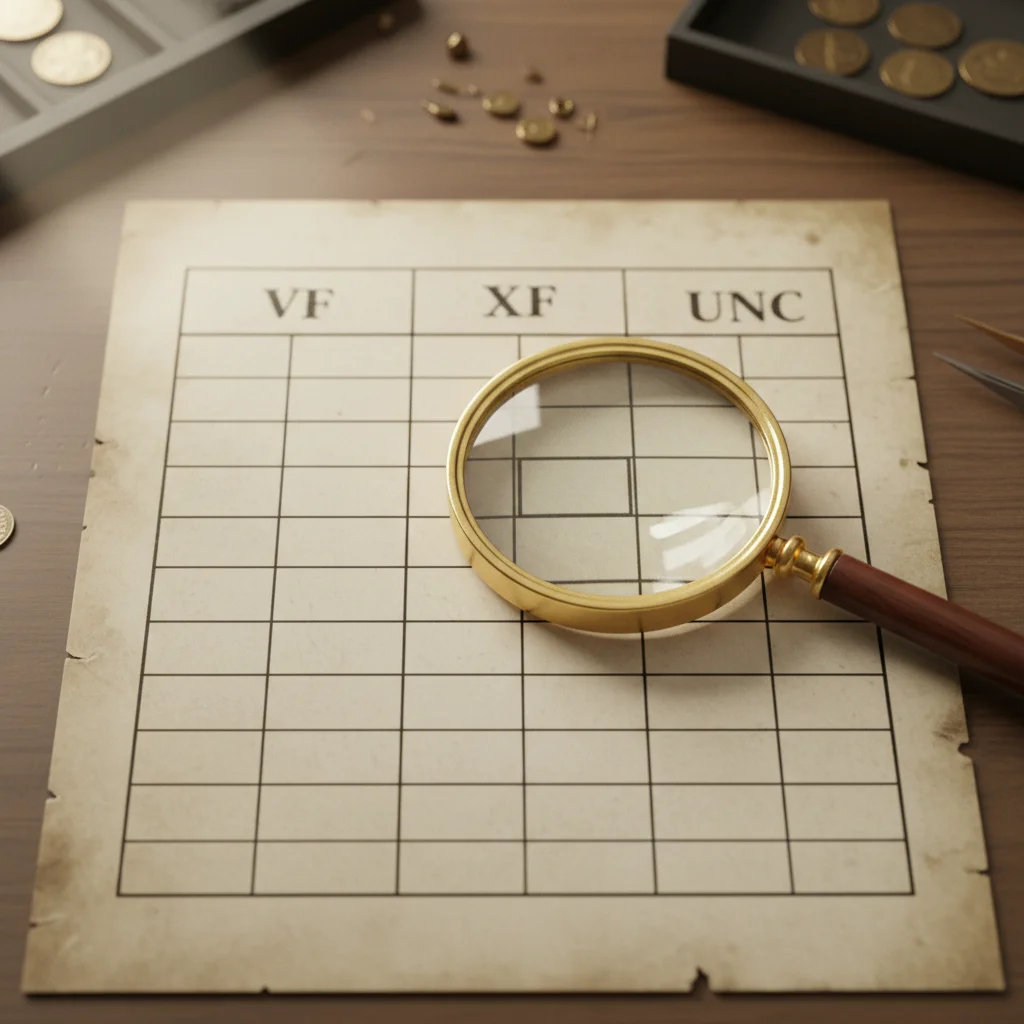
The value of a coin is directly dependent on its condition, or grade. Two identical coins can differ in price by tens of times solely due to different degrees of wear. Therefore, the ability to determine the condition is one of the most important skills for a numismatist who wants to know how to value a coin.
An international grading scale is used to standardize valuation. In catalogs and price guides, prices are usually listed for several main grades. It is important for a novice to learn to distinguish at least the basic grades to adequately assess both their own coins and offers on the market.
How to Read a Price Guide or Price List
A price guide (or price list) is a reference book that indicates the approximate market value of coins. It's important to understand that the prices in it are not gospel, but merely reflect the average price level at the time the guide was compiled. The actual transaction price can vary depending on supply and demand.
The structure of a price guide is usually simple. The coins are grouped in the same way as in a catalog. For each coin, there are several price columns, each corresponding to a specific grade. To determine a coin's value, you need to find the corresponding row and look at the price in the column that matches its condition.
- Find the desired coin by year and denomination.
- Determine its condition (e.g., XF).
- Look at the price in the column corresponding to XF.
This simple algorithm allows you to quickly get a basic idea of a specimen's value. A coin price guide is a starting point for negotiations when buying or selling.
A Step-by-Step Algorithm for Valuing a Coin Using a Catalog and Price Guide
By combining knowledge of catalogs, grading, and price guides, you can create a clear algorithm for determining the value of any coin. This process requires attentiveness and practice, but over time it becomes intuitive. Following this procedure will help avoid mistakes, especially in the early stages.
For beginners in numismatics, this step-by-step plan will serve as a reliable guide. It allows you to systematize the process and take into account all the key factors that affect the final value of a coin.
- Identification. Use the catalog to determine the coin's country, year, denomination, and mint.
- Search for varieties. Check the catalog to see if your coin has any rare features (minting errors, die variants).
- Condition assessment. Determine the coin's grade as objectively as possible by comparing it with reference images.
- Search in the price guide. Find the coin in the price list and look up its approximate value for your grade.
- Price adjustment. Consider the current market situation, demand for this type of coin, and the presence of additional factors (beautiful patina, completeness) to adjust the catalog price.
Comments (0)
No comments yet. Be the first to share your thoughts!
Related Lots
Ассигнация. Николай I (1825-1855). 10 рублей.
Бумажный денежный знак. Ассигнация 2 руб. (новый тип). Великое княжество Финляндское.
Ассигнация. Александр I (1801-1825). 25 рублей.
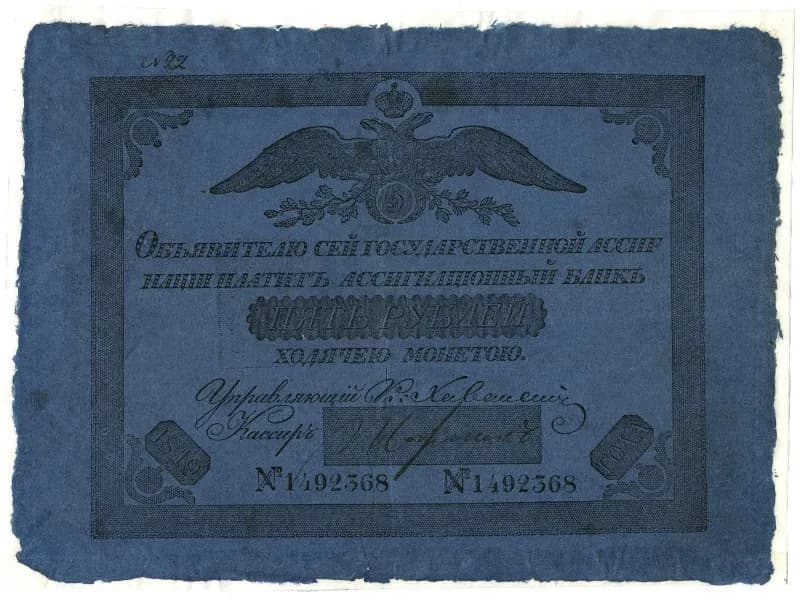
Ассигнация. Александр I (1801-1825). 5 рублей.
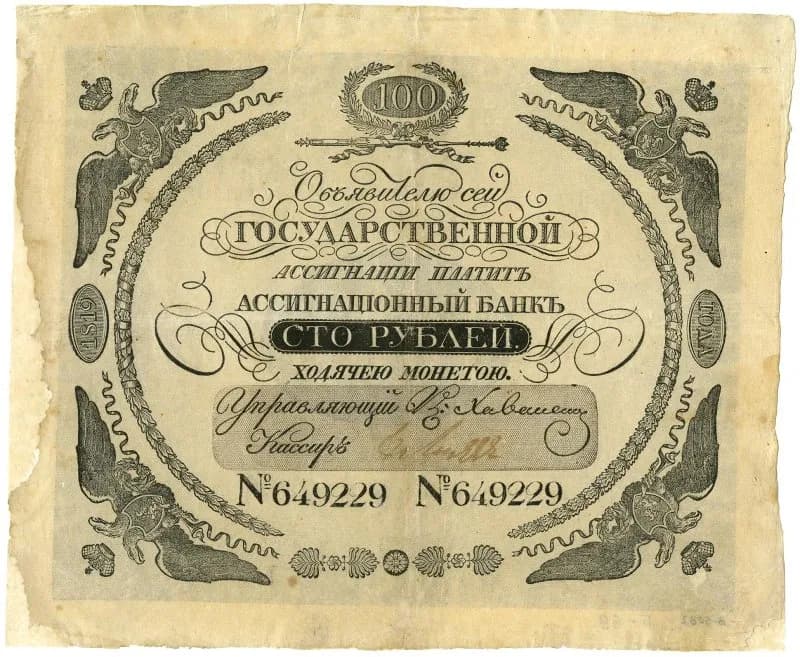
Ассигнация. Александр I (1801-1825). 100 рублей.
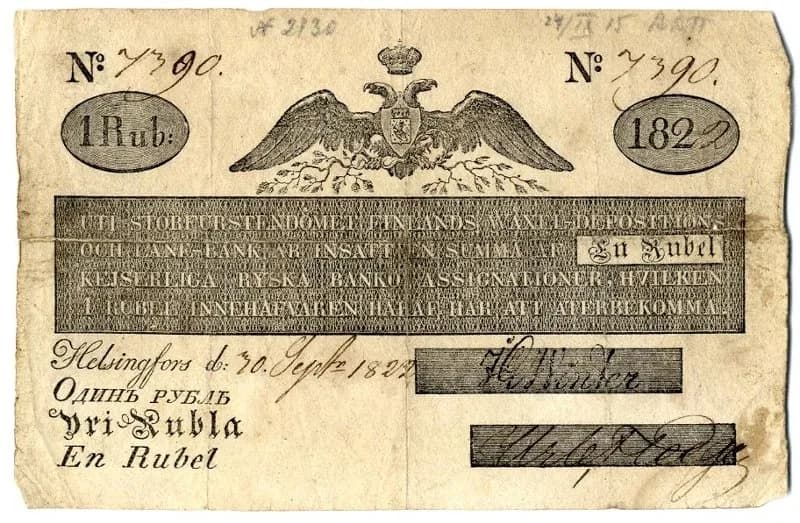
Бумажный денежный знак. Ассигнация 1 руб. ( новый тип) .Великое княжество Финляндское.
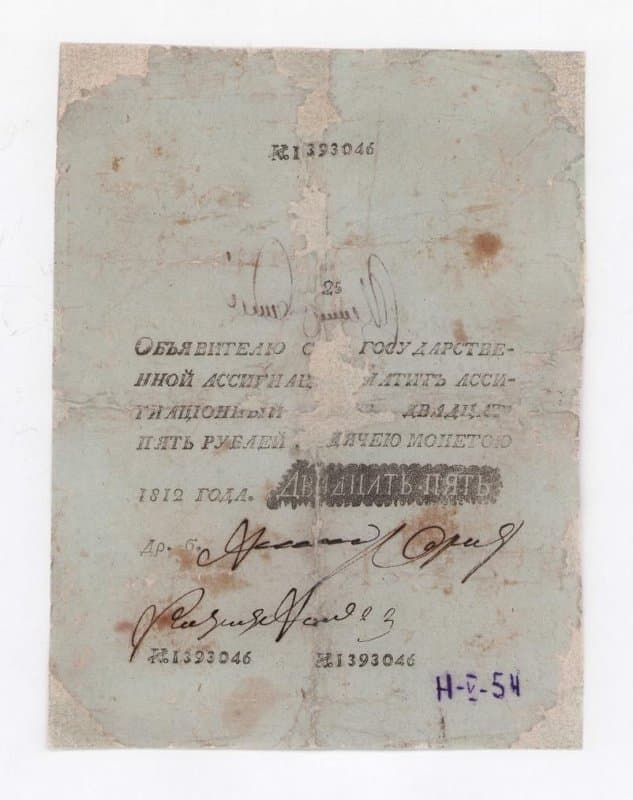
Российская Империя Ассигнация 25 рублей, 1812 (Период 1786-1819)
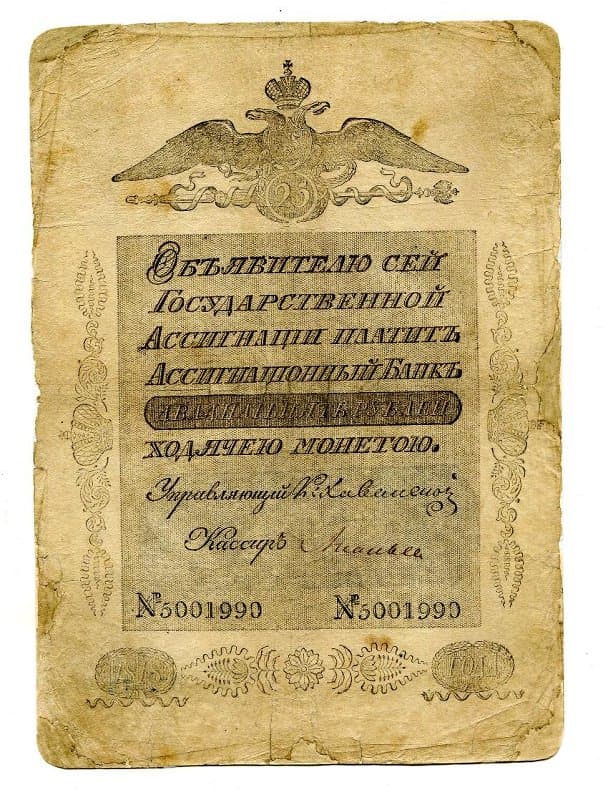
Российская Империя Ассигнация 25 рублей, 1802 (Подписи Ковелянского-Яковлева)
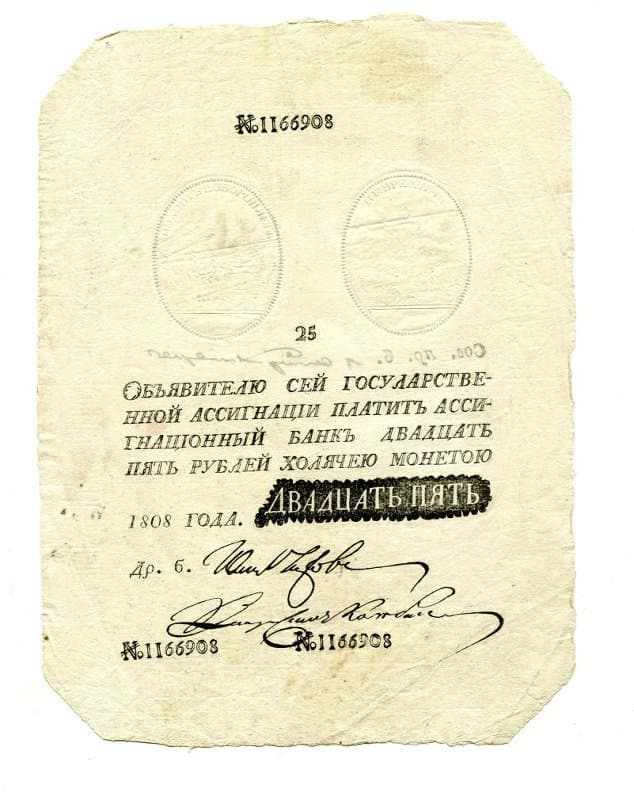
Российская Империя Ассигнация 25 рублей, 1808 (Период 1786-1819)
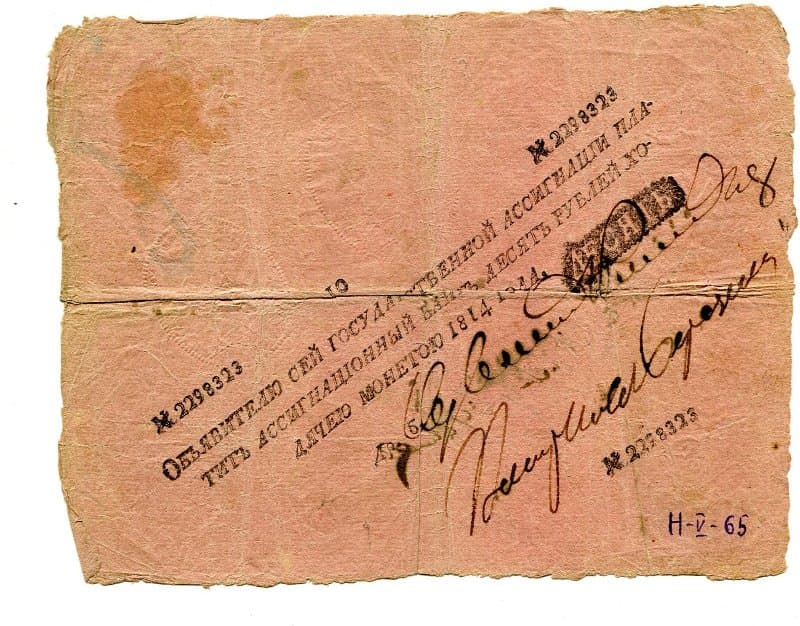
Российская Империя Ассигнация 10 рублей, 1814 (Период 1786-1819)
Similar Articles

How to Read an Auction Catalog
Alexander Volkov
Numismatic Auctions: What a Beginner Should Look For
Alexander Volkov
How to Start Collecting Coins: A Complete Guide for Beginners
Alexander Volkov
How to Assess a Coin's Condition: Grades and Grading
Alexander Volkov
Investing in Coins: Pros, Risks, Liquidity
Alexander Volkov