
How to Assess a Coin's Condition: Grades and Grading
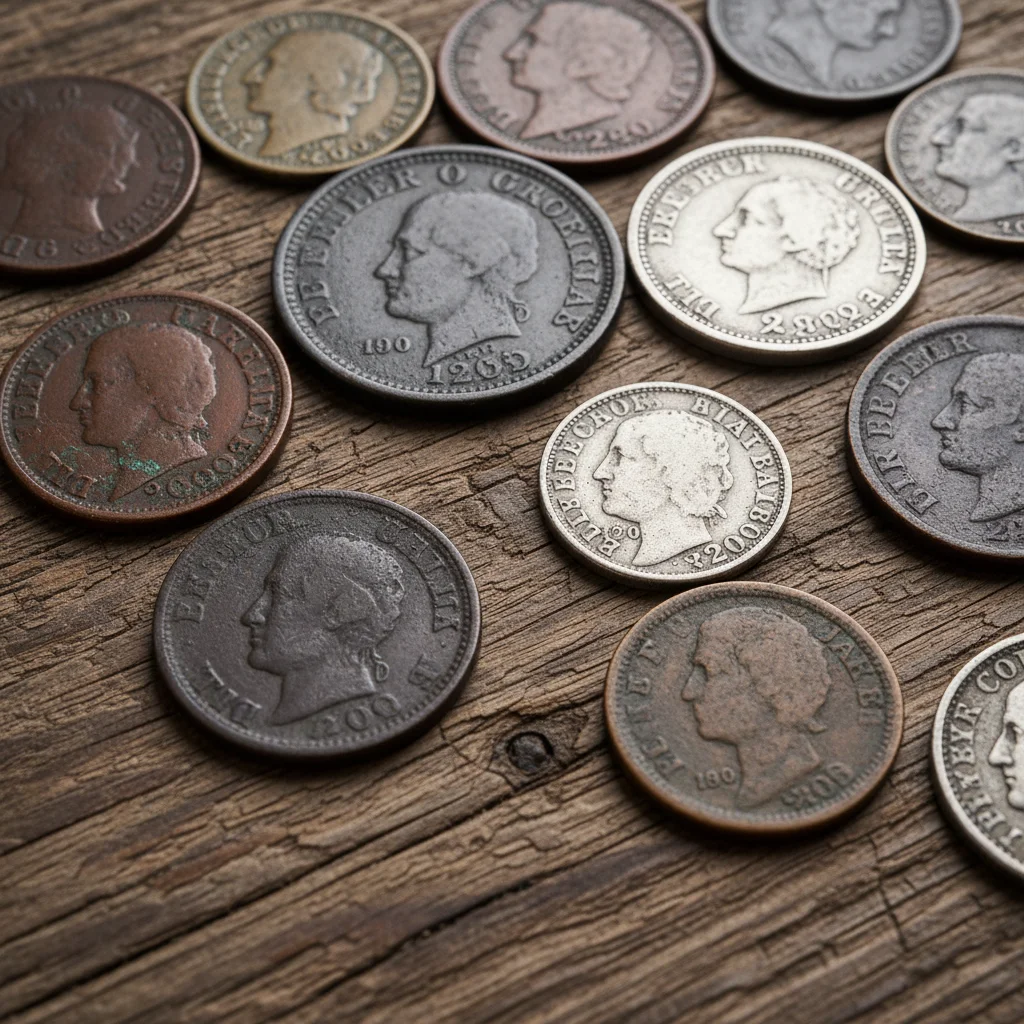
Condition or degree of preservation is one of the key factors that determine the value of any collectible coin. The difference in cost between two identical coins, but in different conditions, can be tens or even hundreds of times. For example, a coin in excellent condition (Uncirculated) will be significantly more expensive than its counterpart that has been in circulation and has signs of wear.
January 30, 2026
Why is a Coin's Condition So Important?
Condition or degree of preservation is one of the key factors that determine the value of any collectible coin. The difference in cost between two identical coins, but in different conditions, can be tens or even hundreds of times. For example, a coin in excellent condition (Uncirculated) will be significantly more expensive than its counterpart that has been in circulation and has signs of wear.
This is why special rating systems have been developed in numismatics to standardize the description of a coin's condition. These systems help collectors and investors speak a common language, avoiding subjective assessments like 'almost new' or 'slightly worn.' Precise grading allows for an adequate valuation of coins for sale, purchase, or collection insurance.
Traditional Grading Systems: From G to UNC
| Grade | Full Name | Brief Description |
| G (Good) | Good | Heavy wear, only the main outlines of the design are visible. |
| VG (Very Good) | Very Good | Significant wear, but the main design elements are distinguishable. |
| F (Fine) | Fine | Moderate, even wear; major details are clearly visible. |
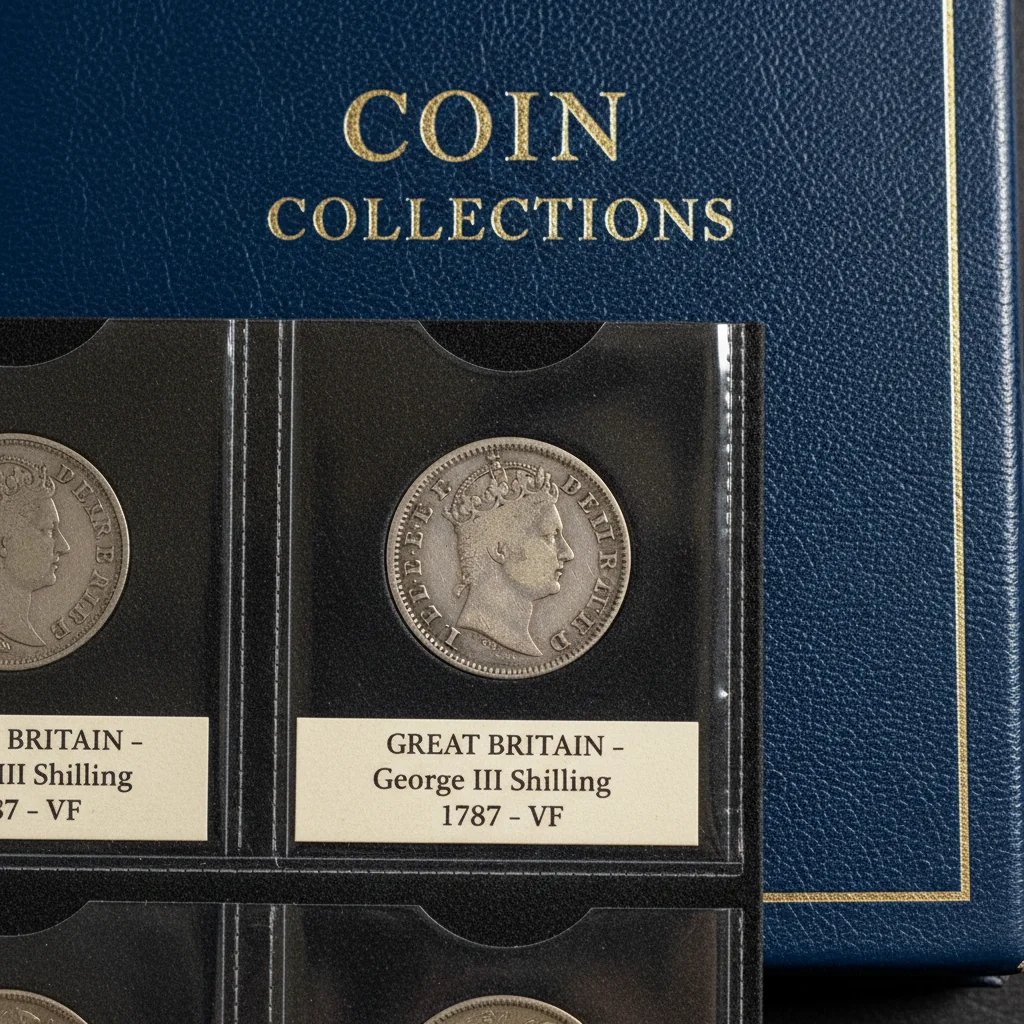
| VF (Very Fine) | Very Fine | Minor wear on the high points of the relief; most fine details are preserved. |
| XF (Extremely Fine) | Extremely Fine | Lightest traces of wear on the highest points; almost all mint luster remains. |
| AU (About Uncirculated) | About Uncirculated | Barely noticeable traces of circulation; more than 95% of mint luster remains. |
| UNC (Uncirculated) | Uncirculated | The coin has no traces of circulation or wear; full mint luster. |
Historically, a descriptive grading system emerged, which is still widely used by many collectors, especially in Russia and the CIS countries. It is based on letter designations, each corresponding to a specific degree of wear on the coin. This system is intuitive but not always precise enough for rare and expensive specimens.
The main grades in this system allow for a quick understanding of the coin's overall condition, from heavily worn to an uncirculated specimen. For a more precise understanding, a commonly accepted scale is used.
The International Standard: The 70-Point Sheldon Scale
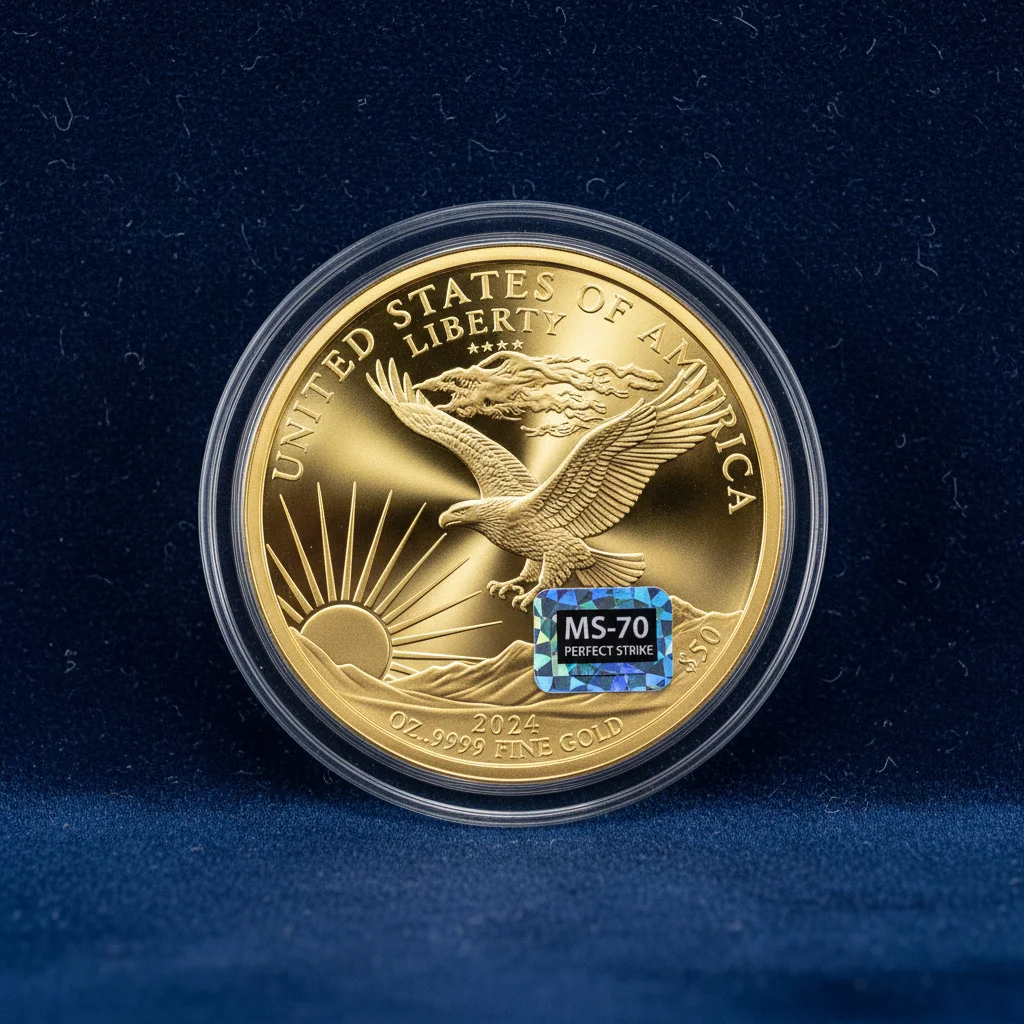
For a more precise and objective assessment, a numerical system known as the Sheldon scale was developed in the mid-20th century. Today, it is the international standard and is used by the world's leading grading companies. The scale offers 70 grades, where 1 (PO-1) corresponds to a barely identifiable coin, and 70 (MS-70) represents a perfect coin without the slightest flaws.
The main advantage of this system is its level of detail, especially for higher grades of preservation. While in the traditional system all coins without traces of circulation fall into the UNC category, the Sheldon scale divides them into eleven grades—from MS-60 (Mint State) to MS-70. This allows for the precise evaluation of specimens with minimal differences that can drastically affect their value.
Professional Grading and Slabbing
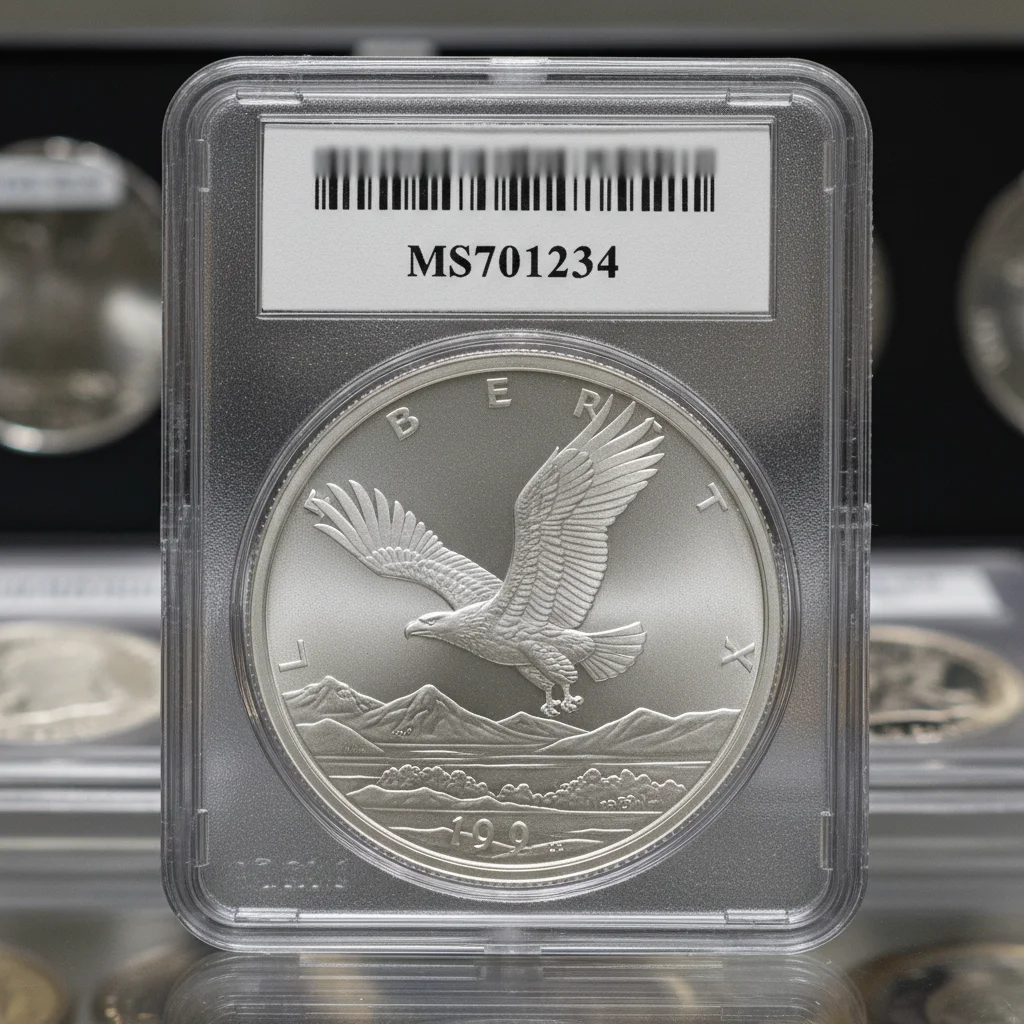
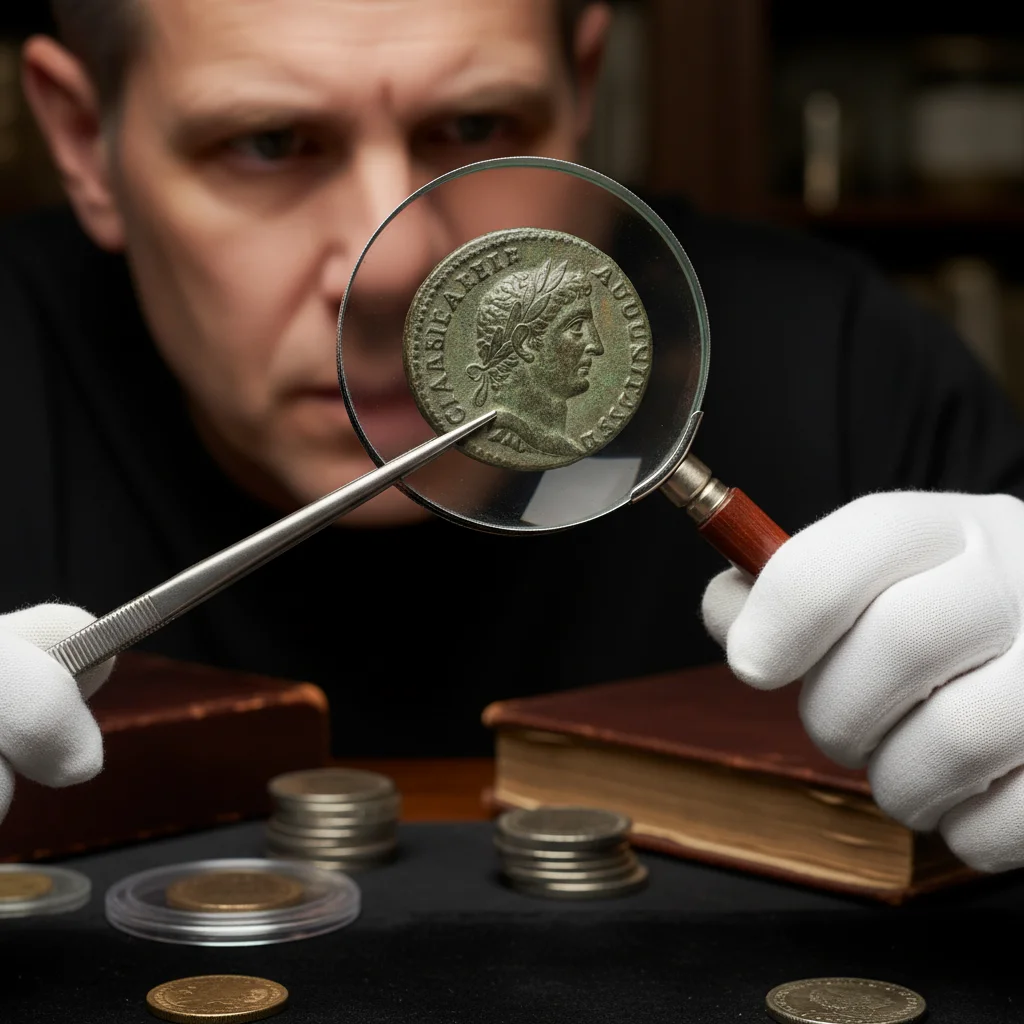
To obtain an official and globally recognized assessment, collectors turn to specialized grading companies such as PCGS (Professional Coin Grading Service) or NGC (Numismatic Guaranty Corporation). The evaluation process at these companies is called grading.
Company experts meticulously examine the coin, assign it a grade on the 70-point Sheldon scale, and verify its authenticity. Afterward, the coin is placed in a special sealed plastic container—a slab. The slab displays all key information: denomination, year of issue, country, assigned grade, and a unique identification number. Slabbing not only protects the coin from damage but also serves as a guarantee of its authenticity and quality, which significantly simplifies its sale and increases buyer confidence.
Key Criteria for Assessing a Coin's Condition
When assigning a grade to a coin, experts consider a combination of several factors. Understanding these criteria helps a collector to conduct a preliminary assessment of their own coins and better understand the professionals' conclusions. It is important to evaluate not only the presence of wear but also the overall quality of the specimen.
The main parameters influencing the final grade include:
- Mint Luster: The original metallic sheen a coin has immediately after being struck. Its loss indicates circulation or improper cleaning.
- Strike Quality: The clarity and completeness of all the details in the relief. A weak strike can be a minting defect and lowers the grade.
- Surface Marks: The presence and number of scratches, dings, dents, and other defects resulting from contact with other coins.
- Eye Appeal: The overall aesthetic impression. This subjective factor includes the beauty and evenness of the patina, the cleanliness of the coin's fields, and the harmony of its overall appearance.
Comments (0)
No comments yet. Be the first to share your thoughts!
Related Lots
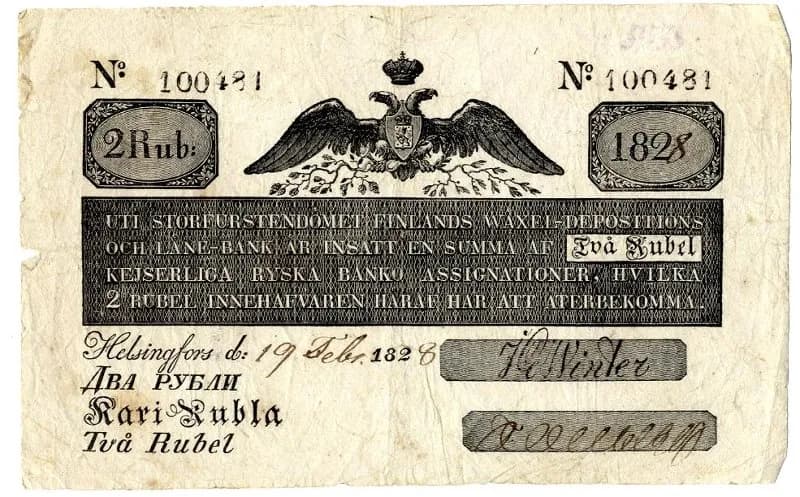
Бумажный денежный знак. Ассигнация 2 руб. (новый тип). Великое княжество Финляндское.
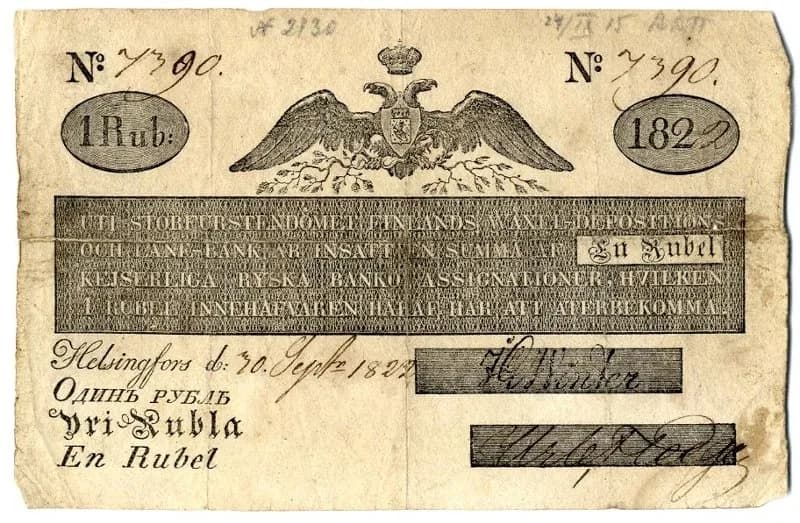
Бумажный денежный знак. Ассигнация 1 руб. ( новый тип) .Великое княжество Финляндское.
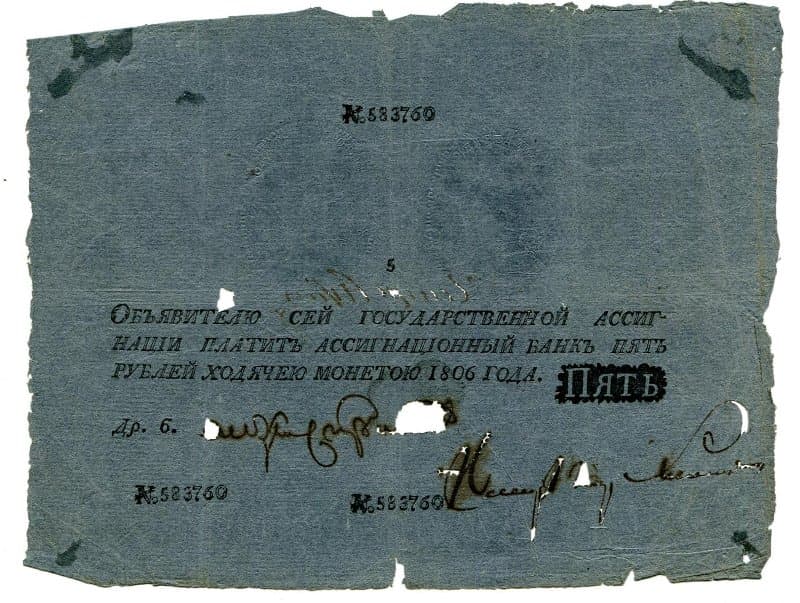
Государственная ассигнация. 5 рублей. № 583760
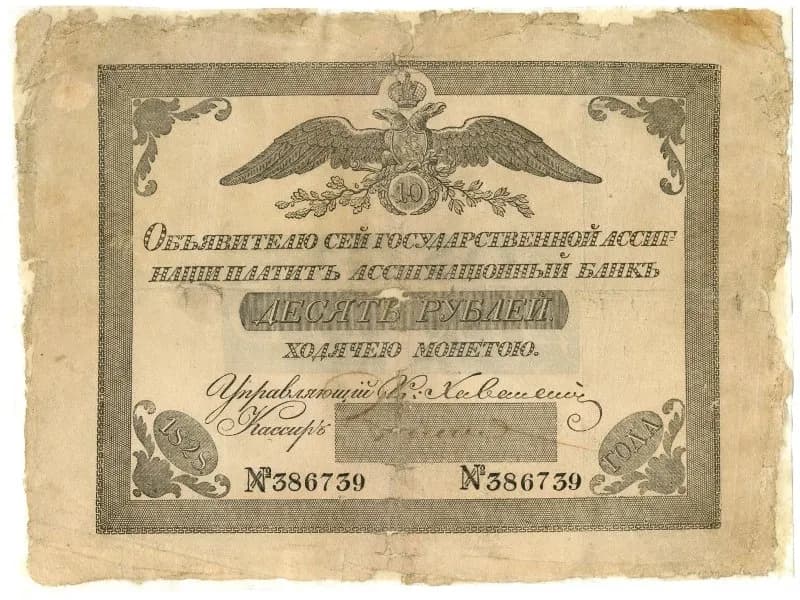
Ассигнация. Николай I (1825-1855). 10 рублей.
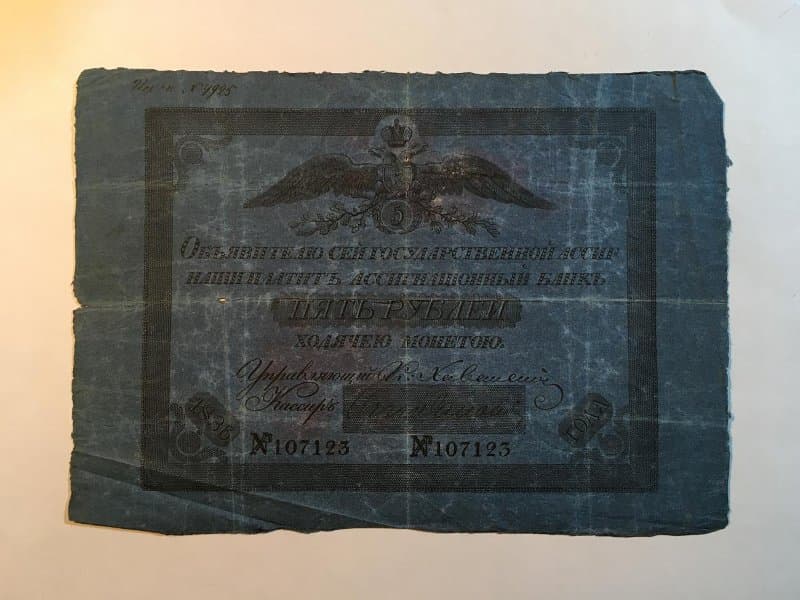
Государственная ассигнация 5 руб. (цвет синий).
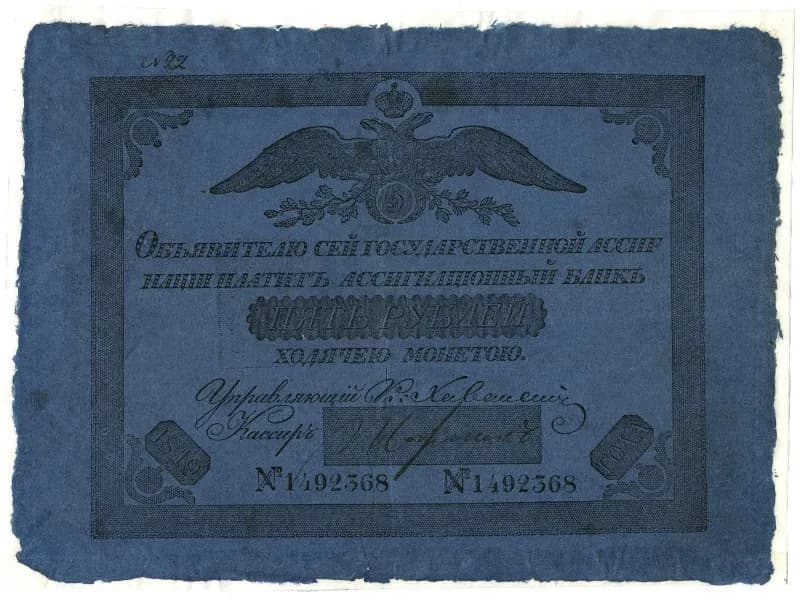
Ассигнация. Александр I (1801-1825). 5 рублей.
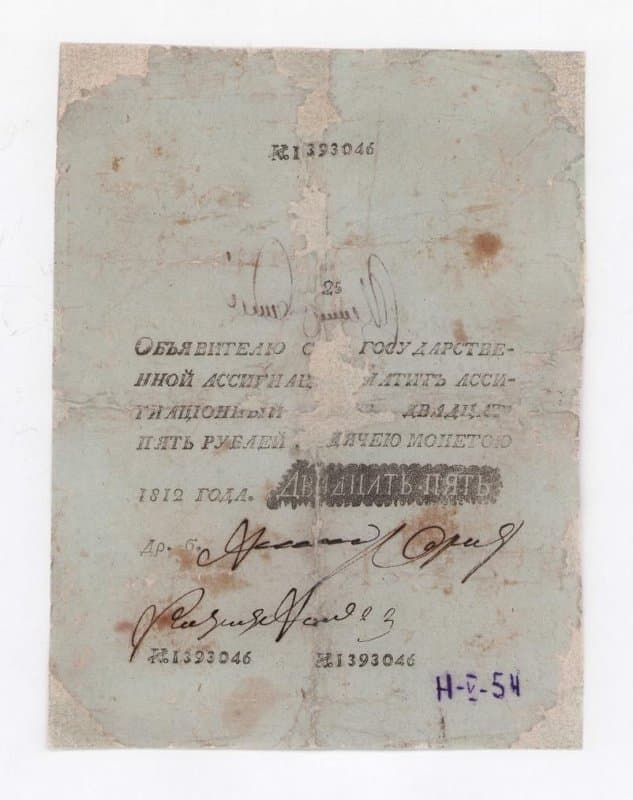
Российская Империя Ассигнация 25 рублей, 1812 (Период 1786-1819)
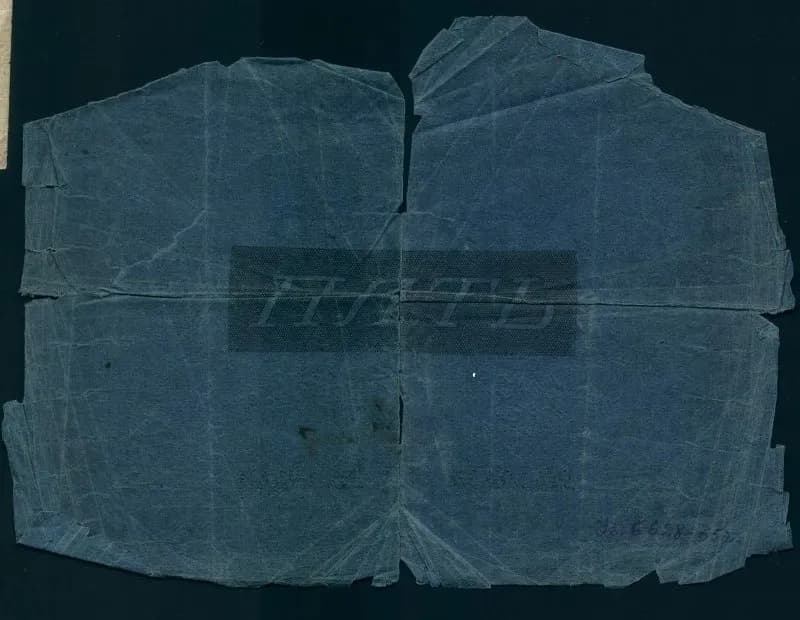
Государственная ассигнация 5 рублей.
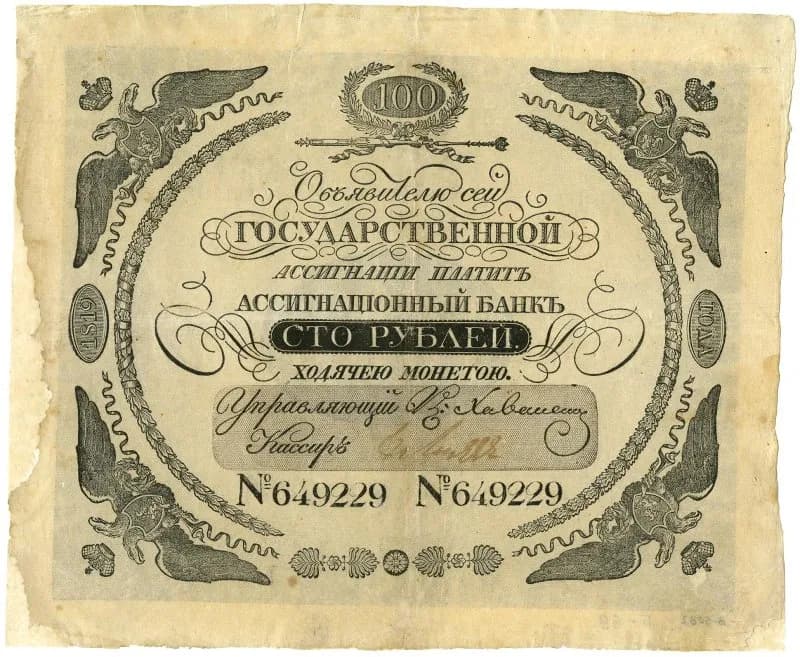
Ассигнация. Александр I (1801-1825). 100 рублей.
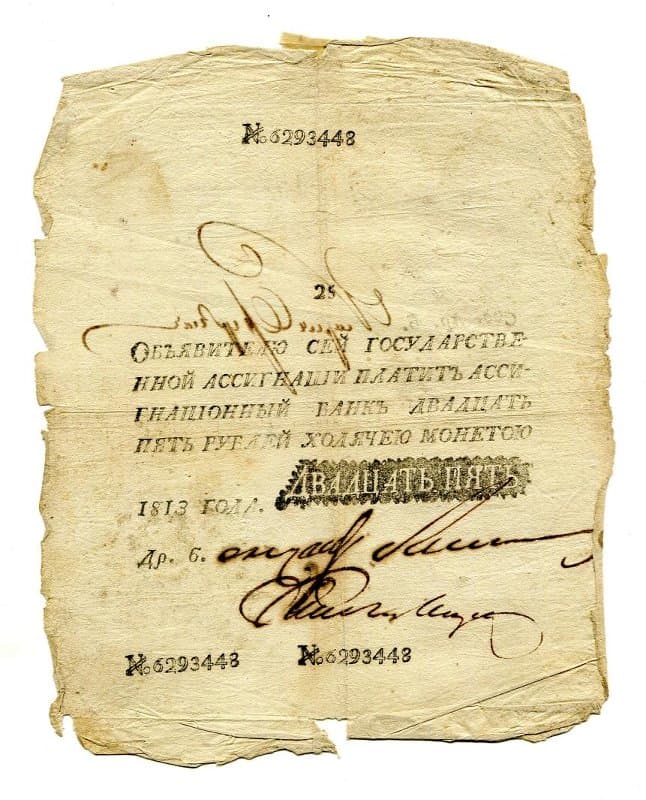
Российская Империя Ассигнация 25 рублей, 1813 (Период 1786-1819)
Similar Articles
Investing in Coins: Pros, Risks, Liquidity
Alexander Volkov
How to Use a Price Guide and Coin Catalogs
Alexander Volkov
How to Start Collecting Coins: A Complete Guide for Beginners
Alexander Volkov
Numismatic Auctions: What a Beginner Should Look For
Alexander Volkov
How to Distinguish an Original from a Copy: A Guide for Collectors
Alexander Volkov