
Icons: Attribution, Conservation, and Legal Restrictions
Icon attribution is a complex process of establishing its authenticity, authorship, time, and place of creation. The cultural and material value of the item directly depends on the accuracy of the attribution. This process requires specialized knowledge and is often conducted with the involvement of art historians and expert restorers.
January 30, 2026
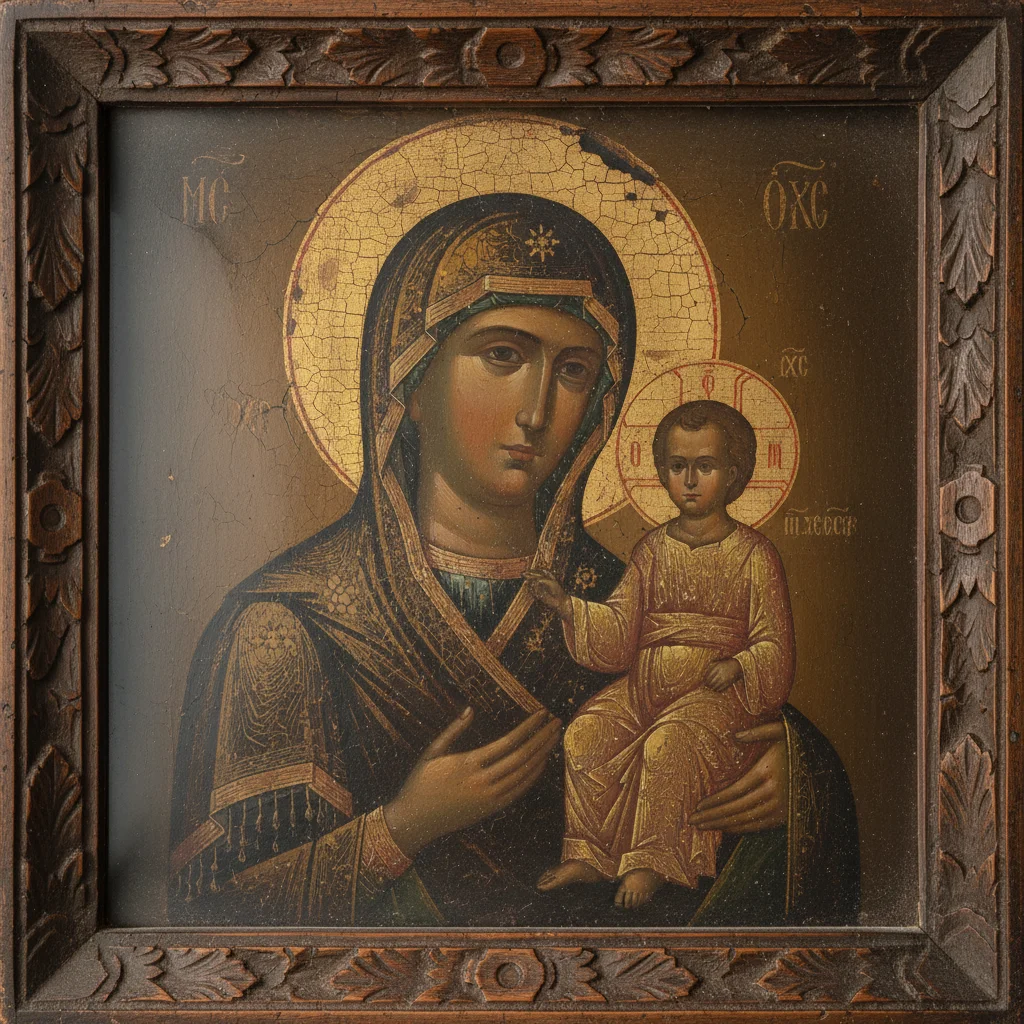
Attribution and Expertise: The Key to Understanding an Icon
| School | Characteristic Features |
| Novgorod | Laconicism, bright, pure colors, clear graphic drawing. |
| Moscow | Harmonious imagery, soft painting style, attention to detail and ornamentation. |
| Palekh | Miniature painting, abundance of gold, refinement, and decorativeness. |
| Mstyora | Folk motifs, picturesqueness, soft and warm color palette. |
Icon attribution is a complex process of establishing its authenticity, authorship, time, and place of creation. The cultural and material value of the item directly depends on the accuracy of the attribution. This process requires specialized knowledge and is often conducted with the involvement of art historians and expert restorers.
Expertise helps distinguish an original work from a fake or a later copy. Specialists analyze numerous factors to form a complete understanding of the icon and its history.
The main stages of expertise are:
- Stylistic analysis. Studying the painting manner, color palette, and composition to determine the icon painting school (e.g., Novgorod, Moscow, Palekh).
- Technical and technological research. Analysis of materials: type of board, nature of the pavoloka (cloth backing), composition of the levkas (gesso), and paint pigments.
- Iconographic analysis. Studying the subject, its canonicity, and the specific features of the depiction of saints or biblical scenes.
- Comparative analysis. Comparing the icon with dated and signed analogues from museum and private collections.
Knowledge of the characteristic features of different icon painting centers is an important part of attribution.
Condition Assessment: What to Look For
| Term | Description |
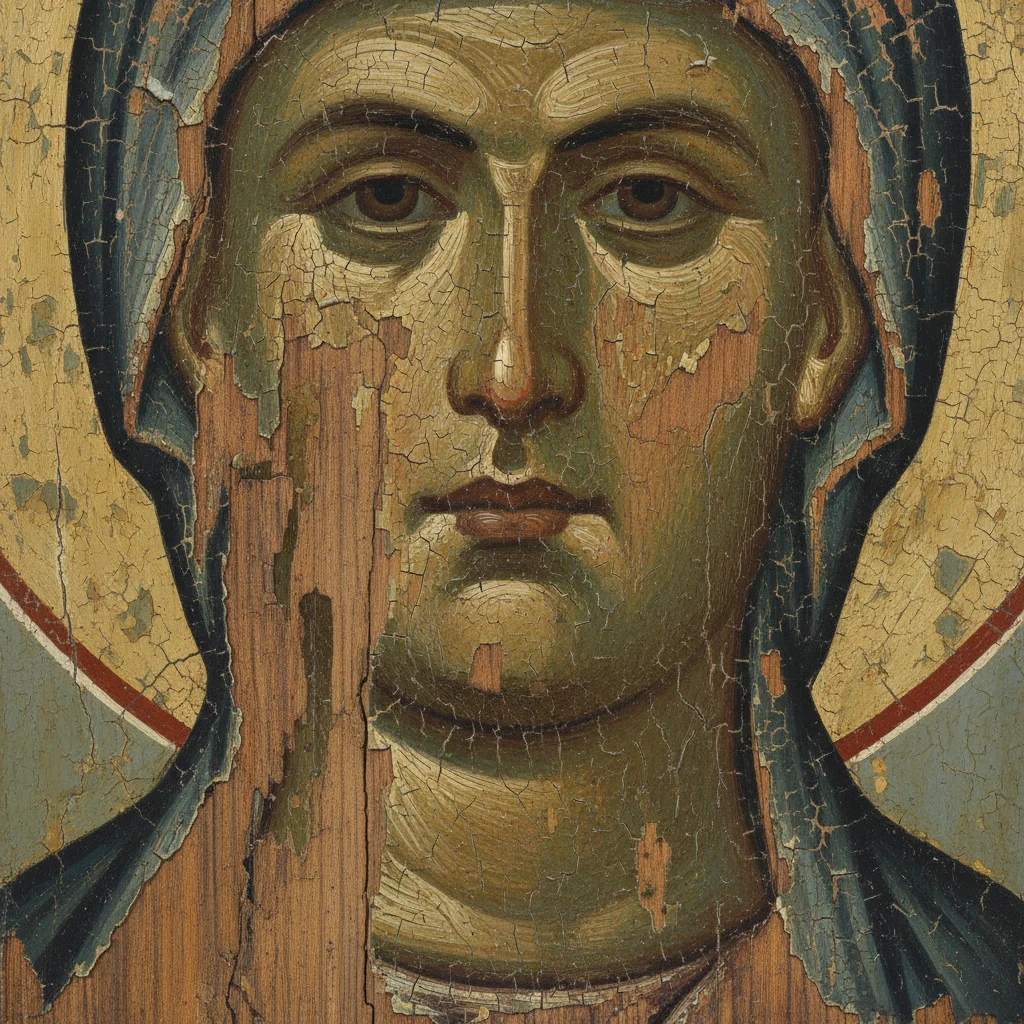
| Craquelure | A network of fine cracks on the paint layer, a natural sign of aging in a painting. |
| Overpainting | Later renewal or a complete repainting of the original image. |
| Flaking | Loss of fragments of the levkas (gesso) along with the paint layer, usually along the edges or cracks. |
| Spline | A wooden slat on the back of the icon to prevent the board from warping. |
The state of conservation is one of the most important factors affecting an icon's value. Even a work by a famous school or master can significantly lose value due to poor condition. Assessing the condition requires a careful examination of all elements of the icon.
During inspection, it is important to pay attention to any damage, whether natural, occurring over time, or resulting from improper storage or unsuccessful restoration. Every defect must be documented and assessed.
- Condition of the board (support): presence of cracks, warping, traces of woodworm, and the integrity of the splines.
- Condition of the levkas (gesso): blistering (gesso bubbles), losses, flaking of the paint layer along with the gesso.
- Condition of the paint layer: abrasions, deep scratches, fading of pigments, presence of later overpainting or renewals.
- Condition of the oklad/riza (if present): integrity, material (silver, brass), presence of hallmarks, patina, and mechanical damage.
Understanding the terminology helps to correctly assess the item's condition.
Legal Restrictions and Legal Aspects of Circulation
The circulation of icons, like other antiques, is regulated by law. Ignorance of legal norms can lead to serious problems, including confiscation of the item and administrative or even criminal liability. Particularly strict rules apply to the export of cultural heritage abroad.
Icons created more than 50 years ago automatically fall under the law on cultural heritage. This imposes certain obligations and restrictions on the owner, especially when attempting to sell or export the item from the country.
Key legal points a collector should know:
- Export appraisal. Exporting an icon from the country requires an official permit from the Ministry of Culture. The appraisal determines whether the item is a cultural property of special significance.
- Export ban. Icons created before 1945 and recognized by experts as having special historical or artistic value are generally not subject to export.
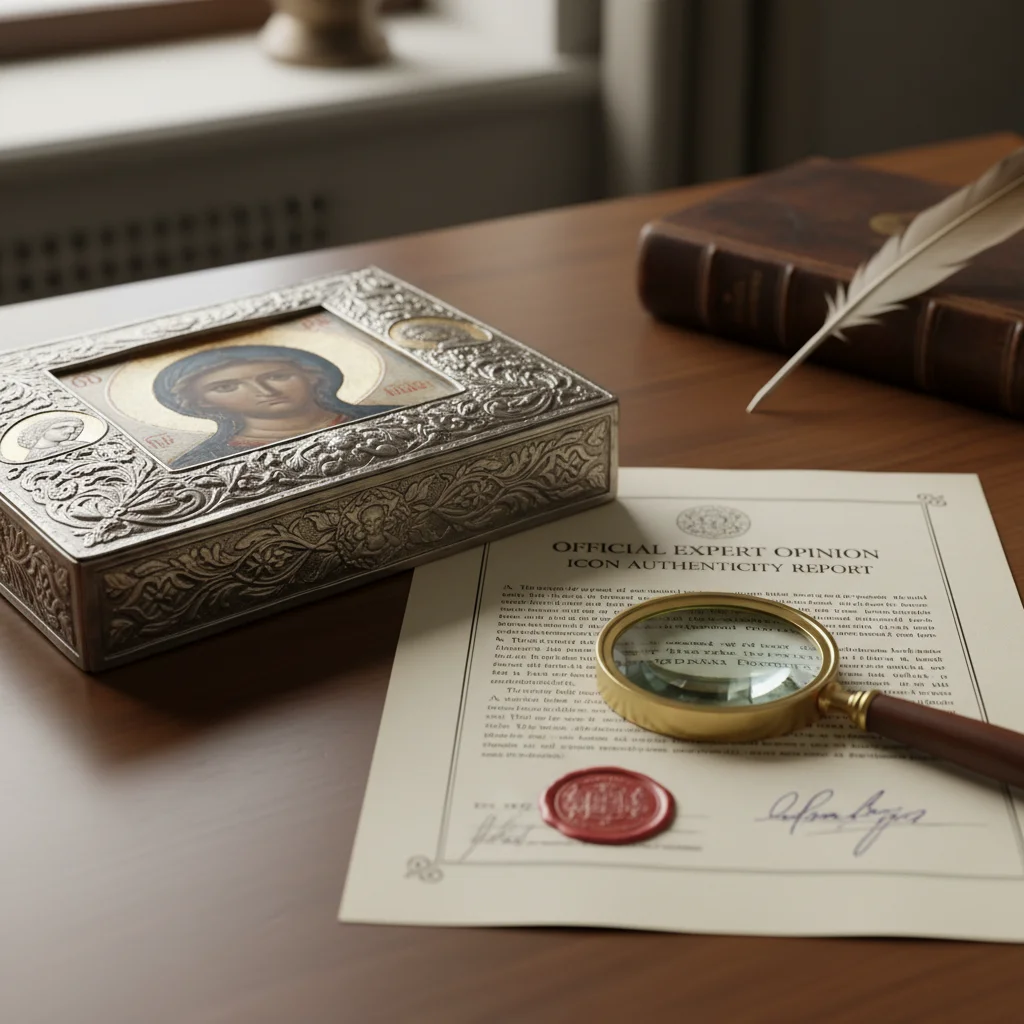
- Documentation. When purchasing a valuable icon, it is crucial to obtain documents confirming its origin (provenance) and an expert's report. This protects against acquiring stolen or illegally exported items.
- State registration. Particularly valuable items may be subject to inclusion in the country's Museum Fund, which imposes additional restrictions on their circulation.
Storage and Restoration Rules
| Problem | Restoration Action |
| Active deterioration | Strengthening the paint layer and levkas to prevent further flaking. |
| Darkened olipha and overpainting | Revealing the original painting by thinning or removing the darkened olipha and later layers of paint. |
| Heavy soiling | Delicate cleaning of the surface to remove soot, dust, and other deposits. |
| Structural damage to the board | Strengthening the support, filling cracks, and dealing with woodworm. |
Proper storage is the key to an icon's long life. The wooden support and natural paints are very sensitive to environmental changes, so creating suitable conditions is a primary task for any collector.
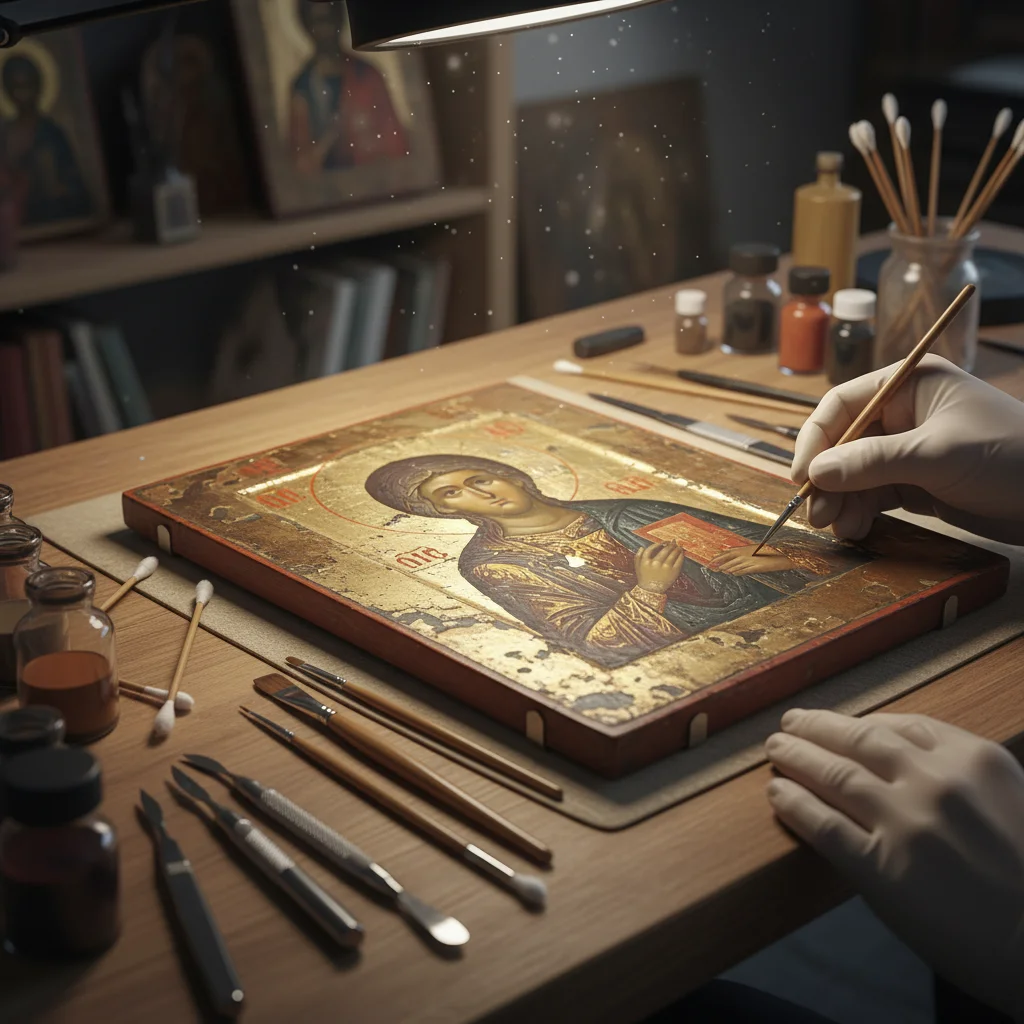
Restoration should only be resorted to when necessary, when there is a threat of further deterioration of the piece. Any intervention must be carried out by a professional restorer, as unqualified work can irreversibly damage the icon.
- Maintain a stable temperature and humidity regime (temperature around 18-22°C, humidity 45-60%).
- Avoid direct sunlight, which causes paint to fade and the support to deteriorate.
- Protect from sudden changes in temperature and humidity; do not place icons near heating appliances, air conditioners, or in drafts.
- Use special kiots (icon cases) for storage, which create their own microclimate.
Restoration intervention is justified in several cases where the conservation of the icon becomes necessary.
Comments (0)
No comments yet. Be the first to share your thoughts!
Related Lots
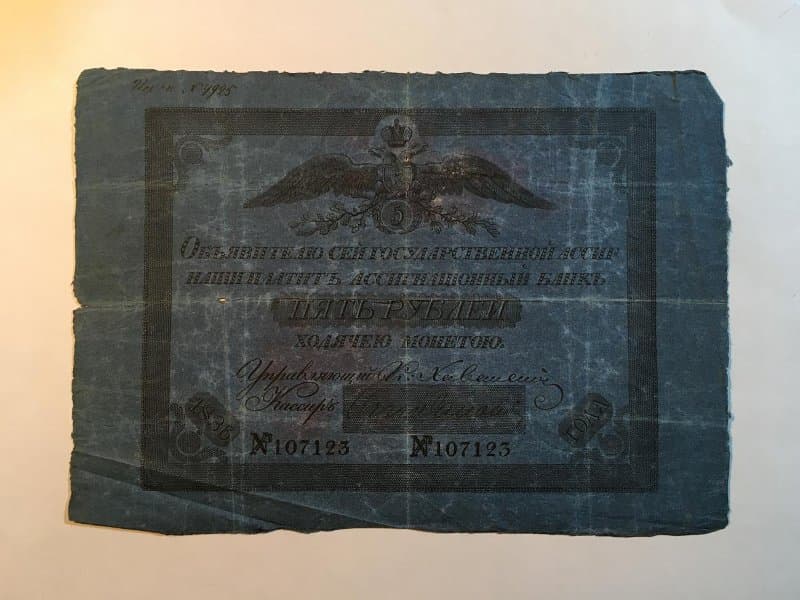
Государственная ассигнация 5 руб. (цвет синий).
Государственная ассигнация 5 рублей.
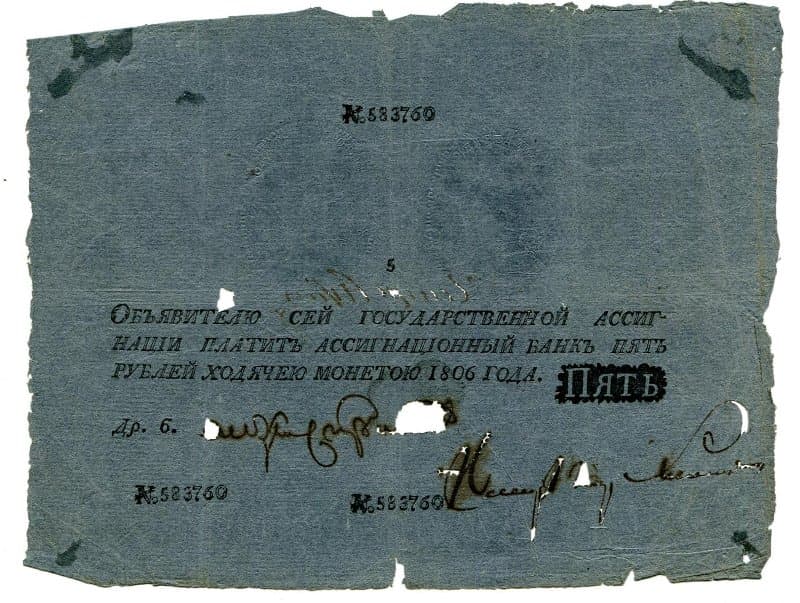
Государственная ассигнация. 5 рублей. № 583760
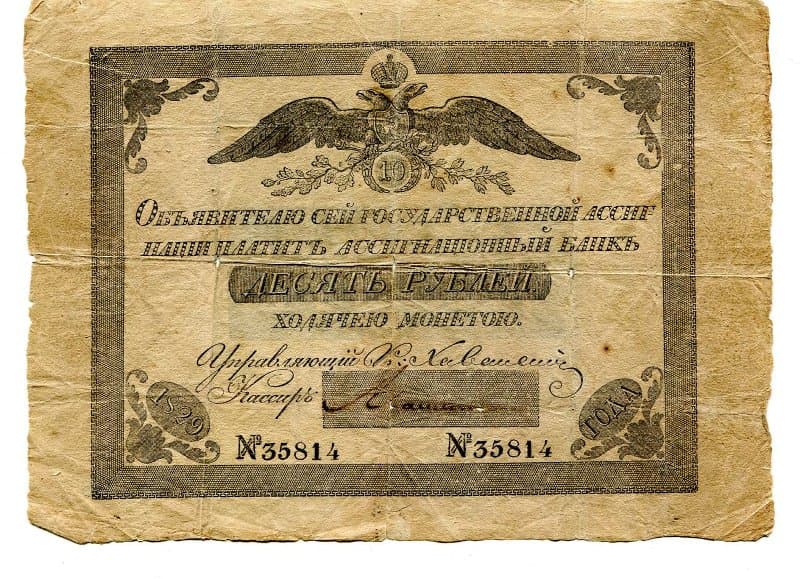
Российская Империя Ассигнация 10 рублей, 1829 (Период 1819-1843)
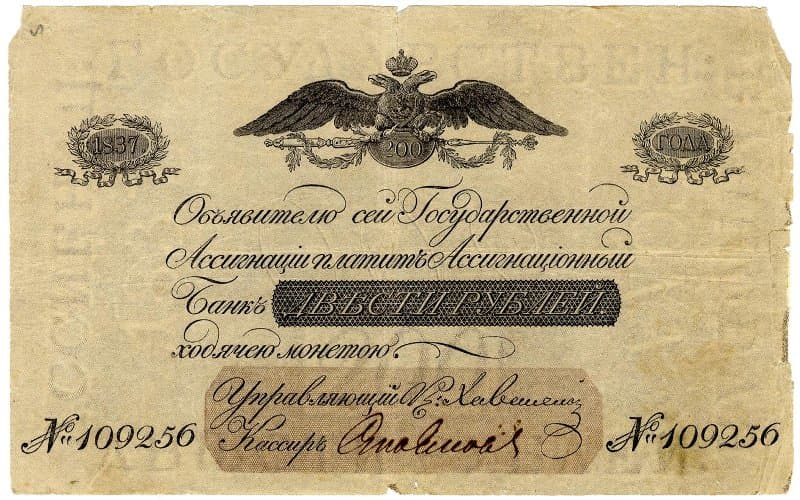
Российская Империя Ассигнация 200 рублей, 1837 (Период 1819-1843)
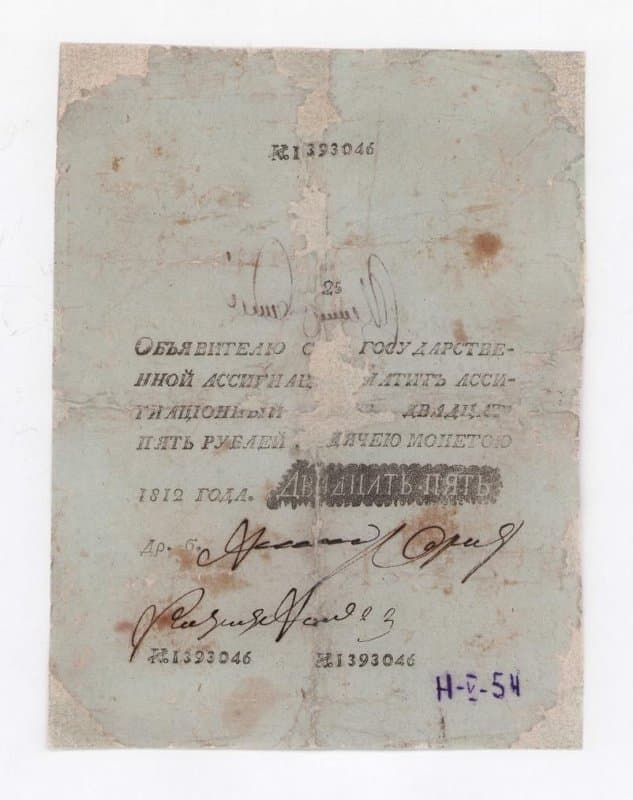
Российская Империя Ассигнация 25 рублей, 1812 (Период 1786-1819)
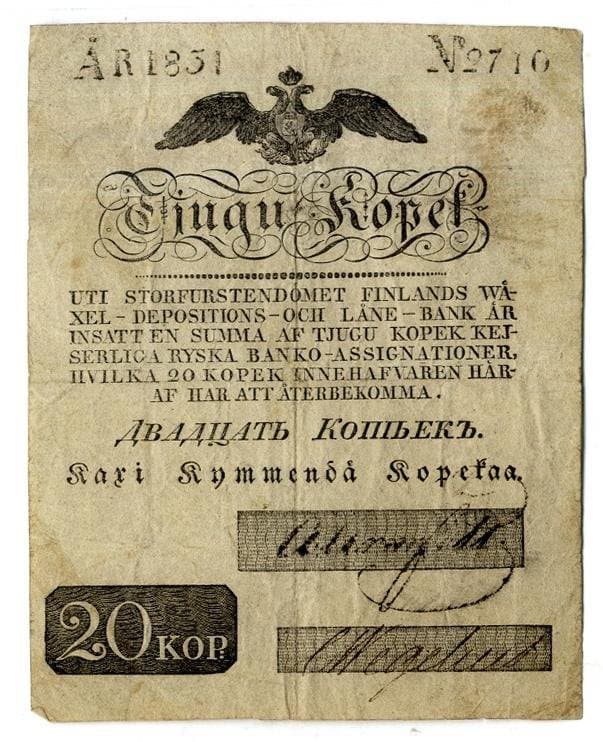
Российская Империя Ассигнация 20 копеек, 1831 (Выпуск Великого Княжества Финляндского)
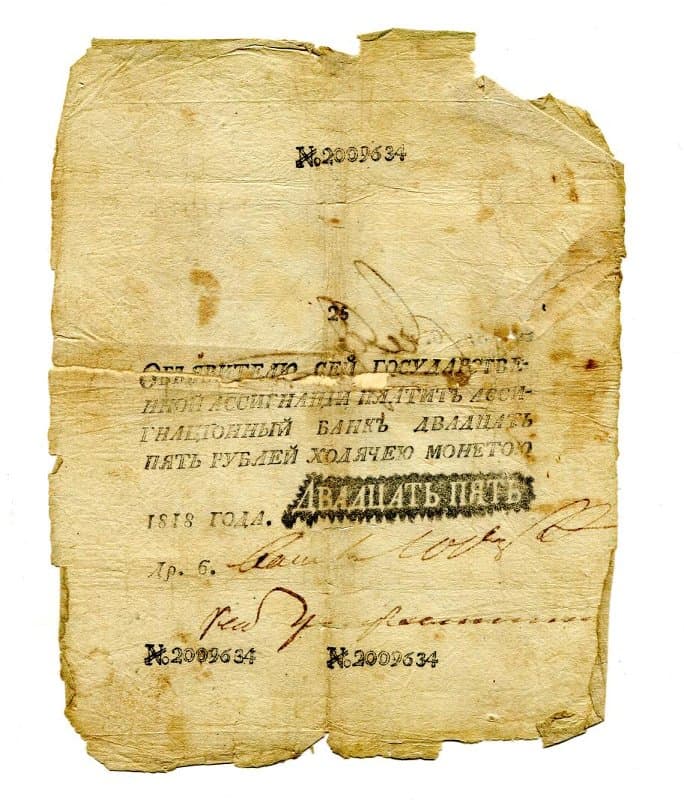
Российская Империя Ассигнация 25 рублей, 1818 (Период 1786-1819)
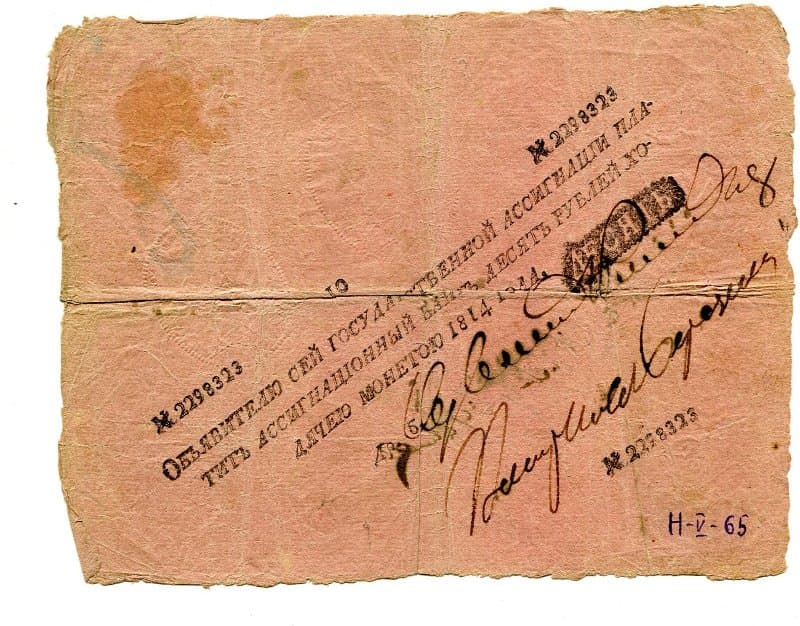
Российская Империя Ассигнация 10 рублей, 1814 (Период 1786-1819)
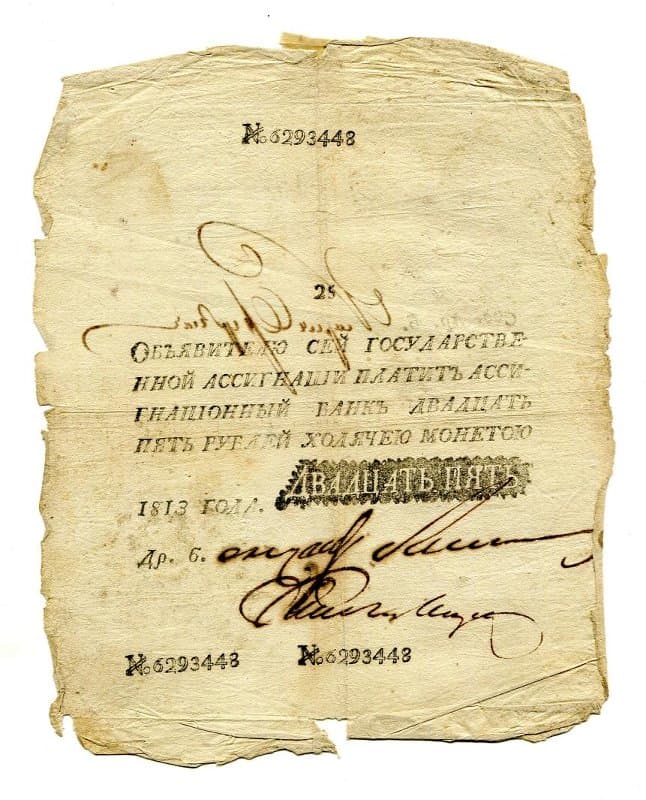
Российская Империя Ассигнация 25 рублей, 1813 (Период 1786-1819)
Similar Articles

What is Provenance and Why is it Important
Alexander Volkov
How to Distinguish an Original from a Copy: A Guide for Collectors
Alexander Volkov

Taxes and Customs: Importing and Exporting Collectibles
Alexander Volkov

Antiquarian Book: What People Collect and How They Are Valued
Alexander Volkov
Antique Furniture: Styles and Pricing Factors
Alexander Volkov