
Key Auction Terms: Lot, Estimate, Reserve, Buyer's Premium
Diving into the world of auctions begins with learning its special language. For new collectors and bidders, understanding key terms is fundamental for confident and successful participation. Four fundamental concepts form the basis of any auction, defining both the item being bid on and the financial aspects of the transaction.
January 30, 2026
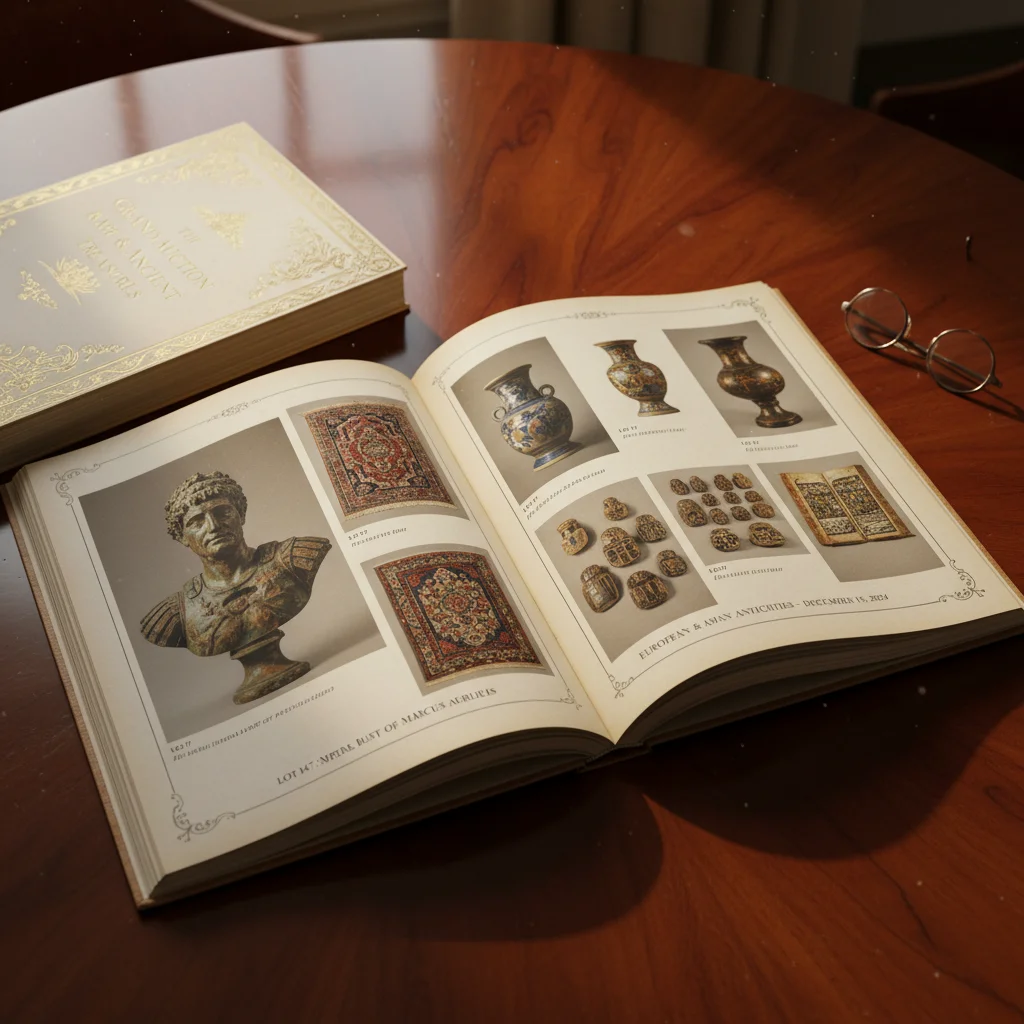
Key Concepts of the Auction World
| Term | Description |
| Lot | One or more items grouped together for sale at an auction as a single unit. Each lot is assigned a unique number for identification in the catalog and during bidding. |
| Estimate | The preliminary appraised value of a lot, determined by the auction house's experts. It is the expected price range within which, in the specialists' opinion, the lot may be sold. |
| Reserve (Reserve Price) | The confidential minimum price agreed upon between the item's owner (the seller) and the auction house. A lot cannot be sold below this price. |
| Buyer’s Premium | A commission fee that the auction house charges the buyer in addition to the hammer price. It is a percentage of the final bid that is added to the total purchase cost. |
Diving into the world of auctions begins with learning its special language. For new collectors and bidders, understanding key terms is fundamental for confident and successful participation. Four fundamental concepts form the basis of any auction, defining both the item being bid on and the financial aspects of the transaction.
Familiarity with these terms will help avoid misunderstandings and correctly calculate your budget. They are universal across most auction platforms worldwide.
Estimate and Reserve: A Guideline and a Minimum Price
Although the estimate and reserve price are both related to a lot's value, they serve different functions, and it's important to understand their differences. The estimate is public information and serves as a guideline for potential buyers, helping them assess the item's market value.
The reserve price, in contrast, is strictly confidential. Only the seller and the auction house know of its existence and amount. It acts as a form of insurance for the seller, ensuring their item will not be sold for a negligible amount.
- Estimate: A public price range forecast.
- Reserve: A confidential minimum selling threshold.
- The estimate is not binding; bidding can end both below or above this range.
- If bidding does not reach the reserve price, the lot is considered unsold, even if there were bids on it.

From Hammer Price to Final Total
The final price paid by the winning bidder is not just the amount heard at the fall of the gavel. This amount, known as the 'hammer price,' is only the base for the final calculation. The buyer's premium must be added to it to get the full cost.
The size of the buyer's premium is set by each auction house individually and is usually specified in the terms and conditions of the sale. It can be a fixed rate or vary depending on the lot's value. For example, if the hammer price is 10,000 currency units and the buyer's premium is 25%, the total amount payable will be 12,500 currency units.
Therefore, when planning your purchasing budget, you should always find out the commission rate in advance and account for this additional fee to accurately calculate the full cost of the item being acquired.

Comments (0)
No comments yet. Be the first to share your thoughts!
Related Lots
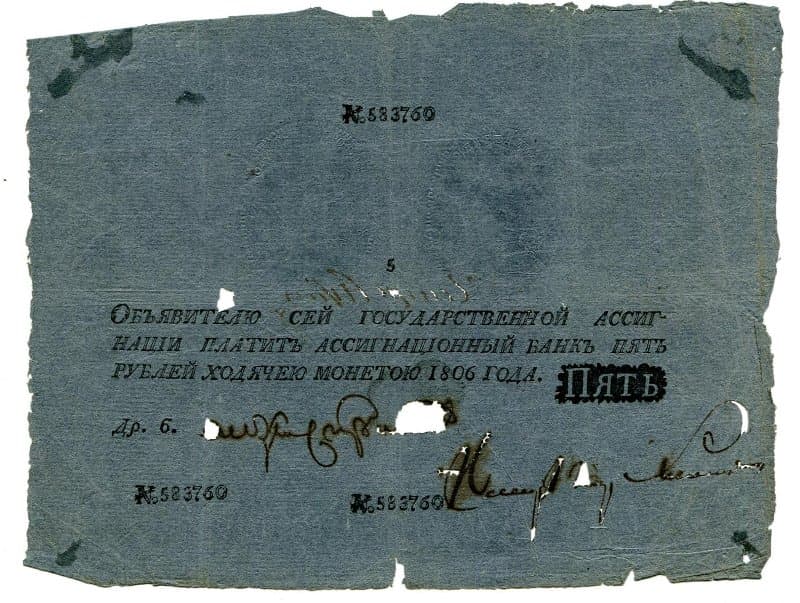
Государственная ассигнация. 5 рублей. № 583760
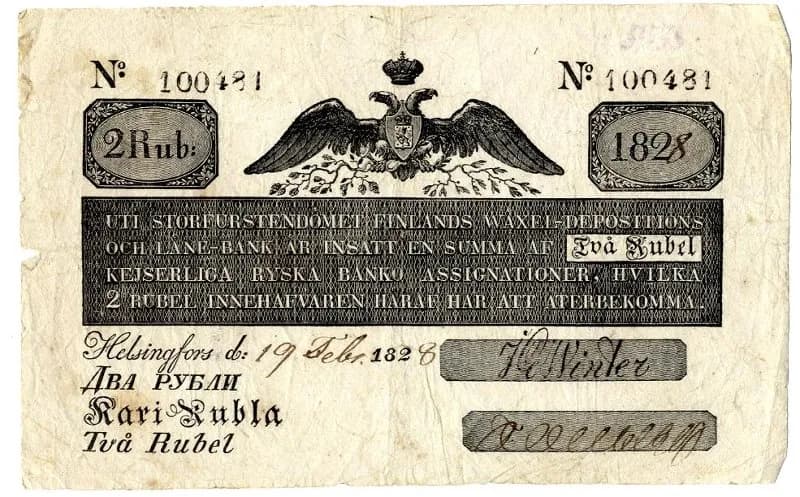
Бумажный денежный знак. Ассигнация 2 руб. (новый тип). Великое княжество Финляндское.
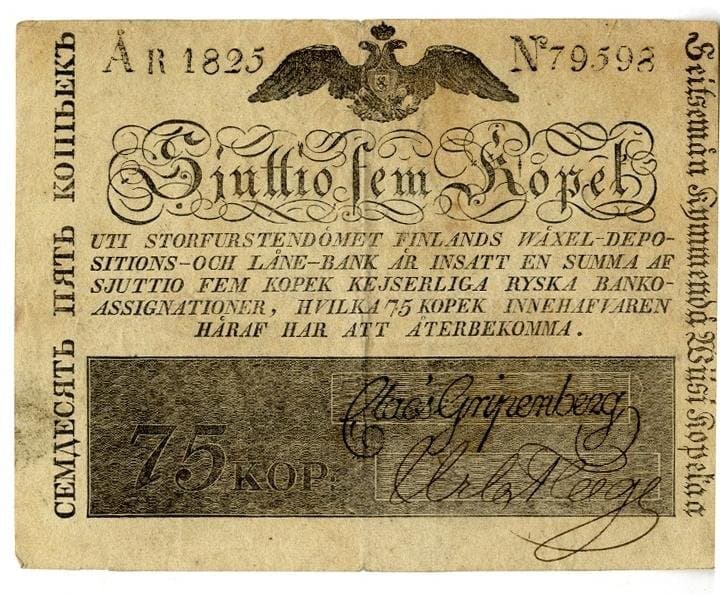
Российская Империя Ассигнация 75 копеек, 1825 (Выпуск для Великого Княжества Финляндского)
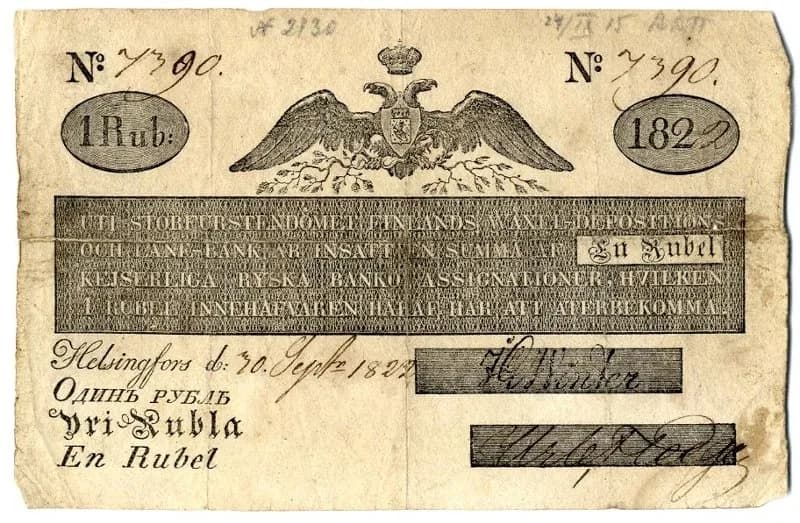
Бумажный денежный знак. Ассигнация 1 руб. ( новый тип) .Великое княжество Финляндское.
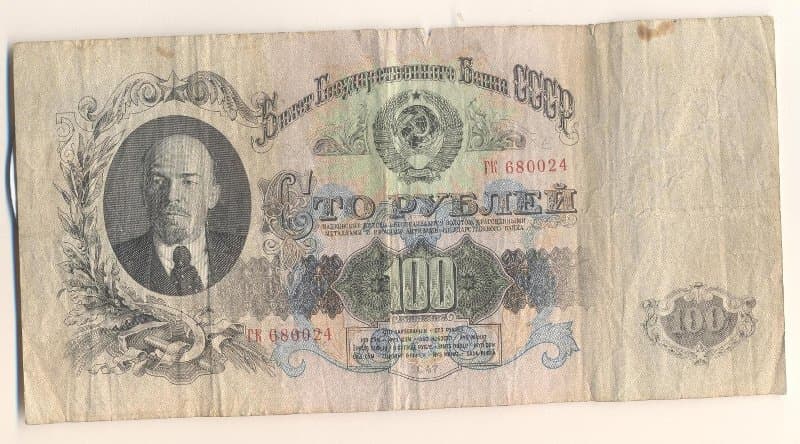
СССР Банкнота 100 рублей, 1947 (Выпуск денежной реформы 1947 года)
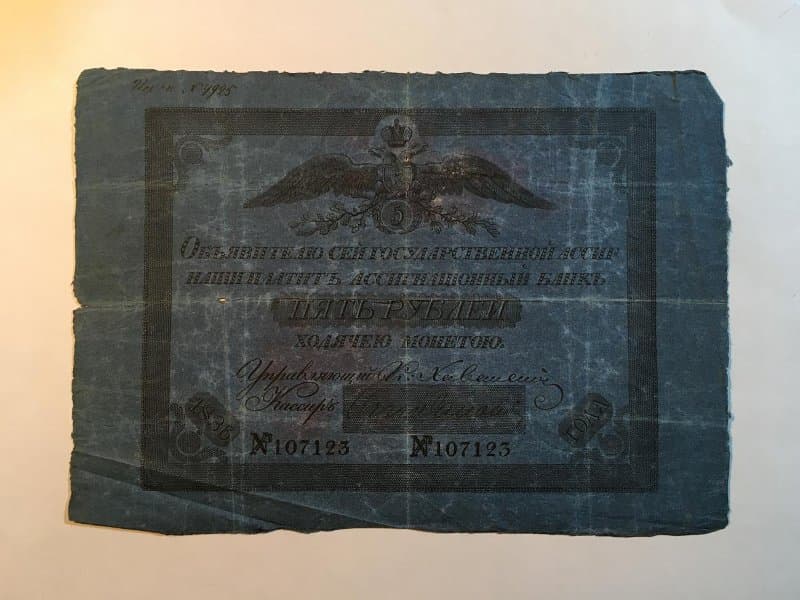
Государственная ассигнация 5 руб. (цвет синий).
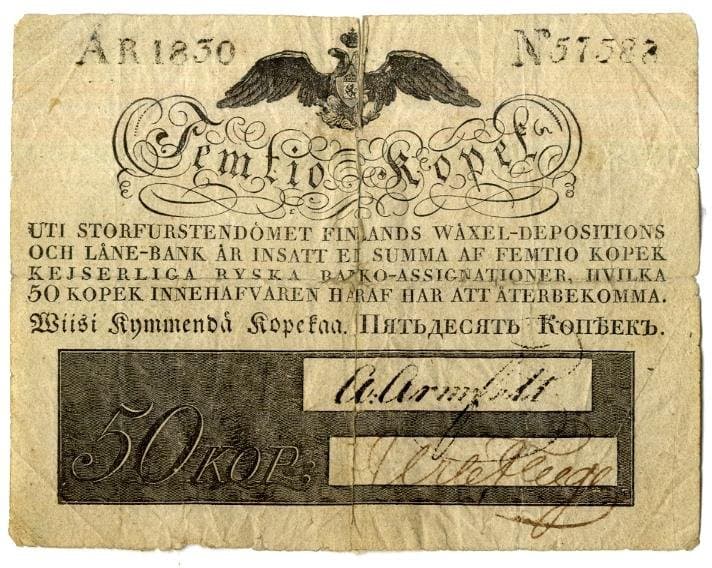
Российская Империя Ассигнация 50 копеек, 1830 (Выпуск для Великого Княжества Финляндского)
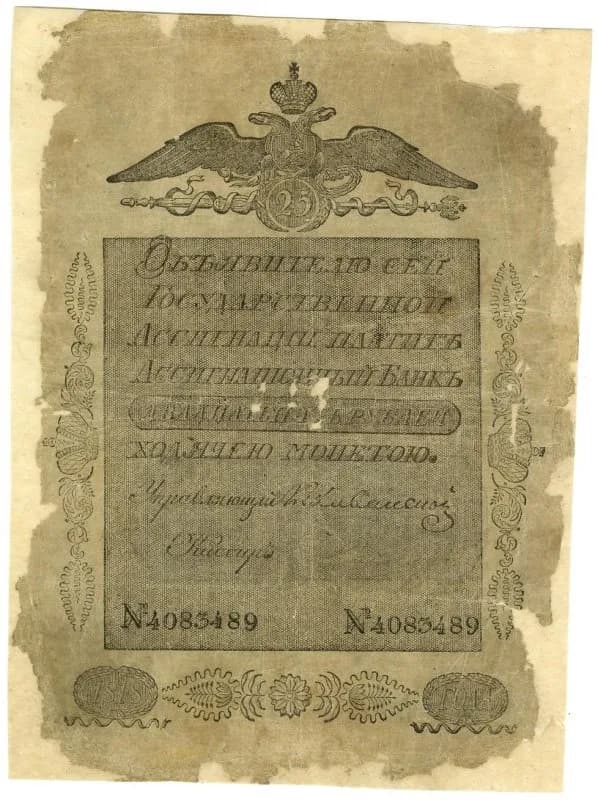
Ассигнация. Александр I (1801-1825). 25 рублей.
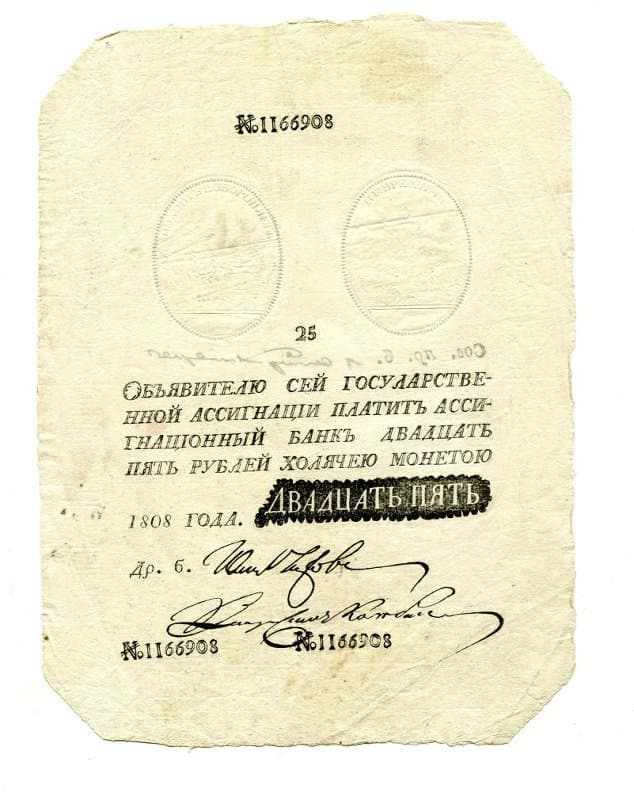
Российская Империя Ассигнация 25 рублей, 1808 (Период 1786-1819)

Государственная ассигнация 5 рублей.
Similar Articles

How to Read an Auction Catalog
Alexander Volkov

How to Participate in an Online Auction: Registration, Bidding, and Fees
Alexander Volkov
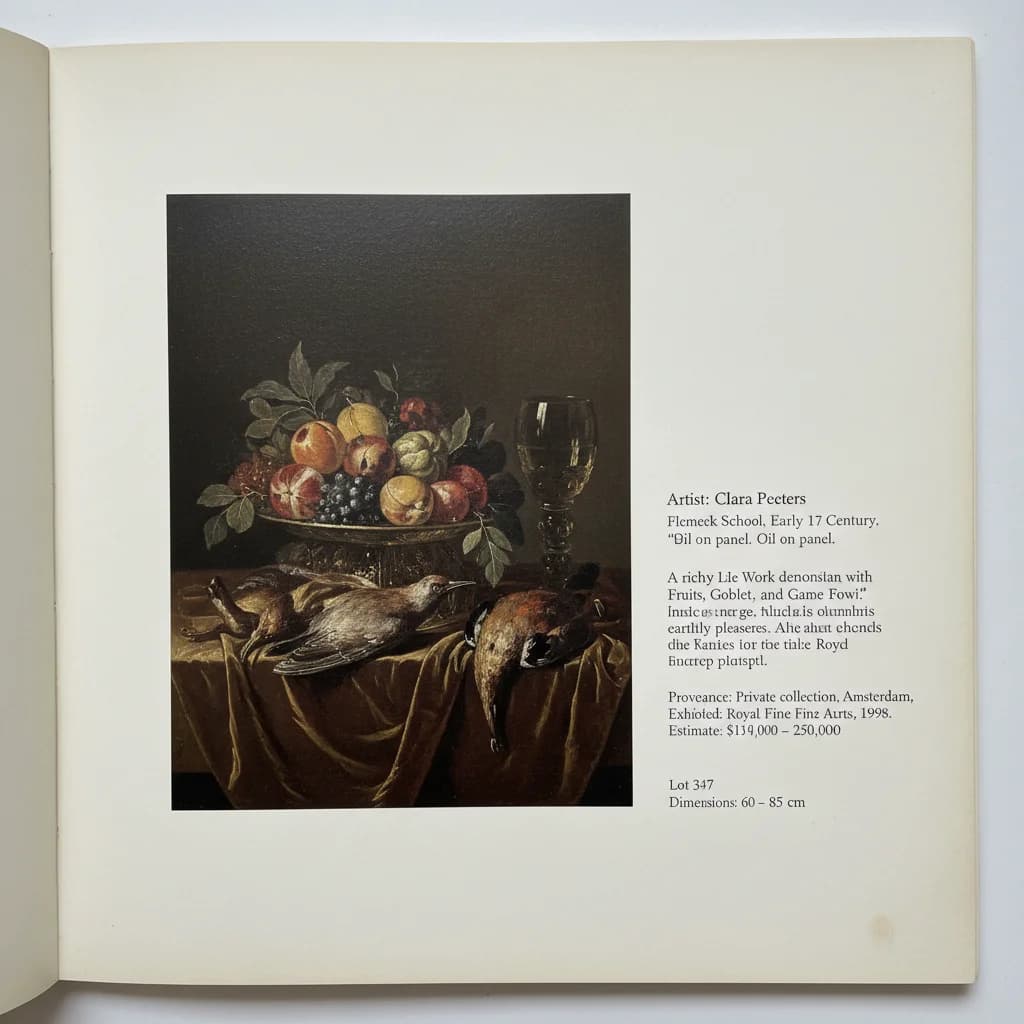
Painting at Auctions: How to Navigate Estimates
Alexander Volkov
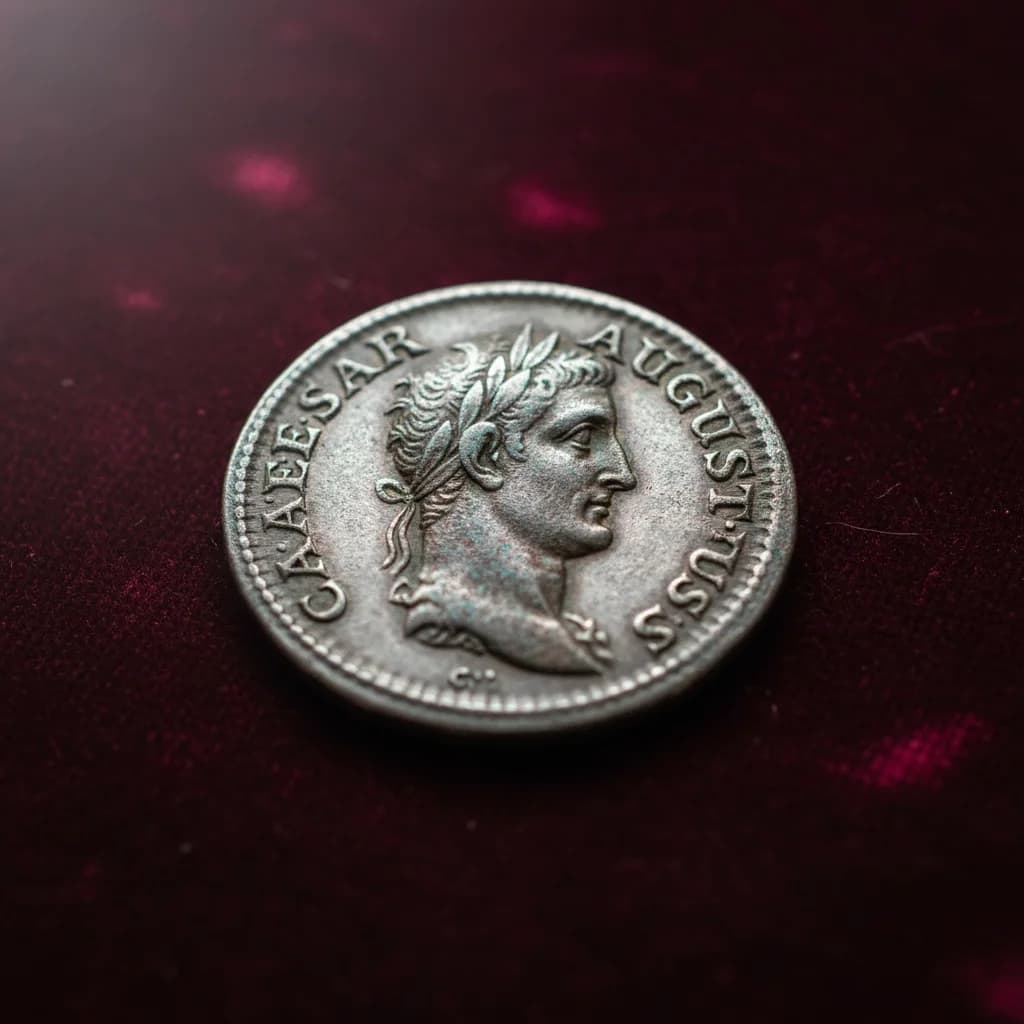
Numismatic Auctions: What a Beginner Should Look For
Alexander Volkov

Major Houses vs. Regional Auctions: Pros and Limitations
Alexander Volkov