
Watches: Pocket and Wristwatches — Brands and Eras
The history of watches is a journey from a utilitarian time-measuring device to an exquisite accessory, a symbol of status, and a collector's item. Initially bulky and inaccurate, over time they became more and more sophisticated, turning into true works of art and engineering.
January 30, 2026
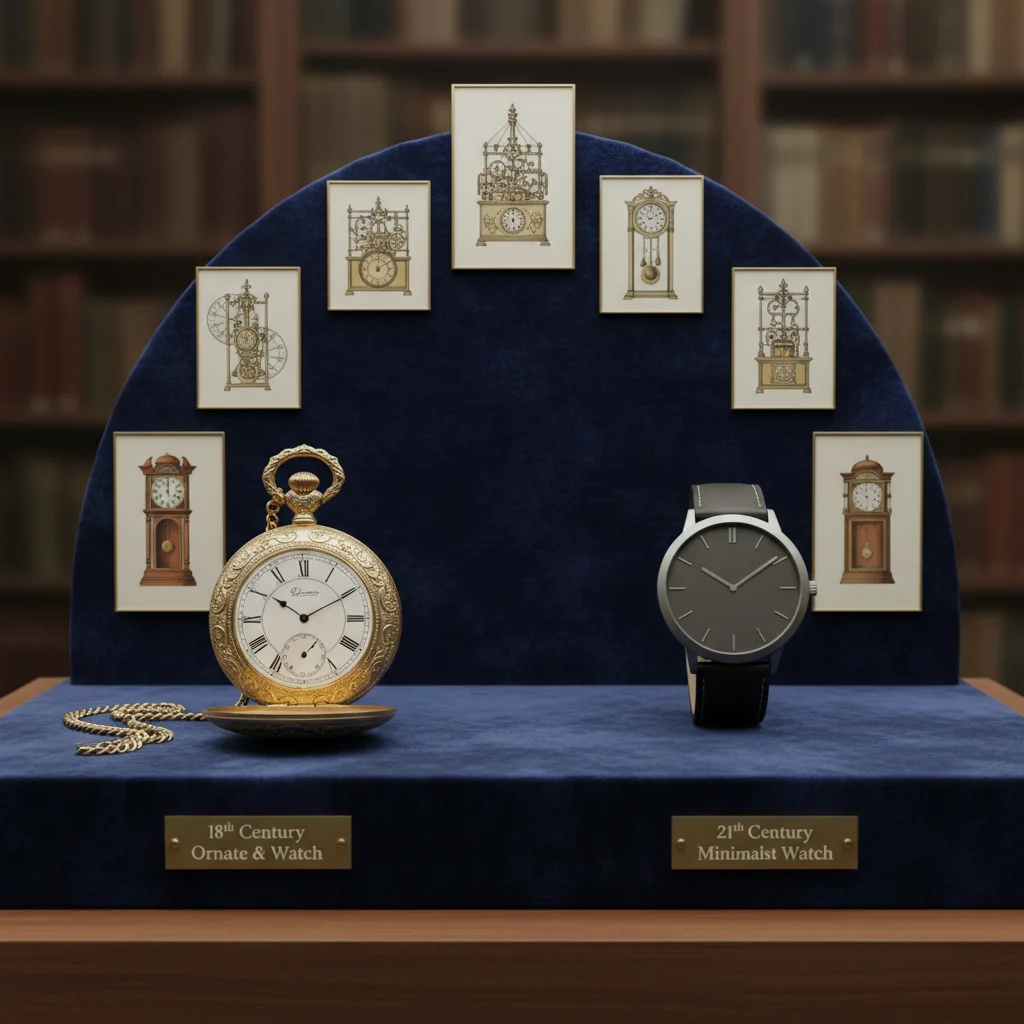
From Pocket Chronometer to Wrist Accessory: The Evolution of Watches
The history of watches is a journey from a utilitarian time-measuring device to an exquisite accessory, a symbol of status, and a collector's item. Initially bulky and inaccurate, over time they became more and more sophisticated, turning into true works of art and engineering.
A key moment in this evolution was the transition from pocket watches to wristwatches. While the former were an essential attribute of a gentleman for centuries, the latter, appearing at the turn of the 19th and 20th centuries, sparked a real revolution, making timepieces convenient to wear in all conditions, especially in a military environment. This transition marked a new era in watchmaking and paved the way for countless innovations in design and functionality.
The Golden Age of Pocket Watches: Masterpieces of the 19th and Early 20th Centuries
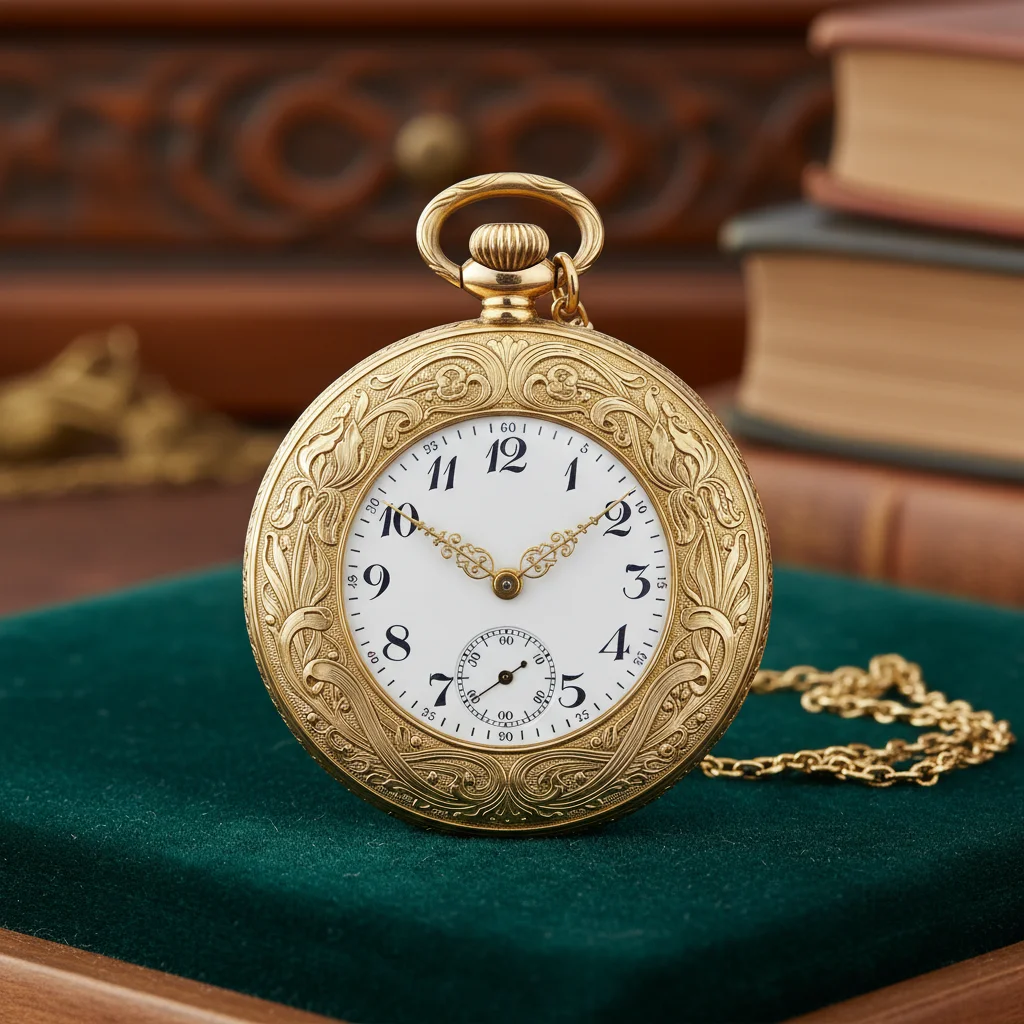
The period from the mid-19th to the early 20th century is rightly considered the "golden age" of pocket watches. During this time, leading manufacturers in Europe and America competed to create increasingly precise and complex movements, enclosing them in cases decorated with incredible craftsmanship. The Art Nouveau and Art Deco styles left a significant mark on design, giving the world graceful and elegant models.
Collectors today highly value pieces from that era for a number of unique characteristics. These watches are attractive not only for their beauty but also for their historical significance, reflecting the spirit of their time.
- Complex mechanisms (repeaters, chronographs, perpetual calendars)
- Intricate engraving and enamel on the case
- Use of precious metals such as gold and platinum
- Presence of provenance — a documented history of ownership
The Revolution on the Wrist: The First Wristwatches
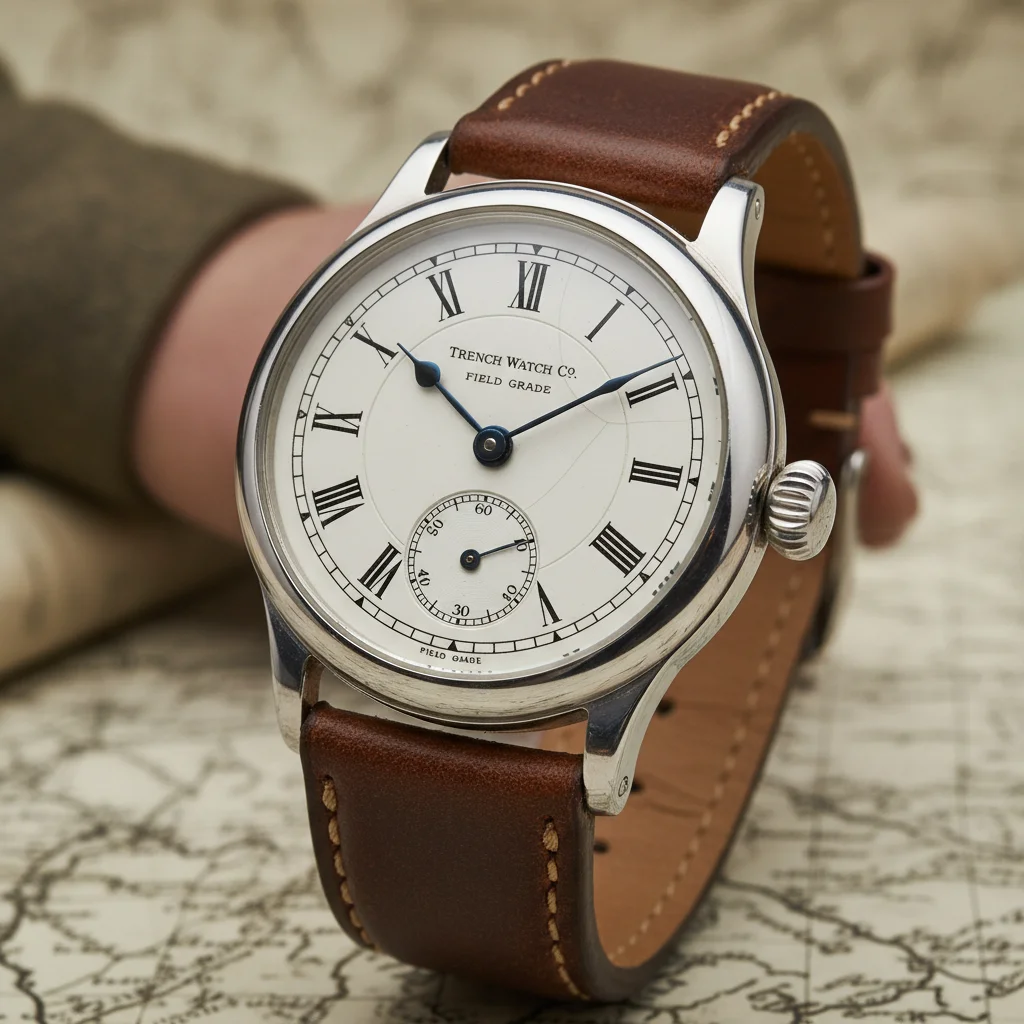
Although the first wristwatches appeared in the 19th century as women's jewelry, their widespread adoption began with men. The practicality of wearing a watch on the wrist was first appreciated by soldiers during the Anglo-Boer and First World Wars, when checking a pocket chronometer in combat conditions was inconvenient and dangerous.
This shift in perception was embraced by leading watch houses. Brands like Cartier played a key role in popularizing wristwatches, creating some of the first iconic models, such as the Cartier Santos, designed for aviator Alberto Santos-Dumont. Thus, the wristwatch quickly transformed from a purely utilitarian military tool into a fashionable and prestigious men's accessory.
Legendary Brands in the World of Collecting
| Brand | Key Feature | Iconic Model |
| Patek Philippe | Complex mechanisms and supreme quality | Calatrava, Nautilus |
| Rolex | Reliability, innovation, and status | Submariner, Daytona |
| Omega | Connection to space and sports | Speedmaster Professional |
| Breguet | Historical heritage and inventions | Classique |
| Audemars Piguet | Bold design and luxury | Royal Oak |
In the world of collectible watches, there are names that inspire awe in any connoisseur. These brands have earned their reputation through impeccable quality, innovation, and a rich history. Owning a watch from such manufactures is not just an investment, but a chance to touch a legend.
Each of these brands has made a unique contribution to the development of horology, and their models have remained in demand for decades, regularly setting records at auctions.
Models That Made History
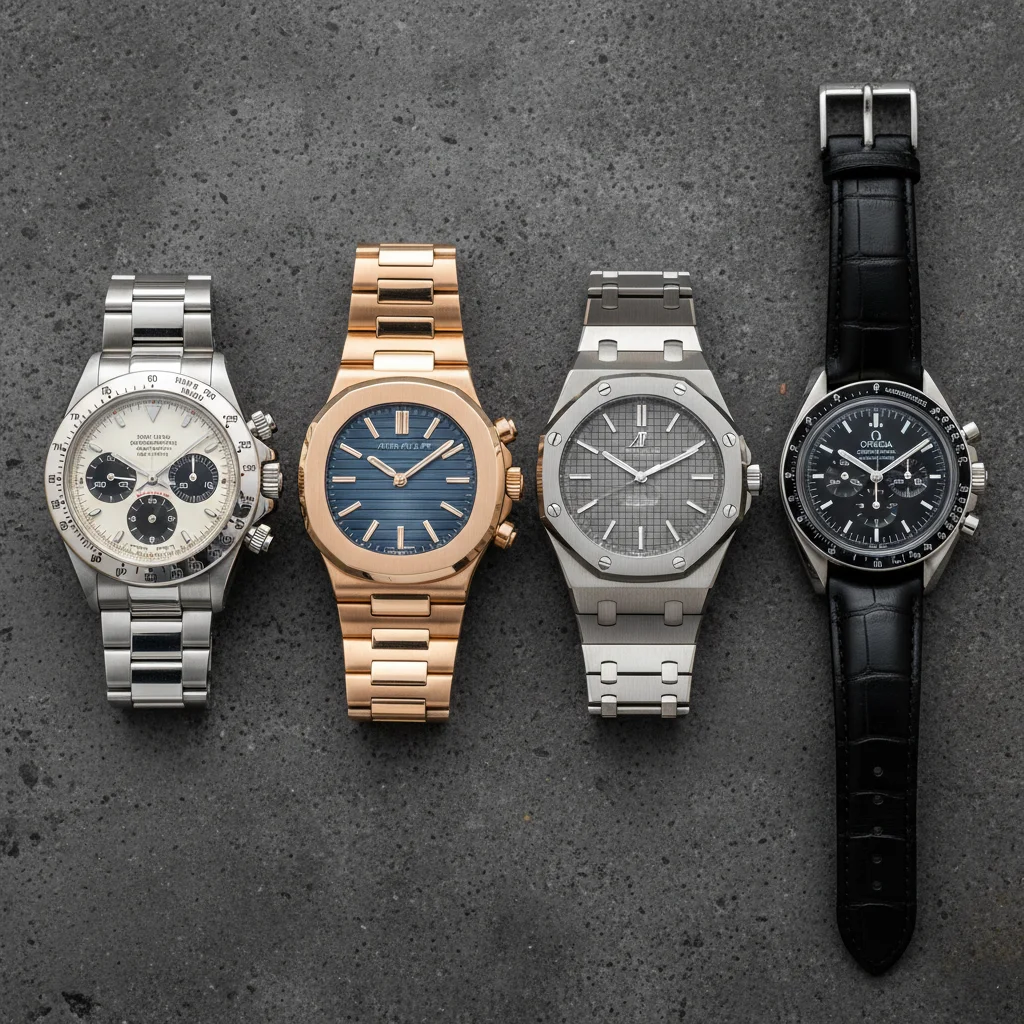
Among the thousands of models released throughout history, some have become true icons. Their popularity is due to their unique design, technical perfection, or connection to significant historical events and personalities. These watches are the jewels of any collection.
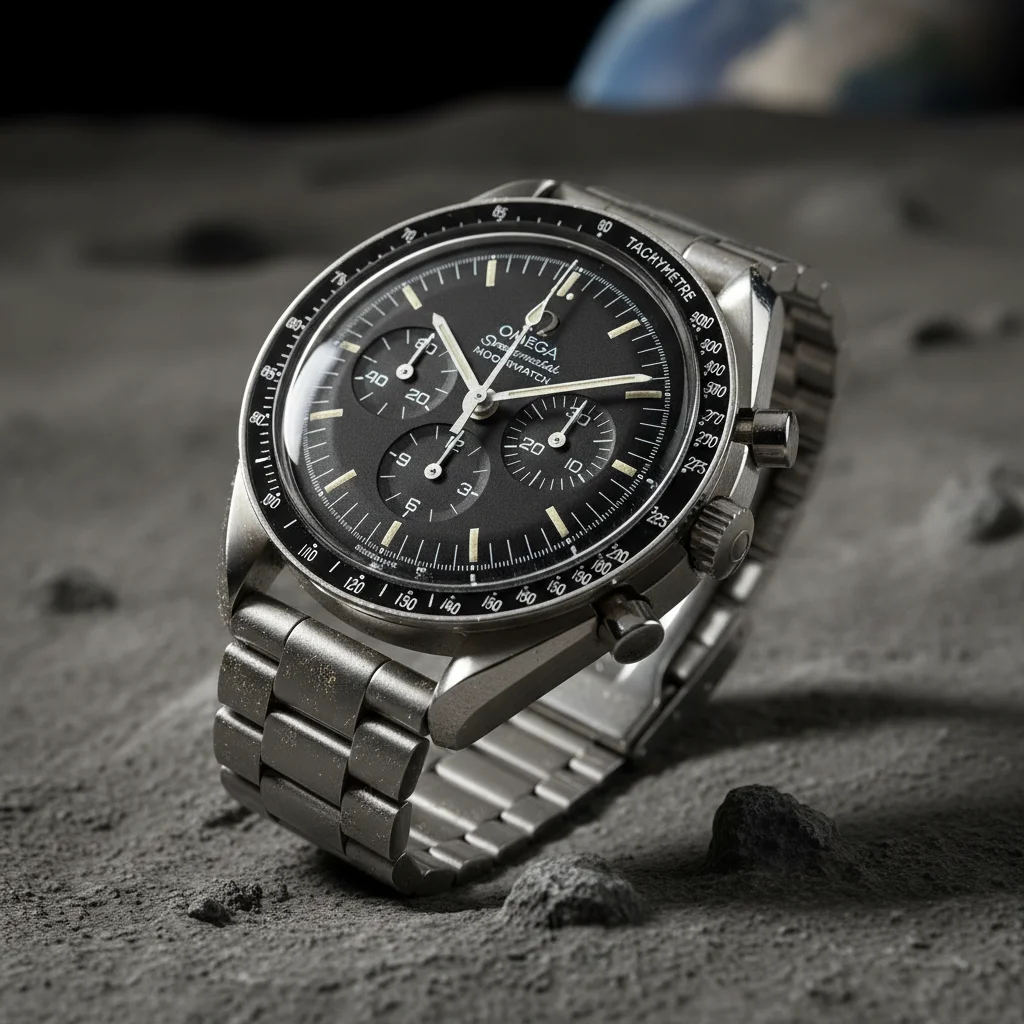
For example, the Omega Speedmaster went down in history as the "Moonwatch" after being worn on the Moon by the Apollo 11 astronauts. The Rolex Daytona with a rare dial, nicknamed the "Paul Newman," became an auction legend, and the Patek Philippe Ref. 1518 is valued as the world's first serially produced perpetual calendar chronograph wristwatch. It is stories like these that make watches truly priceless.
Criteria of Value: What Collectors Look For
Determining the value of a collectible watch is a complex process that takes many factors into account. Experienced collectors and investors evaluate each piece based on a combination of characteristics that shape its final market price and appeal.
Understanding these criteria not only helps in making the right choice when buying but also in assessing the potential of watches already in a collection. Below are the key aspects to pay attention to.
- Brand and model. The manufacturer's reputation and the model's iconic status play a primary role.
- Condition. The originality of all parts, including the dial, hands, and crown, as well as the absence of serious damage and the quality of the movement's operation.
- Rarity. Limited editions, discontinued models, or pieces with unique features (such as a factory defect) are valued more highly.
- Provenance. The history of ownership, the presence of original documents, a box, and especially a connection to famous personalities can multiply the value.
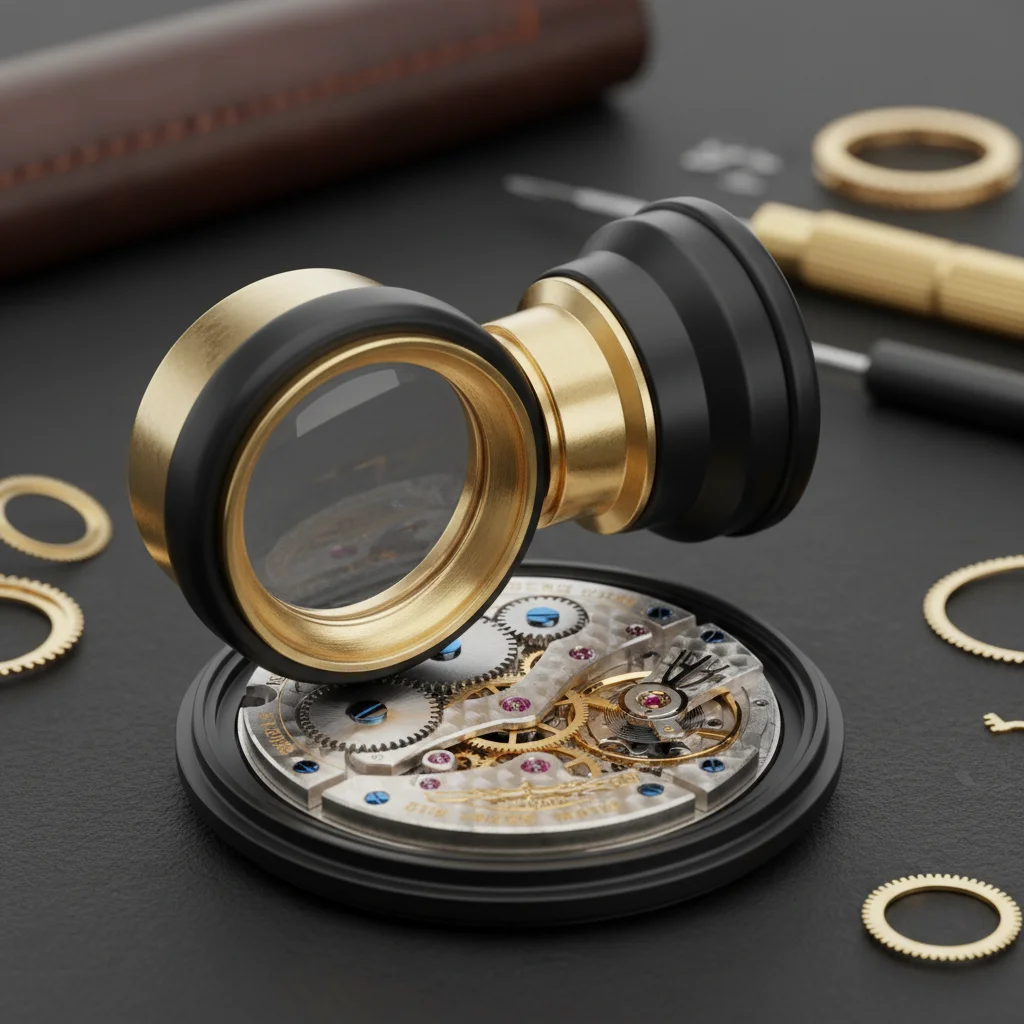
- Materials and complexity. The use of precious metals and the presence of complex functions (complications), such as a tourbillon or minute repeater.
Comments (0)
No comments yet. Be the first to share your thoughts!
Related Lots
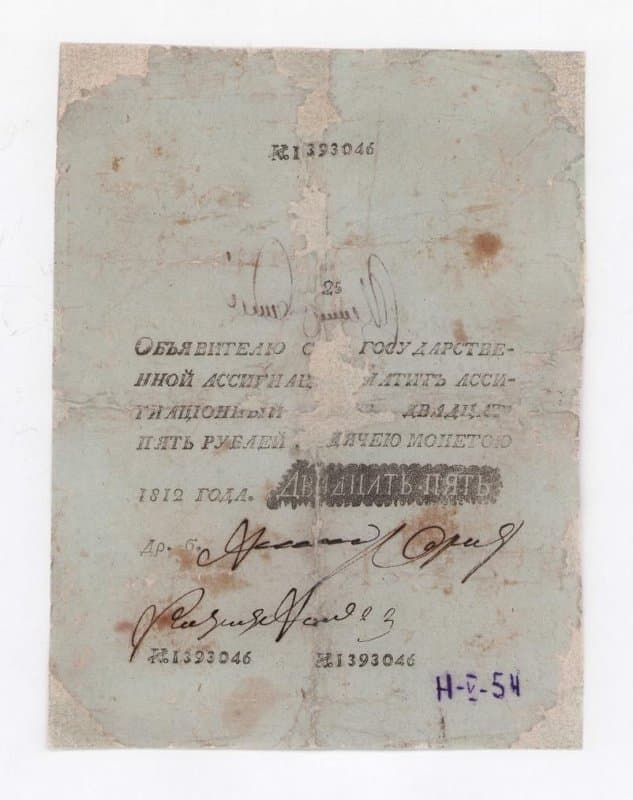
Российская Империя Ассигнация 25 рублей, 1812 (Период 1786-1819)
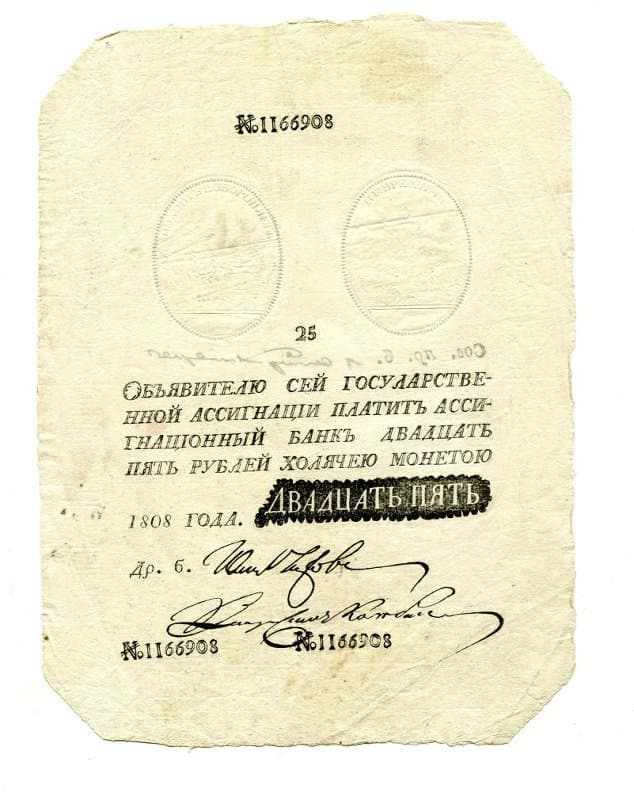
Российская Империя Ассигнация 25 рублей, 1808 (Период 1786-1819)
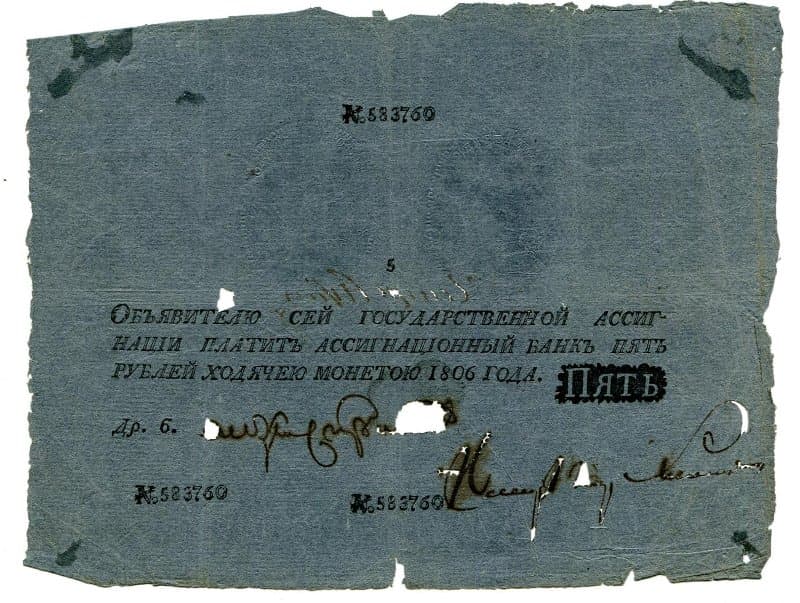
Государственная ассигнация. 5 рублей. № 583760
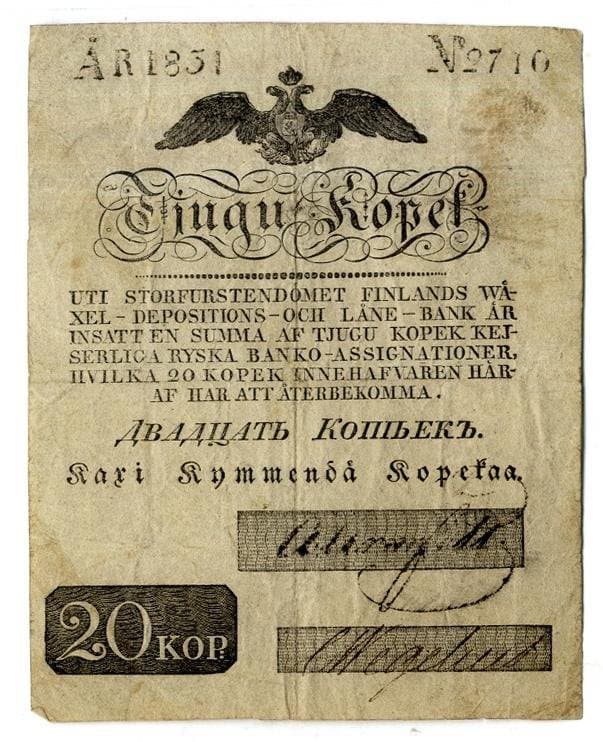
Российская Империя Ассигнация 20 копеек, 1831 (Выпуск Великого Княжества Финляндского)
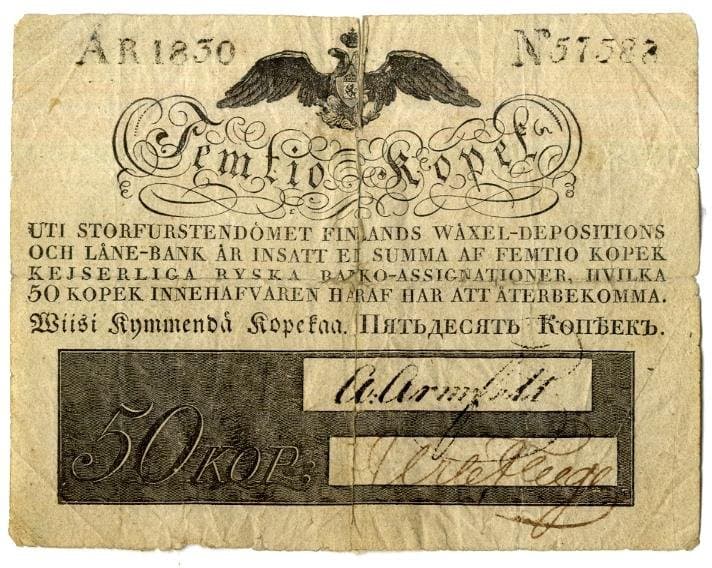
Российская Империя Ассигнация 50 копеек, 1830 (Выпуск для Великого Княжества Финляндского)
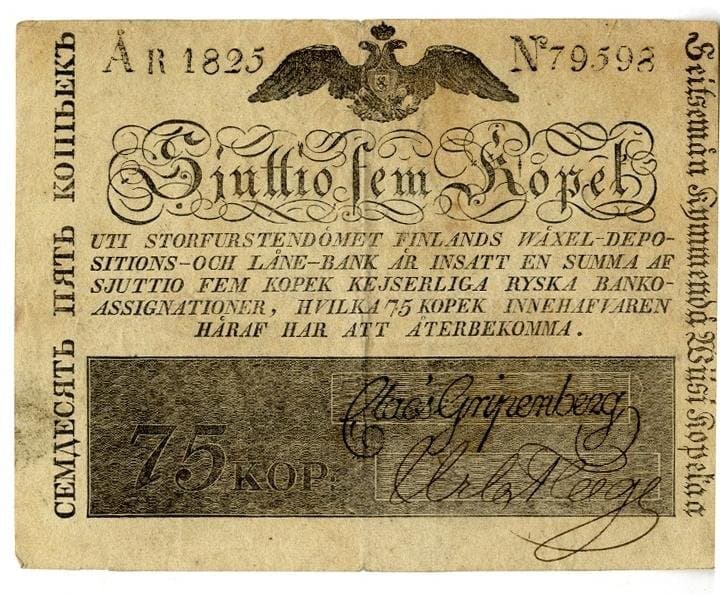
Российская Империя Ассигнация 75 копеек, 1825 (Выпуск для Великого Княжества Финляндского)
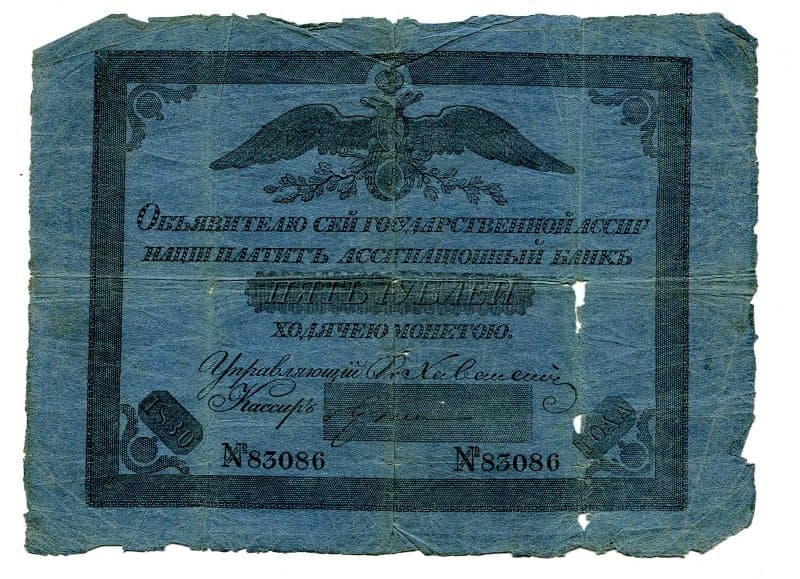
Российская Империя Ассигнация 5 рублей, 1830 (Период 1819-1843)
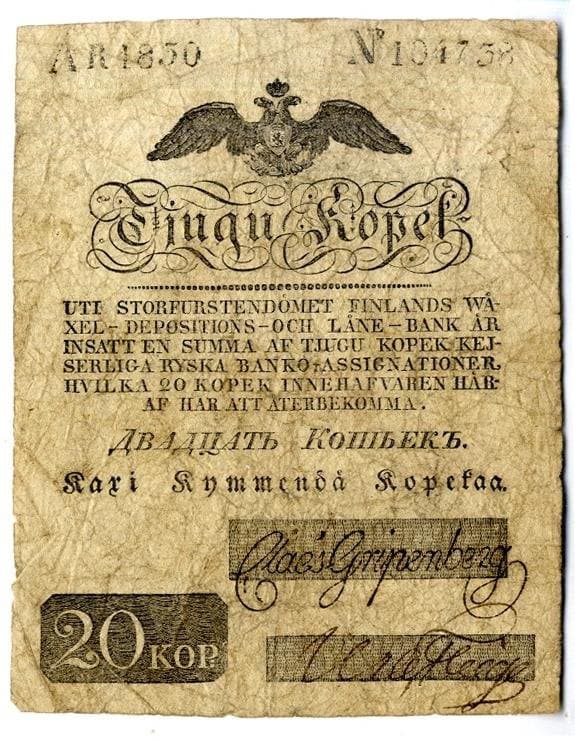
Российская Империя Ассигнация 20 копеек, 1850 (Выпуск для Великого Княжества Финляндского)
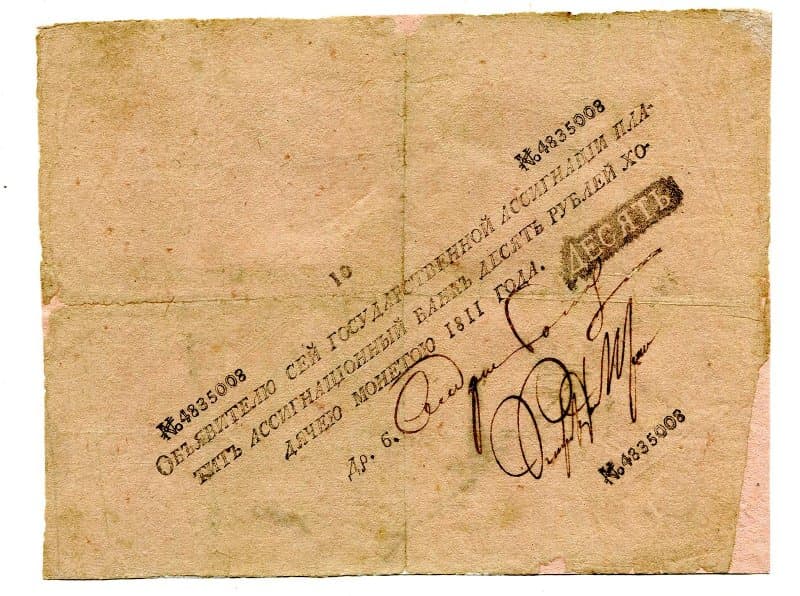
Российская Империя Ассигнация 10 рублей, 1811 (Период 1786-1819)
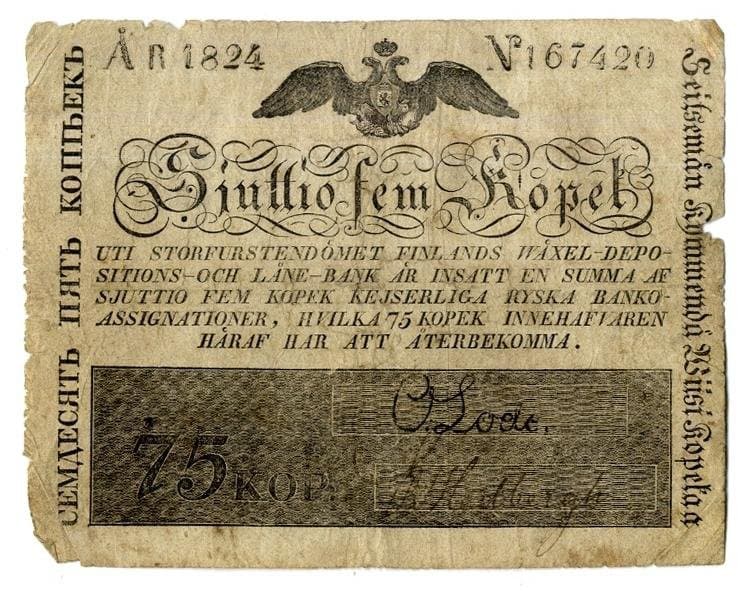
Российская Империя Ассигнация 75 копеек, 1824 (Выпуск для Великого Княжества Финляндского)
Similar Articles
Antique Furniture: Styles and Pricing Factors
Alexander Volkov
How to Distinguish an Original from a Copy: A Guide for Collectors
Alexander Volkov
Russian Coins of the 19th and Early 20th Centuries: What's in Demand
Alexander Volkov
How to Start Collecting Coins: A Complete Guide for Beginners
Alexander Volkov

How to Participate in an Online Auction: Registration, Bidding, and Fees
Alexander Volkov